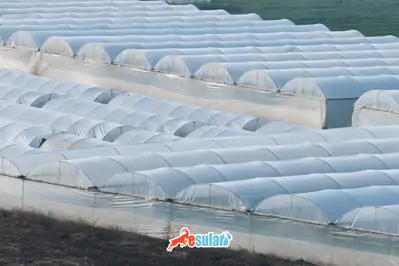
Extensive agriculture is a type of agriculture where traditional and primitive methods are generally used instead of modern agricultural techniques. Sensitivity to the age of the soil, natural events, and climate conditions forms the basis of this agricultural method. In this form of coarse agriculture where primitive methods stand out, external intervention is at a minimum level. As a result, the profit and yield of the products obtained are generally at a low level. This type of agriculture, which is still widely practiced in various regions of Turkey, is a situation that arises especially in areas with large land holdings and limited modern agricultural techniques. Extensive agriculture is known for the use of low labor and simple agricultural tools, but this method may also bring some challenges regarding sustainability.
What are the Characteristics of Extensive Agriculture?
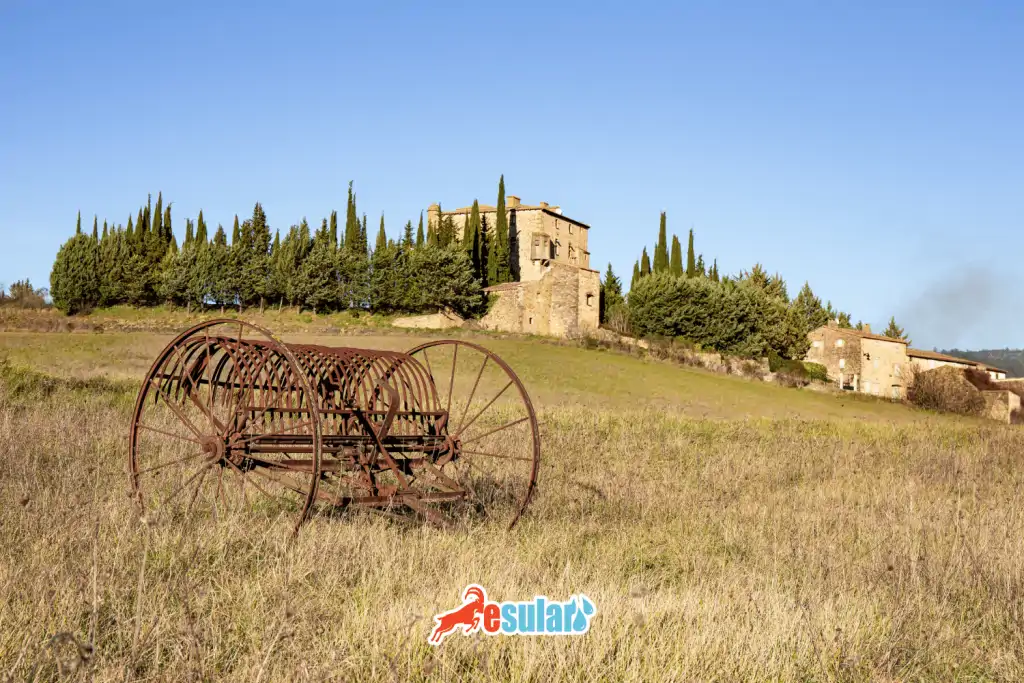
Modern agricultural equipment and technologies are not used in extensive agriculture. This method is generally carried out with traditional agricultural tools and simple implements.
Plants usually grow under natural conditions. Modern agricultural practices such as fertilization, irrigation, and spraying are performed minimally or not at all.
Production is directly related to climate factors such as precipitation amount and drought. Climate changes and weather conditions affect agricultural yield.
This method is generally used in places where mechanization is limited. It includes coarse agricultural methods based on human and animal power.
It is common in rugged and rural areas, small enterprises, and underdeveloped countries.
In Turkey, extensive agricultural practices are frequently encountered, especially in regions such as the Black Sea, Southeastern Anatolia, Central Anatolia, and Eastern Anatolia.
Expenses are generally low in this agricultural method.
Fallowing practices are frequently seen due to irrigation problems. This method is often preferred to protect soil fertility and use water resources more effectively.
These characteristics reflect the general qualities of extensive agriculture and state the situations specific to this agricultural method.
How is Extensive Agriculture Done?
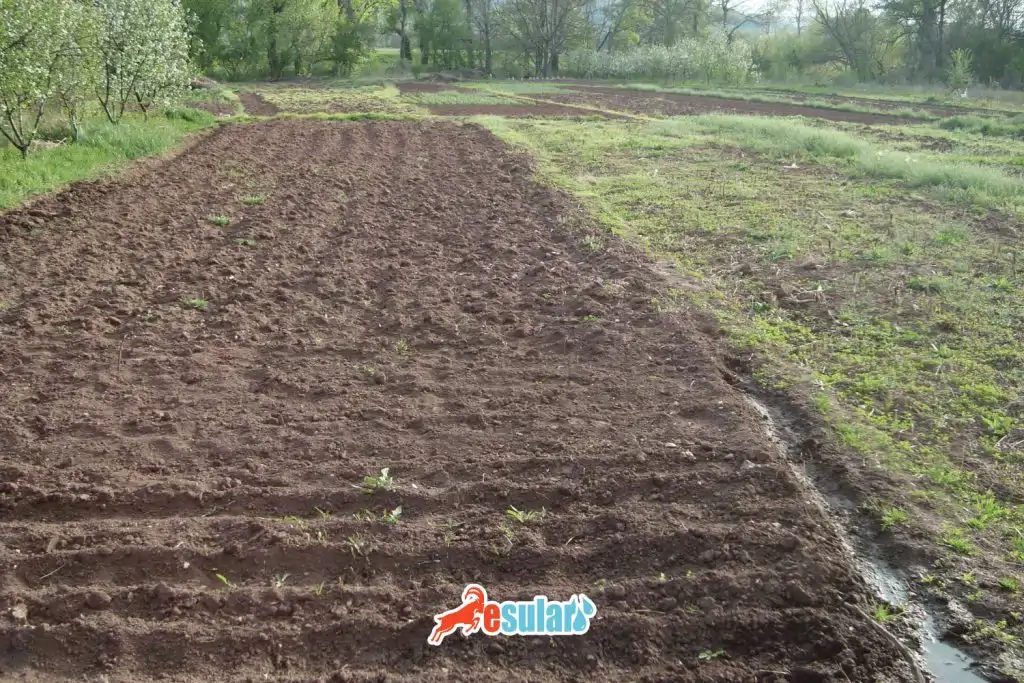
In this type of agriculture, the production process is carried out using human and animal power. The soil is prepared for planting with simple tools, and seeds are sown by hand broadcasting. The field is regularly checked for the growth and development of the sown seeds. Generally, spraying and fertilization are not performed. When the plants mature, the harvest is done by hand; specifically, large mechanized equipment is not used. The harvested products are then separated for processing. Extensive agriculture generally focuses on local markets. Products are sold in village markets or small local shops. At this stage, traditional marketing methods and human power are also generally used. In this process, the non-use of modern agricultural techniques and mechanization causes production to be more labor-intensive and maintained on a local scale. This type of agriculture is usually carried out by small family enterprises and generally aims to meet basic food needs.
What is the Difference Between Extensive Agriculture and Intensive Agriculture?
Extensive agriculture and intensive agriculture represent the fundamental differences in agricultural practices. Extensive agriculture is generally based on large land use and has low production density. In this type of agriculture, manual labor and animal power are common, but soil fertility is generally low. Intensive agriculture, on the other hand, provides high production by using small land parcels more intensively. Modern agricultural techniques, mechanization, and technology use characterize this type of agriculture. Since necessary plant nutrients and fertilizers are used, soil fertility is generally high. However, environmental impacts and energy use are higher in this agricultural method. Both types of agriculture have advantages and challenges, and the preferred agricultural method may vary depending on regional conditions, economic factors, and sustainability goals.