Fusarium Wilt Disease is a serious fungal disease seen especially in tomato plants that affects the vascular tissues of the plant. Triggered by Fusarium oxysporum f. sp. lycopersici, which is a specific form of the fungus species named Fusarium oxysporum, this disease spreads along the xylem tissue starting from the roots of the plants and prevents the plant from carrying water and nutrients, leading to wilting and ultimately plant death. The disease is commonly seen in generally warm and humid climates, especially in acidic and sandy soils. In infected plants, the first symptoms appear as yellowing and wilting of the lower leaves and turn into a serious wilt affecting the whole plant over time. Fusarium Wilt Disease is an important plant pathogen threatening tomato production worldwide.
Why Does Fusarium Wilt Disease Occur?
Fusarium Wilt Disease is caused by a soil-borne fungus named Fusarium oxysporum. This fungus generally infects through the roots of plants and settles in the xylem tissue of the plant. Xylem tissue is the tubes that carry water and nutrients from the roots to the leaves of the plant. The fungus multiplies in these tissues and secretes toxins, which causes the xylem to become blocked and reduces the plant's ability to carry water. This situation leads to symptoms of wilting in the plant, yellowing of the leaves, and eventually the death of the plant.
Some factors that trigger the occurrence of the disease are:
Soil Conditions: The disease is generally more common in poorly drained soils with high water-holding capacity. Acidic and sandy soils can also facilitate the spread of the disease.
Climate Conditions: Warm and humid weather conditions provide ideal environments for the development of the fungus. Therefore, Fusarium Wilt Disease is more common in warm regions.
Susceptible Plant Species: Some plant species are more sensitive to Fusarium wilt disease. For example, tomato plants are quite sensitive to this disease.
Irrigation Methods: Irregular irrigation or excessive irrigation can weaken plant roots and facilitate infection by the fungus.
Disease Residues: Residues of diseased plants can cause fungal spores to remain in the soil and the disease to recur in future years.
What are the Symptoms of Fusarium Disease?
The symptoms of Fusarium Wilt Disease appear due to the disruption of the water transport system in the plant and generally manifest themselves in the following way:
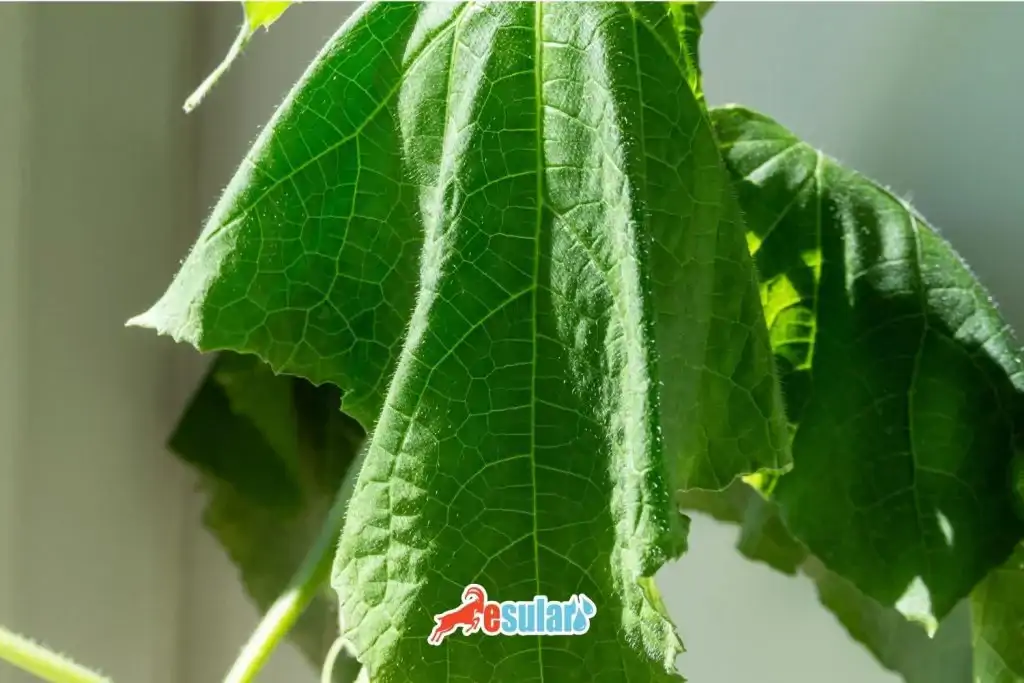
Wilting: The first and most obvious symptom is the appearance of a general state of wilting in the plant. Especially on hot days, the leaves hang down and the plant takes on a lifeless appearance. This wilting may initially be irregular and seen in only a few leaves, but as the disease progresses, it can affect the entire plant.
Leaf Yellowing: As the disease progresses, yellowing is seen in the leaves starting from the lower leaves. Yellowing usually starts from the veins and spreads to the entire leaf over time.
Leaf Drop: Yellowed leaves dry out over time and drop from the plant. This situation causes deterioration in the general appearance of the plant and reduces the plant's capacity to photosynthesize.
Root and Stem Color Change: Brown or black color changes can be observed in the roots and stems of infected plants. Especially when a section is taken, brown streaks can be noticed in the xylem tissue.
Growth Retardation: Due to the effect of the disease, the growth of the plant stalls or slows down. This negatively affects the general development of the plant and leads to yield loss.
Reduction in Flower and Fruit Set: The disease can also negatively affect the flower and fruit set of the plant. In plants that do set fruit, the fruits may be small and of low quality.
Fusarium Wilt Disease generally progresses from the lower parts of the plant upwards, so early diagnosis is important. Since the control of the disease is difficult, it is necessary to act quickly when symptoms are noticed.
In Which Plants Does Fusarium Wilt Disease Occur?
Fusarium Wilt Disease can be seen in a wide range of plants. Generally vegetables, fruits, ornamental plants, and some field crops are affected by this disease. Here are some plants where Fusarium Wilt Disease is commonly seen:
Tomato
Pepper
Eggplant
Cucumber
Melon and Watermelon
Cotton
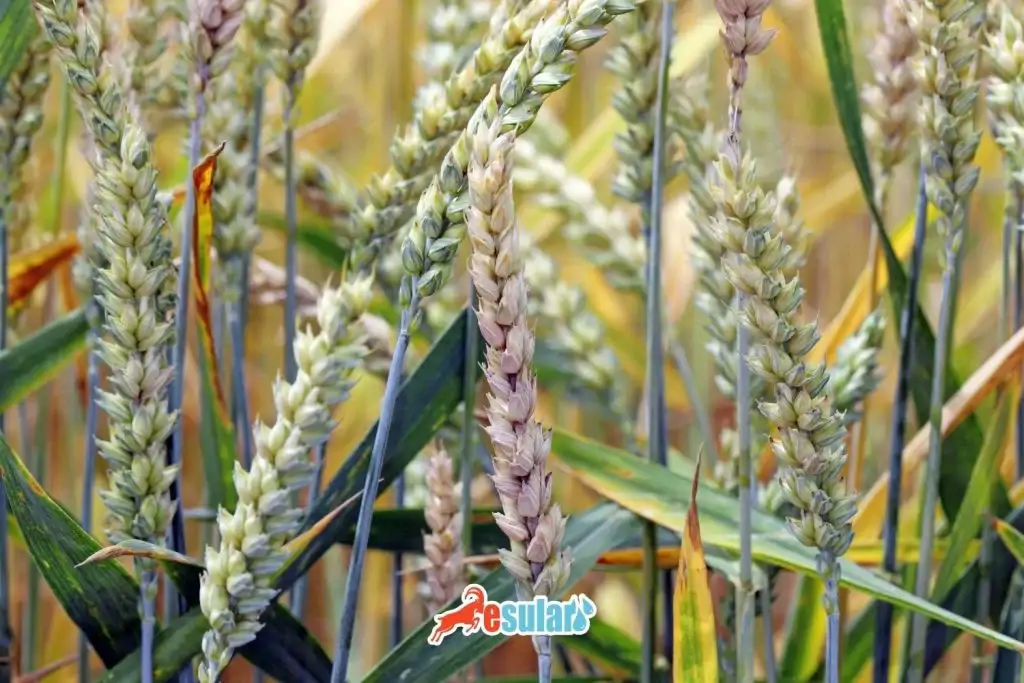
Barley and Wheat
Beans
Banana
Tulip
Potato
Tobacco
This disease attacks the root and stem tissues of plants, disrupting the water and nutrient transport system, which leads to wilting, yellowing, and eventually death of the plants. To prevent the spread of the disease, proper soil management, use of resistant plant varieties, and hygienic agricultural practices are important.
How to Combat Fusarium Wilt Disease?
The following methods can be used to combat Fusarium Wilt Disease:
Resistant plant varieties should be preferred.
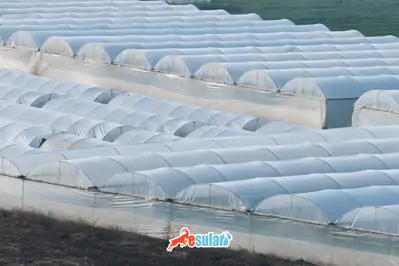
Soil solarization can be performed to ensure the killing of pathogens.
Regulating the soil pH level can prevent the spread of the disease.
Crop rotation can be applied to prevent the accumulation of pathogens.
Infected plant residues must be cleaned.
Agricultural tools and equipment should be cleaned regularly.
Biological control can be carried out using beneficial microorganisms.
Fungicides should be used carefully.
Excessive irrigation should be avoided through irrigation management.
Soil fumigation can be applied, but it should be used carefully.