Tüm Yazılar

What is Grass Tetany?

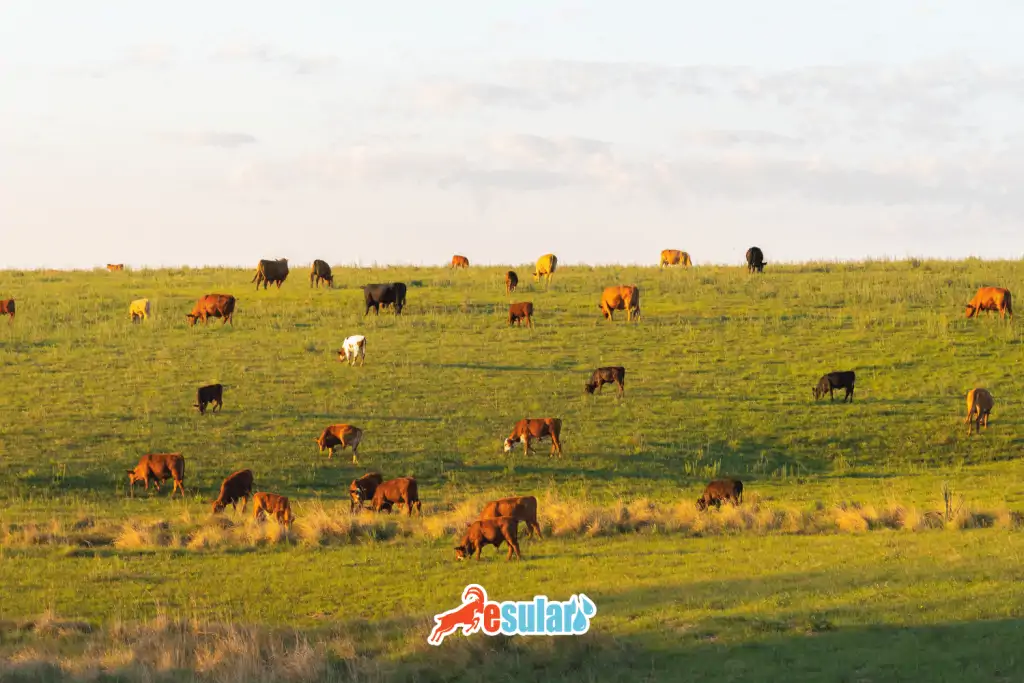
Grass tetany is a metabolic disease frequently seen in cattle and sheep. It occurs as a result of a decrease in magnesium levels in the blood (hypomagnesemia). Magnesium is an indispensable mineral for animals. It is quite important for nerve conduction, muscle functions, and energy metabolism. Grass tetany, which is frequently encountered in cattle and becomes evident with the arrival of spring, refers to basically the same metabolic disorder although it is known by various names. It is also known by names such as hypomagnesemia, magnesium tetany, and wheat pasture poisoning. This disease manifests itself with symptoms such as loss of muscle coordination, muscle spasms, and excessive contraction observed especially in animals with high milk yield. Animals moving in general instability is among the typical symptoms of this disorder. This condition, also known as “grass staggers,” can cause serious economic losses in terms of both animal health and livestock breeding.  

What Causes Grass Tetany?

The causes of this disease, which is generally seen in cattle, are as follows;

  • Low Magnesium Diet: During the spring period, rapidly growing green grasses, especially pastures enriched with nitrogen and potassium, can prevent magnesium intake and absorption.

  • Imbalanced Nutrition: The absence of sufficient magnesium in the animals' ration prepares the ground for the disease. At the same time, excessive calcium intake can also reduce magnesium absorption.

  • Stress and Physical Pressure: Transport, rapid pasture changes, or other stress factors can lead to hypocalcemia. 

  • High Milk Yield: Animals with high milk yield naturally need more magnesium. In this case, the risk of magnesium deficiency increases.

  • High Protein Content of the Diet: High-protein feeds negatively affect magnesium absorption by increasing ammonia formation in the rumen.

The combination of these factors can cause the occurrence of grass tetany. Therefore, the nutrition of cattle should be carefully planned and their magnesium needs should be met.

cayir-tetanisi

What are the Symptoms of Grass Tetany?

The generally known symptoms of grass tetany are as follows:

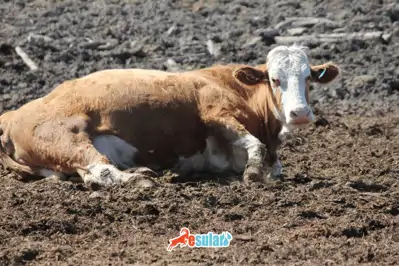
  • Imbalance and Tremors: Suddenly starting imbalance and tremors are seen in animals. Animals experience loss of balance while walking or standing.

  • Convulsions and Spasms: Sudden and severe contractions occur in the muscles. These contractions make it difficult for animals to move.

  • Neurological Symptoms: Neurological symptoms such as restlessness, aggressive behaviors, hypersensitivity, and irritability are observed in animals.

  • High Respiration and Heart Rate

  • Excessive Salivation and Drooling

  • Disorders in Muscle Coordination: Animals experience coordination disorders in their gait and general movements. It manifests itself in the form of a staggering gait.

  • Loss of Consciousness: In severe cases, loss of consciousness and a state of coma may occur in animals.

These symptoms are common ones for grass tetany. However, symptoms may vary depending on the animal's general health status, the severity of the disease, and other factors. Therefore, in case of suspicion, it is important to consult a veterinarian immediately.

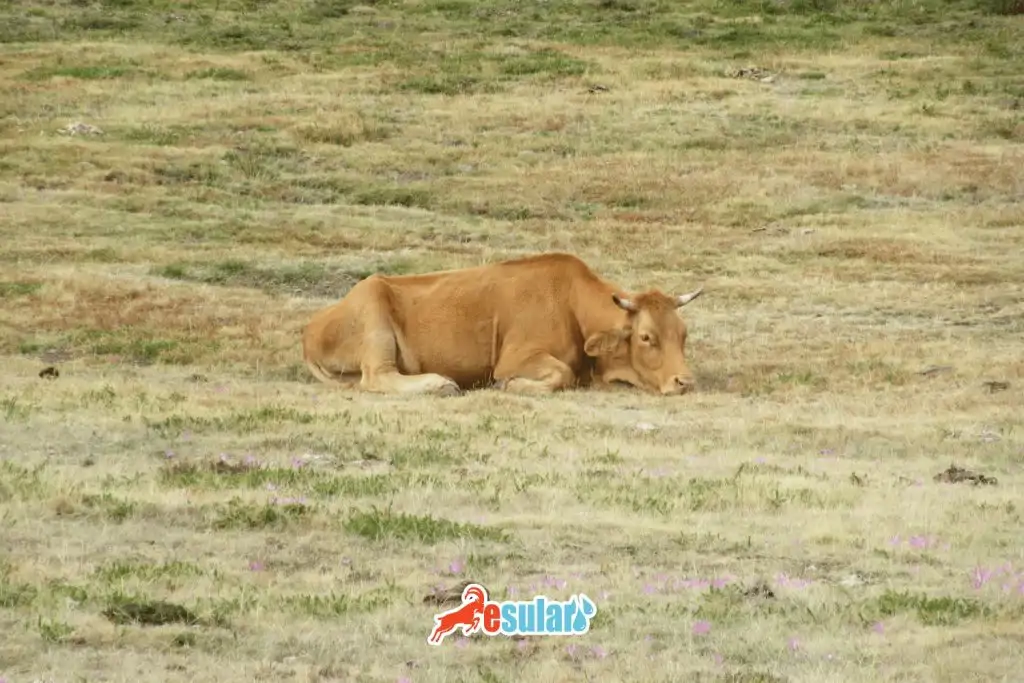
Diagnosis of Grass Tetany

Veterinary diagnosis is usually made through clinical examination, evaluation of medical history, and blood tests. Especially the measurement of magnesium levels is very important in the diagnostic process. Early diagnosis and treatment are of vital importance in protecting the animal's health and preventing the progression of the disease. Therefore, it is important for animal owners to be able to recognize the symptoms of grass tetany and to consult a veterinarian when necessary.

cayir-tetanisi-nasil-olur

How is Grass Tetany Treatment Done?

Treatment of the disease is carried out by a veterinarian. Vitamins and minerals needed by sick animals are given via injection or orally. Veterinarians may provide recommendations for dietary changes caused by the disease and for improving the animal's living habits. Therefore, with effective and continuous treatment, animals generally show recovery in a short time and regain their former health. However, any disruption or problem in the treatment process can negatively affect the animal's health and can be fatal. For this reason, it is vital to consult your veterinarian at the slightest suspicion. It is important not to forget that early diagnosis provides a great advantage in the treatment process.

What are the Ways to Prevent Grass Tetany?

First of all, it must be ensured that the animals' diet is balanced and rich in magnesium. This means correct feeding and the use of feeds that contain all the nutrients animals need. In addition, it should be ensured that animals have access to sufficient water and that the water quality is good. During the fertilization of pastures, care should be taken with nitrogen and potassium ratios to ensure they do not negatively affect magnesium intake and absorption. Rations should not contain more calcium than the animal needs, and the use of feeds with high protein ratios can increase ammonia formation in the rumen and reduce magnesium absorption, which prepares the ground for grass tetany. Additionally, animals' living conditions and stress levels should be taken into consideration. Stressful situations can cause hormonal imbalances, which can lead to the disease by affecting magnesium metabolism. Routine veterinary checks and monitoring of the animals' general health status are critical for early diagnosis and treatment. All these measures can be effective in protection from grass tetany and can contribute to the healthy breeding of animals.

Yorumlar

Daha Fazla İçerik İster misiniz?

Akıllı tarım hakkında en güncel içerikleri takip edin.