Tüm Yazılar
What is Herbicide?
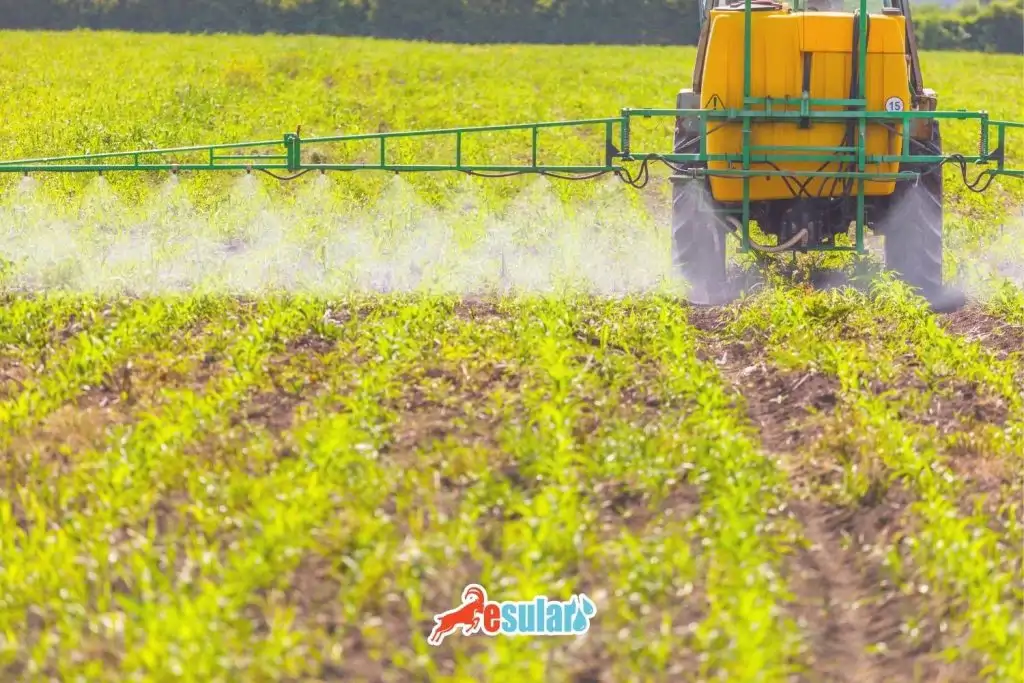
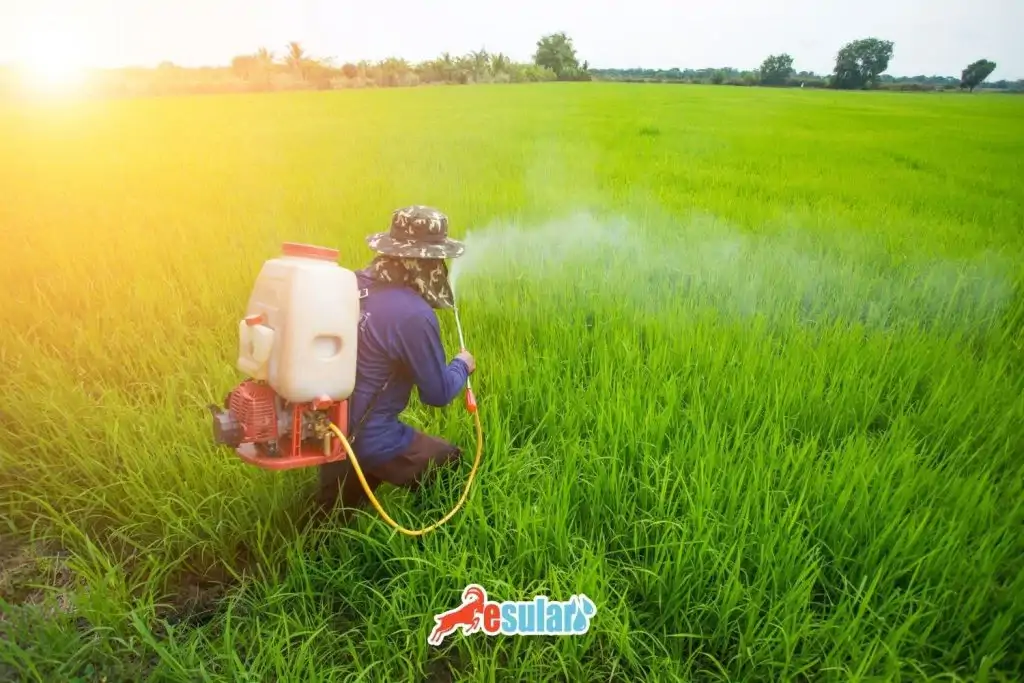
Herbicides are chemical substances used in agriculture and gardening to control unwanted weeds and ensure the healthy growth of crops. Weeds can negatively affect agricultural yield by causing crops to compete for resources such as water, nutrients, and light. Herbicides support the development of crops by targeting these unwanted plants and increase the efficiency of agricultural production. However, the effective and correct use of herbicides is of critical importance for both crop health and environmental sustainability. In this article, we will provide detailed information about the definition, classification, usage methods, and points to be considered regarding herbicides.
Where are Herbicides Used? What are the Areas of Use?
Herbicides are used in a wide range of fields in agriculture and gardening. Here are the main areas of use for herbicides:
1. Field Crops: Herbicides are widely used in large-scale field crops such as wheat, corn, soybeans, cotton, and rice. Weeds in the planting areas of these crops can reduce crop yield. Herbicides control these weeds, ensuring the healthy growth of plants and obtaining high yields.
2. Gardening and Vegetable Production: Herbicides also play an important role in vegetable gardens and commercial vegetable production areas. Vegetables such as tomatoes, peppers, eggplants, lettuce, and carrots can compete with weeds, which can lower product quality. Herbicides eliminate this competition, allowing vegetables to develop better.
3. Orchards and Vineyards: In orchards where fruit trees such as apples, pears, cherries, peaches, and grapes are grown, herbicides are used for weed control. Controlling weeds in these orchards increases fruit yield by ensuring that trees and vines receive more water and nutrients.
4. Lawn Areas and Landscaping: Herbicides are widely used in lawn areas such as golf courses, sports fields, parks, and gardens. Weed control in these areas is important to maintain a smooth and aesthetic appearance of the lawns. Herbicides prevent weeds from competing with the grass, ensuring that the lawns grow healthily.
5. Industrial and Commercial Areas: Herbicides are also used in industrial and commercial areas such as factories, warehouses, highways, railways, and airports. Weed control in these areas ensures that the areas are clean and safe. Especially controlling weeds on railway lines is of critical importance for safe train travel.
6. Forest and Nature Management: In forested areas and natural habitats, herbicides are used for the purpose of controlling invasive plants and protecting native plant species. This is important for preserving biodiversity and supporting the health of forest ecosystems.
Herbicides increase the efficiency and sustainability of agricultural and landscaping applications by providing effective weed control in these various areas. However, the correct and conscious use of herbicides is of great importance for both plant health and environmental impacts.
Classification of Herbicides
1. Classification According to Chemical Structure
Amino Acid Analog Herbicides: These are herbicides that target amino acid synthesis in plants, causing growth disorders.
Organophosphates: These are chemical compounds that affect protein and enzyme systems in plants.
Carbamates: These are herbicides that disrupt photosynthesis processes and other biochemical functions of plants.
Triazoles: These are compounds that affect fat and protein synthesis in plants.
2. Classification According to Mode of Action
Contact Herbicides: These are herbicides that are effective only in the part of the plant where they are applied and kill surface weeds.
Systemic Herbicides: These are herbicides that act by spreading throughout the entire plant and penetrate all organs such as roots, stems, and leaves.
Soil Herbicides: These are herbicides that are applied to the soil surface or into the soil and are effective by passing to the plant roots through the soil.
3. Classification According to Application Time
Pre-Planting Herbicides: These are herbicides applied to the soil before seed sowing that prevent the germination of seeds.
Post-Planting Herbicides: These are herbicides applied after the plants have grown and used to control weeds among the crops.
4. Classification According to Plant Type
Selective Herbicides: These are herbicides that are effective on specific plant species and cause minimum damage to target plants.
Non-Selective Herbicides: These are herbicides that are generally effective on all plant species and cause damage to all types of plants.
5. Classification According to Application Method
Foliar (Leaf) Herbicides: These are herbicides applied directly to the leaves of plants and penetrate the plant through the leaves.
Soil Herbicides: These are herbicides applied to the soil surface or into the soil and act on the roots.
6. Classification According to Affected Plant Groups
Herbicides Effective Against Broadleaf Plants: These are herbicides that generally target broadleaf weeds.
Herbicides Effective Against Narrow-leaf Plants: These are herbicides that are effective against narrow-leaf weeds.
Correct classification of herbicides ensures their appropriate use and obtaining effective results. The effective and safe use of herbicides in agriculture both increases yield and minimizes environmental impacts.
Points to Consider in Herbicide Use
Herbicide use involves important factors that must be considered for plant health and environmental protection. Here are the points to consider in herbicide use:
- The dosages specified on the herbicide labels must be strictly followed. Excessive use can damage plants and create negative effects on the environment.
- Applying more than necessary can both damage unwanted plants and cause excessive amounts of harmful chemicals to mix into the soil.
- Applying herbicides in windy weather can cause the products to spread to other areas, which can damage surrounding plants.
- Herbicides are designed only to kill target plants. However, the sensitivity of the plants to be applied and their susceptibility to the herbicide should be taken into consideration.
- The pH value, organic matter content, and moisture amount of the soil can affect the effectiveness of herbicides. The appropriate herbicide should be chosen for the soil type.
- To prevent water pollution, applying herbicides to waterways or ponds should be avoided.
- Herbicides that can mix into the lower layers of the soil must be applied carefully to prevent contamination of groundwater.
- It is important to use protective clothing (gloves, masks, glasses) when applying herbicides. Direct contact with chemicals can lead to health problems.
- Herbicides should be stored in cool and dry places out of the reach of children and pets.
- Unused or expired herbicides should be disposed of properly. They should be disposed of as chemical waste in accordance with local regulations.
These factors to be considered help ensure the effective and safe use of herbicides, protecting both plant health and environmental balance.
Environmental and Health Effects of Herbicides
- Herbicides can disrupt the balance of microorganisms living in the soil, which can lead to a decrease in soil fertility.
- Incorrect application or overdose can cause permanent pollution in the soil.
- Herbicides can mix with surface water or groundwater with precipitation and contaminate these water sources.
- Herbicides mixing into water sources can create toxic effects on plants and animals in aquatic ecosystems.
- Non-selective herbicides can kill native plants along with weeds, leading to a reduction in biodiversity.
- Changes in plants can affect the feeding habits of animals that feed on these plants.
- Exposure through direct contact or residues from herbicides can lead to skin rashes, eye irritation, and respiratory problems.
- Long-term exposure can be associated with some types of cancer, hormonal disorders, and reproductive problems.
- The presence of residues in agricultural products can pose health risks to people who consume these products.
- Animals roaming freely in agricultural areas can be poisoned by herbicide residues.
- Conscious and careful use against these effects can minimize the negative impacts of herbicides on both the environment and human health.
Kategoriler
Etiketler