What is Hypocalcemia (Milk Fever)?

24 Ocak 2026 Çağla Altıntaş 20 görüntülenme
Tüm Yazılar

What is Hypocalcemia (Milk Fever)?

This condition, called hypocalcemia (milk fever), occurs as a result of a rapid drop in the animal's blood calcium levels. Milk fever is a health problem that is common especially among dairy cattle. This condition is linked to the rapid depletion of calcium in the body due to high milk production and calcium loss during birth. Hypocalcemia can also occur depending on various factors such as parity (history of giving birth) and genetic factors.

What Causes Hypocalcemia?

In dairy cattle, milk production suddenly rises immediately after birth, and the high amount of calcium in the milk increases the animal's calcium requirement. This rapid increase leads to the rapid depletion of calcium in the body and hypocalcemia. Additionally, cattle may experience a drop in calcium absorption in the postpartum period, which can prevent the effective use of calcium. Insufficient calcium intake, the lack of other minerals to provide calcium balance, and the absence of appropriate nutritional management can also increase the risk of hypocalcemia. Therefore, paying attention to the animals' diet in the pre- and post-birth period, correctly providing calcium supplements, and veterinary intervention are of critical importance to prevent hypocalcemia and protect the health of dairy cattle.

hypocalcemia-milk-fever

What are the Symptoms of Hypocalcemia?

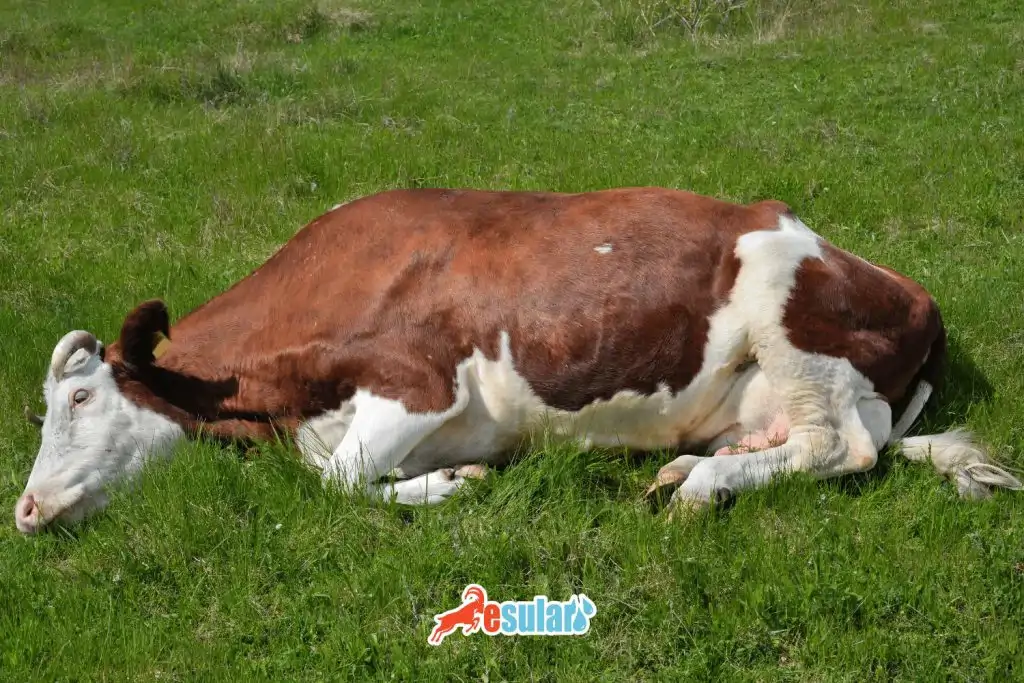
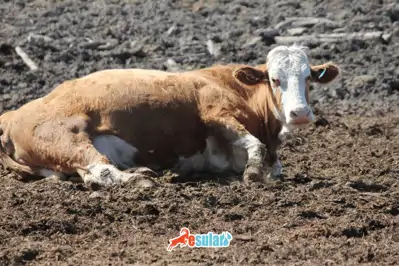
In this case, the animal's calcium levels drop rapidly and various symptoms appear. The symptoms of hypocalcemia can be explained as follows: Early symptoms of hypocalcemia in animals may include cooling of the ears, muscle twitching, reluctance to walk, stiffness in the hind legs, and tremors in the hind legs. While these symptoms show the effects of the calcium drop, more serious symptoms may appear as the condition progresses. As hypocalcemia progresses, more serious symptoms such as lying on the chest, a decrease in pulse, a drop in body temperature, resting the head against the hunger hollow, and a state of complete coma can be observed in animals. In these stages, the general health status of the animal can be seriously affected. Therefore, a veterinarian should be consulted without delay.

hypocalcemia-milk-fever symptoms

How is Hypocalcemia Treated?

The hypocalcemia treatment process usually includes calcium supplements administered by a veterinarian. The veterinarian evaluates the general health status of the animal and the symptoms of hypocalcemia, then determines the appropriate treatment. Treatment usually begins with the administration of calcium supplements. This method ensures rapid absorption of the calcium and aims to improve the symptoms. Following treatment, the animal's condition is regularly monitored and calcium levels are checked. Early intervention against hypocalcemia is of great importance in terms of alleviating symptoms and protecting the animal's health. Additionally, adjustments can be made to the animal's diet to prevent hypocalcemia. Nutritional management, a more balanced diet, and appropriate mineral supplements help reduce the risk of hypocalcemia. The treatment process can be concluded successfully when applied in line with the veterinarian's recommendations and guidance.

hypocalcemia-milk-fever

What Should Be Done to Protect Against Hypocalcemia?

To prevent hypocalcemia, first of all, attention should be paid to the nutrition of the animals. Especially in the pre- and post-birth periods, there should be a sufficient amount of calcium in the content of the feed. Mineral supplements can also be used to ensure the mineral balance of the animals. This can reduce the risk of hypocalcemia. The health status of the animals should be monitored regularly before and after birth, and interventions should be carried out according to the veterinarian's recommendations. Approaching nutritional management meticulously, especially during these periods, is important to meet the calcium needs of the animals. Regular veterinary check-ups play a critical role in monitoring the general health status of the animals and making adjustments to nutrition programs if necessary. Additionally, stress, movement restrictions, and environmental factors that may increase the risk of hypocalcemia should be minimized.

Yorumlar

Daha Fazla İçerik İster misiniz?

Akıllı tarım hakkında en güncel içerikleri takip edin.