Tüm Yazılar
What is Industrial Agriculture and How Did It Develop?
Thanks to industrial agriculture, farmers maximize food production by using modern technology, large lands, and intensive chemical inputs for high productivity. Especially in the mid-20th century, the Green Revolution ensured the spread of this production model worldwide, and thus the food needs of the increasing population became meetable.
Compared to traditional methods, farmers obtain more products using less labor with the industrial approach. As a result, today this system provides a large part of the global food supply.
What are the Basic Characteristics of Industrial Agriculture?
The following basic characteristics define today's modern industrial agriculture:
- Large monoculture lands – Farmers grow a single type of crop on hundreds of hectares of areas
- High mechanization – Producers widely use tractors, harvesting machines, and other motorized equipment
- Intensive chemical use – Agricultural companies increase yield with synthetic fertilizers and pesticides
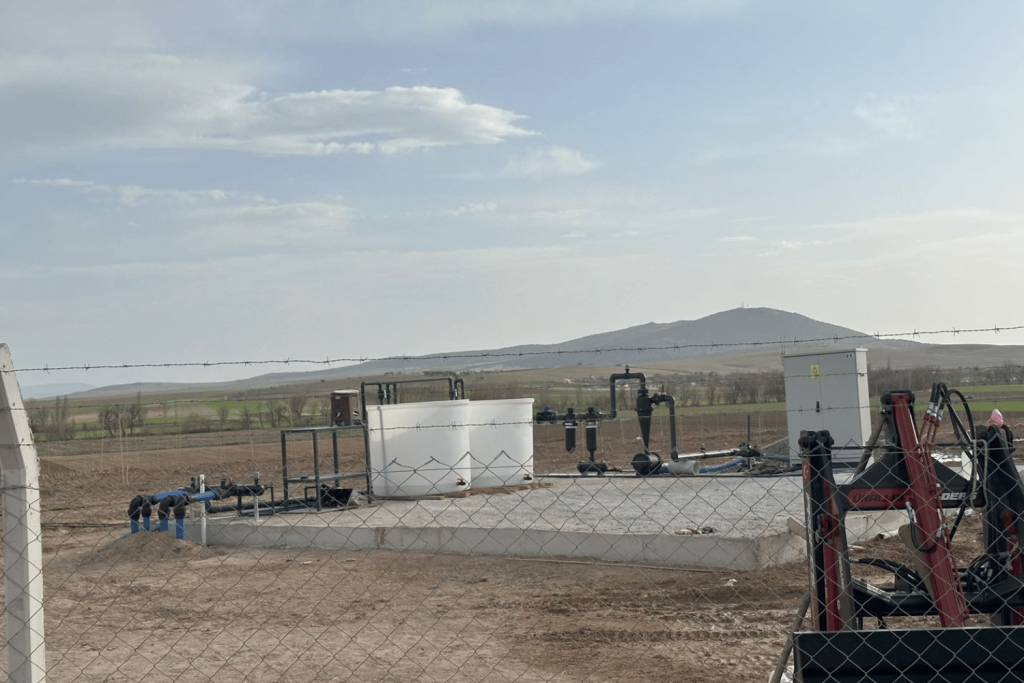
- Advanced irrigation systems – Farmers establish modern and large-scale irrigation infrastructure
- Improved seeds – Agricultural scientists develop special varieties for yield and durability
- Automation-based production – Operators use technology and capital-intensive methods instead of human labor
Advantages of Industrial Agriculture
Farmers and consumers gain many important benefits from modern industrial agriculture. Here are the most valuable contributions of this system:
1. High Efficiency and Production Capacity
Farmers obtain much more product from the same piece of land with industrial methods compared to traditional agriculture. Additionally, this increase in efficiency is vital to meet the constantly increasing food demand of the world population.
2. Reduction of Production Costs
Agricultural enterprises significantly reduce costs per unit with large-scale production. Consequently, consumers can access more affordable food products, and this contributes to social food security.
3. Enhancing Food Security
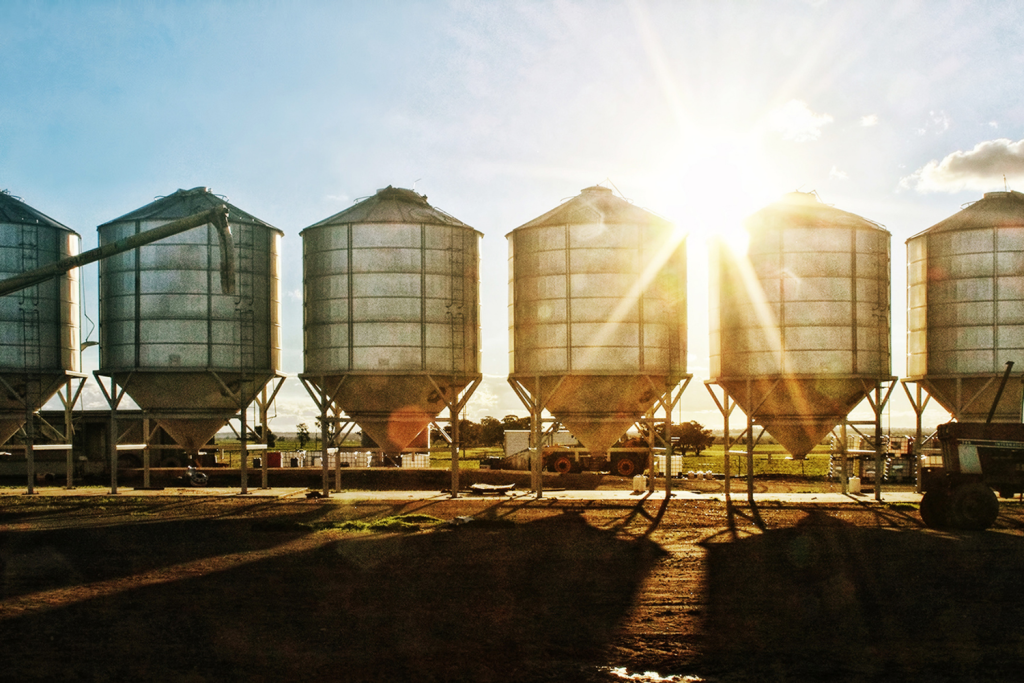
Large agricultural companies establish supply chains that are more resilient to seasonal changes and natural disasters. Besides this, modern storage and distribution systems significantly strengthen food security.
4. Standardized Product Quality
Producers grow consistent products in terms of appearance, size, and quality with modern production processes. As a result, the food processing and retail sectors can operate more efficiently.
5. Increase in Labor Productivity
Farmers achieve more production with fewer workers thanks to mechanization and automation. For this reason, more labor is released for non-agricultural sectors in the economy.
Disadvantages and Environmental Impacts of Industrial Agriculture
1. Soil Erosion and Degradation
Intensive agricultural practices reduce the organic matter of the soil and accelerate erosion. At the same time, the monoculture methods applied by farmers degrade the soil structure, lowering productivity in the long run.
2. Pressure on Water Resources
Farmers and agricultural companies use freshwater resources intensively. Especially excessive irrigation lowers groundwater levels, while agricultural chemicals pollute water sources.
3. Loss of Biodiversity
Agricultural enterprises destroy natural habitats and reduce biological diversity while creating large monoculture lands. Accordingly, ecosystems lose their natural resistance to pests and diseases.
4. Carbon Emissions and Climate Change
Farmers and the agricultural industry produce a significant amount of greenhouse gases in machine use, fertilizer production, and transportation processes. Indeed, approximately 14-18% of global carbon emissions originate from industrial agriculture.
5. Socio-Economic Effects
Large agricultural enterprises wipe small family farmers out of the market. As a result, the traditional structure of rural communities changes, and migration from villages to cities accelerates.
Innovative Solutions for Sustainable Industrial Agriculture
Scientists and innovative farmers are developing methods that reduce environmental impacts while maintaining productivity. Here are the main approaches making industrial agriculture more sustainable:
1. Precision Agriculture Technologies
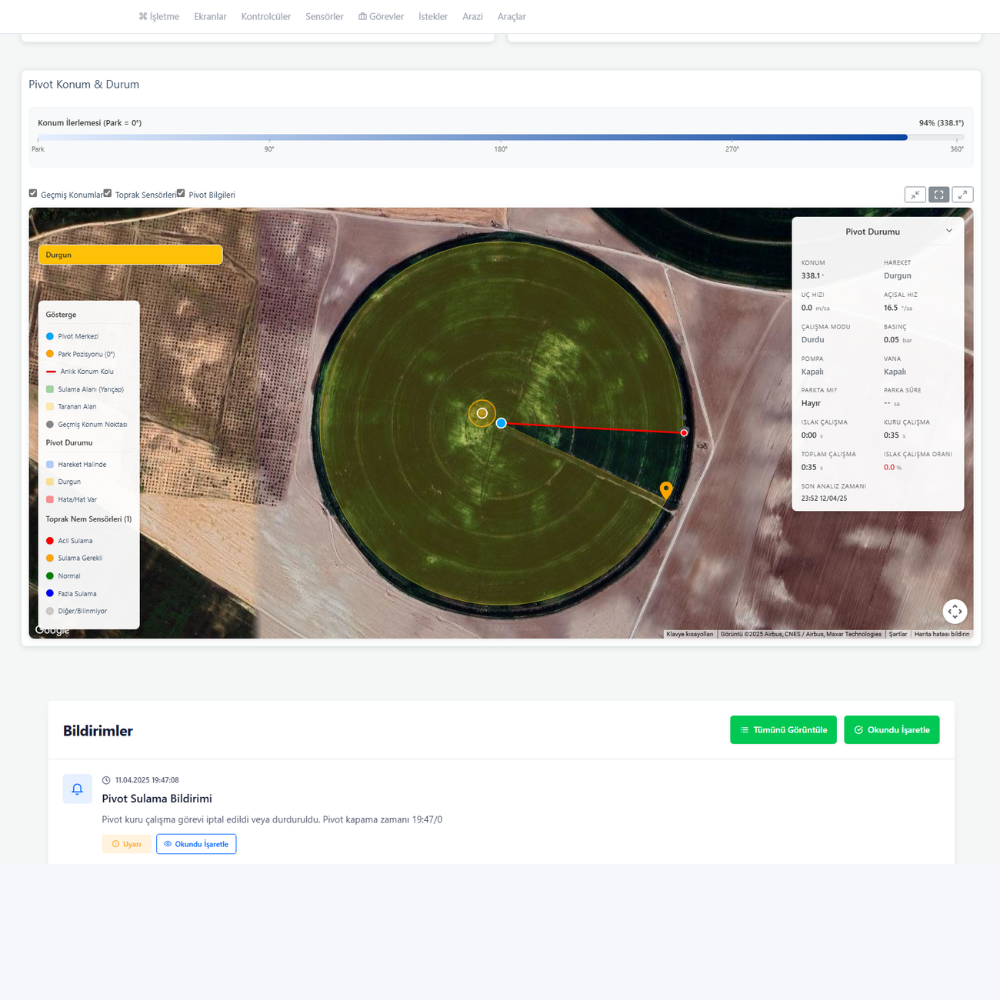
Farmers can now apply water, fertilizer, and pesticides in the exact amount they need with GPS, sensors, and drone technologies. As a result, both costs decrease and environmental impacts are reduced.
Precision agriculture applications can reduce fertilizer use by up to 30% and pesticide use by up to 20%.
2. Integrated Pest Management (IPM)
Agricultural experts offer more ecological solutions by combining strategies such as biological control, resistant plants, and crop rotation instead of full dependence on chemicals. Thus, farmers can control pests using fewer chemicals.
3. Soil Conservation Practices
Progressive farmers reduce erosion with methods such as minimum tillage, leaving stubble, and cover crops. Additionally, these practices improve the carbon sequestration capacity of the soil by increasing organic matter content.
4. Water Efficiency Technologies
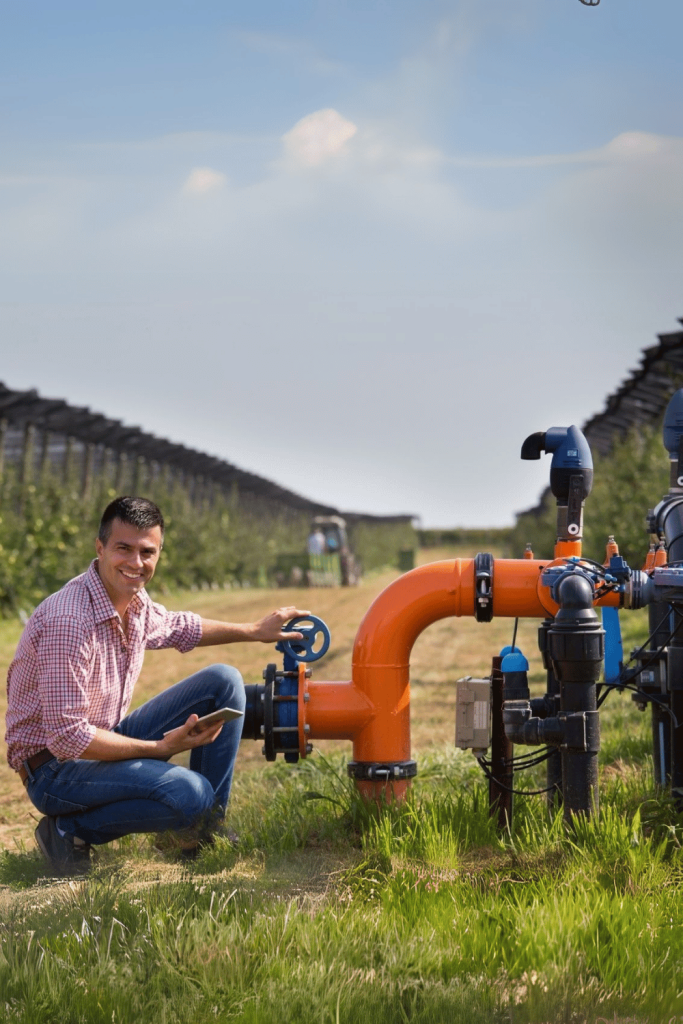
Agricultural enterprises optimize water use with drip irrigation, sprinkler systems, and moisture sensors. In addition, these technologies are of critical importance in the sustainable management of water resources.
5. Digital Agriculture and Artificial Intelligence
Technology companies and farmers make smarter agricultural decisions with big data analysis and artificial intelligence applications. Moreover, these technologies offer solutions in weather forecasting, disease detection, and optimum planting timing.
Industrial Agriculture Practices in Turkey
In Turkey, farmers and agricultural companies perform industrial agriculture at intensities that vary by region. The characteristics of modern systems, which are increasingly included in our agricultural policies, are as follows:
Current Status of Industrial Agriculture in Turkey
- Farmers in the Aegean, Mediterranean, and Central Anatolia regions widely use modern agricultural techniques
- Grain producers benefit from large-scale mechanization
- Greenhouse operators are increasingly adopting technological systems
- Agricultural enterprises in the GAP region are implementing modern irrigation methods
Farmers use industrial agriculture methods on approximately 30% of Turkey's agricultural lands.
Challenges Faced by Turkey
- Small landholders face difficulties due to land fragmentation
- Technology investments bring high costs for farmers
- Young people leaving rural areas cause the aging of the agricultural population
- Agricultural managers and farmers have to manage water resources more effectively
Future Opportunities and Sustainable Solutions
Experts highlight the following opportunities for sustainable industrial agriculture in Turkey:
- Smart Agriculture Projects – The Ministry of Agriculture aims to disseminate Agriculture 4.0 applications
- Cooperative Models – Small producers collaborate for access to technology
- Renewable Energy – Farmers are starting to prefer solar-powered irrigation systems
- Hybrid Production Models – Agricultural enterprises use organic and industrial methods together
Switching to automatic irrigation systems and smart agriculture applications will bring many advantages in the following processes. You can learn a lot of information about automatic irrigation system from our automatic irrigation systems article.
Frequently Asked Questions: Industrial Agriculture
- Can we feed the increasing world population without industrial agriculture?
Experts state that only traditional methods will be insufficient with today's consumption habits. However, the combination of sustainable industrial agriculture and alternative production systems can ensure our food security in the future. - Are industrial agricultural products harmful to our health?
Researchers show that chemical residues below legal limits generally do not pose immediate health risks. But scientists continue their research on long-term effects. For this reason, food inspection agencies are constantly developing control systems.
How can small farmers survive in the world of industrial agriculture?
Agricultural economists argue that small farmers can increase their competitiveness with the following strategies: - Turning towards value-added products for niche markets
Cooperativization to reduce equipment costs
Developing direct-to-consumer sales channels
Benefiting from government-supported technology programs - What are the main differences between organic agriculture and industrial agriculture?
Agricultural experts emphasize that organic agriculture uses natural inputs, relies on biological cycles, and is more labor-intensive. In contrast, industrial agriculture operates with high mechanization, synthetic inputs, and large monoculture lands. In short, the basic distinction between the two systems emerges in production philosophy and environmental approach.
Conclusion: For a Balanced Food System
Industrial agriculture plays a critical role in feeding the world population thanks to its high efficiency. Nevertheless, for sustainability, we need innovative approaches that protect environmental balance and use natural resources more intelligently.
Future food systems will likely be built on models that combine industrial efficiency with ecological sustainability. Additionally, technological innovations will continue to provide farmers with powerful tools to achieve both economic and environmental goals.
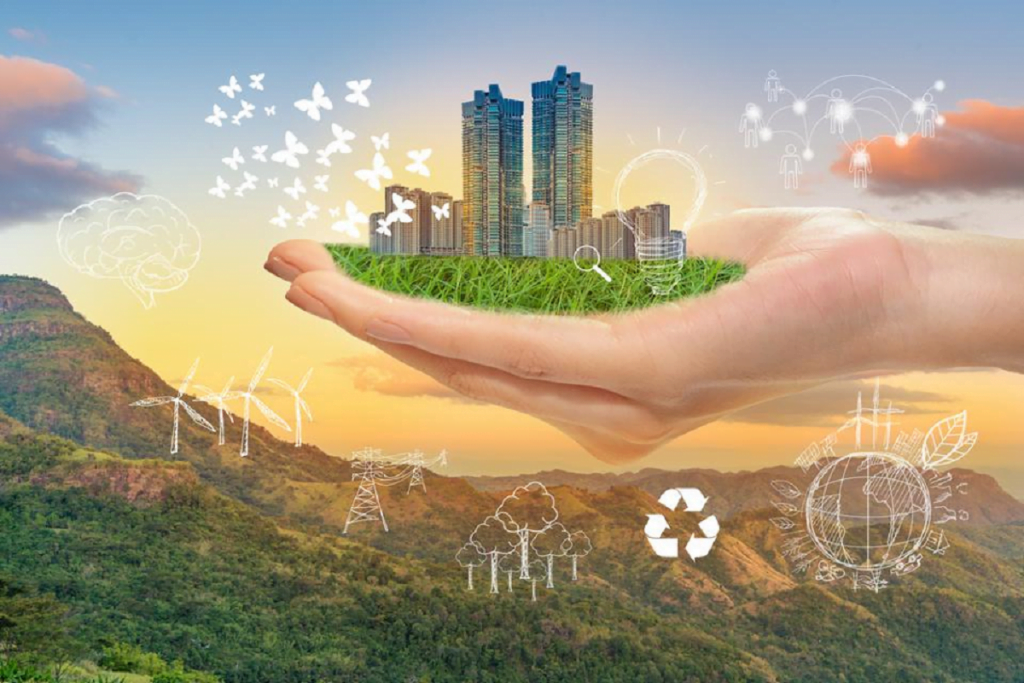
Consequently, sustainable industrial agriculture is a search for balance aiming to protect our planet while ensuring our food security. Moreover, we can only achieve this balance through the joint effort of farmers, consumers, policymakers, and scientists.
Kategoriler