What is Mastitis?

24 Ocak 2026 Çağla Altıntaş 2 görüntülenme
Tüm Yazılar

What is Mastitis?

Mastitis is a health problem frequently seen in milk-producing animals and refers to the inflammation of the udder. It is a disease generally seen in high-yielding dairy cattle and negatively affects milk production. This disease causes a decrease in milk yield, a drop in milk quality, and a reduction in fat ratio. In later periods, along with damage to the udder tissue, a permanent decrease in milk production and even loss of the udder may be experienced. This situation, by decreasing the value of dairy animals, can cause income loss for producers and lead to animals becoming suitable for slaughter. Mastitis is one of the most costly diseases in the dairy cattle sector. Factors such as treatment costs, lost milk production, and resulting udder damage can create significant economic losses for enterprises. Therefore, preventing mastitis and minimizing its effects is of great importance for dairy cattle enterprises. Measures such as ensuring hygienic milking conditions, regular veterinary control, appropriate nutrition, and ensuring animal welfare can help bring mastitis under control and reduce losses in enterprises.

What Causes Mastitis?

Mastitis is transmitted more easily in cases where the animal's natural defense mechanisms are weakened. There can be several reasons for this. Incorrect milking techniques, especially milking processes performed in unhygienic conditions, can cause damage to the teats and increase the risk of infection. Poor housing conditions can also facilitate the spread of mastitis; unsuitable cattle shelters or unhygienic environmental conditions can negatively affect the udder health of animals. Faulty milking systems can increase the risk of mastitis when the cleaning and maintenance of equipment used in milking are neglected. Furthermore, other diseases in the herd can affect the animal's general health, weakening the immune system and facilitating the emergence of mastitis. Incorrect feeding can also cause the weakening of the animal's immune system and thus facilitate the spread of mastitis. For these reasons, it is important to be careful about milking techniques, housing conditions, milking systems, animal health, and feeding. By paying attention to these factors, prevention of mastitis can be aided.

what is mastitis

What are the Symptoms of Mastitis?

Mastitis can be seen in three different forms: acute, subacute, and chronic. Acute mastitis is a severe form of the disease and usually shows distinct symptoms along with the deterioration of the animal's general condition. Udder quarters swell and become hot, hard, painful, and inflamed, while the udder area turns red. Milk may become watery, clotted, purulent, or bloody. Subacute mastitis is a form where inflammation is not distinct and proceeds with milder symptoms. No distinct swelling or redness is seen in the udder tissues, but clots may be found in the milk. Chronic mastitis, on the other hand, can be characterized by the long-term effects of acute or subacute mastitis. In this case, no distinct inflammation is seen in the udder tissue, and there is no visible change in the milk. Recognition of these different types can help determine appropriate treatment and management.

How is Mastitis Transmitted?

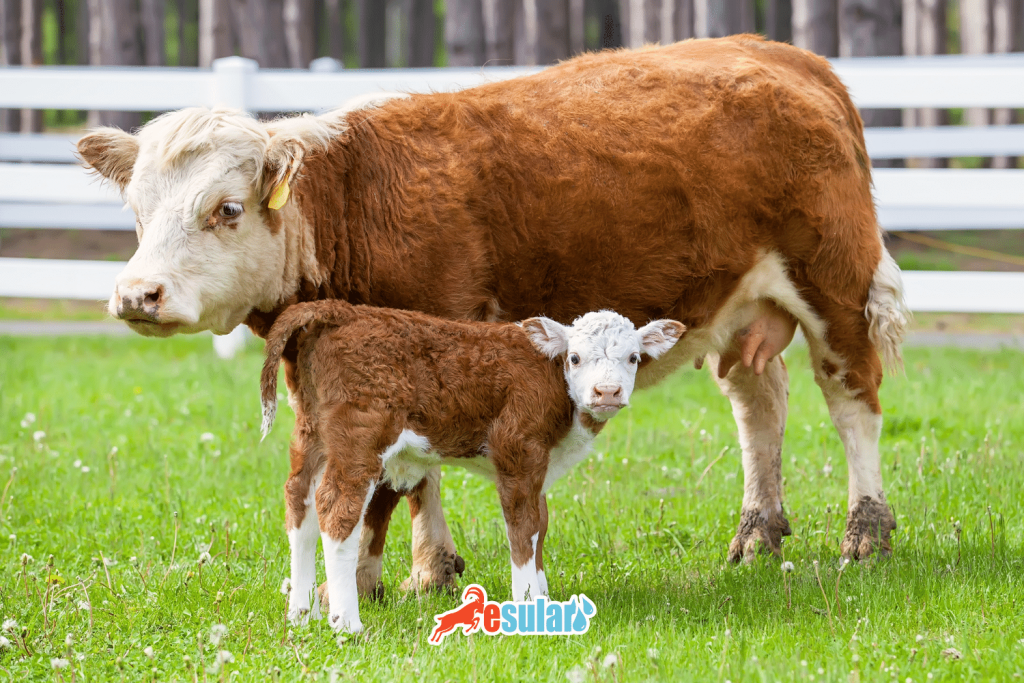
There are various factors effective in the transmission of mastitis from one animal to another. Among these, the lack of hygiene of the milkers and milking machines holds an important place. If the person performing the milking does not clean their hands sufficiently or take appropriate hygienic measures, disease germs can come into contact with the milk and be transmitted to other animals. Similarly, the disease can also be transmitted if milking machines are not regularly cleaned or disinfected. In addition to this, calves also play a role in the spread of mastitis. Calves that drink milk from an infected udder or come into contact with it can carry the disease to other animals. Therefore, preventing milk intake from infected udders and raising calves in hygienic conditions, as well as the rapid detection and isolation of infected animals, is important. By providing a hygienic environment, the risk of the disease spreading can be significantly reduced.

what-is-mastitis

What are the Ways to Protect from Mastitis?

Various measures can be taken to bring mastitis under control. Among these, it is important to give importance to the cleaning of teats before and after milking, to provide hygienic milking conditions, and to perform applications such as pre-dipping and post-dipping. Paying attention to the milking equipment being clean and hygienic helps prevent the spread of the disease. Furthermore, applying antibiotic treatment to animals during their dry periods is an effective method in preventing mastitis. It is also important to rapidly detect animals showing disease symptoms and remove or separate them from the herd. Implementing good farm and herd management also plays a critical role in bringing mastitis under control. All these measures can increase productivity in dairy cattle enterprises and minimize economic losses by preventing the spread of mastitis.

How is Mastitis Treated?

Early diagnosis and treatment of mastitis are extremely important for the animal's health and milk production. Interventions made in the early period can help prevent serious complications such as udder blindness and milk losses. During the treatment process, it is important to regularly empty the animal's udder tissues while fighting the disease. Therefore, while mastitis treatment continues, the animal needs to be milked frequently, usually 5 to 10 times a day. Regularly performed milkings can accelerate the healing process and prevent the blindness of the udder tissue. In this way, negative effects on the animal's health and milk yield can be minimized.

mastitis

Mastitis Medicine

Antibiotics are generally used in mastitis treatment. This helps reduce systemic disorders and infection in the udder. Correct selection of antibiotics is important and this should be determined by an expert veterinarian. In some cases, combined antibiotic use may be recommended. Treatment is generally applied in the form of watery, oily suspensions, or ointments. In subclinical mastitis, intramammary antibiotic application alone may be sufficient. In cases of acute mastitis, additional applications such as washing the udder area with cold water and massaging can also be performed. In chronic mastitis, more intensive drug use may be required. Drug applications are usually repeated every 12 to 24 hours, and the response to treatment is continuously monitored. In cases of persistent mastitis, the method of drying off the infected udder quarter can be pursued. Additionally, protection of the udder tissue against infection can be provided by using a mastitis vaccine.

What is Done with the Milk of a Cow with Mastitis?

Mastitic milk may contain infection and may pose a health risk. For this reason, mastitic milk is usually thrown away or disposed of in an appropriate manner. For the health of humans and animals, it is important that mastitic milk is not consumed and is safely disposed of.

Yorumlar

Daha Fazla İçerik İster misiniz?

Akıllı tarım hakkında en güncel içerikleri takip edin.