Tüm Yazılar
What is Peat Soil?
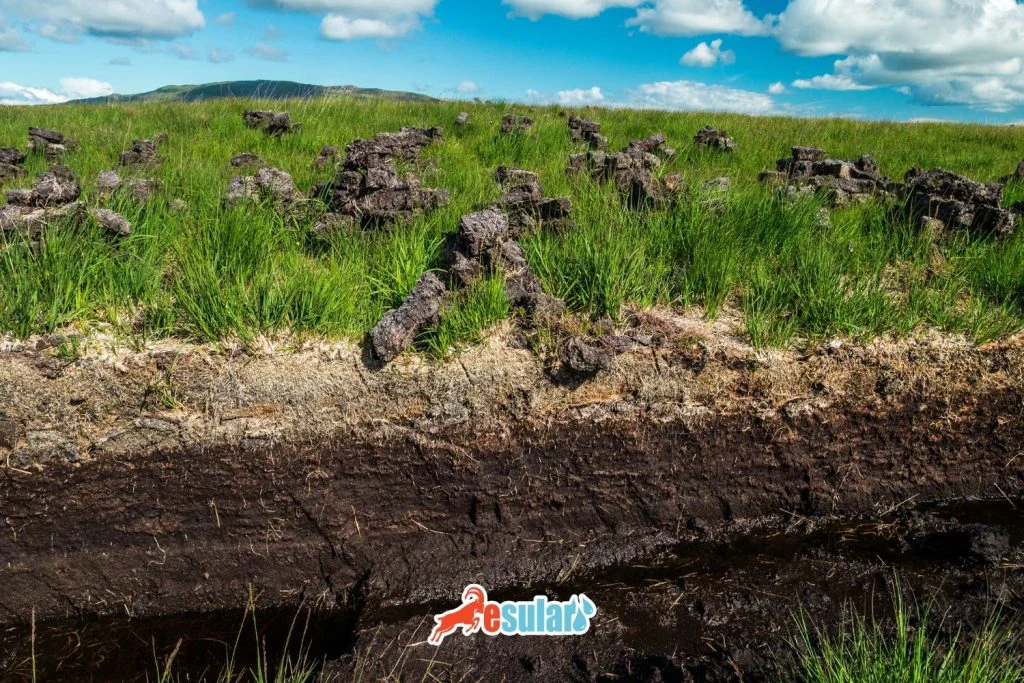
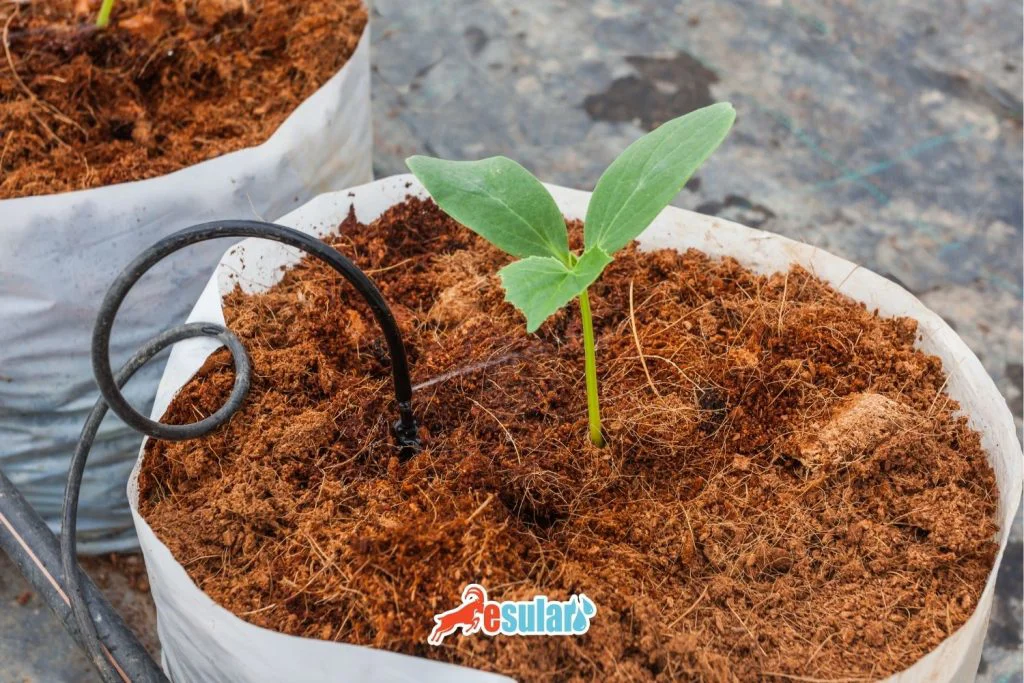
Peat is an ideal soil type for the healthy growth and development of plants. Consisting entirely of organic matter, peat occurs naturally as a result of the decay of plants. This process takes place over years and ensures that peat soil is rich in plant nutrients and has a high water-holding capacity. Peat, which can generally be found in yellow, brown, or black colors, is among the preferred soil types for the healthy development of plants. Peat soil is frequently used in plant cultivation and supports healthy growth by preventing the roots of plants from rotting. Thanks to its water-holding feature, it ensures that the water given to plants remains in the soil for a longer time. Additionally, it is at an ideal level for plants in terms of pH value and helps plant roots reach oxygen more easily thanks to its loose structure.
You can read the rest of our article to learn more about the properties and usage areas of peat soil.
How is Peat Formed?
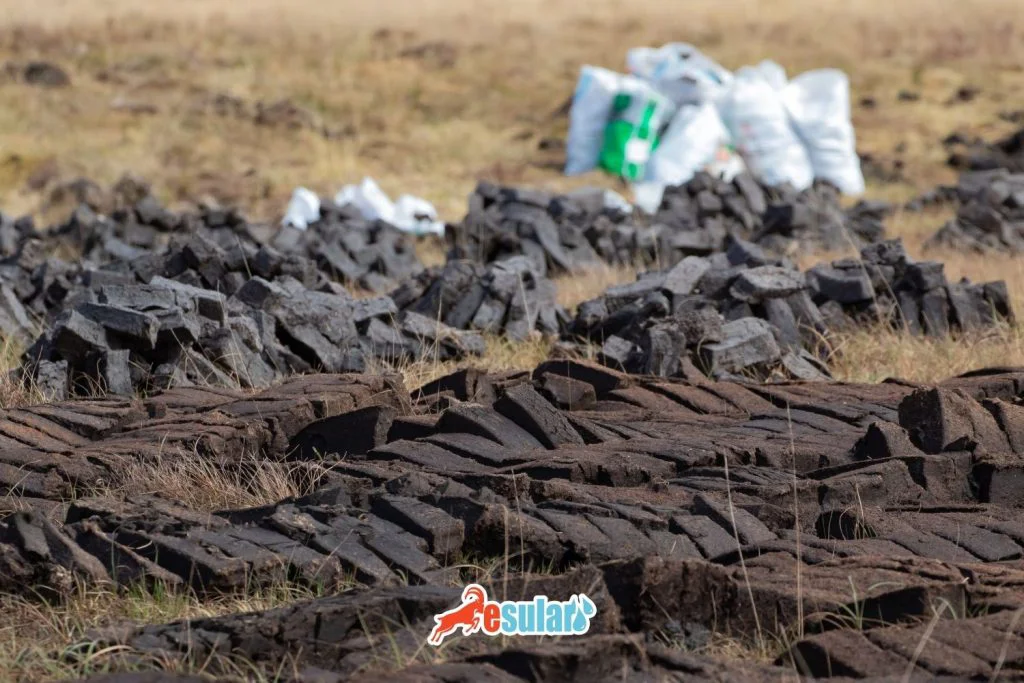
Peat soil is formed as a result of the long-term accumulation of organic matter under water in anaerobic conditions. This process takes place especially in swamps and wetlands. The formation of peat soil goes through several important stages:
Accumulation of Plant Material: Peat soil mostly begins with the accumulation of mosses, aquatic plants, grasses, and other organic materials. These plant materials begin to accumulate on or just below the surface of the water in swamps or wetlands.
Formation of Anaerobic Conditions: When these plant materials remain under water, access to oxygen is limited. The lack of oxygen prevents the plants from decaying completely, thus allowing organic material to accumulate. These anaerobic conditions ensure a slower decomposition of organic matter.
Slow Decomposition Process: Plant materials decompose very slowly under anaerobic conditions. This process can take thousands of years, and during this time, organic matter accumulation continues. Slow decomposition allows peat soil to maintain its high organic matter content.
Stratification: Over time, peat deposits accumulate in layers. Each layer can consist of different plant materials and different time periods. These layers can cause peat soil to have different colors and textures.
Compression and Concentration: Peat soil gains a denser structure by compressing over many years. This process increases the water-holding capacity of the peat and improves its structural properties.
The formation of peat soil in this way explains its features such as water-holding capacity, loose structure, and rich organic content. These features allow peat soil to be widely used in agriculture and gardening.
Properties of Peat Soil
Peat soil is a very valuable material in agriculture and gardening. Having a high water-holding capacity provides constant moisture to the roots of plants, which helps plants stay healthy even in dry periods. Thanks to its loose and light structure, plant roots spread easily and reach oxygen easily, thus supporting plant growth and preventing root rot.
Since peat soil consists entirely of organic matter, it provides nutrients to plants without using chemical fertilizers. Organic matters contribute to the healthier growth of plants by increasing the fertility of the soil. The pH value is generally between 3.5-4.5, which is ideal for plants that like acidic soil. However, for plants that prefer neutral or alkaline soils, it may need to be balanced with pH-adjusting substances.
Thanks to its sterile and clean structure, peat soil helps protect plants from diseases. As it is a slow-decomposing material, it preserves the structure of the soil for a long time and supports plant development by providing continuous nutrients. Additionally, the fact that it does not contain bad odors and weed seeds ensures that plants grow healthier and develop without competing with weeds.
Peat soil, which can provide thermal insulation, protects the roots of plants from cold weather conditions, which supports plant health especially in cold climates and winter months. These properties make peat soil indispensable in many areas such as potted plants, seedling cultivation, mushroom production, and improving the structure of the soil.
What are the Differences Between Peat Soil and Other Soil Types?
- Peat soil consists entirely of organic matter and occurs through the decay of plant residues. Other soil types contain both organic and inorganic substances.
- Peat soil has a high water-holding capacity and maintains moisture for a long time. Other soils, such as sandy soils, pass water quickly and have low moisture-holding capacities.
- Peat soil is generally acidic (pH 3.5-4.5). It is suitable for plants that like acidic soils. Other soil types can be neutral, acidic, or alkaline.
- Peat soil is naturally poor in nutrients, so it is used by mixing with nutritious soils. Other soils naturally contain more minerals and nutrients.
- Peat soil is generally sterile and clean, other soil types may contain diseases and pests.
- The structure of peat soil is loose and light, which allows plant roots to spread easily. Soils such as clay or loam are denser and make it difficult for roots to spread.
- Peat soil is used for potted plants, seedling cultivation, mushroom production, and improving the structure of the soil. Other soils are widely used in agricultural areas and are selected according to plant species.
- Peat soil protects the roots of plants from cold weather conditions. Other soil types do not have this feature and cold weather can cause more damage to the roots of plants.
- Peat soil differs from other soil types with its water-holding capacity, organic structure, and plant health-supporting features, and is preferred in certain agricultural and gardening applications.
How to Recognize Quality Peat?
Determining quality peat soil plays a critical role in choosing the right soil for the healthy growth of your plants. Here are the factors you should consider in determining quality peat soil:
- The color of quality peat soil is generally light brown, brown, or dark brown. Peat in yellow, orange, or very dark colors may be of low quality and can negatively affect plant health.
- When you wet and squeeze the peat soil, the water should flow in a clear color. Water taking on a cloudy or dirty color may indicate that there are undesirable substances in the soil.
- Quality peat soil should quickly return to its former shape when you squeeze it with your hand. The texture of the peat should be loose and fibrous; the soil should not be sticky or dense.
- Plant parts should be clearly visible within the peat. These parts indicate the quality and natural origin of the peat.
- The pH value of quality peat soil should be appropriate for the plant species. Most peat is in a slightly acidic pH range (pH 3.5-4.5). This value should be verified with pH tests.
- When you squeeze the peat soil, the soil should not flow through your fingers like slurry. This shows that the peat can absorb and store water well and maintains its quality.
- Quality peat soil should have a natural, earthy smell. Excessive chemical or sour smells may indicate that the peat is of poor quality.
By evaluating these properties of quality peat soil, you can provide a healthy and productive environment suitable for the needs of your plants.
Kategoriler
Etiketler