Tüm Yazılar

What is Pesticide?

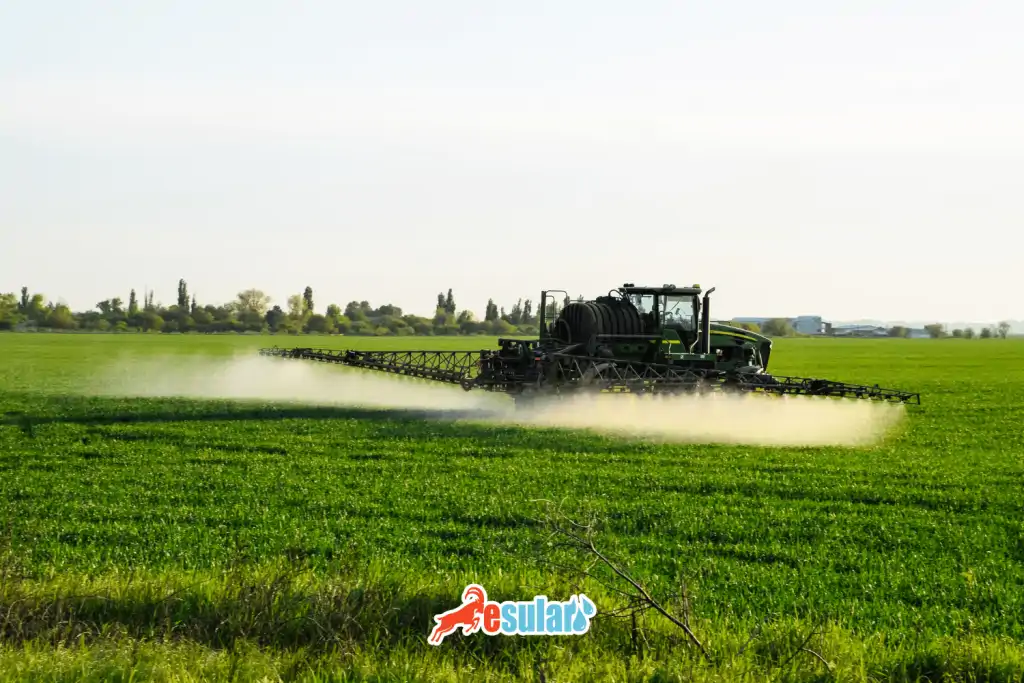
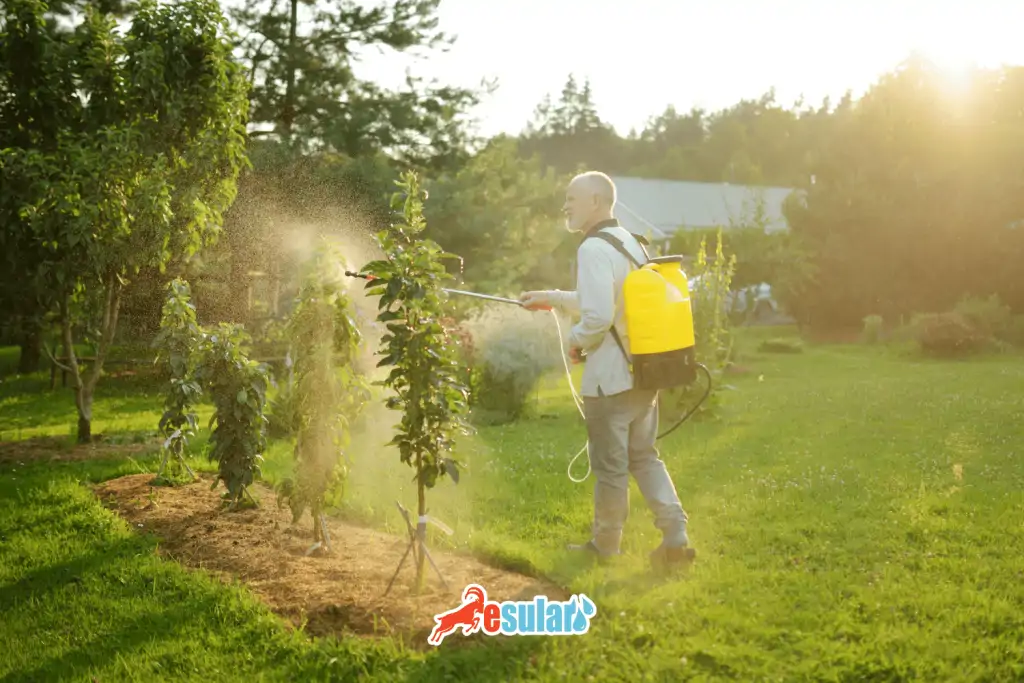
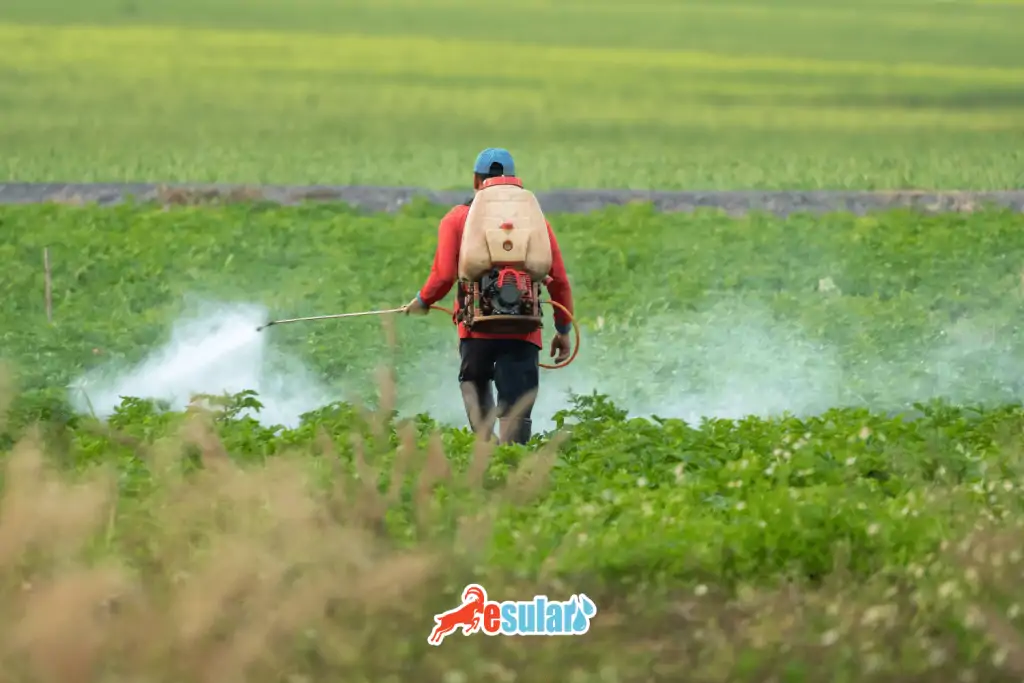
Pesticides are chemical substances used for the purpose of controlling harmful organisms (insects, fungi, weeds, rodents, microbes, etc.). These chemical substances are used in the fields of agriculture, horticulture, and public health to increase the yield and quality of agricultural products, to combat diseases, to kill pests, or to prevent their reproductive abilities. There are various types of pesticides and they may take different names according to their areas of use. For example, while insecticides are used to control insects, herbicides are used to control weeds. While fungicides are used to combat fungal diseases, rodenticides are used to control rodents. The use of pesticides can increase agricultural production and help bring harmful organisms under control, but when used incorrectly, they can harm the environment and human health. Therefore, it is important to use pesticides in a conscious and controlled manner.

What is a Pest?

“Pest” is a term generally used to express harmful organisms or vermin. In agricultural fields, it is used for organisms that are harmful to plant cultivation such as harmful insects, disease-carrying insects, rodents, and weeds. These organisms can reduce yield or rot products by damaging agricultural products. The term “pest” is the origin of the name “pesticide,” which are the chemical substances used to combat harmful organisms. Therefore, the term “pest” is widely used to refer to harmful organisms in agriculture or gardening.

pestisit-ne-icin-kullanilir

What are the Types of Pesticides?

Pesticide is used in the control of harmful organisms (insects, fungi, weeds, rodents, microbes, etc.). These substances are used for the control of harmful organisms in agriculture, horticulture, public health, and industrial areas. Pesticides are generally divided into different types according to their intended use and target organisms. Here are some pesticide types:

  • Insecticides: Pesticides used to control insects. They can target insect larvae, nymphs, or adults.

  • Herbicides: Pesticides used to control weeds. They are used for the purpose of preventing the growth of or destroying unwanted plants in agricultural lands.

  • Fungicides: Pesticides used to control fungal diseases. They are used to prevent or treat fungal diseases seen in agricultural products.

  • Acaricides (Miticides): Pesticides used to control mites. They can target mite species found on plants, in homes, or on animals.

  • Rodenticides: Pesticides used to control rodents. They are used for the control of rodents such as mice and rats.

  • Nematicides: Pesticides used to control nematodes. They target nematode organisms that live in the soil and harm plants.

  • Bactericides: Pesticides used to control bacteria. They can be used to prevent or treat bacterial diseases.

  • Algaecides: Pesticides used to control algae. They are used to control unwanted algae growth in water or other environments.

These pesticide types are used to control a specific harmful organism or to find a solution to a specific problem. However, each type of pesticide has different effects and usage guidelines; therefore, conscious and controlled use is important.

pestisit-kullanimi

What are the Harms of Pesticides?

The use of pesticides can provide many benefits in terms of economy and health. However, the incorrect use or misuse of pesticides can cause serious harm. These harms are as follows;

  • Health Risks: Pesticides have many harms to human health. Exposure to pesticides can cause acute or chronic poisonings, respiratory problems, skin irritation, hormone imbalances, neurological problems, and even cancer.
  • Environmental Effects: The leakage of pesticides from agricultural areas causes soil and water pollution. This affects natural life, polluting water resources and disrupting the ecosystem balance. 

  • Decrease in Biodiversity: Just as pesticides are used to control pests, they can also affect beneficial organisms. This can cause the death or population decline of beneficial insects, birds, fish, and other living things. This can lead to imbalances in agricultural ecosystems.

  • Food Contamination: With the application of pesticides to agricultural products, they can leave residues in foods. This can increase the risk of exposure to pesticide residues in consumed foods. Long-term exposure can cause health problems.

  • Development of Resistance: Continuous pesticide use can cause pests to develop resistance to these chemicals. This can increase the need for stronger and more effective pesticides, which in turn can increase environmental and health risks.

  • Economic Costs: The harms of pesticides can cause farmers to experience product losses. Additionally, additional costs may be required to correct the environmental and health effects of pesticide use.

For these reasons, it is important to use pesticides carefully and to prefer alternative methods. Additionally, it is also important to comply with regulations and safe application practices regarding the use of pesticides.

pestisit-nedir

In Which Products are Pesticides More Common?

In Turkey, many foods such as strawberries, spinach, kale, nectarines, apples, grapes, cherries, peaches, pears, tomatoes, potatoes, bell peppers, and cucumbers are frequently exposed to pesticide residues. Since these foods are grown in agricultural areas where pesticide use is intensive, they may contain high levels of pesticides. However, some foods contain fewer pesticides than others. These are generally shelled fruits and vegetables. For example, products such as avocado, corn, pineapple, onion, papaya, eggplant, asparagus, kiwi, cabbage, broccoli, melon, sweet potato, and peas contain fewer pesticide residues. Even if organic farming is practiced, pesticides can contaminate even organic products due to pesticide use in the surrounding area. Therefore, even producers practicing organic farming may need to take necessary precautions to prevent pesticide contamination and regularly subject their products to residue analysis. Pesticide residue analyses are performed to determine the level of pesticide residues in foods. 

Kategoriler

Yorumlar

Daha Fazla İçerik İster misiniz?

Akıllı tarım hakkında en güncel içerikleri takip edin.