Tüm Yazılar

What is Plantation Farming?
Plantation farming refers to large-scale agricultural production usually carried out for commercial purposes. This farming method is generally applied on large lands in tropical or subtropical regions and usually focuses on the cultivation of a single type of plant or crop. For example, plants with high commercial value such as coffee, tea, rubber, and palm oil are commonly grown in plantations. Plantations often have lands of thousands of decares or hectares and optimize production using modern agricultural techniques, machinery, and chemical fertilizers. Products are generally produced for export purposes and sold in international markets. However, large-scale production and intensive use of natural resources can lead to some environmental impacts; therefore, sustainability measures and environmental protection precautions are important in plantation management.
What are the Characteristics of Plantation Farming?
The characteristics of plantation farming are as follows:
Large-Scale Production: It is large-scale agricultural production generally carried out on lands of thousands of decares or hectares.
Single-Type Crop Cultivation: It is a farming method where usually a single plant species or a specific crop group is intensively grown. For example, commercial plants such as coffee, tea, and rubber are grown in plantations.
Commercial Production: Products are generally produced for commercial markets and exported extensively.
Modern Agricultural Techniques: Plantations generally use technological innovations such as modern agricultural machinery, irrigation systems, and chemical fertilizers.
Labor Intensity: It requires a large amount of labor for the management of extensive lands.
Environmental Impacts: It involves intensive use of natural resources and large-scale agricultural activities that can sometimes cause environmental impacts.
Sustainability Challenges: Measures may need to be taken to manage environmental impacts and ensure sustainable farming practices.
Plantation farming is generally more common in tropical or subtropical regions and aims to provide high profitability for commercial purposes.
What is Grown in Plantation Farming?
Plantation farming generally refers to large-scale agricultural production and is mostly carried out for the foreign market. This farming method is applied on extensive lands usually in a monoculture style, meaning a single plant species or crop group is intensively cultivated. Here are the details of some products frequently grown in plantations:
Coffee: Grown especially in tropical regions. Coffee plantations are generally concentrated in countries like Brazil and Colombia.
Cocoa: Also grown in tropical climates, cocoa is an important raw material for the chocolate industry. Large cocoa plantations are found in West Africa and South America.
Coconut: Grown in tropical coastal regions, especially in Asia and the Pacific islands. It is produced for both the domestic market and export.
Citrus Fruits: Citrus fruits such as lemon, orange, and mandarin are grown in large plantations in Mediterranean climates and other warm regions.
Cassava: Grown as a staple food in tropical regions. Its roots contain starch and are used in different dishes.
Banana: A typical product of tropical climates, bananas are grown in large plantations and consumed worldwide.
Tea: Large tea plantations are found especially in Asia (for example, India, China, Sri Lanka). It is produced for both the domestic market and export.
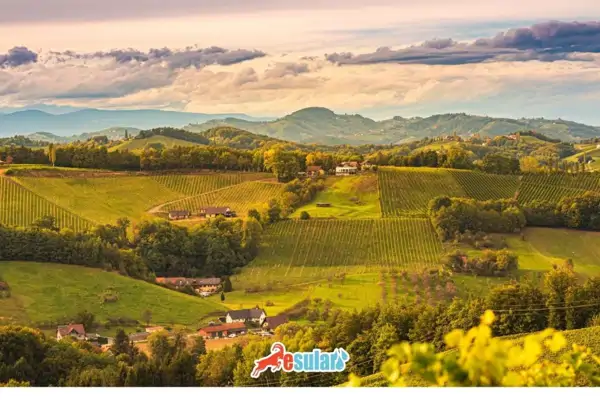
Vineyards: Grape cultivation is an agricultural activity carried out on large plantations, especially for the wine industry. It is common in regions such as Europe, America, and Australia.
Lavender: Lavender is widely grown especially in Southern Europe and Mediterranean climate regions. It is used in the cosmetics and aromatherapy industries.
Most of these plants are perennial plants and require long-term cultivation cycles. Plantation farming is generally a farming method where these plants are produced on a large scale for commercial purposes.
Where is Plantation Farming Applied in Turkey?
Plantation farming in Turkey is generally carried out on large farms specifically planned and managed for certain products. This type of farming is usually performed on scales managed by family businesses or the private sector. Turkey's climate and geography allow some regions to provide suitable conditions specifically for this farming method.
Here are some examples of plantation farming commonly seen in Turkey:
Olive: Turkey holds an important position globally in olive and olive oil production. Olive plantations are generally concentrated in the Marmara, Aegean, and Mediterranean regions.
Tea: Turkey meets an important part of world tea production and also produces tea for domestic consumption. Tea plantations are common especially in the Black Sea Region, particularly in the provinces of Trabzon, Artvin, and Rize.
Fig: The Aegean Region provides an important part of world fig production. Fig plantations are found intensively in this region.
Hazelnut: Turkey is a leader in world hazelnut production, and hazelnut plantations are common across wide areas especially in the Black Sea Region.
Citrus: Turkey has an important place in the production of citrus fruits such as mandarin, orange, grapefruit, and lemon. Citrus plantations are generally found in the Mediterranean and Aegean regions.
Cotton: Turkey is an important player in world cotton production, and cotton plantations are found especially in the Çukurova, Southeastern Anatolia, and Aegean regions.
These examples are commonly seen instances of plantation farming in Turkey. Each is grown in specific climate and soil conditions, and production is generally carried out on a large scale for commercial purposes. The natural conditions and agricultural tradition of each region are effective in growing certain plant species, which demonstrates Turkey's agricultural diversity and production potential.
Benefits of Plantation Farming
Plantation farming has many benefits:
Efficiency: Plantation farming carried out on a large scale provides high efficiency by using modern agricultural techniques and equipment. This reduces labor costs thanks to operations performed with machinery on extensive lands.
Commercial Focus: Plantations are generally established for commercial purposes, and a single product type is intensively grown on wide lands. This provides an advantage for marketing and export.
Contribution to Export and Economy: Plantations generally produce for export. This provides foreign currency inflow to the country's economy and creates a stable source of income in the agricultural sector.
Technology Use: The widespread use of technologies such as modern agricultural machinery, irrigation systems, and fertilization techniques increases efficiency and offers farmers the opportunity to practice more sustainable agriculture.
Working Conditions and Training: Plantations generally offer stable job opportunities for workers operating under professional management.
Effective Use of Natural Resources: Since plantations are structured in a planned manner over large lands, they can help in using natural resources such as water and soil more effectively. This is important in terms of environmental sustainability.
Local Economy and Social Development: Plantations generally contribute to the local economy and encourage regional development. They provide stable employment in the agricultural sector and can increase the welfare of local communities.
Product Quality and Standards: Plantations generally produce according to certain standards, which increases product quality. Well-managed plantations provide assurance to consumers regarding the reliability and quality of the products.
These benefits show the importance of plantation farming from economic, social, and environmental perspectives. However, sustainable farming practices and management strategies are important to minimize the environmental impacts of large-scale agriculture.
Kategoriler
Etiketler