What is Potassium Fertilizer?

24 Ocak 2026 Çağla Altıntaş 2 görüntülenme
Tüm Yazılar

What is Potassium Fertilizer?

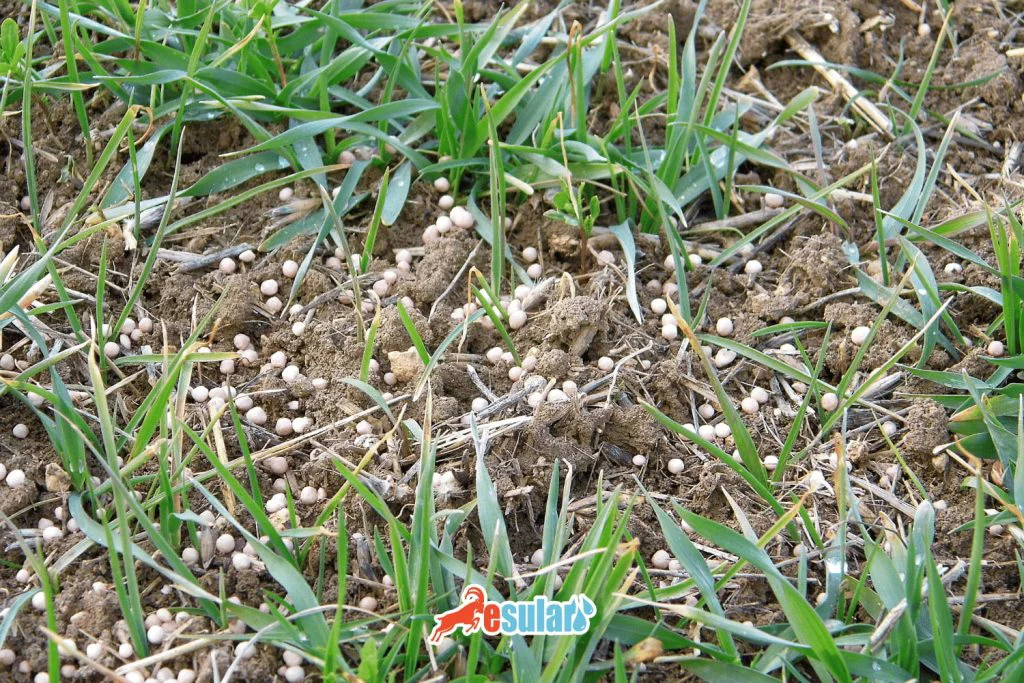
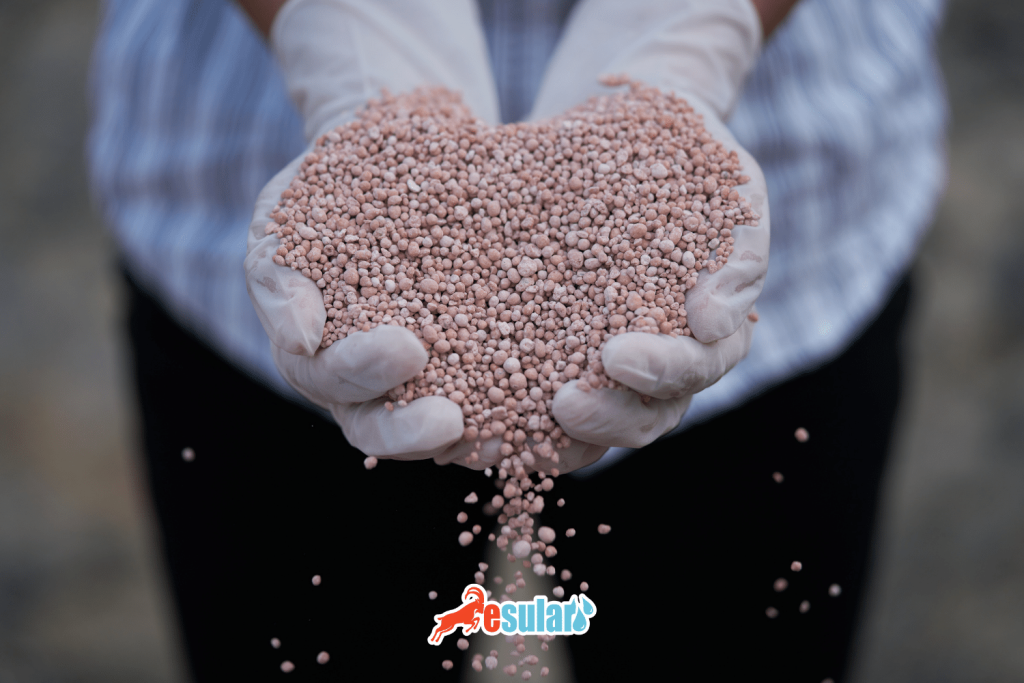
Potassium fertilizer is a type of fertilizer that provides potassium, an important mineral required for the growth and development of plants. Plants use potassium in water balancing, nutrient uptake, and metabolic processes. Potassium fertilizer increases the water-holding capacity of plants, increases their resistance to drought stress, and improves the quality of plant tissue. Additionally, it supports root development and increases the resistance of plants against diseases and pests. Potassium fertilizer has varieties such as potassium sulfate, potassium nitrate, and potassium chloride, which are suitable for different types of plants. Depending on the needs of the plants and soil conditions, potassium fertilizer can be applied in different methods and amounts. Consequently, potassium fertilizer supports agricultural production by ensuring healthy plant growth and efficient crop yields.

Where is Potassium Fertilizer Used?

One of the common areas where potassium fertilizer is used is fruits and vegetables. Especially pome fruits benefit greatly from this fertilizer due to their need for potassium. Fruits such as peaches, apricots, and cherries can be larger, fuller, and tastier when supported with potassium fertilizer. Similarly, the use of potassium fertilizer in vegetables is frequently preferred before planting, during flowering, and during fruit ripening periods. Potassium fertilizer also plays an important role in viticulture. When used in vineyards, it increases fruit quality, the durability of the vines, and productivity. Other uses in agricultural areas include cotton fields, olive groves, hazelnut orchards, tea fields, and pistachio fields. However, it is important to use potassium fertilizer in the right amounts and at the right time. Therefore, soil analysis and plant needs must be taken into account.

types-of-potassium-fertilizer

What are the Types of Potassium Fertilizer?

Potassium fertilizers contain the potassium element necessary for the growth, development, and healthy yielding of plants. Here are some common types of potassium fertilizer:

  • Potassium Sulfate (K2SO4): Potassium sulfate, which has a white crystalline structure and is water-soluble, is an excellent source of potassium for plants. Potassium deficiency is frequently seen especially in regions with high rainfall and in sandy soils. Potassium sulfate increases the plant's resistance to drought, cold, and heat caused by seasonal conditions.

  • Potassium Nitrate (KNO3): This fertilizer, which does not contain sodium and chlorine, contains a high rate of potassium and can be used safely in all plants. Potassium nitrate can be applied to the soil and foliarly to plants before growth or during the growth season. It ensures that fruits are large, full, and firm, and helps increase protein, sugar, aroma, and vitamins in the product.

  • Potassium Chloride (KCl): Potassium chloride, one of the fertilizers with the highest potassium content, is water-soluble. It increases the photosynthesis process and contributes to yield increase. However, it can be used in all plants except for chlorine-sensitive plants such as tobacco and potatoes.

These varieties are preferred according to the needs of the plants and soil conditions. When deciding which potassium fertilizer to use, soil analysis results, plant type, and growing conditions should be taken into account.

What Does Potassium Fertilizer Do?

Potassium fertilizer ensures healthy growth and efficient yielding of plants by providing the potassium element, which plays an important role in plant metabolism. Here are the important functions of potassium fertilizer:

  • Potassium activates enzyme reactions in plants, ensures protein synthesis, and regulates starch and sugar formation. In this way, it helps plants fulfill their basic functions.

  • It ensures that plants use water more effectively. This feature increases the resistance of plants especially during drought periods.

  • It ensures that plant cells are strong and resilient. By thickening cell walls, it increases the resistance of plants against diseases and pests.

  • Potassium is especially important for the root development of young plants. Plants with a strong root system can take up more water and nutrients from the soil.

  • Potassium fertilizer increases the quality of fruit and vegetables. It provides positive effects on the size, fullness, aroma, color, and taste of fruits.

  • It ensures that plants are more resistant to stress conditions. It increases the durability of plants in drought, cold, or hot weather conditions.

Potassium fertilizers are an important source of nutrients for plants to grow healthily and yield productively. For this reason, the use of potassium fertilizer is widely preferred in agricultural production.

what-is-potassium-fertilizer

Which Fertilizer Has the Most Potassium?

Potassium Chloride (KCl) is the richest fertilizer in terms of potassium and is an important source of nutrients for the development of plants. The potassium ratio in its content is quite high and is over 50%. With this feature, it is an effective option to meet the potassium needed by plants.

How to Detect Potassium Deficiency in Plants?

Symptoms of potassium deficiency in plants usually begin in the leaves and negatively affect the overall growth and yield of the plant. The symptoms of potassium deficiency are as follows:

  • Yellowing in Leaves (Chlorosis): Potassium deficiency usually begins as yellowing at the edges and tips of the leaves.

  • Spotting and Necrosis in Leaves: Spots or necrosis (dead tissue) may occur on the leaves of plants with potassium deficiency. 

  • Shrinking and Curling in Leaves: In plants with potassium deficiency, leaves may be smaller than normal and may curl towards the edges.

  • Flower and Fruit Drop: Potassium deficiency can increase flower and fruit drop in plants. This situation negatively affects the fruit yield and quality of the plant.

  • General Growth and Development Retardation: Plants with potassium deficiency generally show general growth and development retardation.

  • Problems in Root Development: Potassium deficiency can negatively affect the root development of plants. Roots may be weak and short, which limits the plant's water and nutrient uptake.

Recognizing the symptoms of potassium deficiency in plants and intervening early is important to ensure the healthy growth and productive development of the plant.

Yorumlar

Daha Fazla İçerik İster misiniz?

Akıllı tarım hakkında en güncel içerikleri takip edin.