What is Potassium Nitrate? What Does It Do?
Potassium nitrate (KNO₃) is a compound containing the elements K, N, and O in its chemical formula. Therefore, it is a salt formed by the combination of potassium, nitrogen, and oxygen atoms. This compound is a chemical commonly used in fertilizer production, explosive material production, and the food industry. In this article, we will talk about its use as a fertilizer.
What is Potassium Nitrate?
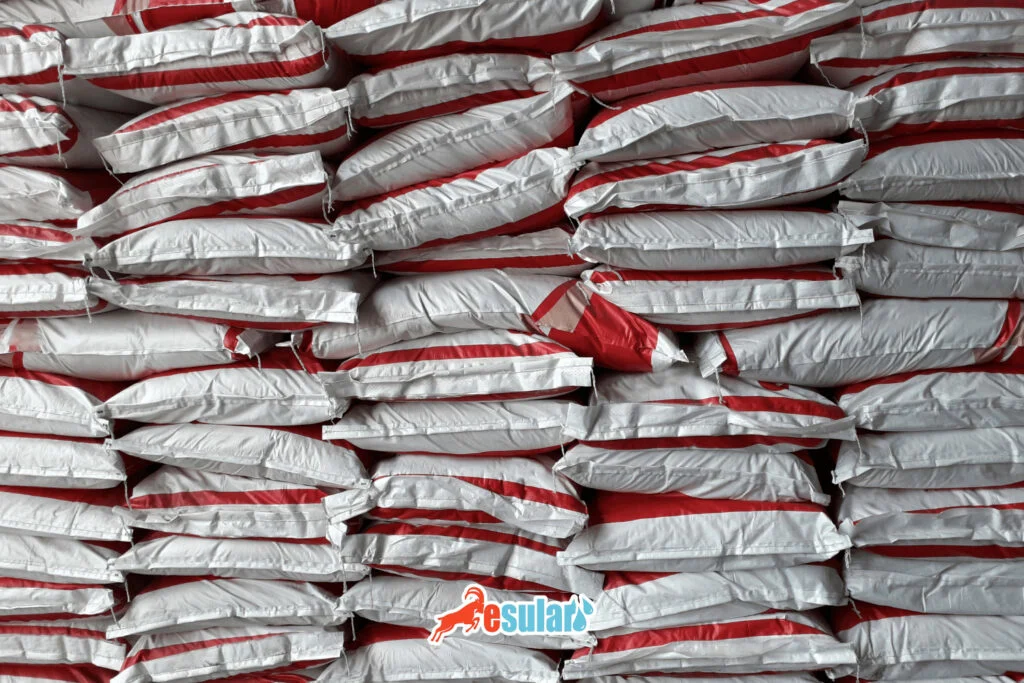
Potassium nitrate (13-0-46) is a fertilizer that contains two critical nutrients for plants and is effective in increasing yield and quality. This compound contains the elements potassium, nitrogen, and oxygen. Potassium nitrate is a versatile chemical substance generally used as a fertilizer, a preservative in the food industry, for ignition purposes, and in some treatments in medicine. When used as a fertilizer, potassium nitrate provides potassium, which is an important nutrient for plants, and nitrogen, which promotes the growth and development of plants.
Where is Potassium Nitrate Fertilizer Used?
Potassium nitrate fertilizer has a wide application area in the agricultural sector. It is an ideal option especially for plants with high potassium and nitrogen needs. In addition to vegetables such as tomatoes, potatoes, and peppers, it is also effectively used in grain and cereal products such as wheat, barley, and corn. The use of potassium nitrate fertilizer in vineyards and citrus cultivation also positively affects the yield by increasing product quality. At the same time, this fertilizer is preferred for garden plants, flowers, and ornamental plants, contributing to the healthy and vibrant growth of plants.
What are the Benefits of Potassium Nitrate Fertilizer?
Potassium nitrate fertilizer is a very preferred and important type of fertilizer in the agricultural sector because there are many advantages to using this fertilizer. Some of these are;
- Thanks to the potassium it contains, it promotes the general growth and development of plants.
- Potassium regulates the water balance in plants and strengthens the cell structure, so plants become more resistant.
- In addition, it supports photosynthesis by increasing the greenery of plants with its nitrogen content, which increases productivity.
- Another advantage is that it increases the plants' ability to cope with stress. Especially in stress conditions such as drought or salinity, the resistance of plants increases.
- This fertilizer also improves the fruit and flower formation processes of plants, thus increasing product quality.
- It is used especially in the nutrition of plants with high potassium and nitrogen needs. In this way, it increases productivity in agricultural areas, contributes to the healthy growth of plants, and high-quality products are obtained.
How to Use Potassium Nitrate Fertilizer?
- The correct use of fertilizers is important to obtain optimal results. The fertilizer is generally applied by following these steps:
- First, soil analysis should be performed. This analysis allows us to know how much and in what ratios the fertilizer should be applied.
- Fertilizer should generally be applied before the plant growth period begins or during the period when plants need it most.
- It can be applied directly to the soil or dissolved in water and given to plants through irrigation. This allows for faster absorption by the plant roots.
- To prevent burning of plants, direct contact of the fertilizer with plants should be avoided during application.
- The reaction of plants should be observed after application, and the dosage or frequency of application should be adjusted when necessary.
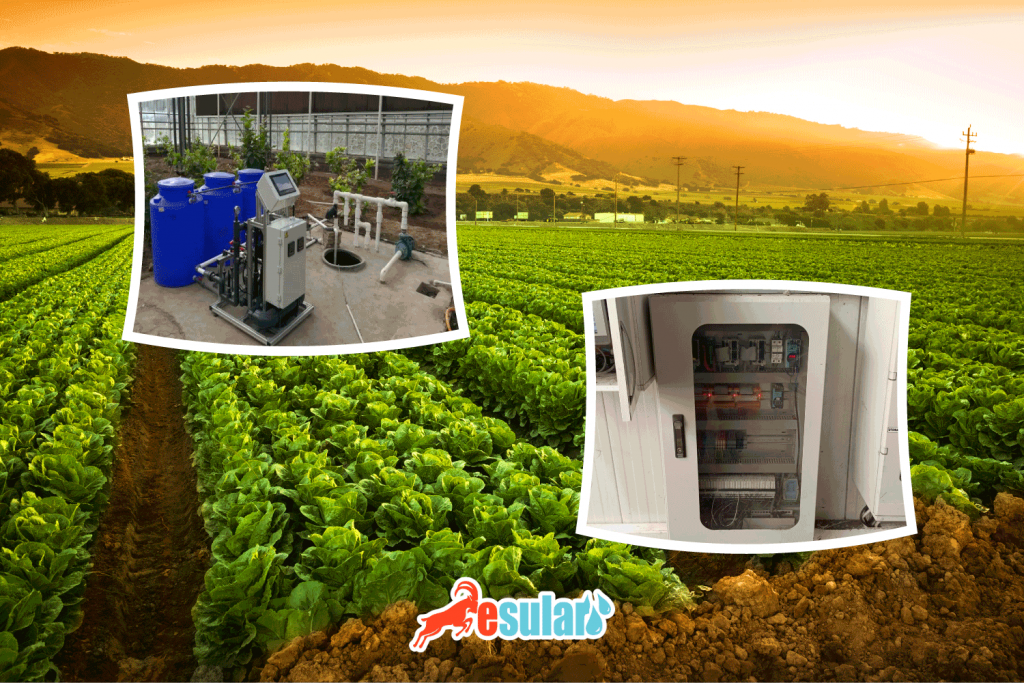
Therefore, when fertilizer is used in the correct dosage, time, and amount, it supports the healthy growth of plants and increases productivity. If you want to save both water and fertilizer with correct dosing, you can take a look at our https://esular.com/gubreleme-ve-sulama-otomasyonu article and call us for more detailed information.
When is Potassium Nitrate Fertilizer Applied?
The effective use of potassium nitrate fertilizer is determined according to the growth periods and characteristics of plant species. For example, for vegetables such as tomatoes, peppers, eggplant, melons, watermelons, and squash, the most suitable time is the 15-20 day process from the period when fruits start to grow until before harvest. Legumes such as beans, chickpeas, and lentils can also receive fertilizer within the same period.
Strawberry and banana plants can benefit after fruit set has started. Fruit trees such as cherries, sour cherries, peaches, apricots, apples, pears, quinces, and olives can also benefit from potassium nitrate fertilizer in the best way during the same period. The most suitable time for fertilization in corn and sunflower plants starts from the period when the plant height is 40-50 cm. For root vegetables such as potatoes, sugar beets, and carrots, the fertilization period continues from the period when the tubers start to swell until harvest time. The best fertilization time for wheat, barley, and rye plants is the process from the jointing stage to the milk stage. For the cotton plant, it includes a period continuing from the beginning of square formation until harvest time.

Yorumlar