Tüm Yazılar

What is the Sapling Root Borer?

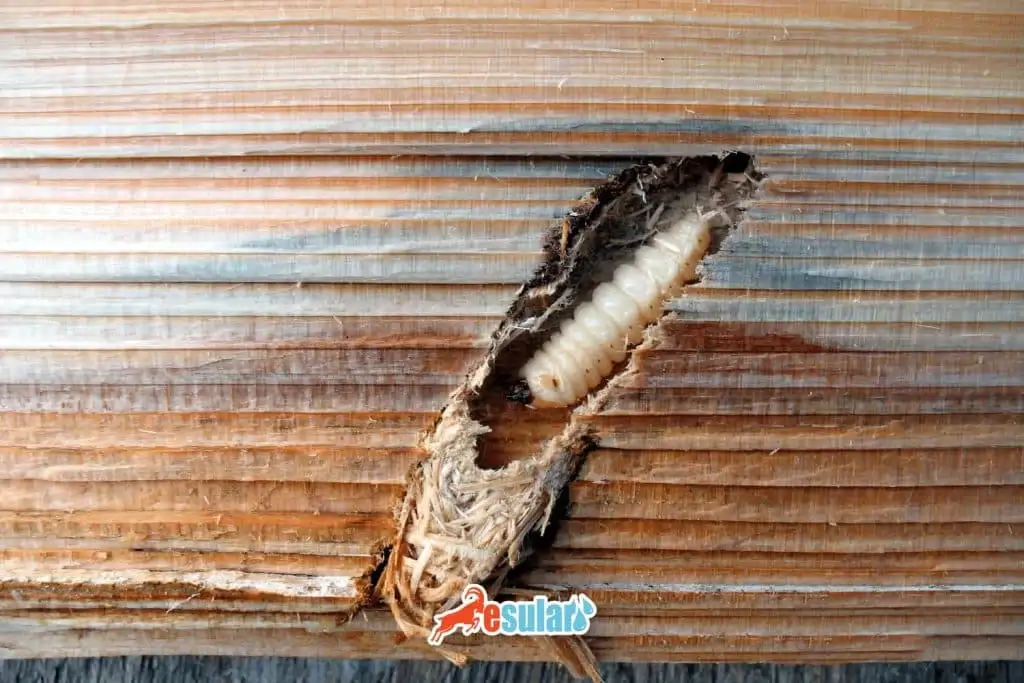
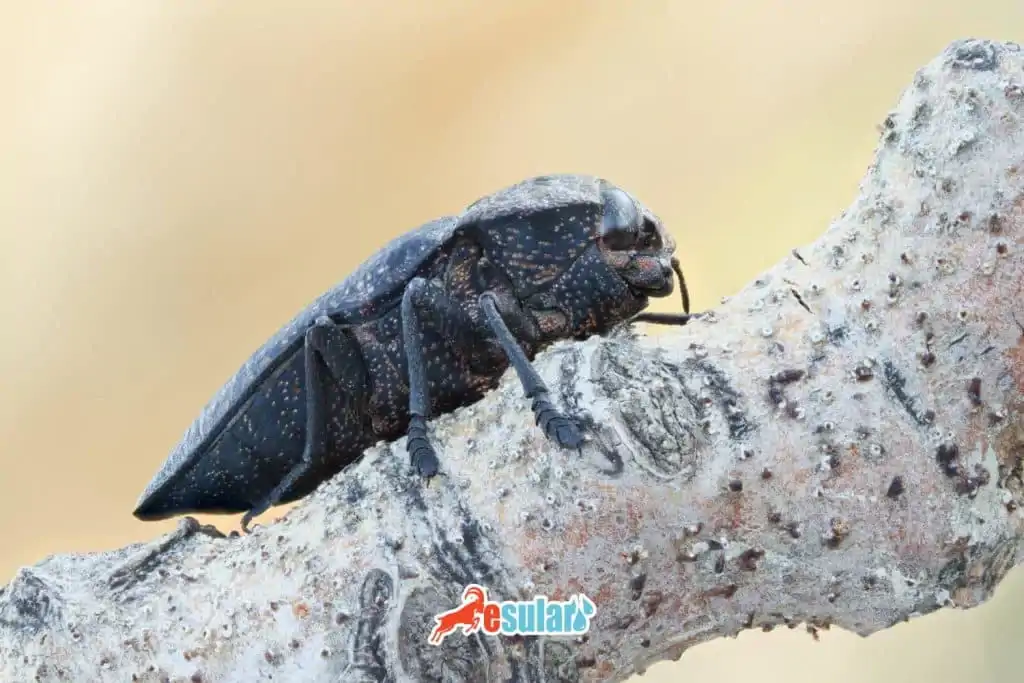
The sapling root borer (Capnodis spp.), scientifically known as Capnodis, causes serious damage especially to stone fruit trees. It is an insect species more frequently seen in fruit trees such as almond, pistachio, apricot, plum, and peach. In Turkish, it is also called “fidan dip kurdu.” However, this insect harms the roots of mature trees more than the saplings. The larvae of the sapling root borer open galleries under the tree roots and fill these areas with waste and sawdust. These larvae feed by chewing the cambium layer, which prevents the tree from taking nutrients from the soil. As a result, the growth of the trees slows down and over time causes them to dry out completely and die. Detection of this pest is difficult because the larvae live underground. 

Damages of the Sapling Root Borer

The Sapling Root Borer is a harmful insect that poses a serious threat to fruit orchards. It is commonly encountered especially in fruit trees such as Pistachio, Cherry, Apricot, Plum, Peach, Almond, and Apple. When the pest settles in the tree root, it prevents the plant's nutrient and water intake by eating the roots. This situation causes the trees to weaken, a decrease in growth and yield, and even the complete drying of the trees over time. Detection of the damage is difficult. Because the pest lives underground and does not have obvious external effects. However, it is understood from the swollen, dark-colored, and outwardly bulging barks of the roots in damaged trees. Additionally, the pest can be recognized by the traces of excrement and sawdust in the roots. The fact that the pest lives underground makes chemical control methods difficult and reduces their effectiveness. The pest is active throughout the year, including the harvest period. For this reason, chemical control methods may not be sufficient. Therefore, it requires farmers to be in a constant struggle.

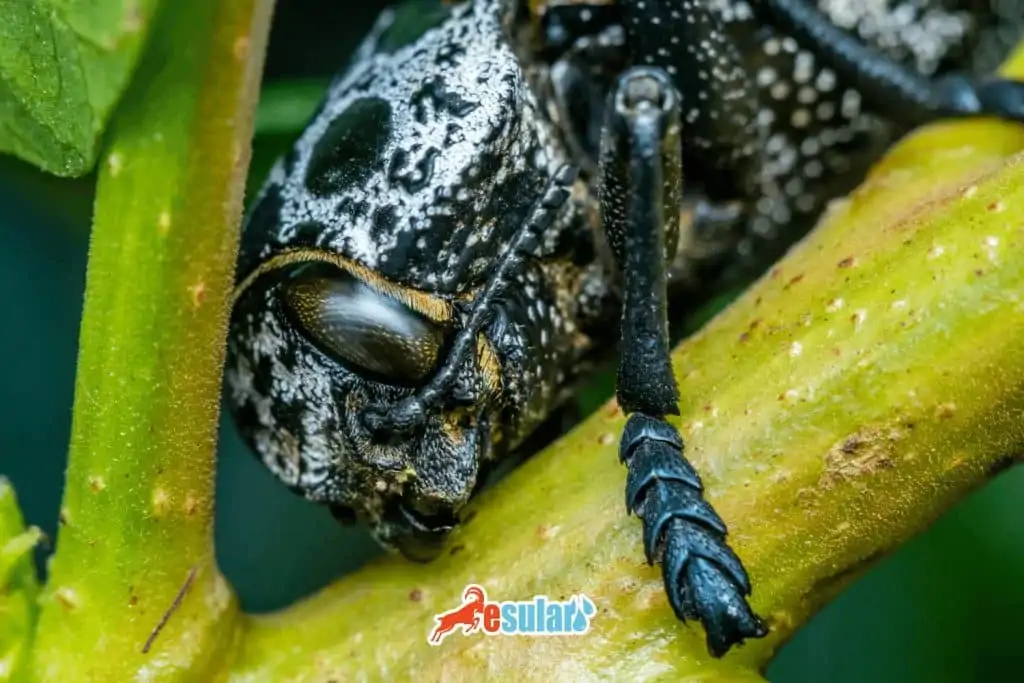
dip-kurdu

How to Detect the Sapling Root Borer?

Early detection is very important for an effective struggle against the damages of the Root Borer. Therefore, you should always be cautious against pests. The first step to detect the pest is the observation of the plants in the fruit orchard. If symptoms of yellowing, wilting, or drying are noticed in the plants, this may indicate a problem related to the pest. Roots that are swollen, dark-colored, and bulging compared to healthy roots can indicate the presence of the pest. Additionally, the excrement and sawdust found in the tree roots are also a sign for detection. If an abnormal slowing or stagnation in the growth and development of the plant is observed, this can also confirm the presence of the pest. If one is not sure about the detection or if the pest cannot be effectively controlled, it is important to get professional help from an agricultural expert or an agricultural engineer. Early detection ensures that the struggle against the pest is more effective and successful, which is very important for the productivity and health of the fruit orchard.

fidan-dip-kurdu-larvasi

How to Eradicate the Sapling Root Borer?

This pest harms the plant tissue especially by attacking the root fringes. Therefore, it negatively affects the health and productivity of the trees. The settlement of the pest inside the root makes the struggle with chemical pesticides difficult. In the struggle, biological methods, especially products like Capsanem that are harmless to nature and effective, should be preferred. Capsanem provides an effective biological control against the pest. The first application should be made in April-May, when the pest larvae become active. During this period, it is possible to control the pest population by applying to the root zone through irrigation from the soil. Additionally, a second application should be made between June-July to neutralize the pest larvae before they pass to the adult stage and prevent them from multiplying. With these methods, an effective and sustainable control strategy against the pest can be created.

fidan-dip-kurdu-nasil-yok-edilir

What is Capsanem?

Capsanem is a beneficial microorganism used in biological control against harmful insects. It specifically targets and controls the larvae of harmful insects living in the soil. The Capsanem product usually contains an entomopathogenic nematode called Steinernema carpocapsae. These nematodes move within the soil and kill the harmful insect larvae by parasitizing them. Therefore, Capsanem is used in organic agriculture as well as in integrated pest management programs. It effectively controls target pests without harming nature. Especially in the struggle against pests living in the soil like the sapling root borer, Capsanem is preferred as an effective biological control tool.

Yorumlar

Daha Fazla İçerik İster misiniz?

Akıllı tarım hakkında en güncel içerikleri takip edin.