Tüm Yazılar

What is Seaweed Fertilizer?

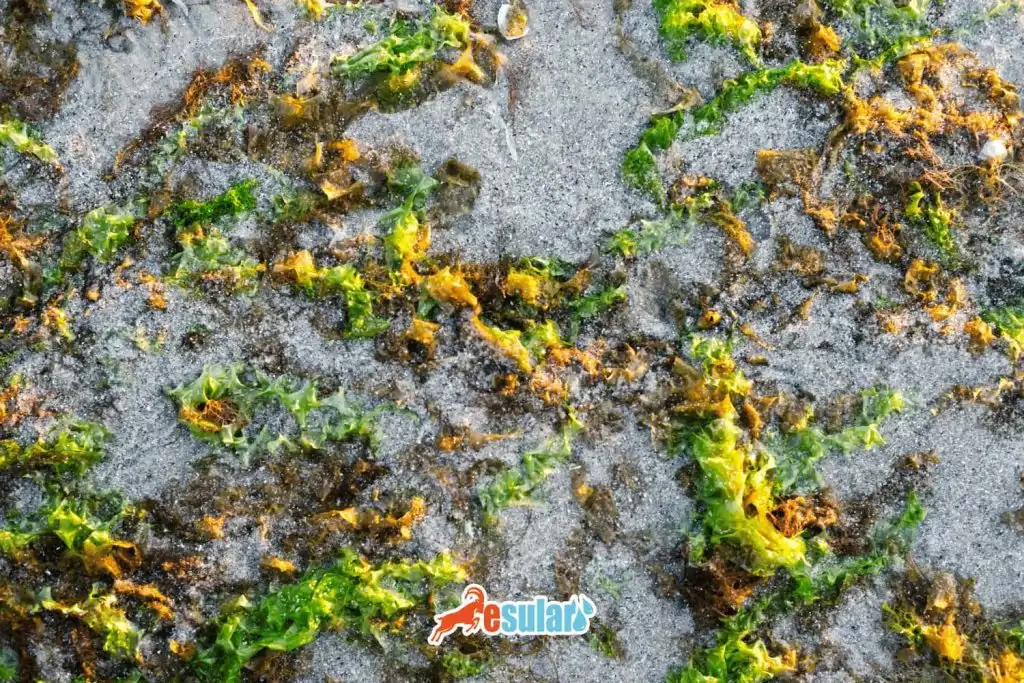
Seaweed fertilizer is an organic fertilizer type obtained from algae species growing in lakes and seas. This fertilizer is generally obtained from seaweeds that have different colors such as red, green, and brown. Seaweeds are known for the rich vitamins, minerals, and other nutritional substances they contain. Extracts of these seaweeds are used in the production of liquid fertilizers to obtain seaweed fertilizer. This fertilizer is used to promote healthy growth of plants, increase soil fertility, and offer an environmentally friendly fertilizer alternative.

deniz-yosunu-gubresi

What Does Seaweed Fertilizer Do?

Seaweed fertilizer is an organic fertilizer type that provides various benefits in plant cultivation. Here are the main benefits of seaweed fertilizer:

  • It ensures plants grow healthier by enriching the soil structure.

  • Alginic acid in seaweeds supports the granular structure of the soil and increases its water-holding capacity. Thus, the soil becomes more granular and holds water better.

  • Seaweeds, through the bacteria and chemical substances they contain, promote the development of plant root systems and increase the number of microorganisms in the soil.

  • Seaweeds contain various minerals as well as important vitamins such as vitamins B2, B12, K, and E. These vitamins and minerals support the healthy growth of plants.

  • Hormones such as auxin and gibberellin in seaweeds promote the development of plant root and stem cells and accelerate their growth.

  • Seaweed fertilizer contains trace elements that plants can easily absorb. These elements allow plants to access ions more easily and increase yield.

  • Seaweeds contain natural antibiotics that minimize problems such as fungal diseases and harmful insects.

  • Seaweeds contain substances that prevent the reproduction of harmful insects, thus reducing the risk of damage to plants.

  • Plants treated with seaweed fertilizer become more resistant to cold. Seaweeds ensure that plants stay healthy even at low temperatures by removing water molecules from the plants and providing mineral supplements to the vacated areas.

  • It ensures that plants are more resistant to stress conditions. It increases the resistance of plants against negative conditions such as drought and salinity.

Seaweed fertilizer, with these and many similar benefits, is one of the preferred organic fertilizers in plant cultivation.

deniz-yosunu

In Which Plants is Seaweed Fertilizer Used?

This fertilizer can be used in most agricultural products and garden plants. Especially with its nutritious structure, this fertilizer creates positive effects on the development of many plants; some plants where it is used are as follows;

Vegetables: Seaweed fertilizer can be used on vegetables such as tomatoes, peppers, cucumbers, eggplants, and zucchini. This fertilizer promotes the growth of vegetable plants and increases their yield.

Fruit Trees: Seaweed fertilizer can also be applied to fruit trees such as apples, pears, peaches, and cherries. This supports the root development of the trees and contributes to healthier fruit yields.

Leafy Plants: Seaweed fertilizer can be used on leafy vegetables such as lettuce, spinach, and chard, as well as flowering plants. This fertilizer supports the healthy growth of leaves and keeps their colors vibrant.

Lawns and Ornamental Plants: Garden lawns, shrubs, flowers, and other ornamental plants can also benefit from seaweed fertilizer. This ensures that green areas and ornamental gardens look healthier and more attractive.

Field Crops: Seaweed fertilizer can also be used in field crops such as corn, wheat, and barley. This increases agricultural yield and improves soil quality.

Therefore, this fertilizer is a versatile organic fertilizer that can be used in a wide range of plants. It can be used in various plant species to promote plant growth, increase yield, and ensure healthy development.

deniz-yosunu-gubresi-ne-zaman-kullanilir

How to Use Seaweed Fertilizer?

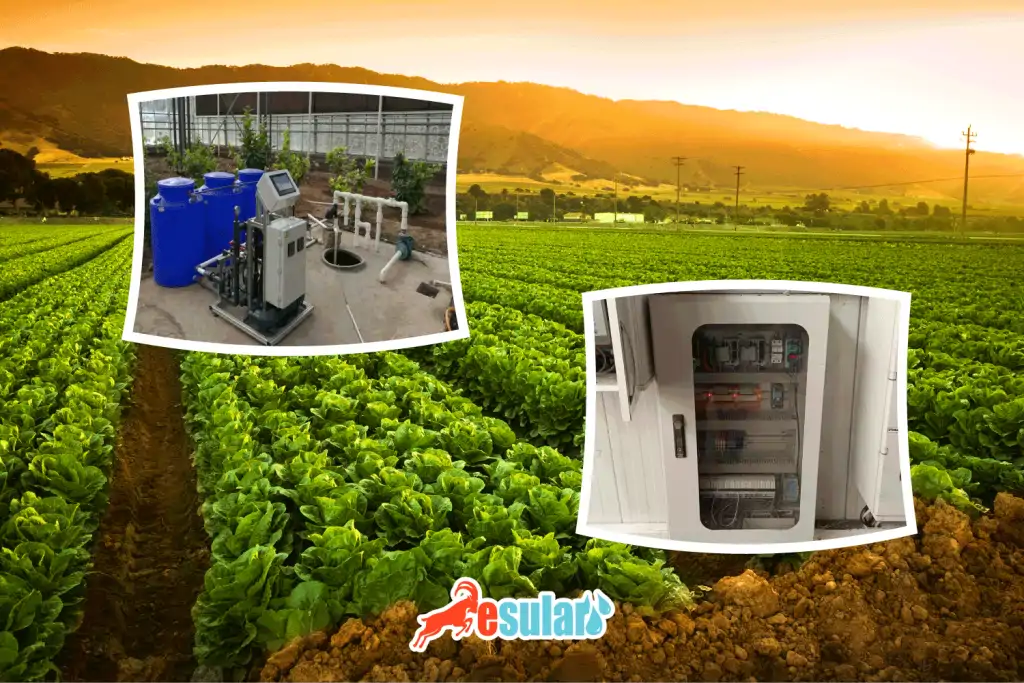
Since this fertilizer is generally in liquid form, it is absorbed faster by plants and gives effective results. As a first step, you should determine the correct dosage of the seaweed fertilizer you will use. This is usually done according to the manufacturer's recommendations. Carefully read the instructions on the packaging or the manufacturer's website. Mix the seaweed fertilizer at the determined dosage with irrigation water. The mixing ratio usually varies depending on the amount of irrigation water and the plant species. When preparing the mixture, ensure that the fertilizer and water are mixed homogeneously. The frequency of application of seaweed fertilizer usually depends on the growth period and needs of the plants. In most cases, the fertilizer is applied at regular intervals weekly or bi-weekly. However, you can adjust this frequency depending on the needs of the plants and your fertilization program. You can contact us for more detailed information on this subject. https://esular.com/gubreleme-ve-sulama-otomasyonu

esular-gubre-dozajlama

When is Seaweed Fertilizer Used?

Liquid seaweed fertilizers are generally used during the growth periods of plants. The application time may vary according to the type of plants, growth stage, and climate conditions. However, in general, the usage time is as follows:

  • Active Growth Period: It is generally applied at 15-20 day intervals during the active growth period of plants after vegetable planting or sapling planting. In this period, the nutrient needs of plants are at the highest level and the effect of fertilization may be more pronounced.

  • Fruit Trees: For fruit trees, it can be used after the vegetative growth period, generally during flowering and fruit ripening periods. In these periods, fruit trees need more nutrients and fertilization can increase fruit quality.

  • Field Crops: For field crops, it can be applied during the seedling stage, flowering stage, and product maturation process. In these periods, the growth rate and yield of plants are at the highest level and they should be supported with the right nutritional support.

The frequency and amount of application may vary depending on the type of fertilizer used, the needs of the plants, and soil conditions. Therefore, the recommendations of the fertilizer manufacturer and the instructions on the label should be followed. Correct timing and application of the fertilizer are important for the healthy growth and efficient development of plants.

Yorumlar

Daha Fazla İçerik İster misiniz?

Akıllı tarım hakkında en güncel içerikleri takip edin.