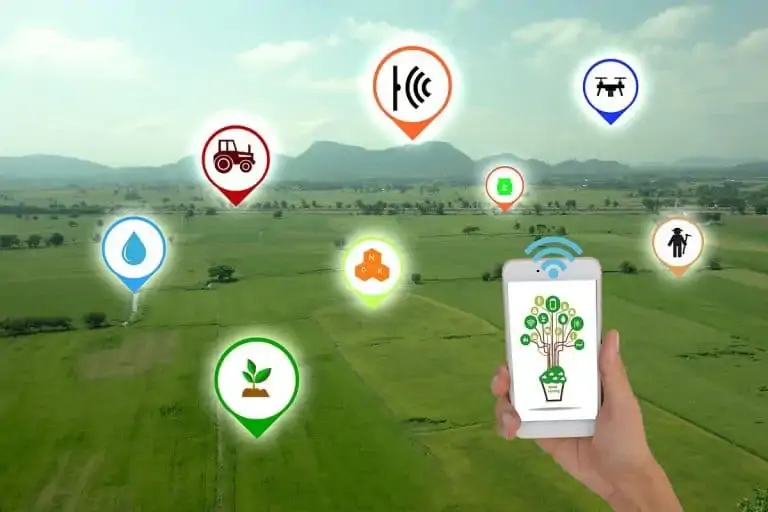
Smart farming is a technique that aims to ensure more efficient use of resources by considering the variability in soil structure in agricultural production. By addressing the differences in the physical, chemical, and biological structure of the soil, it aims to use agricultural inputs in the place, time, and amount needed. This approach adopts a non-homogeneous, variable land management, moving away from classical agricultural methods.
The main goal of smart farming is the optimal use of inputs in agricultural enterprises depending on spatial and temporal factors. This ensures more effective execution of agricultural activities such as crop planting, fertilization, and irrigation. Smart farming aims to prevent resource waste, increase product yield, and minimize environmental impacts by using advanced information and control systems.
The objectives of smart farming include reducing chemical expenses, environmental protection, obtaining high-quality products, providing effective information flow, and creating a recording system. This technique can be used in many stages from tillage to harvest.
What are the Applications and Technologies in Smart Farming?
The applications and technologies offered by smart farming are in a wide range. These technologies provide farmers with the opportunity to practice more effective, sustainable, and efficient agriculture. Here are the main technologies used in smart farming:
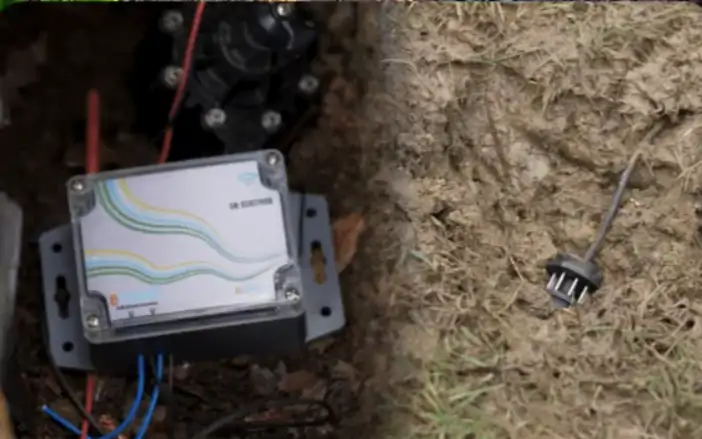
Sensor Technology: Sensors measuring data such as soil and air temperature, humidity, and pH levels offer farmers the opportunity to make more informed decisions. It helps optimize processes such as irrigation and fertilization by tracking plant development.
Remote Sensing and Satellite Technologies: Satellite and drone-based imaging systems provide the opportunity to monitor agricultural lands in high resolution. In this way, problems such as diseases, pests, or water deficiency can be detected in advance.
Artificial Intelligence (AI) and Data Analytics: Artificial intelligence algorithms offer farmers the opportunity to make future-oriented predictions, perform optimization, and foresee risks by analyzing large data sets.
Robot Technologies: Robots in agriculture can perform many tasks such as tillage, planting, irrigation, and harvesting. This saves labor and increases efficiency.
Image Processing Technology: Image processing systems used to monitor plant health and detect diseases allow for faster and more precise results compared to manual inspections.
Smart Irrigation Systems: Irrigation processes are optimized using sensors and automatic control systems. It provides water savings and ensures that water is given according to the needs of the plants.
The combination of these technologies gives farmers a stronger decision-making ability and ensures that agriculture is carried out in a more sustainable way.
Internet of Things in Agriculture: Agri-IoT System
Internet of Things (IoT) in Agriculture, Agri-IoT System, refers to a set of technologies used to make agricultural processes smarter and more efficient. This system provides significant advantages to farmers by bringing together features such as sensors, data analysis, automation, and remote management in the agricultural sector.
Agri-IoT System collects various data through sensors placed in agricultural fields. These sensors provide real-time data by measuring soil moisture, temperature, air pressure, rainfall amount, and other important environmental factors. This data provides a better understanding of the conditions in the agricultural area and offers farmers the information necessary to make correct decisions.
Agri-IoT System stores and analyzes the collected data on a cloud-based platform. These analyses provide farmers with detailed reports on issues such as the productivity of agricultural lands, plant health, water use, and fertilization needs. Based on this data, farmers can manage agriculture more effectively and use resources more efficiently.
Thanks to the remote management feature, farmers can control agricultural equipment and irrigation systems remotely. This, while saving time and energy for farmers, allows them to manage agricultural processes more effectively.
Agri-IoT System offers farmers the chance to practice more sustainable, efficient, and profitable agriculture by accelerating digital transformation in the agricultural sector. While giving farmers a competitive advantage, this system helps them prepare better for the future challenges of agriculture.
What Smart Farming Provides to the Farmer
Smart farming provides a range of advantages and gains to farmers. This technology is becoming increasingly effective in the agriculture and livestock sector to increase efficiency, raise gains, and facilitate work. The main advantages of smart farming include efficiency increase, resource saving, cost reduction, precision farming applications, use of agricultural data and analytics, product quality and market value, ease of work, and environmental sustainability. These advantages allow farmers to manage more profitable, efficient, and environmentally sustainable agricultural enterprises.
Smart farming differs from other agricultural methods by offering a range of advantages to farmers. The main ones are:
Providing Maximum Yield: Smart farming technologies understand plant needs better by using sensors, data analysis, and artificial intelligence. This ensures maximum yield from the harvest.
Reduction of Expenses: Smart farming optimizes the use of inputs such as fertilizer and spraying at the right time and in the right amounts. This provides cost savings to farmers.
Increase in Product Quality: Technological monitoring and control increase product quality, ensuring products are obtained in accordance with standards.
Eco-Friendly Agriculture: Smart farming aims to use natural resources more effectively. A more environmentally sensitive agriculture is implemented through water and energy savings.
Detailed Records and Real-Time Data: The information systems used provide farmers with detailed records and real-time data. This supports decision-making processes and allows cost calculations to be made realistically.
Protection and Tracking of Harvest: Smart farming facilitates the protection and tracking of the harvest through sensors and monitoring systems.
Eliminating Factors Difficult to Intervene: Smart farming eliminates factors that traditional agriculture finds difficult to intervene in, encouraging new and effective agricultural activities such as soilless farming.
These advantages provide a significant transformation in the agricultural sector by offering farmers a more sustainable, efficient, and environmentally sensitive agricultural method.
Smart Irrigation Systems Increase Efficiency
In the agricultural sector, farmers are showing a trend towards adopting smart irrigation systems to overcome the limitations of traditional irrigation methods and increase efficiency. Problems seen in previous irrigation practices included yield loss due to excessive water use, soil salinization, and uneven irrigation. However, smart irrigation systems offer an important solution to protect water resources, optimize water use, and overcome agricultural challenges.
Evolving agricultural irrigation technologies have enabled the spread of smart irrigation systems. These systems prevent unnecessary irrigation practices by providing water according to the needs of the plants. The growth processes of plants can be monitored remotely, and irrigation programs can be created according to their water needs. In this way;
Labor savings can be achieved.
Errors caused by human factors are minimized.
Yield increase can be achieved with correctly timed irrigation and fertilization.
Savings related to water and fertilization can be achieved.
The risk of soil salinization and erosion can be reduced.
As a result, smart irrigation systems are an important tool for increasing the sustainability of agriculture, using resources more efficiently, and providing farmers with a more controlled production process.
Results to be Brought by Smart Farming
The implementation of smart farming systems leads to significant transformations in the agricultural sector. These systems provide farmers with a comprehensive oversight opportunity by providing visual monitoring throughout the farms via mini unmanned aerial vehicles with cameras. Additionally, it offers advantages such as controlling soil moisture and temperature with digital sensors, using resources such as water and electricity more efficiently, and adopting eco-friendly agricultural practices.
With real-time performance evaluation and data analysis, farmers can determine the needs of the plants in their fields more precisely and thus take more effective actions. The internet of things increases overall efficiency in agriculture, offering farmers better management and decision-making opportunities. Along with these technological developments offered by smart farming, features such as analysis of undesirable substances in the soil and the ability to operate and command remotely provide farmers with more control. The use of green energy and the protection of natural resources are also results of the sustainable agricultural practices brought by these systems.
All these advantages offer farmers a more sustainable future with higher quality, efficient, and eco-friendly agricultural practices.