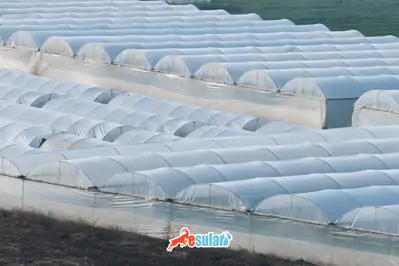
What is Soil Pollution?

24 Ocak 2026 Çağla Altıntaş 0 görüntülenme
Tüm Yazılar

What is Soil Pollution?

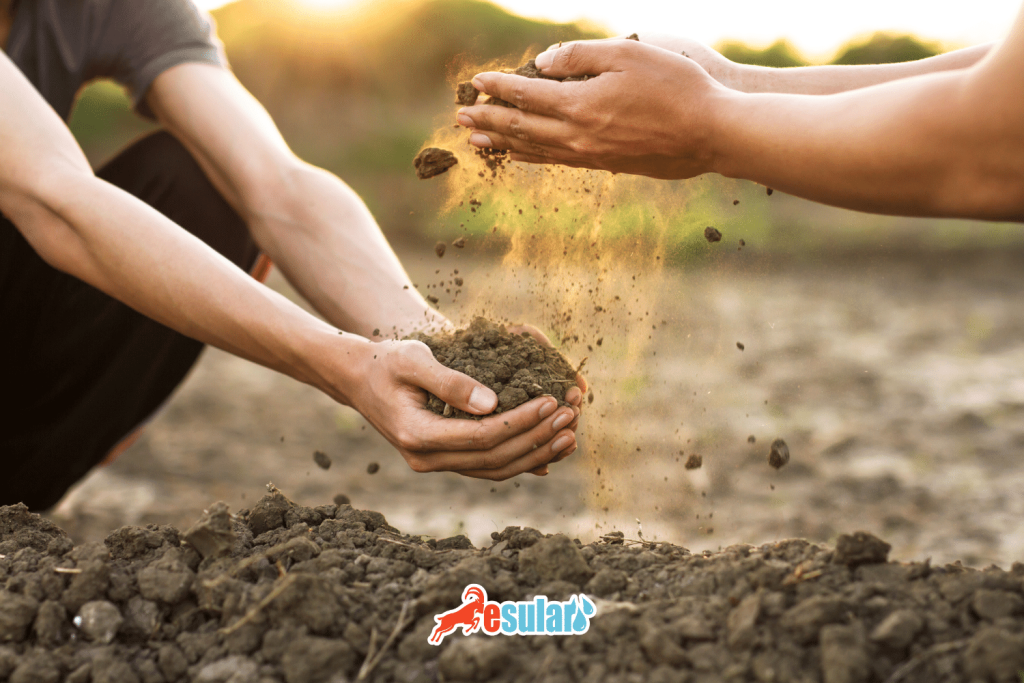
Soil pollution is the contamination of natural components on the soil with undesirable substances due to human activities or external factors. These include human activities such as waste emitted from industrial facilities, excessive use of chemical fertilizers and pesticides, leaks of petroleum and petrochemical products, waste resulting from mining activities, and uncontrolled discharge of domestic waste. Such wastes generally change the structure and composition of the soil, reducing the nutritional capabilities of plants, lowering soil fertility, and damaging natural ecosystems. Additionally, the accumulation of toxic substances in the soil can cause groundwater pollution and damage to water resources. This situation negatively affects both natural life and human health. Soil pollution usually requires a long-term and costly cleaning process; therefore, it is important to take measures to protect the environment.

What Causes Soil Pollution?

Soil pollution can occur as a result of various human activities as well as natural processes. Here are the main causes of soil pollution:

  • Waste and chemicals originating from industrial facilities such as factories, mines, and energy production facilities cause soil pollution.
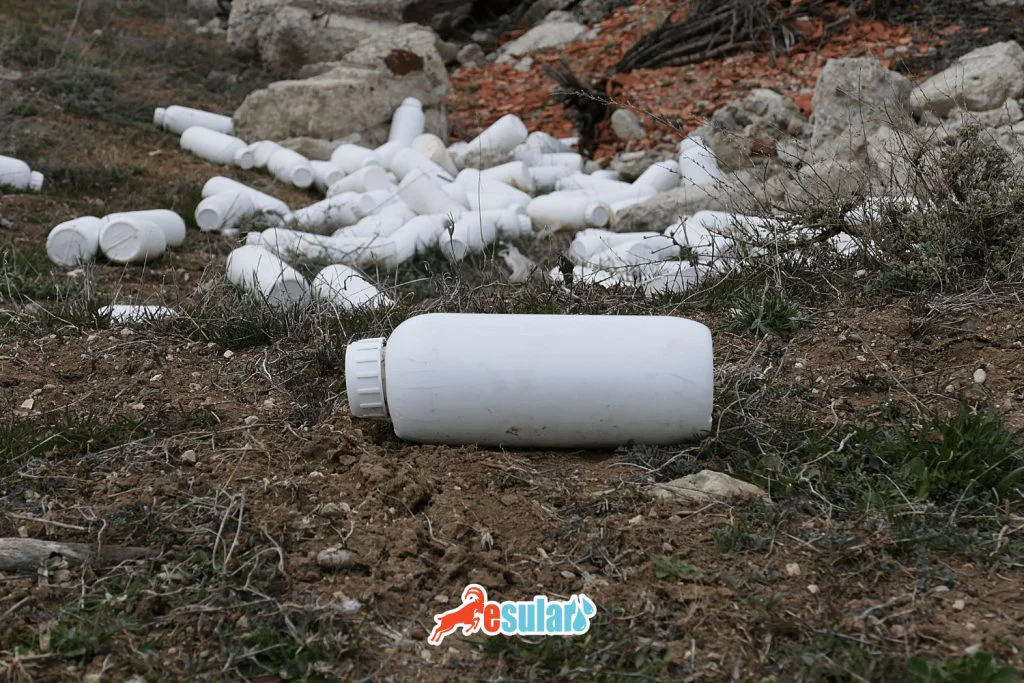
  • The excessive and unconscious use of chemical substances such as pesticides, artificial fertilizers, and biocides causes soil pollution.
  • Uncontrolled disposal of domestic and industrial waste can lead to soil pollution. Harmful substances leaking from areas such as landfills, wastewater treatment plants, and dumping sites negatively affect soil quality.
  • Leaks of fuels such as petroleum and petroleum products lead to soil pollution. These types of leaks usually originate from oil pipelines, storage tanks, or vehicle exhausts.

  • Natural disasters such as floods, erosion, and volcanic eruptions can lead to soil pollution and erosion.

The combination of these factors can cause soil pollution and the deterioration of its quality. Therefore, it is important to adopt environmental protection measures and sustainable practices.

what is soil pollution

What are the Effects of Soil Pollution?

Soil pollution can damage the environment in various ways:

  • Affects Plant and Animal Life: Plants growing on contaminated soils absorb harmful substances as they grow, and this can cause damage to the vegetation. Similarly, animals in contaminated soils can be exposed to harmful substances through the food chain.

  • Disrupts Ecosystem Balance: Soil pollution negatively affects the life of microorganisms and other living beings in the soil by changing the soil's natural structure. This can lead to a decrease in biological diversity and the destabilization of ecosystems.

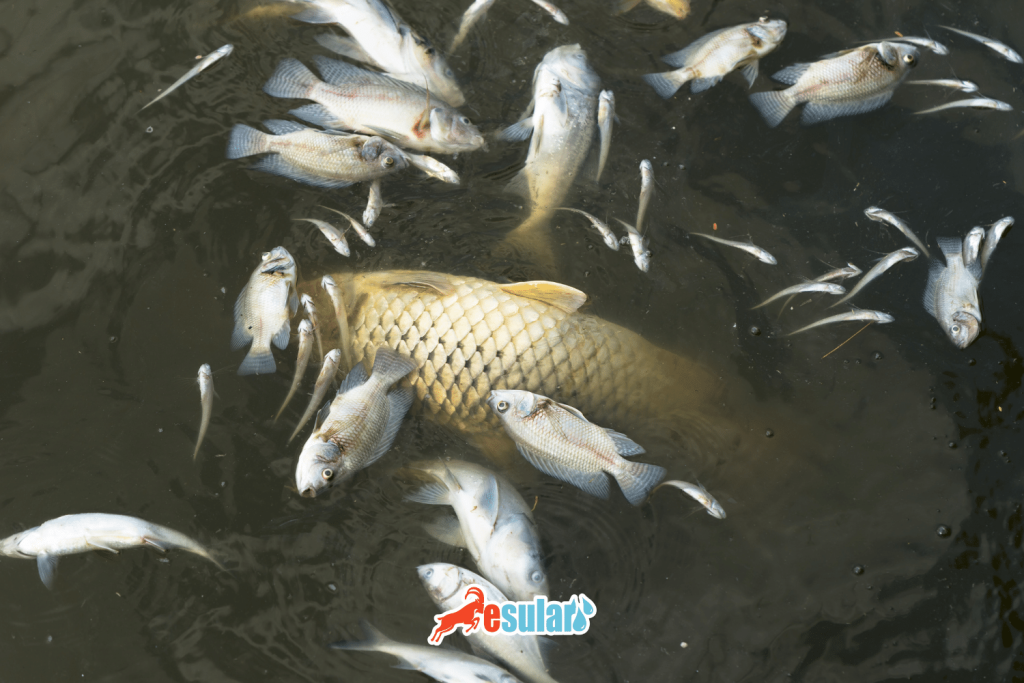
  • Causes Water Pollution: Soil pollution can mix into water resources through rainwater and groundwater. This causes contamination of drinking water sources and damage to aquatic ecosystems. Additionally, in the case of irrigation in agricultural areas using contaminated water, plants and the soil may suffer further damage.

  • Causes Air Pollution: Soil pollution causes harmful substances evaporating from the soil surface or carried by winds to mix into the air.

  • Economic Losses: Soil pollution can lead to economic losses by causing agricultural areas to become unproductive, water resources to be contaminated, and ecosystems to be damaged. This causes losses in areas such as the agricultural sector, fishing, and tourism.

Soil pollution is a comprehensive problem with its environmental effects and is an issue that must be brought under control by taking environmental protection measures.

what is soil

What are the Effects of Soil Pollution on Human Health?

Soil pollution can harm human health in various ways. These include:

  • Poisoning and Toxicity: Chemical substances accumulated in the soil can cause poisoning and toxicity if inhaled, contacted with the skin, or consumed by humans.

  • Health Problems: Soil pollution can lead to various health problems such as respiratory diseases, skin irritations, allergic reactions, and digestive system problems.

  • Food Contamination: Plants growing on contaminated soils can lose their nutritional value by absorbing these harmful substances or can accumulate toxic components. In this case, humans can be exposed to harmful substances through food by consuming contaminated plants.

  • Water Pollution: Soil pollution can mix into water resources through rainwater and groundwater. This can cause contamination of drinking water and problems in human access to clean water. Consuming contaminated water or eating fish and other seafood from water sources can negatively affect human health.

  • Increase in Chronic Diseases: Long-term exposure can increase the risk of developing chronic diseases due to soil pollution. These diseases may include cancer, respiratory diseases, neurological disorders, and reproductive problems.

For these reasons, bringing soil pollution under control and cleaning it up is an important issue for human health.

What Should We Do to Prevent Soil Pollution?

  • Recycling and Waste Management:

Proper management of waste and encouraging recycling helps reduce soil pollution. Recycling prevents waste from damaging nature and ensures more efficient use of natural resources.

  • Controlled Chemical Use:

It is important to keep chemical use under control in areas such as agriculture and industry and to prevent harmful chemicals from leaking into the soil. Organic farming practices should be encouraged and the use of harmful chemicals should be limited.

  • Erosion Control:

Erosion control measures should be taken to prevent soil erosion. These include afforestation, erosion barriers, terracing, and the use of erosion control plants.

  • Monitoring Pollution Sources:

Potential sources of pollution such as industrial facilities, agricultural areas, and residential areas should be regularly inspected and appropriate measures should be taken. Wastewater treatment plants should be established and operated.

  • Education and Awareness:

Informing and educating the public and businesses is important for preventing soil pollution. Awareness campaigns on environmental protection should be organized and the community's sensitivity to the environment should be increased.

  • Sustainable Agricultural Practices:

Organic farming practices should be encouraged instead of the excessive use of chemical fertilizers and pesticides. Sustainable agricultural methods protect soil health and reduce soil pollution.

These measures are important steps for reducing soil pollution and protecting natural resources. Preventing soil pollution is of great importance for both the environment and human health.

preventing soil pollution

Yorumlar

Daha Fazla İçerik İster misiniz?

Akıllı tarım hakkında en güncel içerikleri takip edin.