What is the Soil Flea?

24 Ocak 2026 Çağla Altıntaş 1 görüntülenme
Tüm Yazılar

What is the Soil Flea?

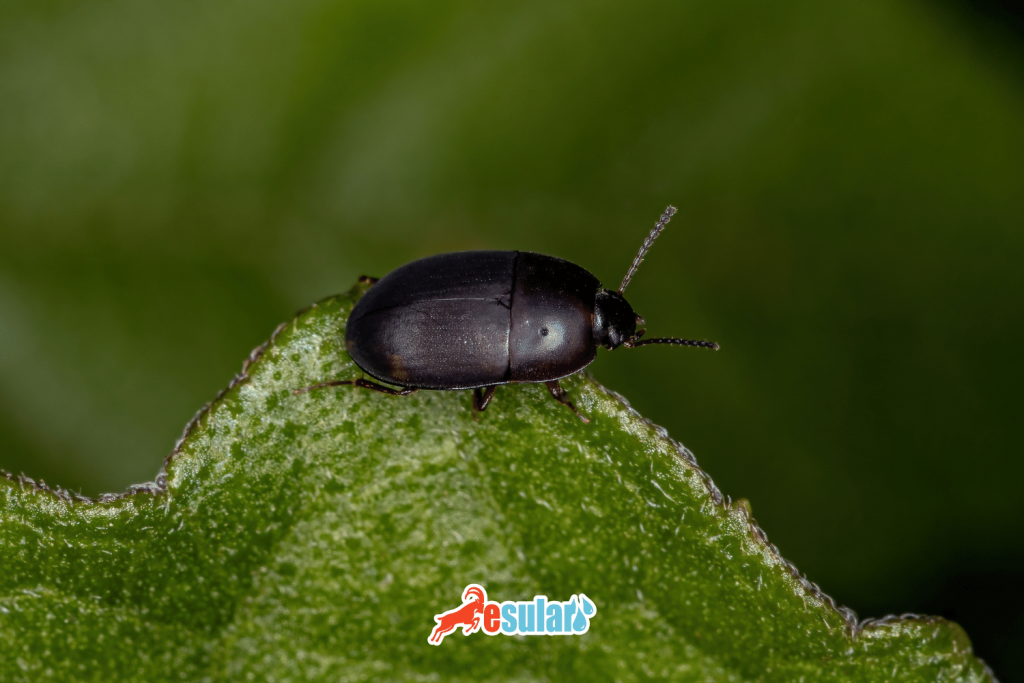
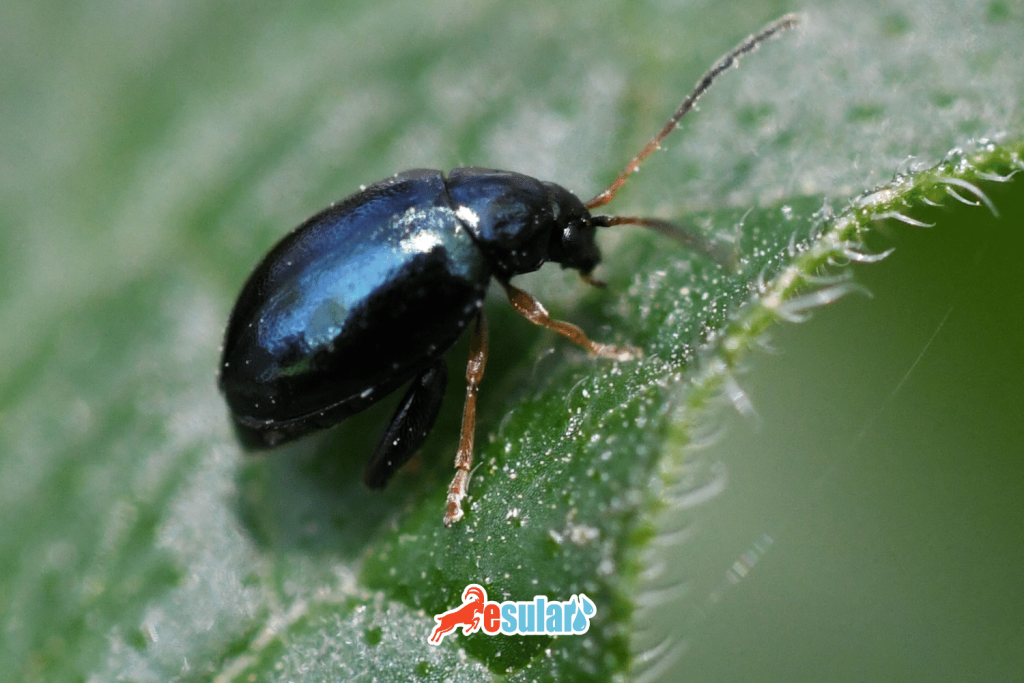
The soil flea is one of the small insects that live in the soil and can damage plants. It is generally blackish-green metallic in color. It lives underground and feeds on the roots of plants. Like other insects, it goes through several different development stages from egg to adult. In the spring, they overwinter in the soil and plant debris. Dense populations of the soil flea can damage the root systems of plants, prevent plant growth and development, and even cause the death of plants. Therefore, it is important to combat the presence of soil fleas in agricultural areas and gardens.

Why Does the Soil Flea Occur?

Adult soil fleas generally spend the winter in the soil, in plant debris, or under weeds. In the spring, they emerge during the tillering period of cereals. During this period, female soil fleas mate and lay their eggs at the root collar of the plants. Larvae hatching from the eggs enter the pupal stage after a while and generally become adults in July and August. Later, they enter the overwintering period and repeat this process. The soil flea generally produces 1-2 generations per year. This cycle causes problems in agricultural areas by damaging plant products and negatively affecting plant health. Therefore, it is important to understand the life cycle of the soil flea well and take effective control measures.

toprak-piresi-zararlari

Where Does the Soil Flea Live?

The soil flea generally lives in soils that are moist and rich in organic matter. These insects are found especially in open areas such as cereal fields, meadows, pastures, gardens, and agricultural lands. It shelters in plant root collars and plant debris. At the same time, they are frequently seen under grass and weeds. Throughout its life cycle, it lays its eggs in the soil or on plant roots and lives in the soil and vegetation from the larval stage to the adult stage. Adults are generally found near and feed on plant roots. Throughout the year, they are active especially in the spring and summer months. Since their eggs are found in the soil or around the plant roots, they are in close relationship with the root system of the plants and can therefore cause plant damage.

What are the Damages of the Soil Flea?

This organism is a pest that can cause serious damage in agricultural areas and gardens. This insect causes damage to the roots by harming plant roots. Root damage prevents plants from taking up nutrition and water, thus negatively affecting the growth and development of plants. Additionally, symptoms such as wilting, yellowing, and curling of leaves can be observed in plants damaged by this pest. Leaf wilting reduces the photosynthetic capacity of plants, lowering their productivity. Due to these damages, a decrease in plant yield and quality may be experienced, thus the harvest amount and quality may be negatively affected. These pests cause plants to weaken and remain under stress. This reduces the resistance of plants against diseases and other pests. Therefore, plant health is negatively affected. As a result, soil flea damage can cause economic losses for agricultural producers, leading to decreased income and increased production costs.

toprak-piresi-nasil-yok-edilir

How to Eradicate the Soil Flea?

Several methods can be used to combat the soil flea:

  • Cultural Control Methods: You can keep the soil flea population under control with field cleaning and appropriate agricultural practices. Cleaning of plant debris and elimination of plant residues and weeds reduce the places where pests can shelter.
  • Biological Control: You can keep the population under control by using natural enemies of the soil flea. For example, beneficial insects or nematodes living in the soil can prevent the spread of pests by feeding on soil flea larvae.
  • Chemical Control: The soil flea population can be reduced through the controlled and conscious use of pesticides. However, care should be taken in the selection and application of pesticides. Chemical control can be more effective when used in conjunction with other control methods.
  • Circular Farming Practices: Balanced use of organic matter and fertilizers in accordance with circular farming principles can keep the pest population under control by increasing soil health.
  • Plant Selection: Growing resistant varieties can reduce soil flea damage. Researchers are carrying out studies to develop plant varieties resistant to the soil flea.

Whichever of these methods is appropriate, or a combination thereof, can be effective in combating the soil flea. However, control strategies should be adjusted according to local conditions, the density of the pest population, and environmental factors. Additionally, it is important to act in a way that does not harm the environment and human health when applying control methods.

Does the Soil Flea Pass to Humans?

The harmful effects of the soil flea are generally directed towards plant products and do not have the potential to directly harm human health. Therefore, controlling the soil flea is generally done to increase the productivity of plant products and protect plant health.

Yorumlar

Daha Fazla İçerik İster misiniz?

Akıllı tarım hakkında en güncel içerikleri takip edin.