
Tüm Yazılar
What is Wheat Rust Disease?
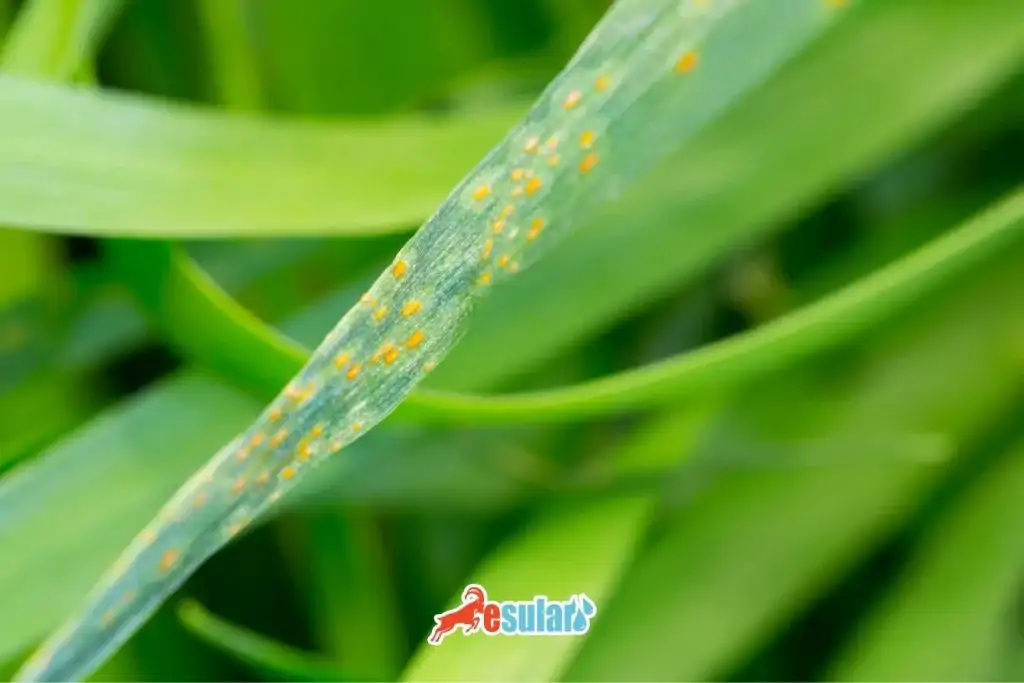
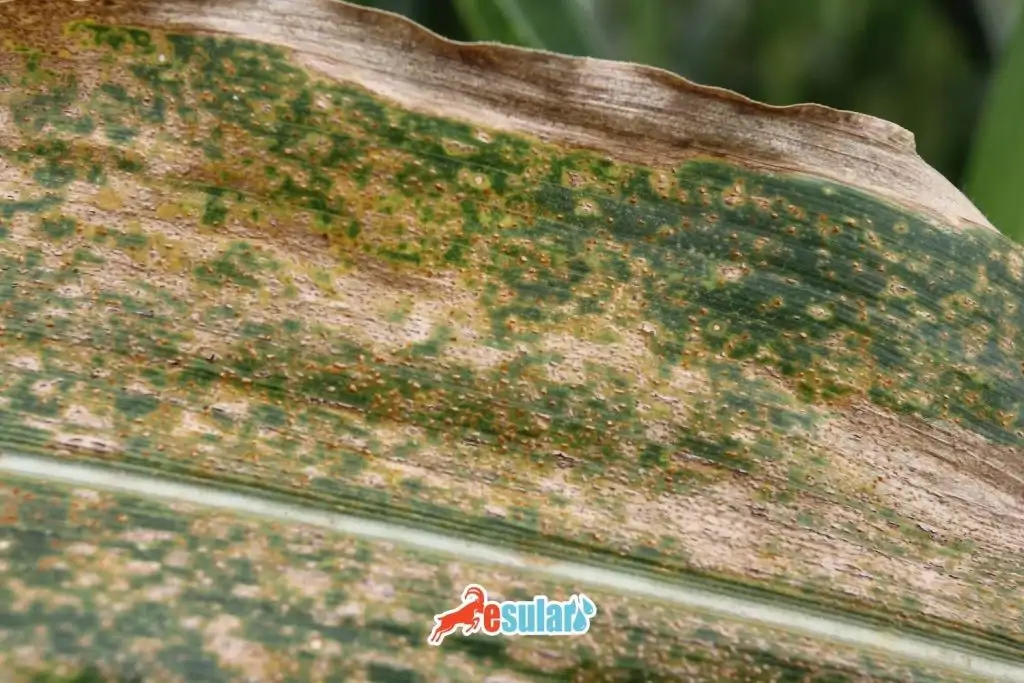
Wheat rust disease is an important agricultural disease affecting wheat plants and caused by fungi belonging to the genus Puccinia, negatively impacting the development and yield of the plant. Wheat rust diseases are common and harmful diseases caused by fungi belonging to the genus Puccinia and appearing in various forms on wheat plants. Wheat rust diseases are known by three main types: brown rust (Puccinia recondita tritici), black rust (Puccinia graministritici), and yellow rust (Puccinia striiformis). These diseases show various symptoms on the leaves, stems, and spikes of the plants and lead to yield and quality losses depending on the spread rate of the disease. These pathogens, which can spread rapidly especially under high humidity and suitable temperature conditions, pose a serious problem for wheat producers. As an important biotic stress factor affecting agricultural production, wheat rust diseases can cause both yield losses and quality decline. Therefore, developing an effective combat and management strategy against these diseases is of vital importance for sustainable wheat production.
Brown Rust (Puccinia recondita tritici)
Brown rust manifests itself in the form of small, brown pustules on the leaf blade, sheath, stem, and spikes of the plant. Spreading rapidly especially in humid and cool climate conditions, brown rust can cause serious yield losses by reducing the plant's photosynthesis capacity.
Black Rust (Puccinia graministritici)
Black rust creates dark reddish-brown pustules on the leaves, stems, and spikes of the plant. Black rust spreads rapidly, especially in humid and cool weather conditions, and can cause serious damage by inhibiting the growth of plants.
Yellow Rust (Puccinia striiformis)
This disease develops especially in cool and humid conditions and shows symptoms in the form of yellow lines or stripes on the leaves of the plant. Yellow rust causes growth retardation and significant yield loss by reducing the plant's capacity for photosynthesis through the pustules it creates on the leaf surface.
Methods for Combating Rust Diseases
Combating rust diseases is very important for protecting wheat yield and preventing the spread of the disease. Control methods include both cultural and chemical methods:
Cultural Measures:
- Use of Resistant Varieties: Sowing wheat varieties resistant to rust diseases is one of the most effective ways to prevent the spread of the disease.
- Planting Density: Increasing ventilation between plants by avoiding dense planting prevents the development of the disease. Additionally, plant density should be adjusted correctly to prevent moisture accumulation.
- Weed Control: Weeds can be a harbor for rust diseases. Therefore, controlling weeds reduces the spread of the disease.
- Soil Analysis and Fertilization: Correct fertilization increases the health of plants and strengthens their resistance to diseases. The fertilization program should be planned based on soil analysis.
- Destruction of Alternate Hosts: Eliminating plants that are alternate hosts for rust diseases prevents the spread by interrupting the life cycle of the disease.
Chemical Control:
- Spraying Time: When the first symptoms of rust diseases are seen, especially on the lower leaves, foliar spraying should be started to stop the progression of the disease. Spraying can be repeated considering climate conditions and the development status of the disease.
- Spraying Technique: For the spraying to be effective, the surface of the leaves and stem must be completely covered with medicated water. In large areas, suitable equipment such as hydraulic field sprayers should be used.
These methods help to protect wheat yield and quality by offering an effective combat against rust diseases.
Monitoring and Early Diagnosis of Rust Diseases
Monitoring and early diagnosis of rust diseases are vital to minimize yield losses in wheat fields. Since rust diseases can spread rapidly under suitable conditions, these processes must be managed effectively.
Regular Field Scouting: Regular scouting of wheat fields allows for the detection of rust diseases in early stages.
Monitoring Climate and Environmental Conditions: Rust diseases develop rapidly under certain climate conditions. For example, high humidity and specific temperature ranges (usually 10-20°C) can trigger the spread of the disease. Therefore, regular monitoring of climate data helps to identify risky periods in advance.
Observation of Disease Symptoms: Early symptoms of rust diseases include small, round, or elongated pustules (blisters) on the leaves. These pustules are usually seen on the upper surface of the leaves and can be brown, yellow, or black in color.
Use of Risk Maps: Regional disease risk maps can be used to identify areas where the probability of the disease spreading is high.
Kategoriler