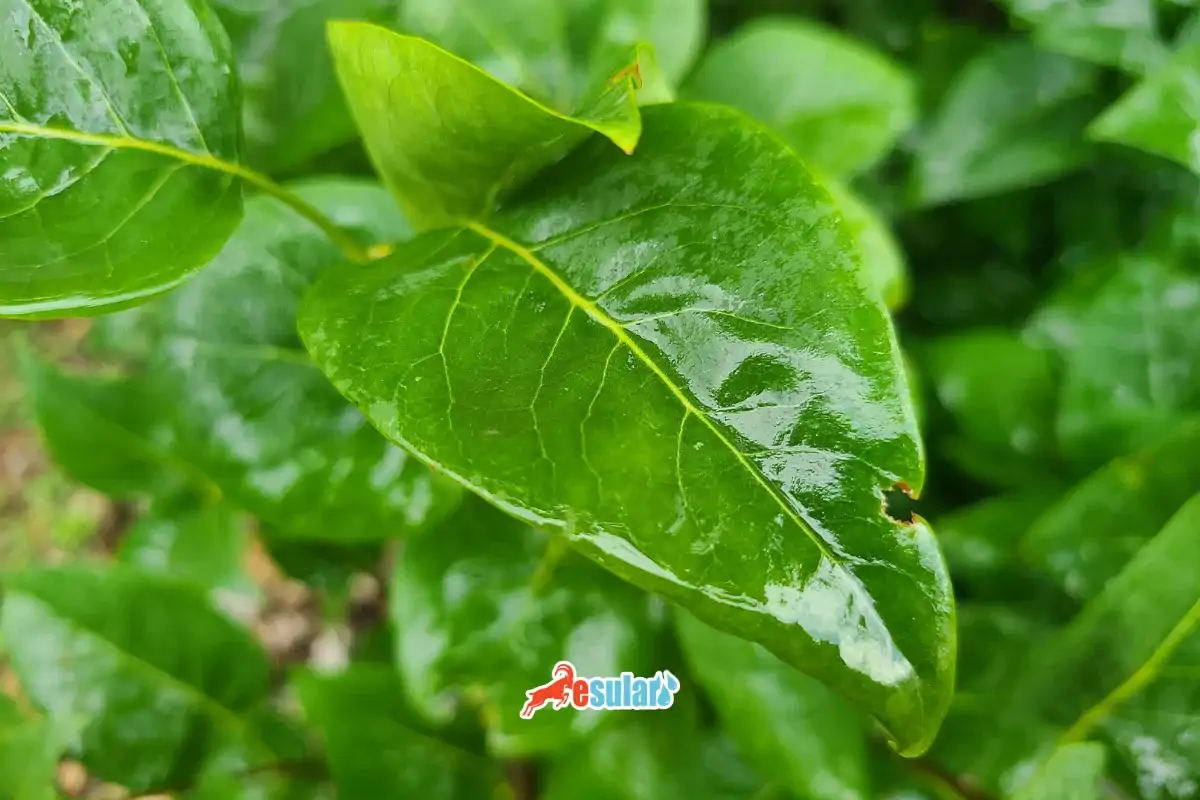
Zonal Geranium
Zonal Geranium (Pelargonium hortorum) is an angiosperm plant species and develops well especially at temperatures of 16-18 degrees. This plant blooms in the summer season and usually has flowers in red or pink color tones. This geranium species, which can reach a height of 25-30 cm per year, can be an easy-to-care-for and visually attractive indoor plant.
Some important points to consider in the care of this plant species are as follows:
Irrigation: Zonal Geranium requires regular irrigation during the summer months. It should be watered at least 2-3 times a week without allowing the soil to dry out. However, a pot with good drainage should be used to prevent water accumulation.
Light: This plant, which needs some direct sunlight, develops better when positioned correctly. However, it should be protected from excessively hot sunlight, especially the intense sunlight during the noon hours.
Temperature: The temperature range of 16-18 degrees is suitable for optimal growth. It should be protected from cold weather conditions and frost events should be avoided.
Soil: A light-structured soil that provides good drainage should be used.
Zonal Geranium is a popular indoor plant option with its colorful flowers and pleasant scents. When cared for regularly, it can remain vibrant and healthy for a long time.
How to Grow Zonal Geranium
Zonal Geranium (Pelargonium hortorum) is grown with hybrid cultivar forms of Pelargonium x hortorum bailey, which are popular in pot flower production. The flowers of these plants can be double, semi-double, or single, and in recent years, hybrids with spotted, zoned, and variegated leaves have also been developed. The production of Zonal Geranium is generally carried out with seeds and cuttings.
Seeds are usually sown in any seed compost in February. When the ambient temperature is kept at 16-18 °C, germination of the seeds occurs within five to ten days. Seedlings can be pricked out into small pots when they have four or five leaves. To ensure that plants grown from seeds bloom quickly, 3500 ppm of Chlormequat can be applied to the seedlings.
Although the time for taking cuttings in Pelargoniums is usually most suitable between July and September, cuttings can also be taken in January-February. Cuttings are taken 7.5 cm long from the tips of lateral shoots that do not bear flower buds. Cuttings are planted in a mixture of equal parts peat and sand or perlite. If the ambient temperature is 20 °C for the cuttings to root, the cuttings will root within sixteen to twenty days. The first transplanting is done in January-February.
Some basic requirements for growing Zonal Geranium are as follows:
Temperature: They show the best development around 15 °C. In winter, they should be kept in places where the temperature is 7-10 °C.
Relative Humidity: Geranium plants generally like high relative humidity. It is desired that the humidity level of the environment is around 70%.
Light: They show good development in plenty of light in winter, while P. grandiflorum prefers slightly sunny places in summer and during the flowering period, and Pelargonium peltatum and Pelargonium zonale prefer full sun.
Potting Mix: A light soil mixture that provides good drainage should be used.
In line with these guidelines, Zonal Geranium can be grown as a healthy and attractive pot flower.
Zonal Geranium Care Measures
Repotting
Repotting performed every year in March is important. The soil of the plant is slightly moistened, it is carefully turned upside down by holding the root collar, and care is taken not to let it fall apart. After putting some of the mixture to be used into the new pot, the plant is carefully placed so that the roots do not remain outside. The pot should not be filled to the very top; a gap of about 1 cm should be left between the top and the soil.
Fertilization
For high quality and healthy growth of plants, it is recommended to give 3 g/l compound fertilizer once a week between April and September.
Irrigation
During growth and flowering periods (between March and September), plants should be watered abundantly, and in very hot weather, a humid environment should be provided by spraying water. After flowering is over, excessive water should not be given, and the potting soil should be kept moderately moist or even slightly dry.
Pruning
The shoots of old plants in shrubby form should be pruned by half or 1/3 in March. In young plants produced from cuttings, pinching should be done when the shoots reach approximately 15 cm to encourage branching.
Diseases and Pests
Among the important diseases are edema, virus, bacterial leaf spot, root rot, wilt, rust, and gray mold, while pests include nematodes, slugs, aphids, whiteflies, and mealybugs. In this case, early diagnosis and appropriate interventions are important.