Calcium Deficiency in Tomatoes
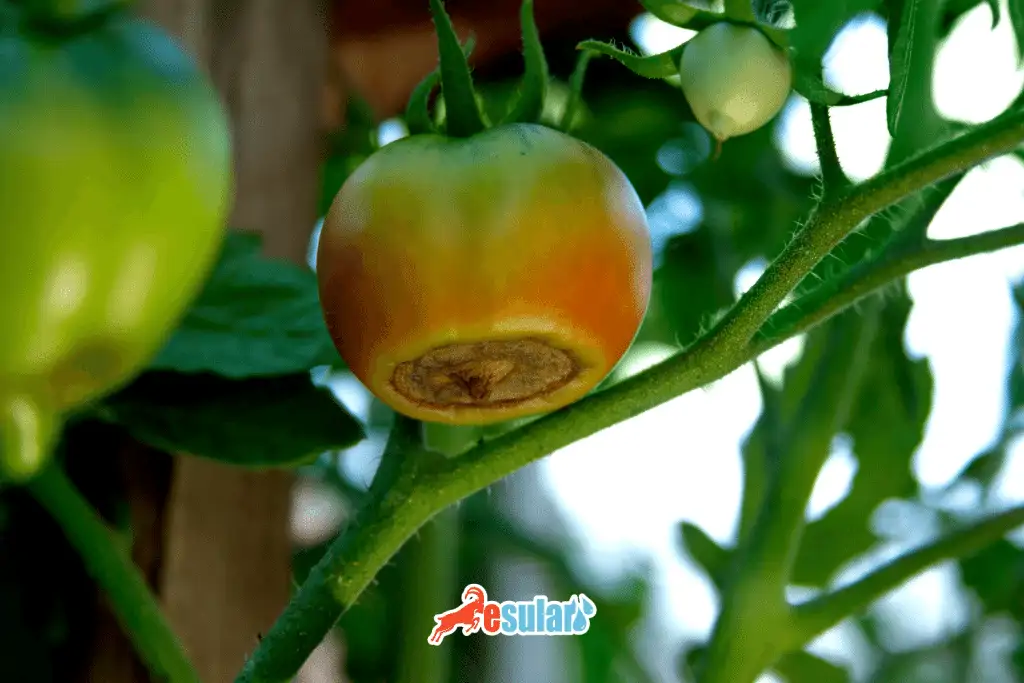
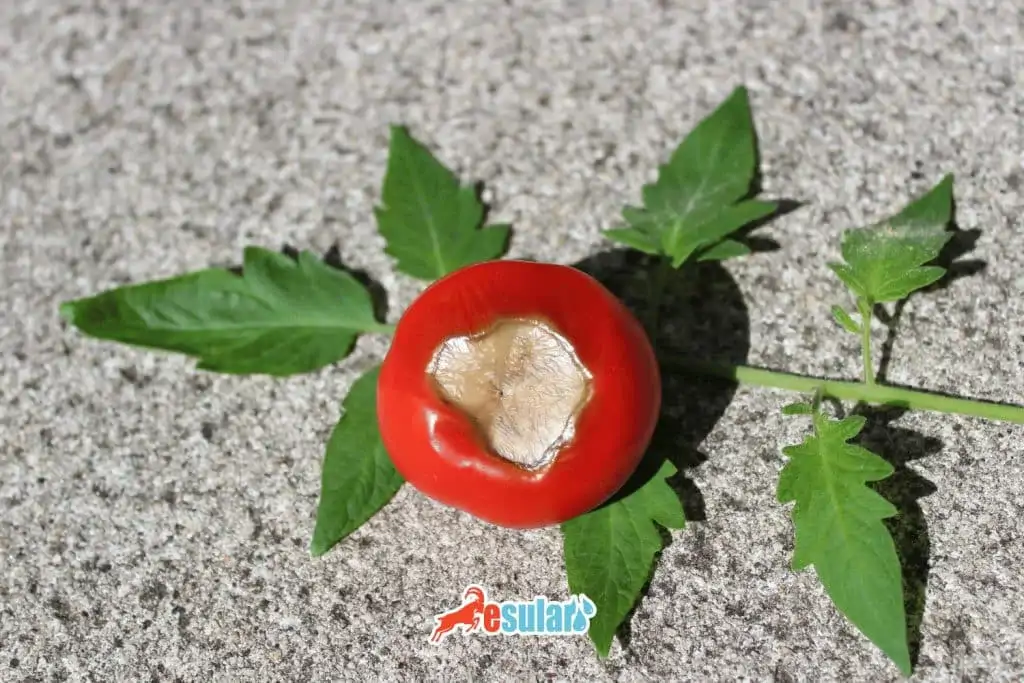
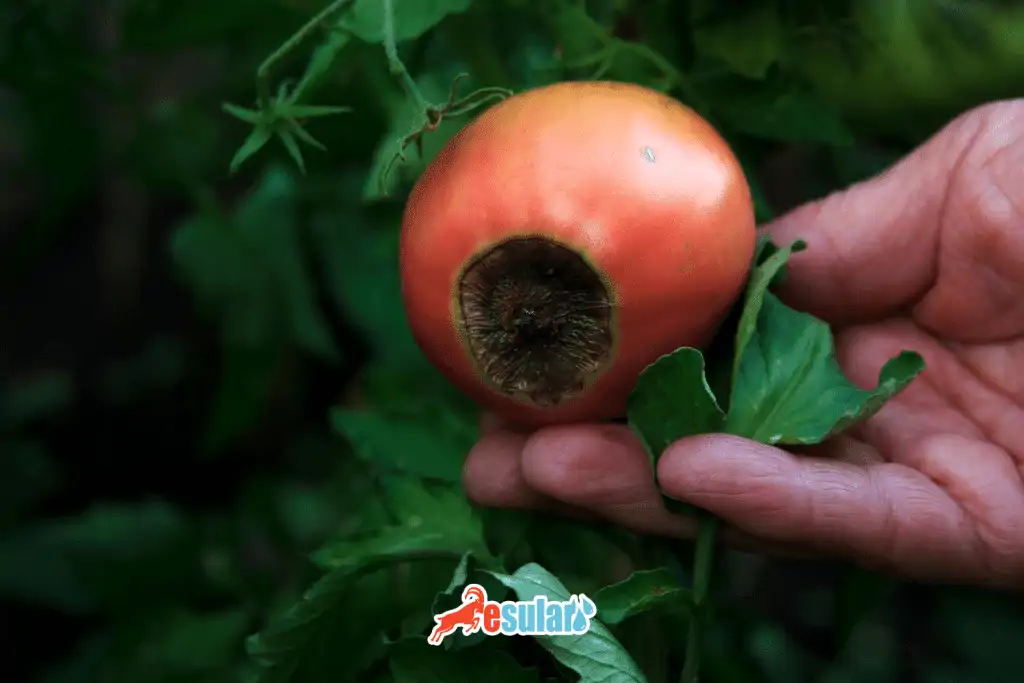
Calcium deficiency in tomatoes usually causes a condition called “blossom end rot.” Blossom end rot is a condition where dark brown spots form on the bottom or flower ends of the tomato and is usually associated with calcium deficiency.
Calcium is a vital nutrient for plants. Therefore, the tomato plant also uses this mineral in a series of important processes. During periods of rapid growth, during fruit development, and under stressful conditions, the need for calcium especially increases. Calcium deficiency prevents plant cells from dividing and developing properly.
Blossom end rot usually appears at the initial stage when the plant forms fruit. If calcium is not adequately transported or cannot be used, damage occurs in the cells at the ends of the fruit. This situation causes quality loss and yield reduction in tomato fruits.
What Are the Symptoms of Calcium Deficiency in Tomatoes?
Calcium deficiency in tomato plants first becomes evident at the blossom end. Light-colored spots form at the ends of tomato flowers. These marks turn brown and black over time, taking on a dry and leathery appearance. If calcium deficiency is not treated, the disease can progress and lead to fungal infection. Symptoms of calcium deficiency in tomatoes appear as follows:
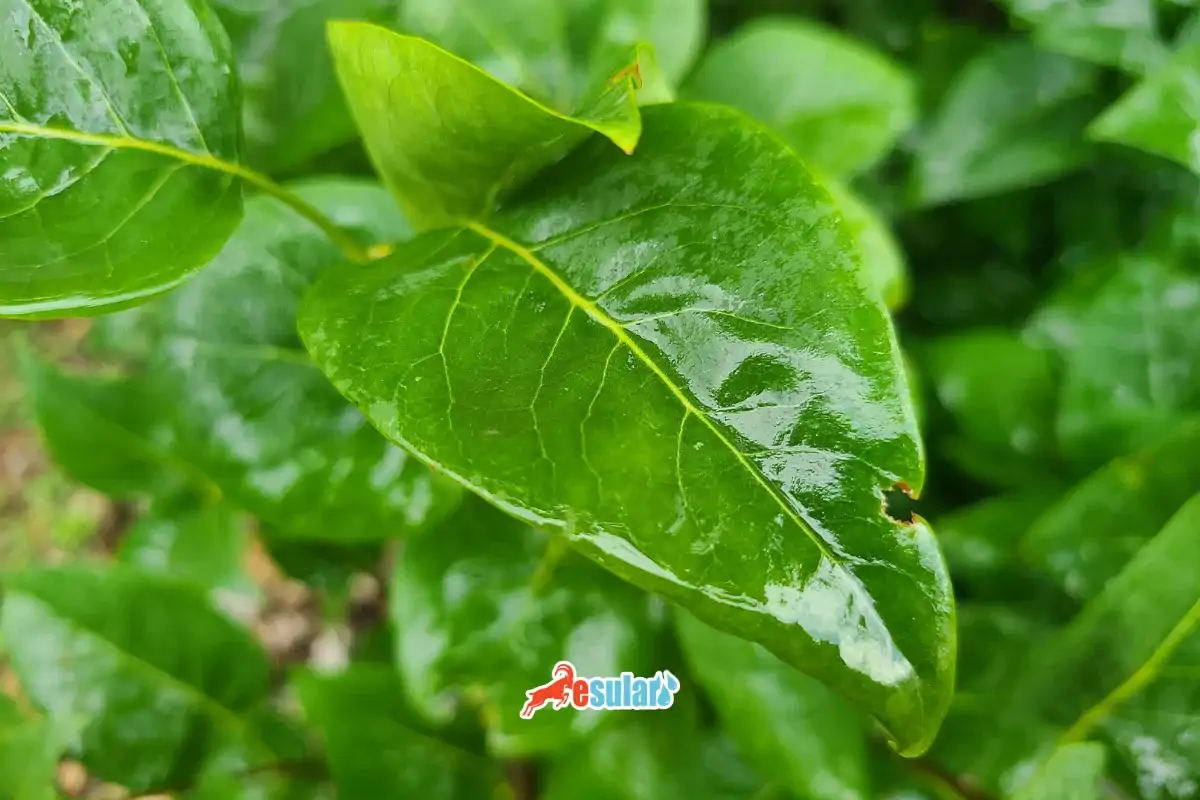
- Spotting is seen on young leaves and shoot tips. These spots dry over time, creating dead areas on the leaf edges.
- Normal growth of shoot tips stops and drying becomes evident.
- The tissue structure and fruits of the plant soften, and shelf life is shortened.
- Root development weakens.
- The plant becomes more sensitive to diseases and pests.
- Brown and black spots can turn into fungal problems over time; during this process, the area takes on a more moist appearance.
In light of these symptoms, intervening in the early stages and addressing the calcium deficiency is very important to protect plant health.

Why Does Calcium Deficiency Occur in Tomatoes?
Calcium deficiency in tomatoes occurs as a result of insufficient intake of the calcium mineral. Calcium is an important nutrient for plants. It plays a critical role, especially during fruit formation. This deficiency can be caused by various factors:
Irregular Irrigation: Irregular irrigation of the soil can make it difficult for plants to take in calcium regularly. Especially drought conditions following excessive watering can negatively affect calcium absorption.
Rapid Growth: During the rapid growth periods of plants, especially during fruit development, the need for calcium increases. If insufficient calcium is provided during these periods, calcium deficiency may be seen.
Nutrient Imbalance: The unbalanced distribution of nutrients in the soil, especially excess nitrogen and potassium, can trigger deficiency by preventing calcium uptake.
Cold Soil: Low soil temperatures at the time of planting can reduce calcium absorption. Organisms that make calcium available for plants cannot work effectively at low temperatures.
Soil Salinity: Soils with high salt content can prevent calcium from being taken up by the roots.
Root Damage: Damage to the roots during planting or tillage operations can cause calcium deficiency by negatively affecting the plant's water and nutrient uptake.
Considering these factors and taking appropriate measures can help minimize the risk of calcium deficiency in tomatoes. Regular irrigation, ensuring nutrient balance, and maintaining suitable temperature conditions are among these measures.
What Is Good for Calcium Deficiency in Tomatoes?
There are several effective methods to treat calcium deficiency. First, using specifically formulated fertilizers containing calcium is an effective method to provide calcium to plants quickly. If calcium deficiency is detected as a result of soil analysis, fertilizers containing appropriate amounts of calcium should be added to the soil.
Regular irrigation also plays an important role in dealing with calcium deficiency. However, excessive irrigation should be avoided. Limiting the use of phosphorus fertilizers can also increase calcium uptake. Because excess phosphorus can prevent plants from taking up calcium. Controlling the soil pH level is also a factor affecting calcium absorption. Keeping the soil pH at an appropriate level helps plants take in calcium better.
Finally, foliar fertilization is also an effective method in combating calcium deficiency. With this method, applying fertilizers containing calcium directly to the plant's leaves helps to quickly rectify the deficiency. These measures are effective steps towards reducing calcium deficiency in tomatoes and supporting the healthy growth of plants. However, it is always recommended to consult an expert or agricultural specialist to determine the most appropriate treatment method for each situation.
When Should Calcium Be Given to Tomatoes?
Calcium application to tomato plants should generally be done before tomato seedlings are planted in the soil or at the beginning of the plants' growth period. Because in these periods, calcium is important to help plants make a healthy start and to prevent potential calcium deficiency problems.
Before the seedlings meet the soil, at the stage of soil preparation or during the planting of seedlings, the soil is enriched by adding fertilizers containing calcium. This can increase the general health of plants by strengthening root systems and supporting the beginning of calcium intake.
Especially when the first green leaves begin to appear, it is important to perform regular fertilization with fertilizers containing calcium. Because at this stage, as the plants grow rapidly, their need for calcium increases. Therefore, regular fertilization contributes to the growth of healthier and more resistant plants by supporting the general growth and development of the plants.
What Does Calcium Do in Plants?
Calcium plays a key role in the hardening of plant cell walls and tissues. This property strengthens plant tissues, providing protection against fungal and bacterial infections. It also protects the plant against freezing and thawing stress, preventing frost damage. Calcium is also effective in regulating cell division and cell development. Therefore, it contributes significantly to root elongation, plant growth, and development.
Rotting and cracking can occur in fruits and vegetables that do not receive enough calcium. For example, symptoms such as bitter pit in apples and blossom end rot in tomatoes can be a result of calcium deficiency. It should not be forgotten that not having sufficient calcium in fruits can also increase sensitivity to physiological disorders and fungi during the storage process.
Yorumlar