
Climate Control in Greenhouses and Successful Cultivation Guide

24 Ocak 2026 Çağla Altıntaş 0 görüntülenme
Tüm Yazılar

Climate Control in Greenhouses and Successful Cultivation Guide

Greenhouses are special environments where production can be carried out year-round by ensuring plants grow in ideal conditions. However, the correct control of climate factors such as temperature, humidity, light, and air circulation in greenhouses forms the basis of efficient and high-quality production. In this guide, you can find effective methods and technologies for climate control in greenhouses, along with tips required for sustainable and successful cultivation. By optimizing your greenhouse, you can both increase product quality and provide energy and resource savings.

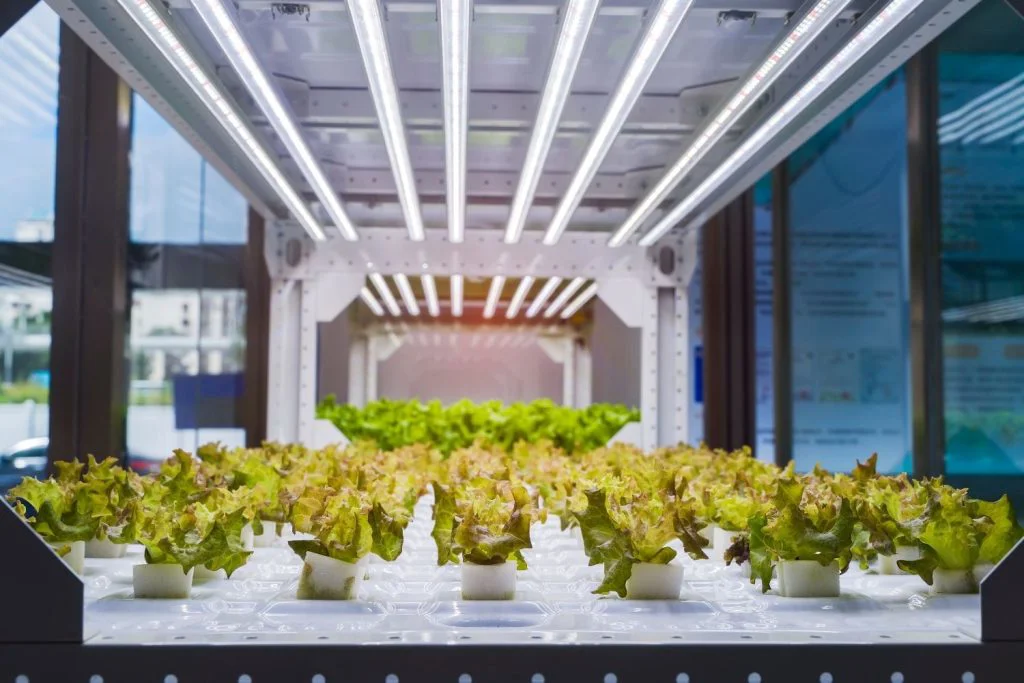
Light Factor and Management

Light management in greenhouses is of critical importance, especially during the winter months. In greenhouses where off-season cultivation is carried out, measures must be taken to ensure the highest level of benefit from light in order to obtain maximum yield from plants during periods when day length and illumination decrease. The amount and quality of illumination within the greenhouse are affected by many factors. Factors such as the thickness of the skeleton material, the geographical location and orientation of the greenhouse, the degree of the roof angle, the quality and cleanliness of the covering material used, the distances between plant rows, and planting density have a direct effect on illumination. In cases where illumination is limited during the growing period, it is mandatory to make a very careful sowing-planting plan to balance this deficiency.

Important Points:

  • Greenhouse orientation should preferably be in the east-west direction
  • The roof angle should be adjusted between 27-35 degrees
  • Covering material should be cleaned regularly
  • Plant row spacing should be arranged to allow light penetration
  • Shading systems should be adjusted according to the season
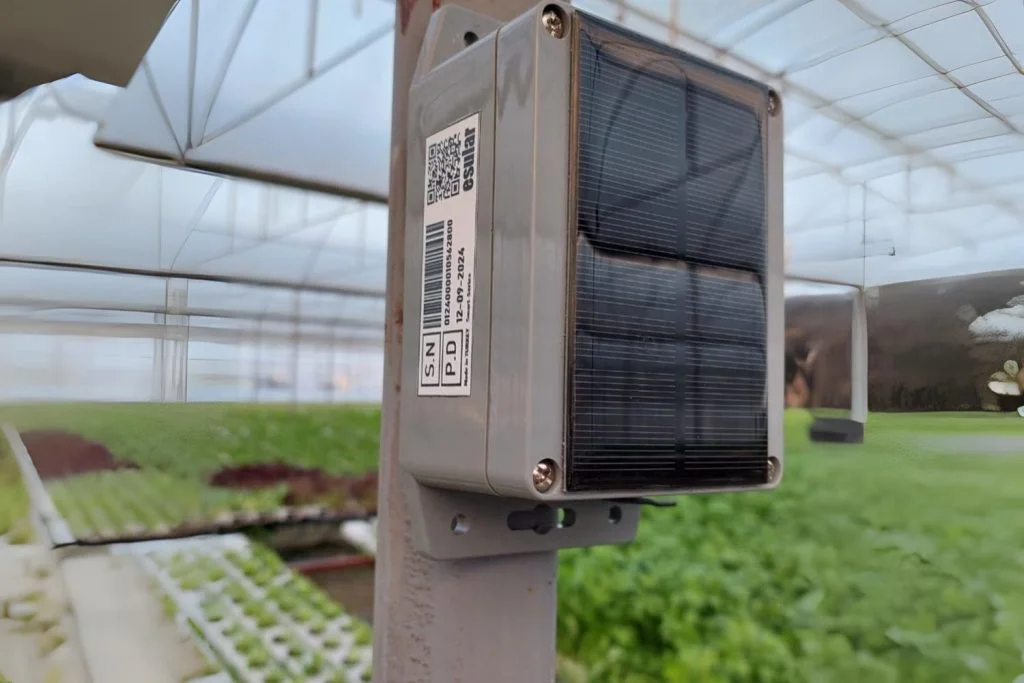
sera-otomasyonu

Temperature Control and Balancing

Temperature control in greenhouses works on the “greenhouse effect” principle. This effect occurs as a result of short-wave solar rays turning into long-wave heat rays on the greenhouse covering material. What is important in temperature control is the correct management of day-night temperature differences. Plants develop better not at constant temperatures, but in environments where there are specific temperature differences between day and night. Lower temperatures should be preferred when light intensity is low, and higher temperatures when light intensity is high. When this balance is not provided, plants either become very long and weak, or stunted and slow-growing.

 Critical Values:

  • In summer, solar rays are 10 times more than in winter
  • Under ideal conditions, 70-80% of the sunlight passes into the greenhouse in summer
  • In winter months, this rate falls below 50%
  • The day-night temperature difference should be 5-7°C
  • Excessive temperatures should be avoided (above 35°C)
sera

Humidity Control and Ventilation

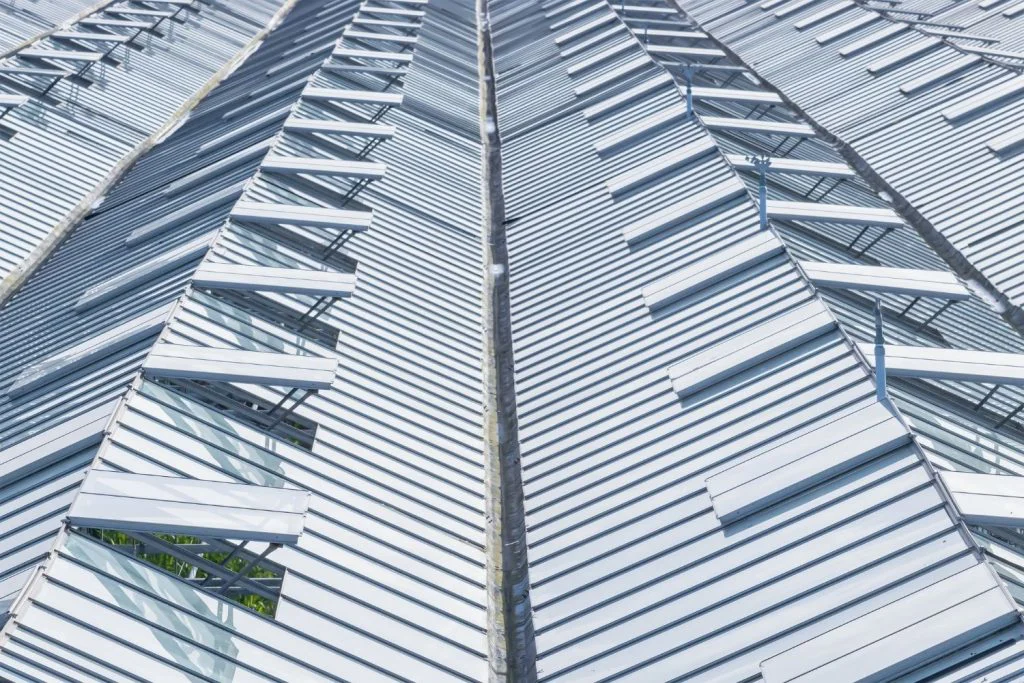
Humidity control in greenhouses is of vital importance for plant health and development. A suitable ventilation system is essential for a good climate adjustment. Since warm air has the ability to hold more moisture than cold air, the air becomes drier with increased heating and the relative humidity in the greenhouse decreases. Conversely, relative humidity rises with falling temperatures. When the saturation point is reached, condensation begins. This situation is a common problem especially in cold greenhouses during the spring and autumn months.

 Basic Requirements:

  • Relative humidity should be kept between 60-80%
  • Roof ventilation should be as much as 16-20% of the greenhouse area
  • Side ventilation should be at least half of the roof ventilation
  • Ventilation windows should be placed considering the wind direction
  • Night ventilation should be performed to prevent condensation
sera-havalandirma

Shading and Cooling Systems

With the increasing illumination in the summer months, the temperature inside the greenhouse also rises. The greenhouse ventilation system may not always be sufficient to reduce the temperature to the desired level. In this case, shading must be done and additional cooling measures must be taken. The shading material must weaken the high light intensity and the specific spectral range of illumination. At the same time, it should be resistant to external factors and easily removable when necessary.

 Application Methods:

  • Mechanical shading (straw mats, blinds, net systems)
  • Lime whitewash application (1-2 kg of lime per 10 liters of water)
  • Water pulverization systems
  • Roof sprinkling systems
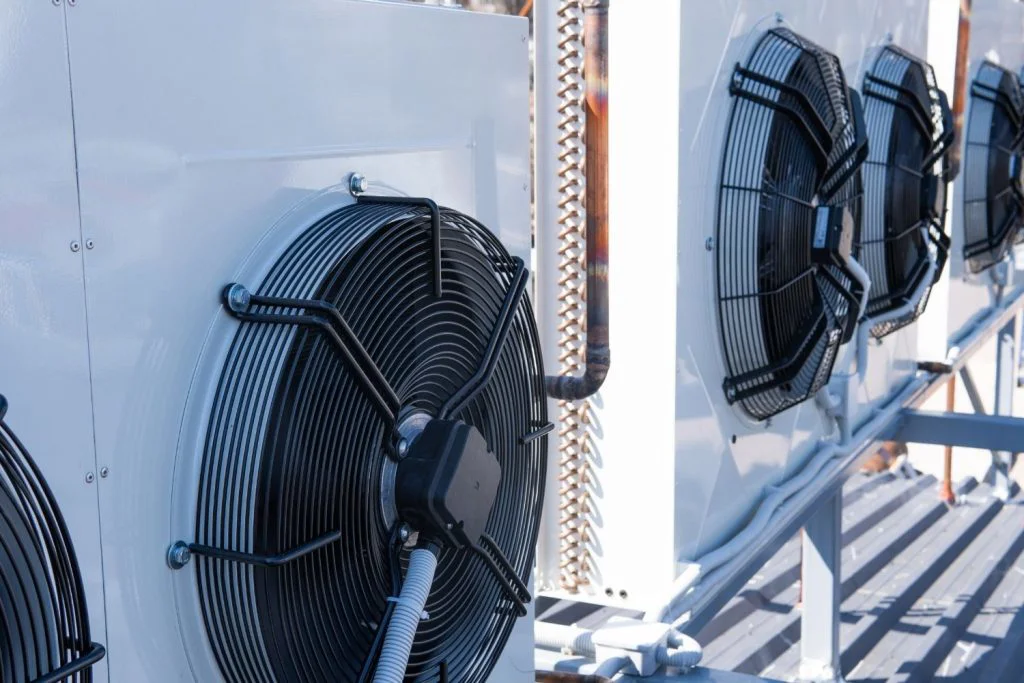
  • Fan-pad cooling systems
sera

Heating Systems and Energy Management

One of the highest cost items in greenhouse cultivation is heating expenses. While depreciation and labor costs do not show great differences by region, heating costs show significant changes according to regional conditions. For this reason, greenhouse cultivation is concentrated in our southern coastal regions where heating costs are lower. Research and practical observations have shown that the most suitable heating in greenhouses, including our southern coastal regions, may not be economical. For example, in heating to keep a one-decare greenhouse at 15°C for 7 months from October to April, regional differences lead to serious cost changes.

 Important Points for Heating Systems:

  • Central heating systems are the most efficient solution
  • Independent heaters provide more flexible use
  • One heating unit is required for every 50-400 m² of area
  • Fuel consumption varies between 500-1000 liters per decare
  • Thermal insulation plays a critical role in reducing costs

Climate Requirements of Plants and Species-Specific Management

Each plant species has its own specific climate requirements, and meeting these requirements is essential for successful cultivation. The tomato plant, for example, has different temperature requirements in different growth periods starting from seed sowing. While it requires an optimal temperature of 20-22°C during the germination period, temperatures of 18-20°C during the day and 12-14°C at night are sufficient during the growth period. The cucumber plant, on the other hand, requires higher temperature and humidity; temperatures of 24-28°C during the day, 16-20°C at night, and a humidity rate of 70-90% are necessary for optimal development.

 Critical Values by Species:

  • Tomato: Optimal temperature for flowering is 17-27°C
  • Cucumber: Optimal soil temperature is 18-20°C
  • Pepper: Day 22-28°C, night 18-20°C
  • Eggplant: Optimal humidity rate is 60-70%
sicaklik-ve-nem-olcumu

Water and Irrigation Management

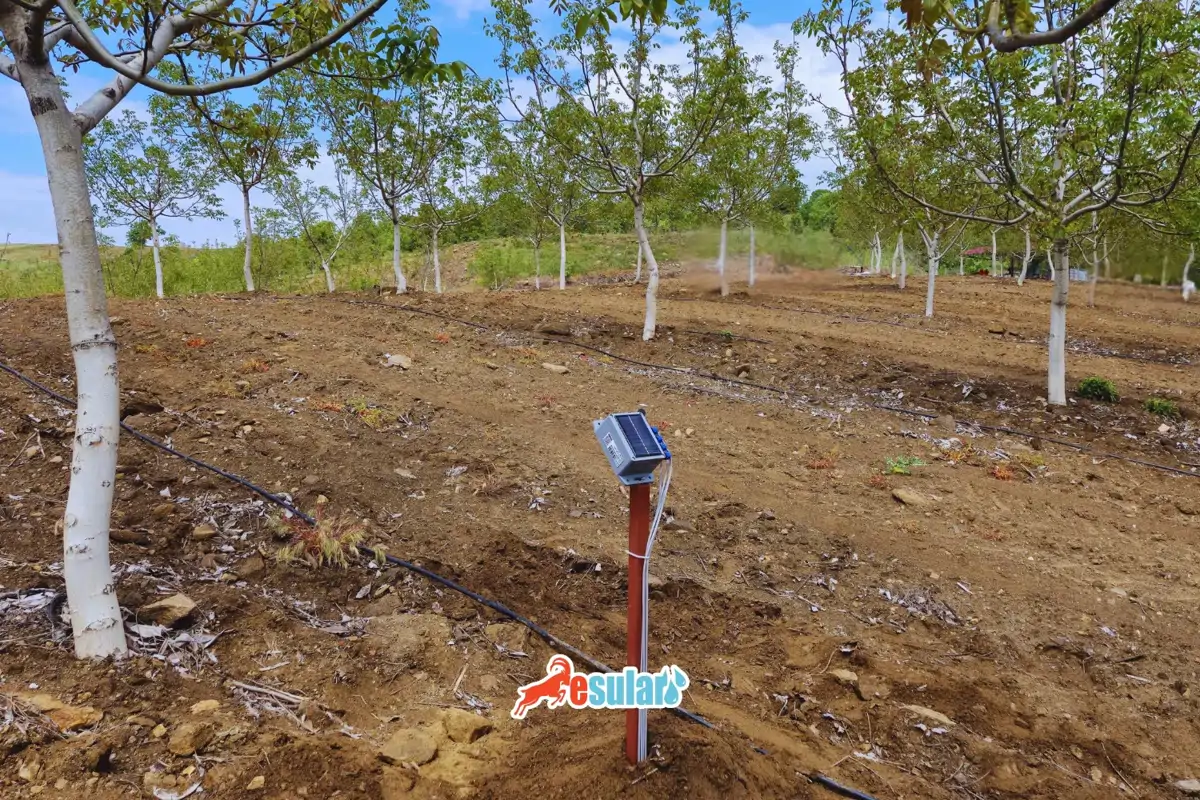
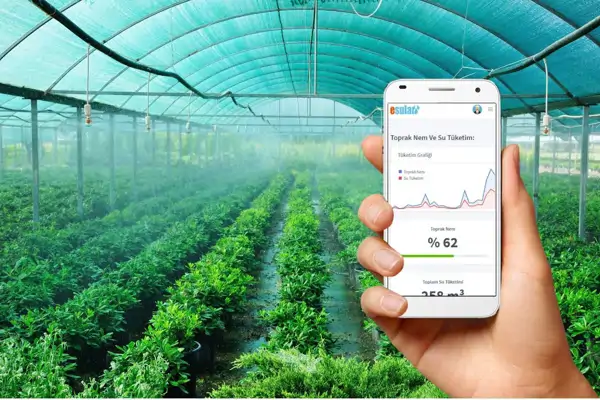
Water management in greenhouses is an important part of climate control. Water is used both for the direct nutrition of plants and in regulating the humidity and temperature inside the greenhouse. Sudden changes in soil moisture negatively affect plant development and cause yield losses. Regular and controlled irrigation is of vital importance, especially for plants with high water consumption such as cucumbers. Under high light and temperature conditions, there can be a daily water consumption of 2.5-4 liters per square meter. In overcast weather and low temperatures, since evaporation decreases, the amount and frequency of irrigation should be reduced.

Basic Principles for Irrigation Management:

  • Soil moisture should be kept around 60-70%
  • Irrigation water temperature should be 18-22°C
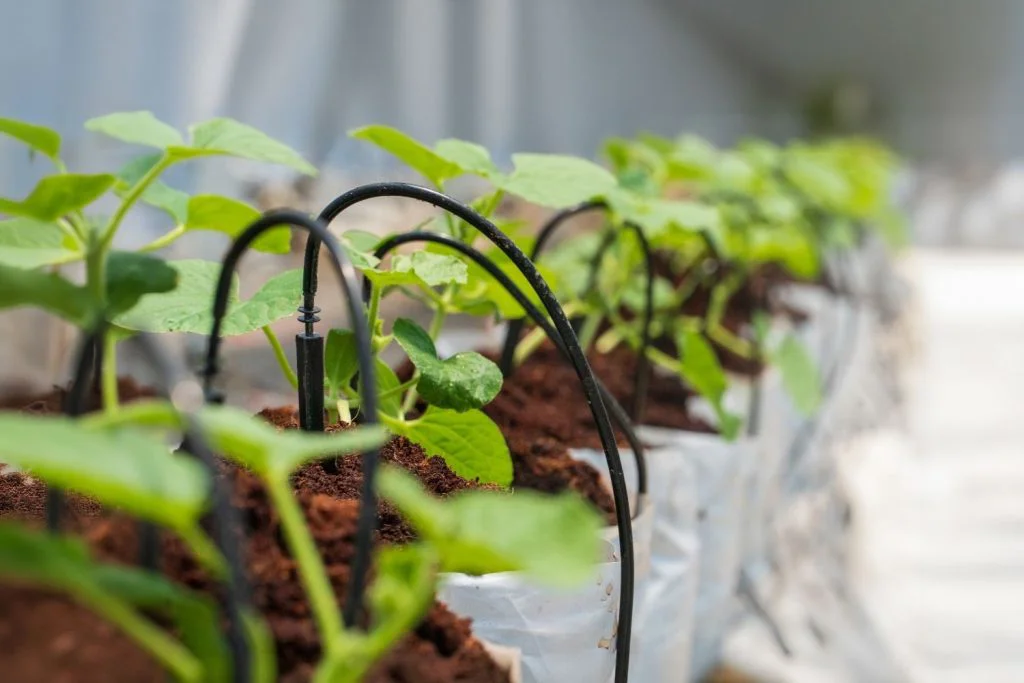
  • Drip irrigation system should be preferred
  • Irrigation should be done in the morning hours
  • Water quality should be checked regularly

Climate Factors in Disease and Pest Control

  • Climate conditions inside the greenhouse directly affect the development of diseases and pests. Especially high humidity and stagnant air conditions create an ideal environment for the development of fungal diseases. Common diseases such as Botrytis (gray mold) spread rapidly in conditions where the humidity rate rises above 85% and air circulation is insufficient. On the other hand, very low humidity levels encourage the proliferation of pests such as spider mites.

 Protective Measures:

  • Regular ventilation should be performed
  • Morning condensation should be prevented
  • Plant density should be kept at an optimal level
  • Diseased plants should be removed immediately
  • Sanitation rules should be followed


Note: The information in this guide contains basic principles of greenhouse cultivation. It is important to remember that each greenhouse has its own unique conditions and that this information should be adapted according to local conditions. The values given are of a general reference nature. They may vary according to regional climate conditions, greenhouse type, and the variety of plant grown.

sera-nemi-nasil-takip-edilir

Morning condensation is a problem frequently encountered in greenhouses during night and morning hours that negatively affects plant health. This situation occurs as the air inside the greenhouse cools down during the night and the humid air condenses in the form of water droplets on colder surfaces—the greenhouse roof and plant leaves. When the morning sun begins to heat the greenhouse, the condensed water falling on the plants can lead to various problems:

  • Leaf burns: Water drops can cause burns on leaves by concentrating sunlight.
  • Spread of fungal diseases: High humidity and water puddles accelerate the development of fungal diseases.
  • Prevention of pollen dispersal: In plants such as tomatoes, the dispersal of pollen becomes difficult, which can reduce yield.
  • Spotting on fruits and leaves: Condensation can cause visual defects in products.

Measures That Can Be Taken to Prevent Morning Condensation

  1. Night Ventilation: Reduce moisture accumulation inside the greenhouse by performing low-level ventilation throughout the night. Apply ventilation carefully; ensure that cold air currents do not damage the plants.
  2. Early Morning Heating: Lightly heat the greenhouse 1-2 hours before sunrise. This method prevents sudden condensation by gradually increasing the air temperature.
  3. Air Circulation: Ensure air movement using fans inside the greenhouse. This prevents the formation of stagnant air zones and ensures even distribution of humidity.
  4. Insulation: Reduce heat loss by using double-layer covering systems. Strengthen greenhouse insulation with energy screens throughout the night.
  5. Humidity Control: Avoid excessive irrigation in the evening hours. Take care to keep the night humidity rate between 70-80%.

These measures help protect the health of plants and the quality of products by minimizing morning condensation. Not ignoring this issue, especially in winter months and seasonal transitions, increases productivity.
Yorumlar

Daha Fazla İçerik İster misiniz?

Akıllı tarım hakkında en güncel içerikleri takip edin.