What is an Electromagnetic Flowmeter and Why is it Vitally Important?
Accurately measuring the flow rate of liquids in industrial and agricultural processes is an indispensable necessity in terms of operational efficiency, product quality, environmental sustainability, and occupational safety. Among the flow measurement systems that come into play at this point, electromagnetic flowmeters hold a special place within modern flowmeter technologies, especially in the measurement of conductive liquids. They are highly popular due to the advantages they offer in challenging industrial flow measurement applications, thanks to their high accuracy, reliability, and lack of moving parts. These devices are considered one of the fundamental components of modern industrial automation systems.
So, what exactly is an electromagnetic flowmeter and what does it do? Electromagnetic flowmeters are sophisticated fluid measurement system elements designed to measure the volumetric flow rate of conductive liquids, operating based on the principle of Faraday's Law of Electromagnetic Induction. This technology provides precise and reliable measurements in many critical sectors such as water and wastewater management, the chemical industry, and food and beverage production. In this comprehensive guide, we will take a closer look at the world of electromagnetic flowmeters, examining their working principles, wide range of application areas, comparisons with other flowmeter types, advantages, and disadvantages in detail. Furthermore, we will also address how these flowmeters are integrated into smart irrigation and smart farming solutions with Esular's expertise in agricultural technologies.
Working Principle of Electromagnetic Flowmeters: The Power of Faraday's Law
The working principle of electromagnetic flowmeters is based on the Law of Electromagnetic Induction, discovered by Michael Faraday in the 19th century and based on James Clerk Maxwell's electromagnetic theory. This law states that when a conductive object (in this case, a liquid) moves through a magnetic field, an electrical voltage (potential) will be induced that is directly proportional to the movement speed of the object.
The internal structure of an electromagnetic flowmeter is designed to optimize this principle for flow measurement:
- Magnetic Field Generation: A constant magnetic field (B) is created via coils (usually two) placed outside the flowmeter body. These coils are powered by direct current (DC) or low-frequency alternating current (AC). The strength of the magnetic field directly affects measurement sensitivity.
- Movement of Conductive Liquid: The conductive liquid to be measured flows through this magnetic field at a certain velocity (v). The ions and charged particles within the liquid are oriented by the effect of the Lorentz force while moving within the magnetic field, creating a potential difference (voltage) between electrodes integrated into the pipe wall.
- Voltage Detection: Two electrodes mounted on the inner wall of the pipe (usually made of corrosion-resistant materials such as stainless steel, Hastelloy, or Titanium) detect this small induced voltage. The induced voltage (E) is directly proportional to the flow velocity of the liquid (v), the strength of the magnetic field (B), and the distance between the electrodes (D, i.e., the pipe diameter). This relationship is expressed by the fundamental equation of Faraday's Law:
Where:
- E: Induced voltage (mV)
- B: Strength of the magnetic field (Tesla)
- v: Average flow velocity of the liquid (m/s)
- D: Distance between electrodes (pipe diameter) (m)
This equation clearly shows that as the flow velocity increases, the induced voltage also increases. The detected low voltage signal is processed by special electronics integrated into the flowmeter and converted into flow velocity. Using this velocity information and the known pipe cross-sectional area, the volumetric flow rate (Q) is easily calculated:
Where:
- Q: Volumetric flow rate (m³/s or L/s)
- A: Pipe cross-sectional area (m²)
- v: Average flow velocity of the liquid (m/s)
Thanks to this principle, the electromagnetic flowmeter can perform precise measurements without containing any moving parts. The absence of moving parts ensures that pressure loss due to friction or wear and the risk of clogging are minimized. Additionally, the liner material on the inner surface of the pipe (e.g., PTFE, PFA, Ebonite, Polyurethane) prevents contact of the pipe material with the conductive liquid, providing protection against corrosion and offering suitability for liquids with different chemical properties.
Industrial and Agricultural Application Areas and Examples
The versatility and robust structure of electromagnetic flowmeters make them a preferred solution in a wide range of flowmeter application areas. The main sectors where they are used and examples include:
Water and Wastewater Management
In this sector, electromagnetic flowmeters play a critical role in the effective management of water resources and environmental protection.
- Drinking Water Distribution Networks: Used for flow tracking before and after water reaches the consumer in city networks, determining non-revenue water rates, and billing.
- Wastewater Treatment Plants: Provides precision in measuring different process waters (sludge, aeration water, chemical dosage) at inlet and outlet lines and during treatment stages. The fact that they do not clog is a major advantage, especially in the measurement of wastewater containing sediment and solid particles.
- Pump Stations: Optimizes pump efficiency by monitoring the flow rate of pumped water and helps manage energy consumption.
- Rainwater Management: Used for monitoring rainwater flow in urban drainage systems, flood control, and water collection projects.
Chemical Industry
The chemical industry is a challenging environment that requires precise measurement of corrosive, abrasive, and hazardous chemicals.
- Acids, Bases, and Caustics: Used by selecting special liner and electrode materials (e.g., PTFE liner and Hastelloy electrodes) for safe and accurate measurement during the dosing, mixing, and transfer of conductive and corrosive chemicals such as sulfuric acid, hydrochloric acid, and sodium hydroxide.
- Chemical Dosing Systems: Precise measurement of chemicals added to reactions is essential for product quality and process control.
- Corrosion Resistance: The fact that electromagnetic flowmeters contain no moving parts and offer different liner/electrode options provides long-lasting and reliable solutions for measuring such aggressive chemicals.
Food and Beverage Industry
Hygiene, precision, and ease of cleaning are priorities in the food and beverage sector.
- Dairy and Dairy Products: Volumetric flow measurement in production and filling lines for products such as milk, yogurt, and ayran.
- Fruit Juice, Beer, Wine: Measures the flow of conductive beverages in fermentation, mixing, and filling processes with hygienically designed (CIP/SIP compatible) models.
- Hygienic Designs: Connection types specifically developed for this sector that contain no dead volume and are easily disinfected (CIP - Clean-in-Place and SIP - Sterilize-in-Place) (e.g., Tri-Clamp) and food-grade materials (e.g., 316L stainless steel electrodes) are used.
- Viscous Liquids: Also successful in measuring high-viscosity conductive liquids such as honey and syrup.
Pulp and Paper Industry
This sector generally involves fluids with high solid content, which are abrasive and viscous.
- Pulp Flow: Measuring the flow of paper pulp at different concentrations is critical for paper quality and production efficiency. Electromagnetic flowmeters provide accurate measurement without clogging in fluids containing fibrous and solid particles.
- White Water Management: Flow tracking of recycled water (white water) is important in terms of water and energy savings.
- Chemical Dosing: Precise dosing of chemicals (dyes, bleaches) used in paper production.
Mining and Metallurgy Industry
Fluids in the mining and metallurgy sector can often be abrasive, have high solid content, and possess high temperatures.
- Abrasive Slurries: Measurement of abrasive slurries (such as iron ore and copper concentrate) and process waters. Liner materials with high abrasion resistance (e.g., polyurethane, neoprene) are preferred for these applications.
- Process Waters: Flow tracking of water used in processes such as washing, separation, and flotation.
- Power Plants: Electromagnetic flowmeters also find a place in cooling water circuits and chemical dosing lines.
Agricultural Applications and Smart Irrigation
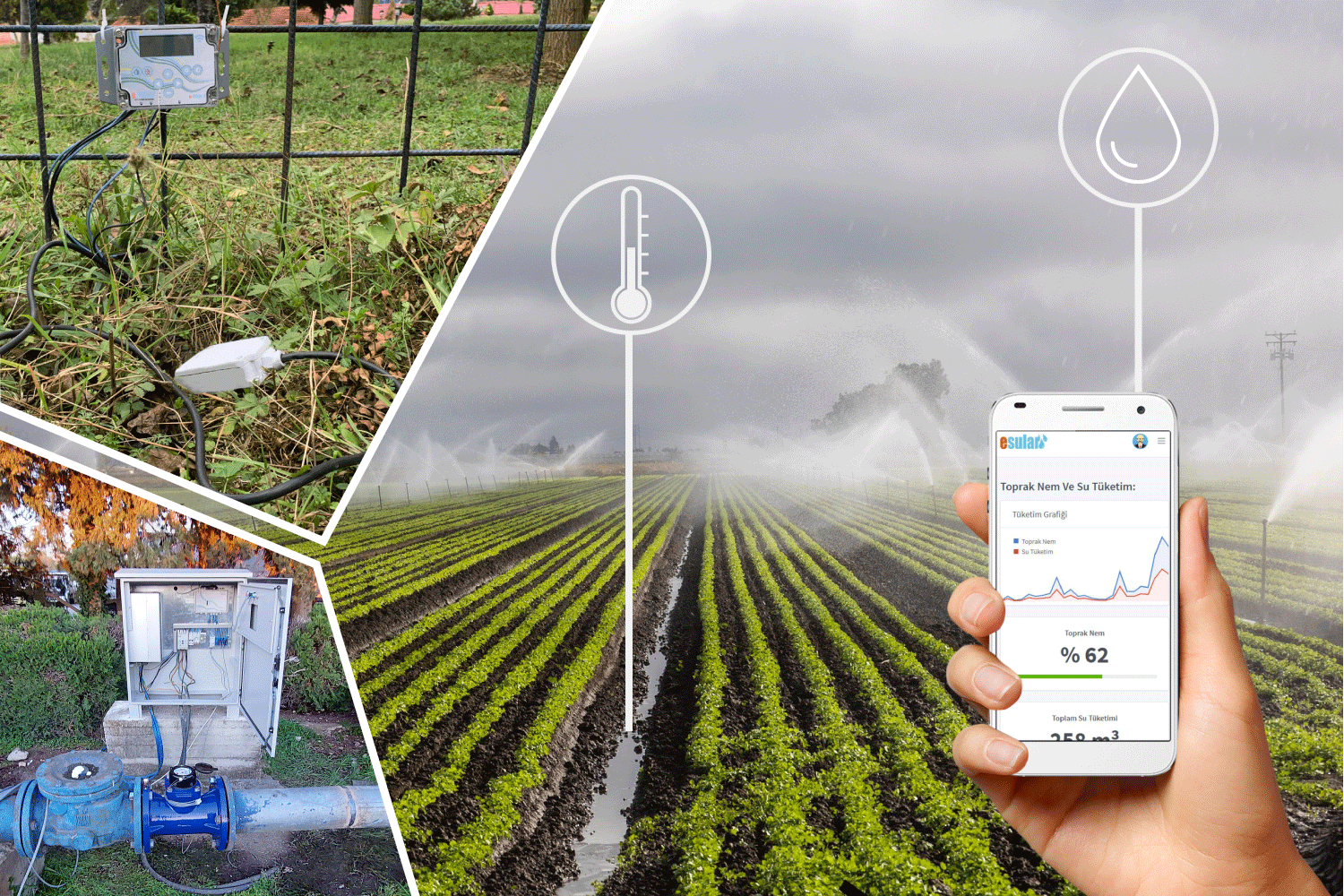
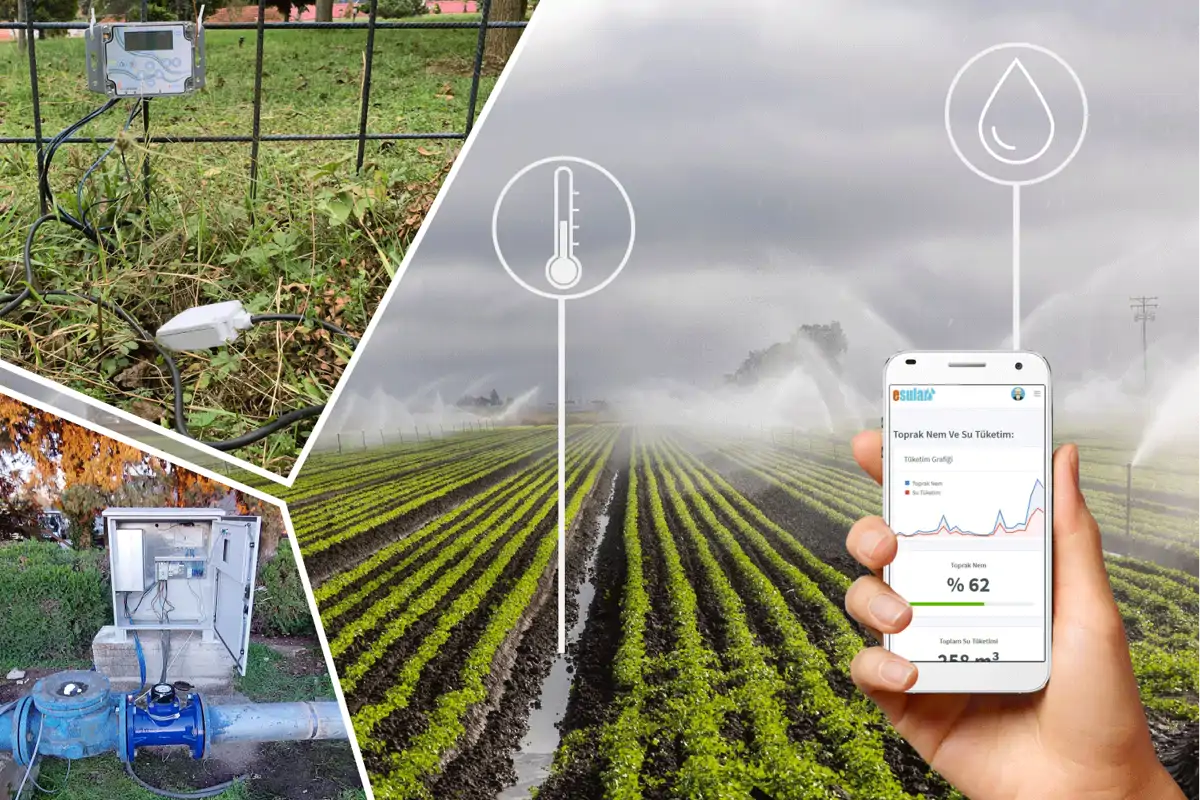
In smart irrigation systems and smart farming solutions, which are our area of expertise as Esular, electromagnetic flowmeters play a key role in the precise management of water:
- Pivot and Drip Irrigation Systems: Instantaneous and total measurement of water flow in Pivot or drip irrigation lines ensures that each plant or plot receives the correct amount of water. This is of critical importance for the efficient use of water resources.
- Fertilization Systems (Fertigation): Used for the precise dosing of liquid fertilizers given along with water (fertigation). This ensures plants receive the correct nutrients and prevents fertilizer waste. When integrated with solutions such as Esular's Automatic Liquid Fertilization System, the efficiency of fertilization is maximized.
- Water Quality Monitoring: Monitoring the flow along with parameters such as EC (Electrical Conductivity) and pH of the irrigation water is important for soil health and plant development.
- IoT-Based Farming Solutions: Data received from electromagnetic flowmeters is transferred to IoT platforms, providing farmers with instantaneous flow information, consumption reports, and anomaly alerts. In this way, irrigation schedules can be optimized more accurately and potential failures can be detected early.
- Loss and Leakage Detection: Identifying and preventing water losses in irrigation networks provides great benefits in terms of water conservation.
In agricultural applications, electromagnetic flowmeters contribute to environmental sustainability and increase the profitability of farmers by preventing the waste of valuable resources such as water and fertilizer. These flowmeters, integrated with Esular's smart irrigation control devices and soil moisture sensors, offer a powerful tool to make agricultural production more precise and efficient.
Comparison with Other Flowmeter Types: Why Electromagnetic Flowmeter?
There are many different flowmeter technologies available on the market for measuring liquid flow. Each has its own unique advantages and disadvantages. By comparing electromagnetic flowmeters with other common types, we can better understand in which situations they are the most suitable option.
Electromagnetic Flowmeter vs. Ultrasonic Flowmeter
Ultrasonic flowmeters measure the flow velocity of a liquid using sound waves (ultrasonic). Sound waves are sent and received via transducers, usually clamped to the outside of the pipe or placed inside the pipe. The flow velocity is calculated from the difference in the transit times of sound waves in the direction of flow and against the direction of flow. This difference varies depending on the velocity of the liquid.
Electromagnetic Flowmeter vs. Turbine Flowmeter
Turbine flowmeters measure the rotation speed of a mechanical rotor that turns under the influence of the fluid. The rotation speed of the rotor is directly proportional to the flow velocity of the liquid. These rotations are converted into electrical signals via magnetic sensors to determine the flow rate.
Electromagnetic Flowmeter vs. Mass Flowmeter (Coriolis)
Mass flowmeters measure mass flow directly based on the Coriolis force principle. In vibrating tubes through which the fluid passes, Coriolis force is generated due to the mass and velocity of the fluid. This force leads to twists in the tubes, and the mass flow rate is determined by measuring the amplitude and phase difference of these twists.
Advantages and Disadvantages of Electromagnetic Flowmeters
As with every technology, electromagnetic flowmeters have their strengths and weaknesses. This section will detail the benefits and potential limitations offered by these devices.
Advantages of Electromagnetic Flowmeters:
Disadvantages of Electromagnetic Flowmeters:
Considering these advantages and disadvantages, electromagnetic flowmeters offer an ideal solution for many industrial and agricultural applications where conductive liquid flow needs to be measured with high accuracy and reliability.
Maintenance and Calibration Processes
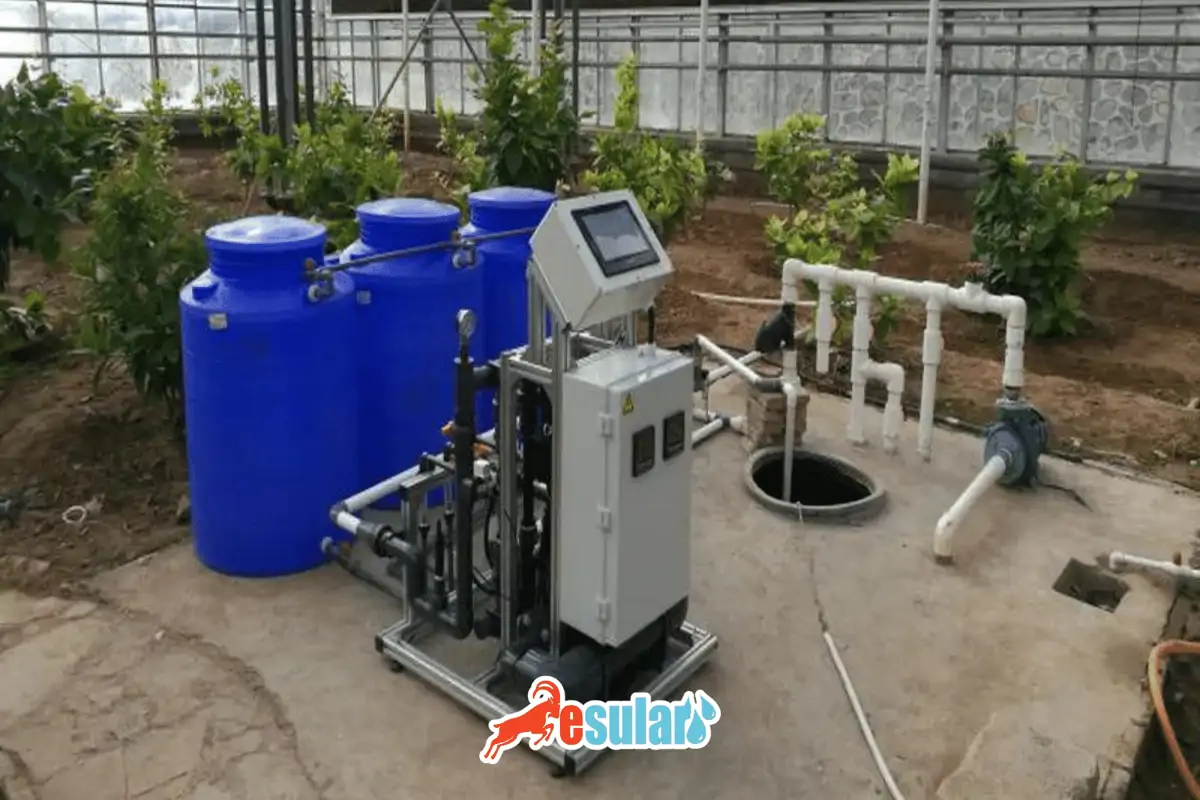
Electromagnetic flowmeters generally require less maintenance than other types of flowmeters because they contain no moving parts. However, certain maintenance and calibration processes are of critical importance to maintain long-term accuracy and reliable performance.
Maintenance Procedures:
Electromagnetic flowmeter maintenance and repair procedures mostly include the following steps:
- Electrode Inspection and Cleaning: Deposits can form on electrode surfaces, especially in liquids that can cause coating (fouling) (e.g., lime, oil, fibrous materials). These deposits prevent the electrodes from accurately sensing the voltage signal, leading to measurement errors. Therefore, it is important to periodically check the electrodes and clean them if necessary using appropriate cleaning methods (mechanical cleaning, chemical washing). The frequency of cleaning depends on the characteristics of the measured fluid and process conditions.
- Liner Inspection: The inner liner of the flowmeter should be checked for wear, corrosion, or bubble formation. Damage to the liner can affect measurement accuracy and even cause the liquid to come into contact with the flowmeter body.
- Cable Connections and Grounding: Due to their sensitivity to electrical noise, it must be ensured that signal cables and grounding connections are secure and correct. Loose connections or incorrect grounding can cause erroneous readings.
- Environmental Conditions: Environmental conditions such as temperature, humidity, and vibration that the flowmeter is exposed to can affect the device's performance. It must be ensured that these conditions comply with the manufacturer's specifications.
Calibration Procedures:
Periodic electromagnetic flowmeter calibration is critical for maintaining accuracy. Calibration is the process of verifying the device's measurement values against a known standard and adjusting them if necessary.
As Esular, we emphasize the importance of regular maintenance and calibration of all flowmeters and sensors used in our smart irrigation systems. In this way, we ensure that our farmers reach the most accurate data and use water and energy resources in the most efficient way.
Electromagnetic Flowmeter Selection Criteria and Installation Tips
Correct electromagnetic flowmeter selection is vital for the success of your project. There are many factors to consider when choosing and installing a flowmeter. Incorrect selection or faulty installation can lead to measurement errors, system failures, and additional costs.
Electromagnetic Flowmeter Selection Criteria:
Electromagnetic Flowmeter Installation Tips:
Correct electromagnetic flowmeter installation directly affects the device's performance and measurement accuracy.
- Straight Pipe Lengths: A certain length of straight pipe is required before and after the flowmeter. Generally, a straight pipe length of 5-10 pipe diameters (5-10D) before and 2-5 pipe diameters (2-5D) after the flowmeter is recommended. This ensures the flow profile stabilizes and accurate measurement is performed.
- Full Pipe Flow: It is mandatory that the sensor is always completely filled with liquid. Installing the flowmeter at low points or on vertical rising lines prevents the formation of air pockets, guaranteeing full pipe flow.
- Avoiding Vibration: The flowmeter should be installed away from sources of vibration such as pumps or valves. Excessive vibrations can affect measurement accuracy.
- Grounding: Proper grounding is vital to minimize electromagnetic interference (EMI) and ensure reliable measurement. The flowmeter body and pipeline must be appropriately grounded.
- Access and Maintenance: Easy access to the flowmeter should be provided for maintenance and calibration procedures. Bypass lines or isolation valves should be considered if necessary.
- Staying Away from Magnetic Fields: An installation site should be chosen away from equipment that creates strong magnetic fields in the immediate vicinity (e.g., large motors, transformers).
As Esular, we offer professional support in the selection and installation of electromagnetic flowmeters and our other flow measurement devices. You can contact our expert team to determine the most suitable solution according to the characteristics of your projects and ensure your system runs smoothly.
Esular and Electromagnetic Flowmeter Integration: The Future of Smart Farming
Esular, with its pioneering role in agricultural technology, offers unique advantages to farmers by integrating precise flow measurement data provided by electromagnetic flowmeters into smart farming systems. This integration plays a key role in optimizing water and resource management, increasing efficiency, and supporting environmental sustainability.
The Role of Electromagnetic Flowmeters in Esular Solutions:
- Precise Water Management: Esular's smart irrigation control systems dynamically adjust irrigation schedules using instantaneous flow data from electromagnetic flowmeters. This ensures that plants receive exactly the amount of water they need, preventing over-irrigation or under-irrigation. When combined with data from soil moisture sensors and meteorological stations, this makes it possible to reach water savings of up to 50%.
- Optimized Fertilization (Fertigation): In fertigation systems where liquid fertilizers are given along with irrigation water, electromagnetic flowmeters ensure precise control of fertilizer dosage. These flowmeters, integrated with Esular's Automatic Liquid Fertilization Systems, guarantee that the correct amount of fertilizer is given according to the nutrient needs of the plants, preventing fertilizer waste and reducing environmental pollution.
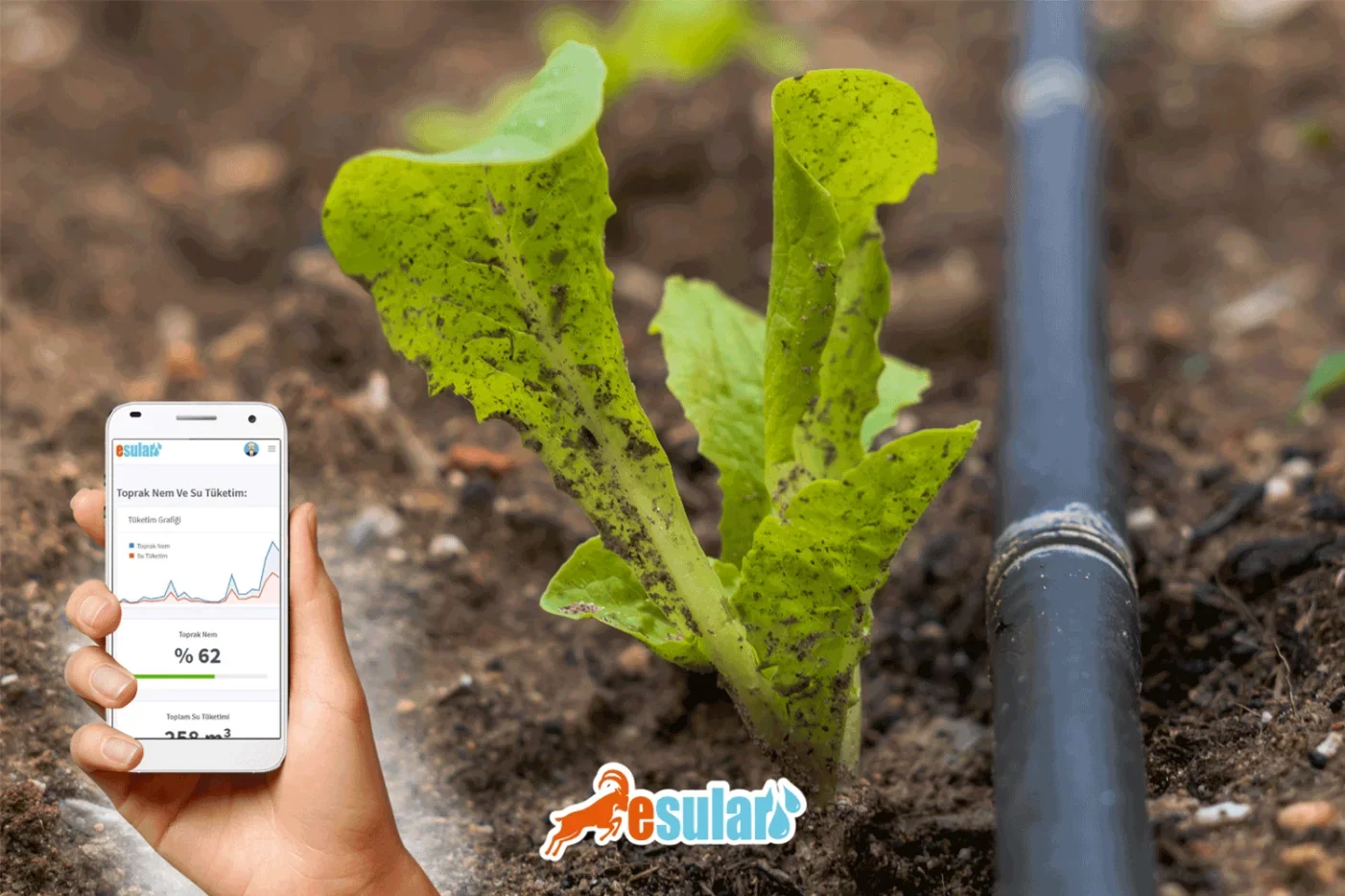
- Real-Time Monitoring and Control: Data received from electromagnetic flowmeters is transferred instantaneously to Esular's cloud-based management platform. Farmers can monitor water flow in their fields, consumption amounts, and flowmeter status in real-time via the mobile application or web interface. This allows them to quickly detect potential problems (e.g., pipe bursts, blockages) and intervene remotely.
- Data Analysis and Decision Support Systems: Collected flow data is processed with Esular's AI-powered analysis tools. These analyses offer valuable information for optimizing irrigation and fertilization strategies. Trends are determined by making comparisons with historical data, efficiency reports are created, and solid foundations are established for future decisions.
- Energy Efficiency: Precise flow control prevents pumps from running unnecessarily and optimizes energy consumption. This helps farmers lower their operating costs. Integration with Esular's frequency drive pump control systems further increases this efficiency.
As Esular, we are shaping the future of agricultural production by combining the potential of electromagnetic flowmeters with IoT and automation technologies. We continue to offer innovative solutions to ensure our farmers obtain more yield with fewer resources and to accelerate the transition to sustainable farming practices.
Conclusion: Electromagnetic Flowmeters and Their Place in Flow Measurement
Electromagnetic flowmeters have become one of the cornerstones of industrial flow measurement in the precise and reliable measurement of conductive liquids. Their working principles based on Faraday's Law of Electromagnetic Induction, their lack of moving parts, high accuracy, and wide measurement ranges offer an indispensable solution in many critical sectors.
From water and wastewater management to challenging industrial applications such as chemistry, food, pulp, mining, and metallurgy, their wide range of use proves the versatility and durability of these flowmeters. Especially in processes working with abrasive, dirty, or viscous conductive liquids, they increase operational continuity and reliability by eliminating the risk of clogging and wear.
Although they have disadvantages such as the inability to be used in non-conductive liquids and the initial investment cost being potentially higher than some other technologies, their low maintenance requirement, long life, and the high accuracy they provide make them very attractive in terms of total cost of ownership. Correct selection and appropriate installation are critical to maximizing the performance of electromagnetic flowmeters.
As Esular, with our expertise in agricultural technology, we integrate electromagnetic flowmeters into our smart irrigation and smart farming systems, ensuring that valuable resources such as water and fertilizer are used in the most efficient way. With real-time monitoring, data analysis, and automatic control capabilities, we support our farmers in achieving more sustainable, efficient, and profitable production. These fluid measurement systems are the silent but powerful heroes of industrial efficiency and environmental sustainability.
Frequently Asked Questions
Which liquids can an electromagnetic flowmeter measure?
Electromagnetic flowmeters can only measure liquids with electrical conductivity. These liquids include water (drinking water, wastewater, seawater), acids, bases, salt solutions, fruit juices, milk, beer, wine, slurries, and chemical solutions. They cannot measure non-conductive fluids such as hydrocarbons, deionized water, or gases.
What are the advantages of electromagnetic flowmeters?
The main advantages are:
- Contains no moving parts, which means low pressure loss and less maintenance required.
- Offers high accuracy and repeatability.
- Has a wide measurement range.
- Is not affected by changes in the density and viscosity of the liquid.
- Is suitable for dirty, abrasive liquids and those containing solid particles.
- Performs measurements over the full pipe cross-section.
What should be considered in electromagnetic flowmeter installation?
For correct installation, attention should be paid to the following:
- Sufficient straight pipe length (usually 5-10D before, 2-5D after) must be left before and after the flowmeter.
- It must be ensured that the sensor is always completely filled with liquid (full pipe flow).
- It should be installed away from sources of vibration and strong magnetic fields.
- Correct grounding must be performed.
- Easy access must be provided for maintenance and calibration.
How are electromagnetic flowmeter prices compared to other flowmeters?
The initial investment cost of electromagnetic flowmeters may be higher than some mechanical flowmeters such as turbine flowmeters. However, due to the low maintenance cost and long life resulting from the lack of moving parts, the total cost of ownership (TCO) is usually competitive or lower in the long run. They are generally more affordable compared to mass (Coriolis) flowmeters.
How does Esular use electromagnetic flowmeters in smart farming?
Esular integrates electromagnetic flowmeters into smart irrigation systems to precisely measure water and fertilizer flow. This data is transferred to our cloud-based platform, allowing farmers to optimize irrigation schedules, adjust fertilizer dosage, detect losses/leaks, and provide water/energy savings. This integration, combined with AI-powered analyses, enables more efficient and sustainable farming practices.