Tüm Yazılar

How is Cashew Cultivation Done?

Cashew cultivation can be successfully carried out in regions with suitable climate and soil conditions. The cashew tree comes from the Anacardiaceae family and generally grows in hot and humid climate regions such as Brazil, India, and Africa. However, today, cashew cultivation is carried out in many countries from Asia to America, from Africa to Australia. The cashew tree is valuable for both its fruit and its nut. While its fruit has a juicy texture and is consumed as edible, its nut is located inside the shell and is consumed after being processed. The cashew tree needs specific climate conditions such as temperature and humidity and is sensitive to diseases. Additionally, the cashew collection and processing stage requires attention to the toxic substance inside the shell part. Nevertheless, with correct care and management, cashew cultivation can be a long-term and profitable agricultural activity.

Where Do Cashews Grow? Do Cashews Grow in Turkey?

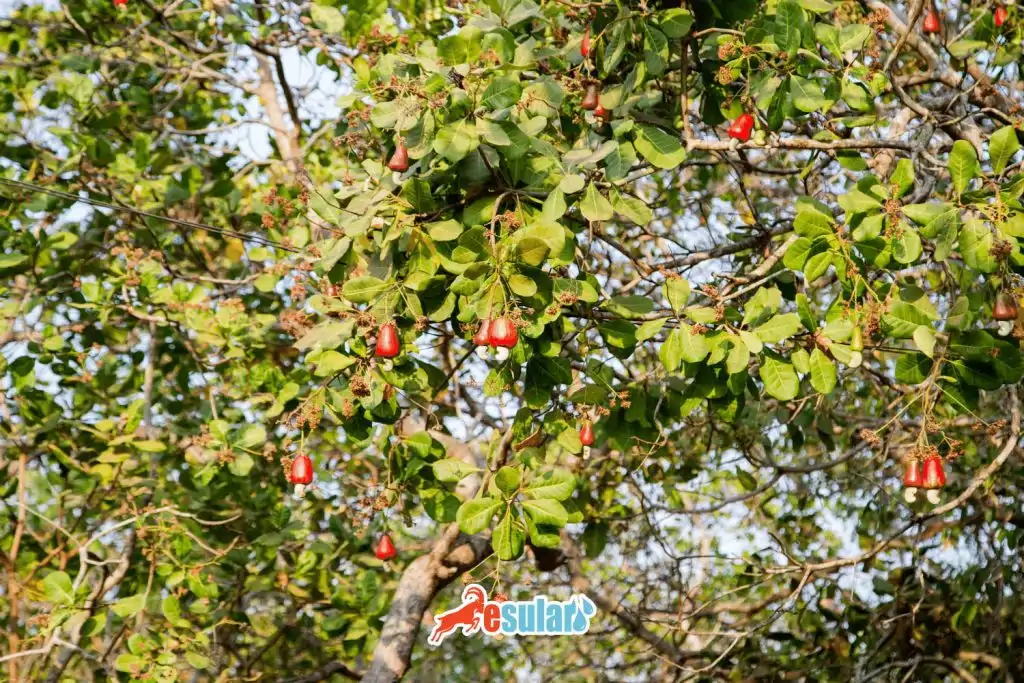
The cashew plant is a plant grown in many parts of the world as well as its homeland, Brazil. Introduced to Brazil by the Portuguese in the 16th century, the cashew plant prefers hot and humid climates. Regions such as India, China, Indonesia, South America and West Africa are among the world's largest cashew nut tree growers and nut exporters. The most suitable growth climate for cashews is generally found around the equator. Cashew cultivation is not common in Turkey, and cashews are brought into the country from abroad to be consumed as snacks. Turkey's climate generally does not provide the temperature and rainfall required by the cashew plant. Additionally, cashew trees must grow for at least five years before they begin to bear fruit. This means high costs and a long waiting period. Cashew trees need plenty of water, but it is generally difficult to find sufficient temperature and rainfall together in Turkey's climate conditions. Therefore, cashew cultivation in Turkey is limited due to climate conditions and costs.

where do cashews grow

How Should the Climate and Soil Structure Be for Cashew Cultivation?

Cashew cultivation is a task that requires providing suitable climate and soil conditions for the healthy growth and productive fruiting of the cashew tree. The cashew tree prefers hot and humid climates. For the most suitable development environment, a temperature range of above 30°C during the day and below 20°C at night is ideal. Adequate humidity, regular rainfall and well-drained soils are necessary for cashew cultivation. Soil pH level should be slightly acidic and nutrients such as nitrogen, phosphorus, and potassium should be present in sufficient amounts in the soil. It can be sandy, clayey or loamy, but good drainage must be provided. Cashew cultivation can be carried out healthily and productively by providing the correct climate and soil conditions.

Cashew Planting

In cashew cultivation, planting is generally determined according to seasonal conditions and climate conditions. After soil preparation is made, cashew seeds are placed in the soil at a suitable depth and fixed by lightly covering them. Then, the irrigation process is carried out to ensure the seed remains moist. Cashew seeds generally begin to sprout within a few days under the right conditions. After sprouting, regular irrigation and care of the plant are important. As the plant grows, pruning is performed when necessary and necessary measures are taken to combat harmful organisms. Under suitable care and climate conditions, the cashew tree generally begins to bear fruit within a few years.

how is cashew cultivation done

In How Many Years Does a Cashew Tree Bear Fruit?

A cashew tree generally begins to bear fruit within 3 to 5 years after being planted. However, this period can sometimes vary and may show changes depending on various factors. Factors such as climate, soil conditions, level of care and the tree's genetics can affect the fruiting process. For example, while cashew trees may start bearing fruit faster in equatorial climates, this period may be longer in colder or more arid climates.

Cashew Harvest And Processing

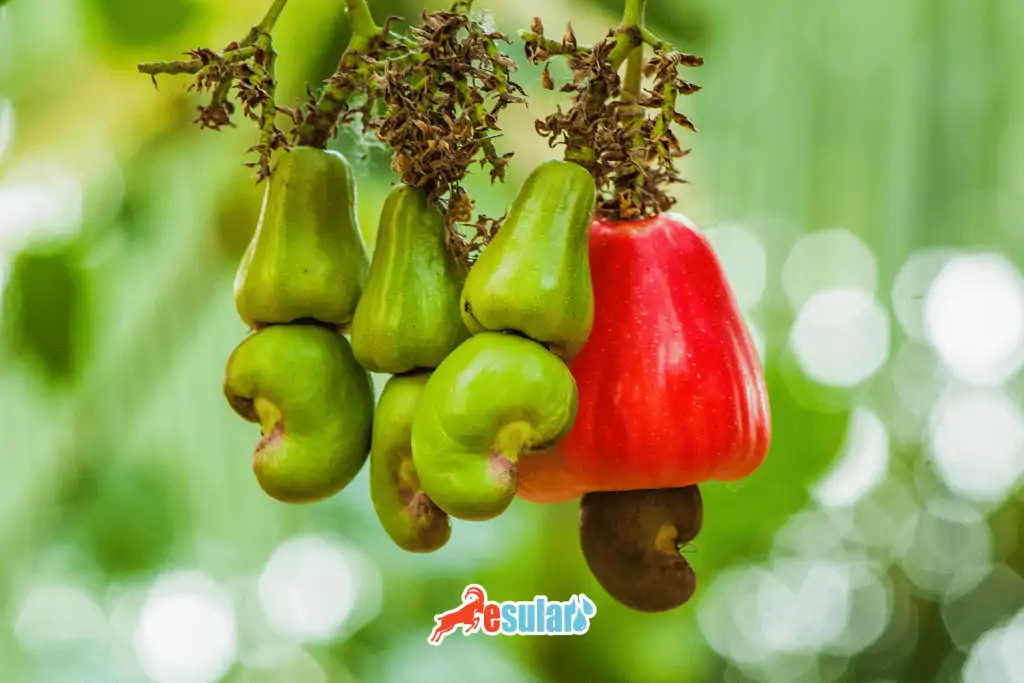
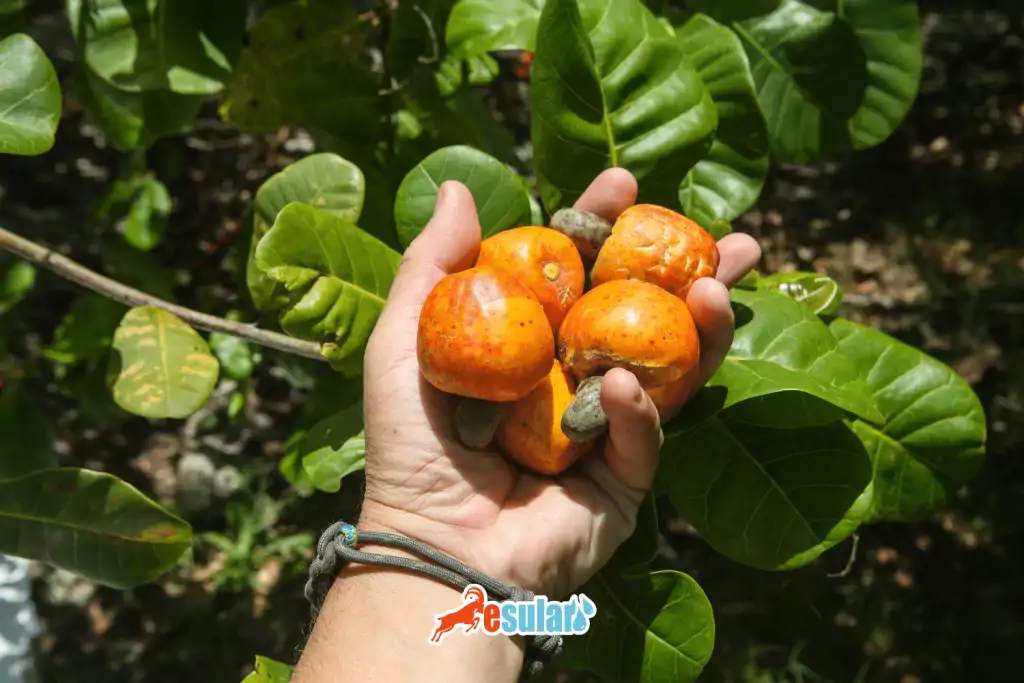
Cashew harvest and processing is a process that requires attention and care. Cashew trees produce bell pepper-shaped fruits called cashew apples. Cashew apples generally begin to ripen in May and start to fall from the tree in July-August. The most suitable time for harvest is when the cashew apples start to fall from the tree, which indicates that maturity is complete. During harvest, the area under the trees is well raked and cleared of weeds. While collecting cashew apples and nuts, care should be taken to prevent the cashew apples from rotting or being damaged. Cashew nuts are processed by being separated from the cashew apples by hand. The cashew nut is found inside the cashew apple and is carefully removed by hand. The cleaned cashews are dried in the sun and protected overnight by covering them with a tarpaulin. Dried cashews are sent to factories or processing facilities for processing. Here, cashews are roasted, shells are removed, and they are offered for consumption by being packaged. The cashew processing stage is carried out meticulously to preserve the quality and freshness of the product and is extremely important.

cashew

What Are the Challenges Encountered in Cashew Cultivation?

Firstly, cashew trees are quite selective about climate and soil conditions. Therefore, they can be grown in specific regions. Additionally, collecting and processing the cashew fruit is also quite laborious. The fruit collection process generally starts when the fruits that ripen in May fall to the ground in July-August. Harvested fruits must be dried for 3-4 days. Separating the kernels inside the fruit from the fruit part requires manual dexterity, and damage to the kernels during this process can reduce the quality of the product. Additionally, cashew cultivation is often a task that requires manual labor, and this can increase production costs. Despite these disadvantages, cashew cultivation can be a profitable agricultural activity under suitable conditions and with correct management.

Yorumlar

Daha Fazla İçerik İster misiniz?

Akıllı tarım hakkında en güncel içerikleri takip edin.