Tüm Yazılar
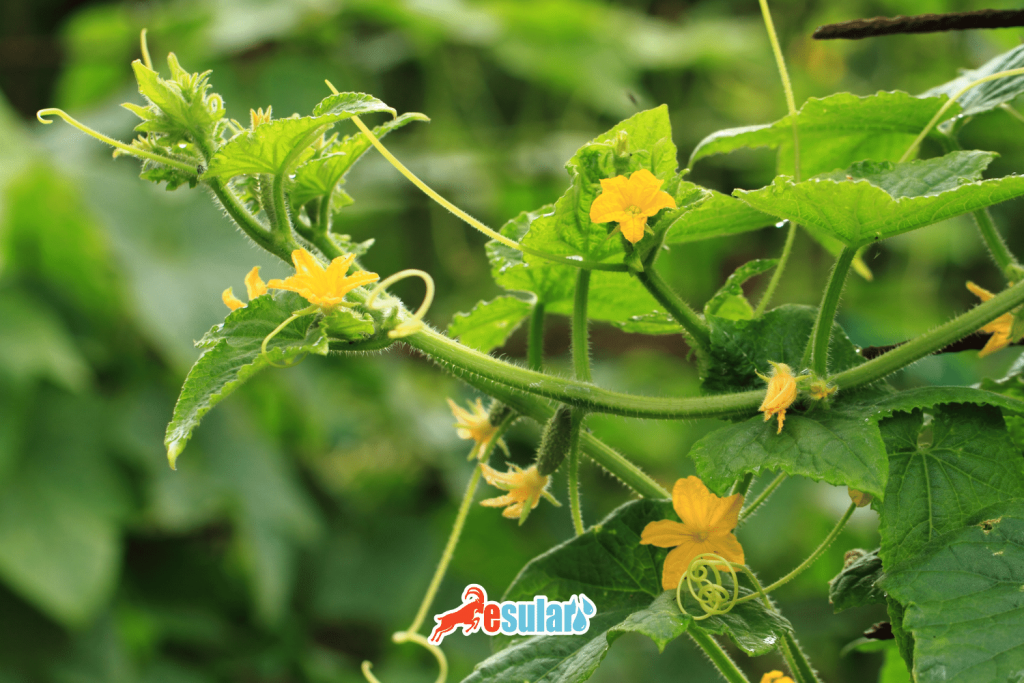
How is Cucumber Cultivation Done?
Cucumber cultivation is an agricultural activity generally carried out in greenhouses or open field conditions. Since cucumbers have a fast growth characteristic, they can be harvested and offered to the market in a short time. Therefore, it is possible to earn income with regular harvests throughout the year. Additionally, cucumbers appeal to a wide consumer base and market demand is constantly high. Both fresh and processed cucumber products are in demand at various sales points, from markets to restaurants. Therefore, with the right marketing strategies and production suitable for demand, cucumber cultivation can be a very profitable business. However, some challenges may be encountered in cucumber cultivation as well. Especially in matters such as the control of diseases and pests, and determining the correct irrigation and fertilization methods, care must be taken. Additionally, price fluctuations may occur in markets where competition is intense. For this reason, good planning, management, and market research are important for successful cucumber cultivation.
What Are the Cucumber Varieties?
Cucumber is a vegetable with a wide variety, having approximately 90 different genera and 750 species. While some types are used for pickling, others are preferred as table cucumbers. Pickling cucumbers are generally small in size, while large ones are generally consumed as table cucumbers. Among the table varieties grown in greenhouses are varieties such as bittex, standex, orion, melior, and green spott. Argus, nimbus, and hokus are among the alternatives preferred for pickling. Table varieties grown in open fields are colorado, cubit, marketer, submarine, stays green, langa, Maltepe, Çengelköy, dere, and Kilis cucumbers. Among the varieties used for pickling and grown in open fields are gherkin, belair, belmonte, cornichon, and Russian cucumber. Each variety has its own unique characteristics and areas of use, so farmers and producers make their choices according to this diversity.
How Should the Climate and Soil Structure Be in Cucumber Cultivation?
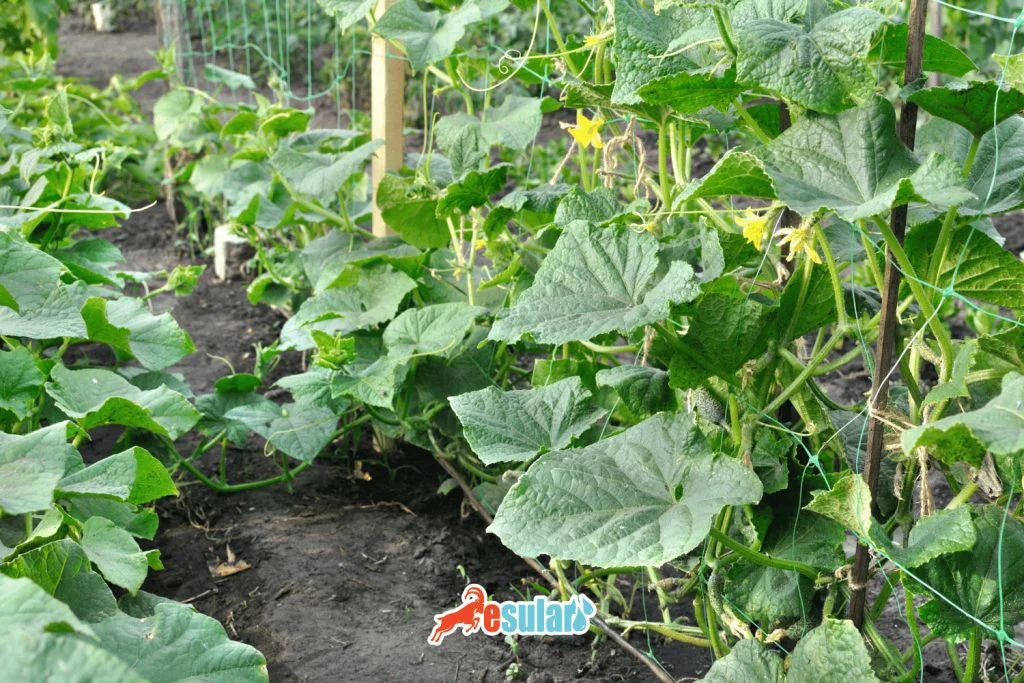
Cucumber is a fruit that adapts to temperate climates and is quite sensitive to cold weather. Therefore, it is important for the soil temperature to be between 10-20°C for sowing. For this reason, it is recommended to sow especially in the spring after the danger of cold has passed. Although cucumber can grow in many soil types, it prefers loamy and sandy-loamy soils that are rich in organic matter and other nutrients and have high water retention. However, since they show sensitivity to high salt levels, soil drainage must be good and soluble. Since its roots generally develop in the first 20-25 cm depth, it is important not to grow it in the same place every year. Therefore, it is recommended to organize the crop rotation and plant it in rotation with vegetables such as melon, watermelon, and tomato. This practice balances the nutrients in the soil and reduces the risk of disease.
How is Sowing and Planting Done in Cucumber Cultivation?
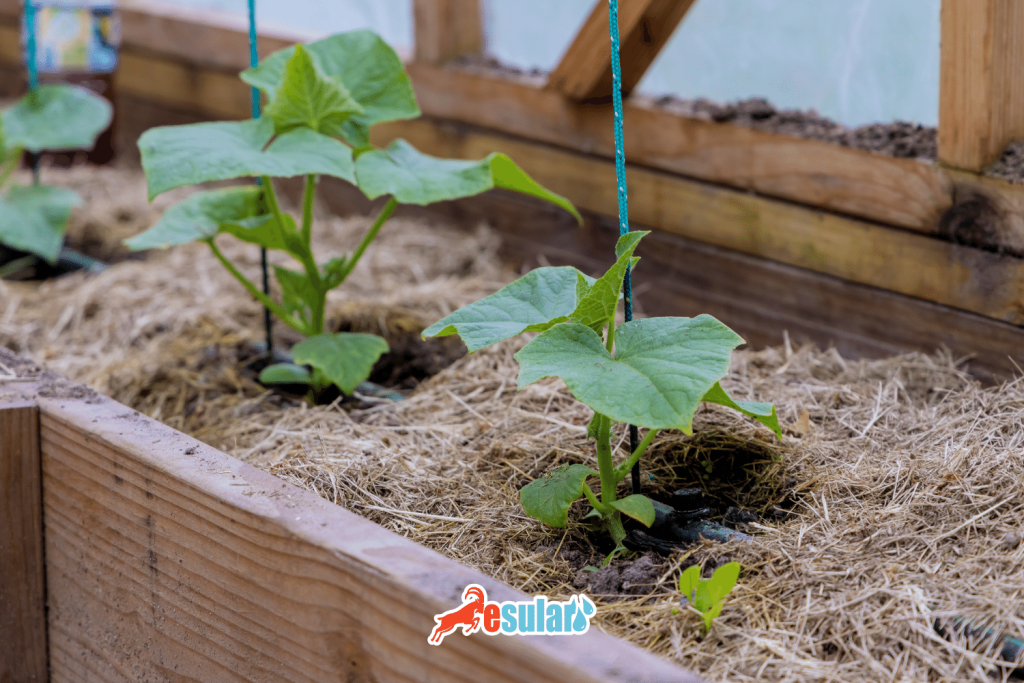
Cucumber cultivation begins with the proper preparation of the area. It is important to provide a sufficient number of male and female crops. Seed sowing is generally done in hills or lines by hand or with a seeder. In arid regions, hills are opened deeper and 2-3 seeds are left in the moist soil. In regions receiving heavy rainfall, sowing is done in mound form. Single-row cultivation of cucumbers is preferred in windy regions. Seeds are pre-soaked to ensure germination and sown at a certain depth. Thinning is done when the plants reach 2-3 true leaves. In the double-row cultivation method, sowing is done in hills or with a seeder, maintaining a certain distance between rows and on the row. The space between rows is used as an irrigation furrow, and this method is generally preferred in windless regions. In production with seedlings, seedlings are planted at certain intervals on the row. Water is given beforehand so that the root ball of the seedlings does not break apart. This method ensures that the plants grow healthily by creating an effective roof structure. Each cultivation method is preferred and applied according to specific conditions and environmental factors.
Fertilization in Cucumber Cultivation
Fertilization in cucumber cultivation is a critical step for the healthy growth of the plant and obtaining a productive crop. In this process, soil analysis should be performed and the richness of the soil in terms of nutrients should be evaluated. Organic fertilizers are a preferred method in cucumber cultivation, and it is recommended to mix materials such as well-rotted farm manure or compost into the soil. Additionally, mineral fertilizers can also provide important elements such as nitrogen, phosphorus, and potassium that the plant needs. Fertilization timing is also important; generally, fertilizer is applied after the plant starts growing and at regular intervals. Applying fertilizer through drip irrigation systems is also a common method, because in this way, fertilizer is given directly to the root zone of the plant and losses are minimized. Since fertilization is a critical part of plant nutrition, choosing and applying the correct fertilization methods is vital for obtaining a healthy crop.
Irrigation in Cucumber Cultivation
Irrigation in cucumber cultivation is a critical factor for the healthy growth of the plant and obtaining a productive crop. Especially during the fruit setting period, the water requirement of the plant is at its highest level. After the seedlings are planted, irrigation should be done frequently but in small amounts to maintain soil moisture and provide the water the plant needs. It is recommended to give water 1-2 times a day. However, excessive irrigation should be avoided during this period. Because excess water can lead to rotting of the plant's roots and diseases. After the fruit setting period, irrigation intervals can be extended and irrigation can be done every 3-4 days. The correct timing and amount of irrigation are vital for the health and yield of the plant. In addition, choosing appropriate methods such as drip irrigation or sprinkler systems as the irrigation method ensures the effective and efficient use of water and contributes to water saving. To check out our solutions on this subject, you can visit our page and examine our https://esular.com/otomatik-sulama-sistemi-kurulumu articles.
How Many Days Does It Take for Cucumber to Grow?
Depending on the precocity characteristics of the varieties and growing conditions, cucumber harvest can generally begin 55 to 70 days after seed sowing. The most suitable time for the first harvest is when the fruits reach approximately 1/3 or at most half of their normal size. During this period, crispness in cucumbers and the seeds not becoming large enough to be felt in the mouth in seeded varieties are important.
Cucumber Harvest
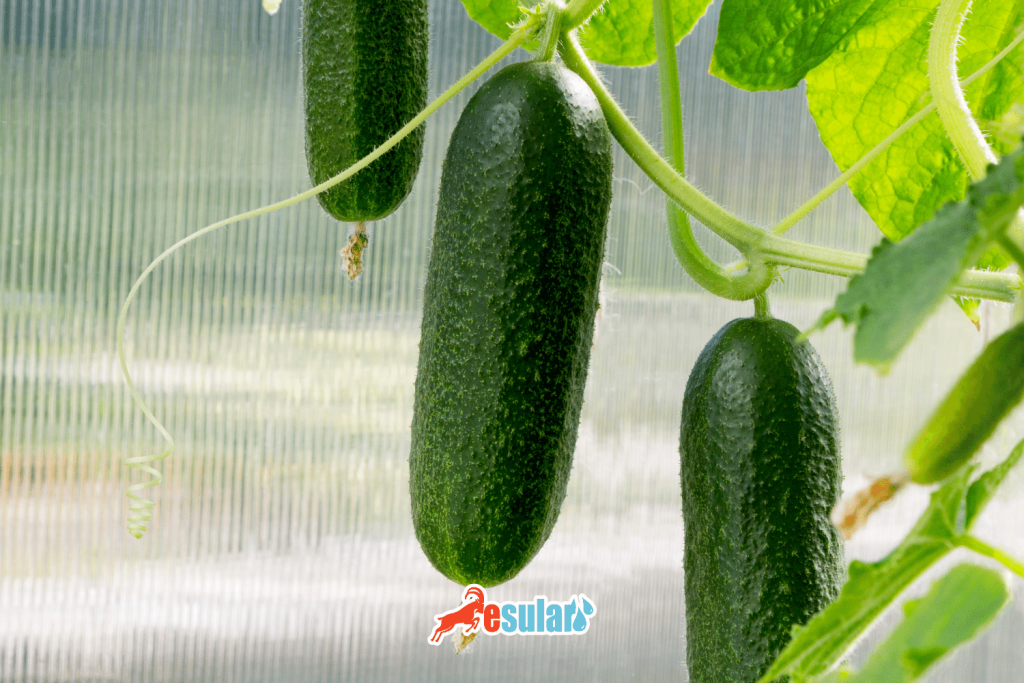
Delayed harvest can lead to over-ripening and shape deformities of the fruits. This can lower the market value. Additionally, leaving mature fruits on the plant can prevent the setting of new fruits at the top and cause a decrease in yield. Pickling cucumbers are cut up to certain sizes according to their quality. The harvesting process is done by cutting the fruits from the stem attached to the branch with a sharp knife or scissors. Scratching or damaging the fruits should be prevented and, if possible, harvest is carried out in the early morning or evening hours. Being late for harvest can cause fruits to swell or elongate, which lowers the market value. Therefore, the harvesting process should be done at regular intervals and on time. In cucumbers grown in open areas, the harvesting process is generally carried out with machines, which increases work efficiency.
How Many Cucumbers Are Produced from 1 Decare of Land?
Cucumber yield depends on a number of factors and can vary. However, with ideal growing conditions and management strategies, an average of 12 to 15 tons of product can be obtained from one decare of greenhouse area. This amount may vary depending on factors such as soil quality, irrigation methods, fertilization practices, and disease and pest control. Additionally, the cucumber variety used, planting intervals, and cultivation technique can also be effective on yield. For example, a regular maintenance program supported by appropriate irrigation, fertilization, and soil preparation can provide higher productivity.
Diseases and Pests Seen in Cucumber Cultivation
Commonly encountered diseases in cucumber cultivation include downy mildew, cucumber blight, root collar rot, leaf spot disease, and viral infections. Therefore, in addition to preventive and cultural methods, chemical control methods are also used in the fight against diseases and pests.
To get more detailed information on this subject, you can examine our https://esular.com/salatalikta-fungal-hastaliklar article.
Kategoriler
Etiketler