Tüm Yazılar

How is Cumin Cultivation Done?

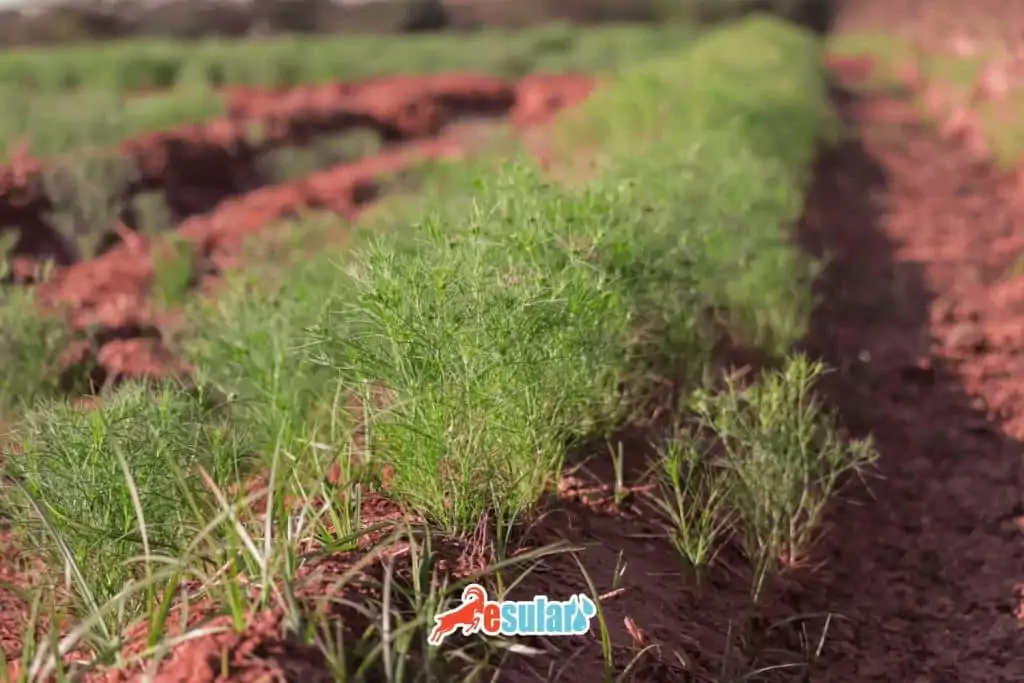
Cumin cultivation is an agricultural activity with high economic value, traditionally carried out especially in the fertile lands of Anatolia. The cumin plant, belonging to the Apiaceae family, is an annual herbaceous plant and is generally harvested in July. While this plant maintains its popularity as a spice used especially in the kitchen, it is also in demand for health and medicinal purposes. Cumin holds an important place in many food cultures by adding a unique aroma and flavor to dishes. At the same time, it is known for its digestion-facilitating, gas-relieving, and immune system-supporting properties. Therefore, having a wide range of uses in both the food industry and the health sector increases its market potential. In terms of profitability, cumin cultivation can be a highly profitable business with correct agricultural practices and marketing strategies. However, for successful cumin cultivation, factors such as soil structure, climate conditions, fertilization, irrigation, and harvesting must be carefully managed. 

Where Does Cumin Grow?

In Turkey, it is a plant species grown as a crop especially in the Aegean, Central Anatolia, and Black Sea Regions. The homeland of this annual herbaceous plant from the Apiaceae family is the Eastern Mediterranean and Turkmenistan. Globally, cumin production is most intensely carried out in India. In addition to India, it is also grown in countries such as Syria, Iran, Pakistan, Morocco, Chile, Egypt, and Mexico. These countries have suitable environments for cumin cultivation in terms of climate conditions and soil structure.

kimyon-yetistirme

Climate And Soil Structure In Cumin Cultivation

This plant especially enjoys temperate and continental climate conditions, characterized by hot summers and cold winters. Turkey's geographical location and climate diversity are extremely favorable for cumin cultivation. Especially regions such as Eskişehir, Kütahya, and Afyon can perfectly meet these specific climate conditions that cumin requires. Soil preferences are soft, stone-free, weed-free soils that provide good drainage. As a delicate and light plant, cumin wants the soil structure to be light and well-drained. However, cumin can also grow in soils referred to as barren or "kepir"; in such soils, it is important that the annual rainfall is sufficient.

Sowing Cumin

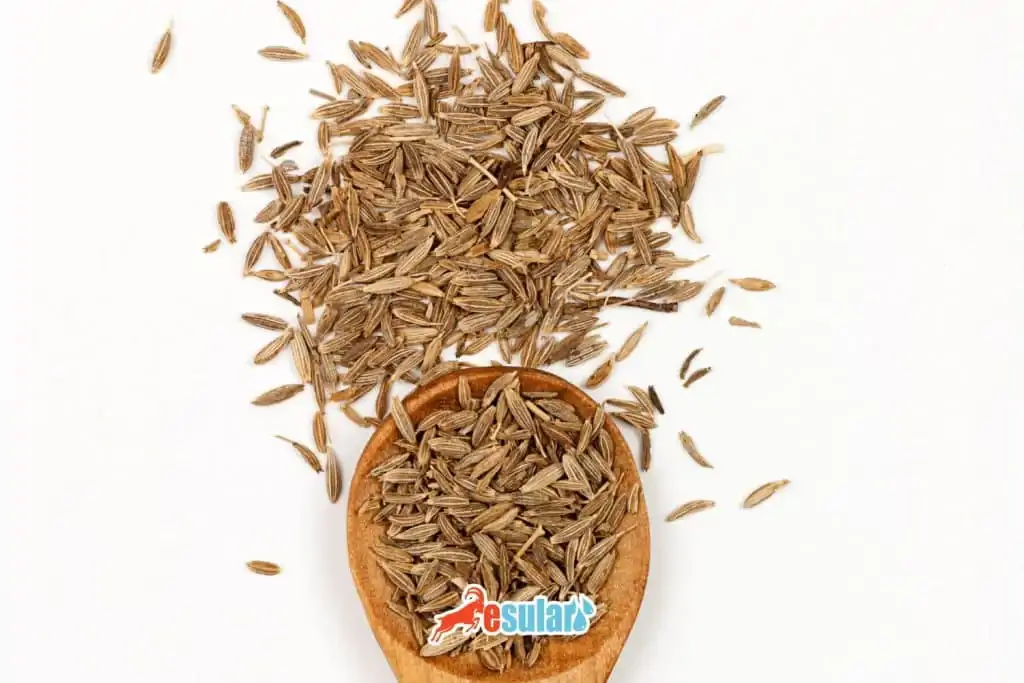
According to the climate conditions of Central Anatolia, cumin should be sown in the period from the end of February until the 20th-25th of March. In this period, it is recommended to sow seeds at a depth of 1-2 cm, with 1-1.5 kg of seed per decare. Because cumin seeds are small, deep sowing reduces the germination rate and causes irregular emergence. The sowing process is generally done with seeders used for grain sowing. Care should be taken to ensure that the fields where cumin will be sown are lands that have not formed a crust layer, can breathe, and have good drainage. Weed control is also very important in fields sown with cumin. Pesticide application can be done before sowing to combat weeds. Additionally, precautions should be taken against Alternaria blight disease. This disease is a fungal disease that can be carried by seeds and is frequently seen especially in rainy and humid regions. For this reason, seeds from fields where Alternaria blight is observed should not be used, and cumin should not be sown continuously in the same field. Furthermore, treating seeds against Alternaria blight is also recommended.

kimyon-kac-ayda-olur

Fertilization In Cumin Cultivation

This plant especially needs macro nutrients such as nitrogen, phosphorus, and potassium. While phosphorus plays an important role for the plant's root development and flowering, nitrogen is necessary for leaf development and general growth. Potassium, on the other hand, has functions such as ensuring the plant's water balance, coping with stress, and increasing its resistance to diseases. Before sowing cumin, the soil must be analyzed and the nutrients missing in the soil must be determined. Phosphorous fertilizers are generally mixed into the soil before sowing, so that the phosphorus the plant needs during its early growth stages is ready in the soil. Nitrogenous fertilizers are applied after sowing, during the plant's active growth periods and the pre-flowering period. The timing and amount of these fertilizers should be adjusted depending on the plant's needs and the soil analysis. The use of organic fertilizers is also quite common in cumin cultivation. Organic fertilizers improve the structure of the soil and support soil microorganisms. These types of fertilizers provide nutrients that are effective in the soil for a long time by supporting the natural growth process of cumin.

Does Cumin Require Much Water?

Cumin is a plant that is quite resistant to drought. Therefore, it does not need much water. However, irrigation especially before flowering positively affects plant development and product quality.

Cumin Harvest

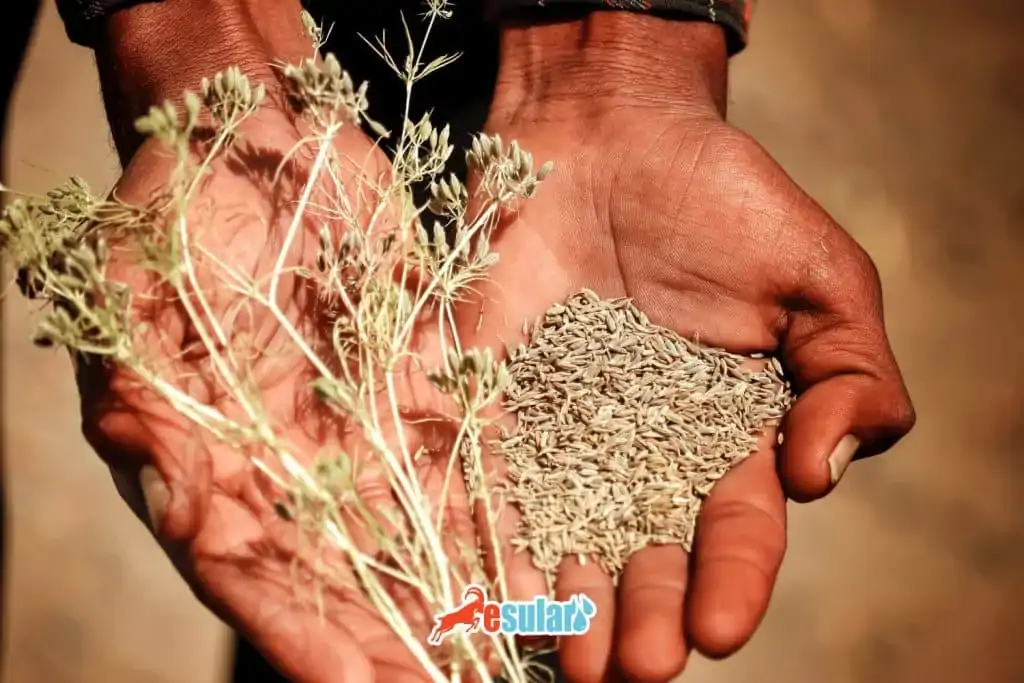
The cumin plant reaches harvest maturity by July in regions like Central Anatolia. At the harvest stage, the seeds have a brittle structure. Therefore, the harvest process is carried out carefully and at the right time. Harvesting is generally done by hand pulling. Cumin seeds pulled by hand are left to dry in the field for 1-2 days after being separated from the soil. This process allows the seeds to dry naturally and reduces their moisture. After drying, the seeds are collected for threshing and stored in a suitable storage or accumulation area. For the threshing process, both traditional threshing machines (patoz) and modern combine harvesters are used. These machines effectively clean, separate, and prepare the seeds for storage. Combine harvesters generally work in large agricultural areas and with high efficiency, while threshing machines (patoz) are preferred in smaller-scale productions and limited areas.

kimyon-nasil-yetisir

How Long Does Cumin Take To Grow?

The growing time of cumin may vary depending on climate conditions, soil structure, and cultivation methods. However, it generally reaches harvest maturity within an average period of 4-5 months. In this process, appropriate agricultural practices must be adopted and careful maintenance must be performed for the plant to grow healthily and productively.

How Much Cumin Is Yielded From 1 Decare?

The efficiency of the cumin harvest may vary depending on factors such as soil structure, climate conditions, fertilization, and irrigation. In regions where cumin production is intense, such as Central Anatolia, a yield of up to approximately 70 kg per decare can be obtained. 

Yorumlar

Daha Fazla İçerik İster misiniz?

Akıllı tarım hakkında en güncel içerikleri takip edin.