Tüm Yazılar

How is Leek Cultivation Done?

Leek cultivation is one of the vegetable growing activities that holds an important place in agricultural production. Leeks, which have high nutritional value, provide many health benefits. With their content of fiber, vitamin C, folate, potassium, and other nutrients, they are an important source for balanced nutrition. They support the digestive system, strengthen the immune system, regulate blood pressure, and protect heart health. In our country, leeks are generally grown in the Aegean, Marmara, and Black Sea regions. Since the soil and climate conditions of these regions are suitable for leek development, production takes place intensively in these areas. Leeks are valuable for industrial use as well as fresh consumption. Leeks are included in the content of many products such as canned food, frozen food, and ready-to-eat meals. For this reason, leek cultivation makes a significant contribution to the agricultural economy.

How Should the Climate and Soil Structure Be for Leek Cultivation?

Suitable climate and soil conditions are important for leek cultivation. Ideal climate conditions are a cool and humid climate. The leek plant prefers a cool climate and is sensitive to frost. Therefore, it is more suitable to grow it in regions with low frost risk. In terms of soil structure, loamy soils that are rich in humus and well-drained are ideal for leek cultivation. Well-drained soil prevents roots from being damaged by water accumulation and ensures the plant develops healthily. Additionally, soil rich in humus meets the plant's nutritional needs and increases yield. The most suitable soil pH value for leek cultivation is between 6 and 7. This pH range ensures that the plant absorbs nutrients in the best way and is important for healthy growth.

pirasa-tarimi

When is Sowing Done in Leek Cultivation?

In leek cultivation, the production of seedlings is generally preferred, and these seedlings are later planted in the main field. However, leeks can also be grown through direct seed sowing. In production carried out with seed sowing, seeds are expected to germinate and appear above the soil approximately 10-15 days after sowing. After germination is completed, thinning is performed among the seedlings when necessary. The distance between rows is generally adjusted to 12-15 cm, and overly dense seedlings are thinned to leave an appropriate distance between them. This process ensures that the plants develop in a healthier and more productive way. In production carried out with direct seed sowing, 200-300 grams of seeds are used for a 1-decare area. These seeds are sown at equal intervals in the field, and appropriate care is applied after the germination process begins. In this way, leek production can be successfully carried out.

Production with Seedlings in Leek Cultivation

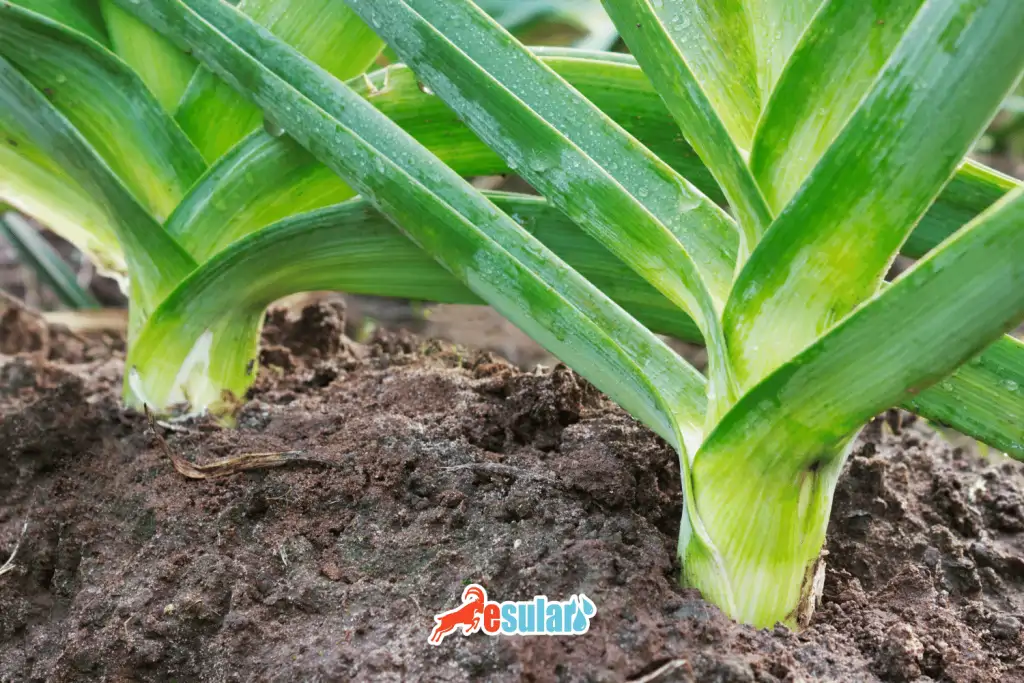
For the planting of leek seedlings, the area is prepared in advance. Well-drained, humus-rich, and light loamy soils are ideal for leeks. Before planting, the soil must be tilled, and stones and weeds must be cleared. The suitable period for seedling planting is usually the spring or autumn months. It is important to plow the planting area properly and aerate the soil. Planting intervals and depth vary depending on the conditions of the region where planting will take place and the leek variety. Generally, a distance of 15 to 20 cm is left between seedlings. Planting depth should be adjusted according to the root structure of the seedlings. After the seedlings are placed in the planting area, their soil is firmly pressed, and contact between the seedlings' roots and the soil is ensured. For the care of seedlings after planting; regular irrigation, weed control, and fertilization if necessary should be carried out.

pirasa-yetistiriciligi

Fertilization in Leek Cultivation

Leeks especially need nitrogen. However, unbalanced nitrogen application can lead to diseases, so caution should be exercised. Leeks grow in soils rich in organic matter and do not particularly like fresh fertilization. To enrich the soil before planting, well-rotted compost fertilizers should be used. During planting, organic nitrogen fertilizer should be preferred and mixed well into the soil. consequently, correct fertilization ensures that the leek grows healthily and in accordance with its needs. In this way, while leeks are grown productively, the nutrient value of the soil is also increased.

Irrigation in Leek Cultivation

Leeks are plants that like moisture and should not be left without water. Especially in hot and dry weather, it is important for the soil to remain constantly moist. It is important to perform the second irrigation 3 to 4 days after the first irrigation. Then, 10 days later, if it does not rain, it may be necessary to perform the third irrigation. Depending on the development process and according to weather conditions, it is important to continue irrigation at 1 to 2-week intervals during the leek cultivation period. In this way, the healthy growth and efficient harvesting of the leeks are ensured.

pirasa-yetistiriciligi-nasil-olur

What are the Diseases and Pests Seen in Leek Cultivation?

Diseases and pests encountered during leek cultivation can negatively affect yield and cause problems in production. Some of these diseases are fungal diseases such as leek rust and black leek mold. These diseases cause brown spots to form on the leaves, preventing the plant's growth. Additionally, bacterial infections such as bacterial leaf spot disease can also affect leek cultivation, leading to the formation of yellow spots on the leaves. Pests include leek fly, root nematode, and leek moth. While the leek fly damages the plant by leaving its larvae under the leaves, the root nematode damages the roots of the plant, and the leek moth negatively affects the plant by gnawing on the leaves. It is important to conduct regular observation and take appropriate measures to combat these diseases and pests so that a healthy leek harvest can be obtained.

When and How are Leeks Harvested?

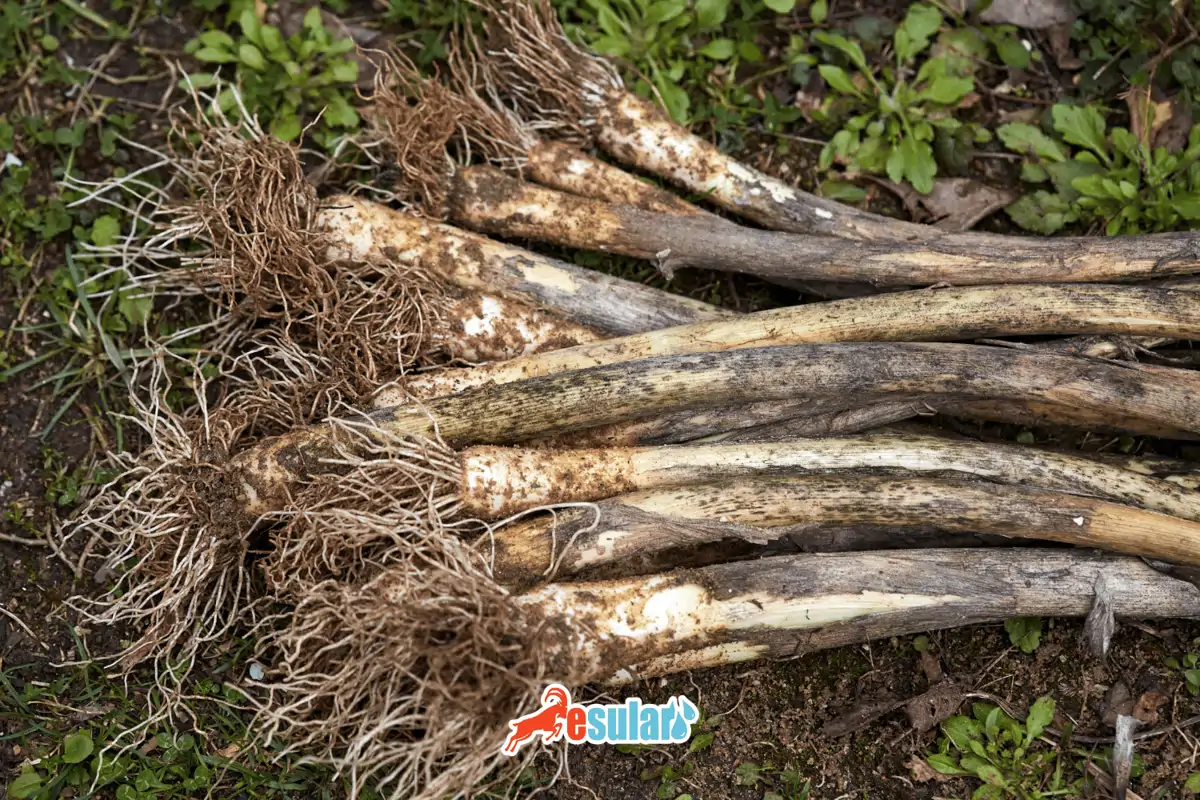
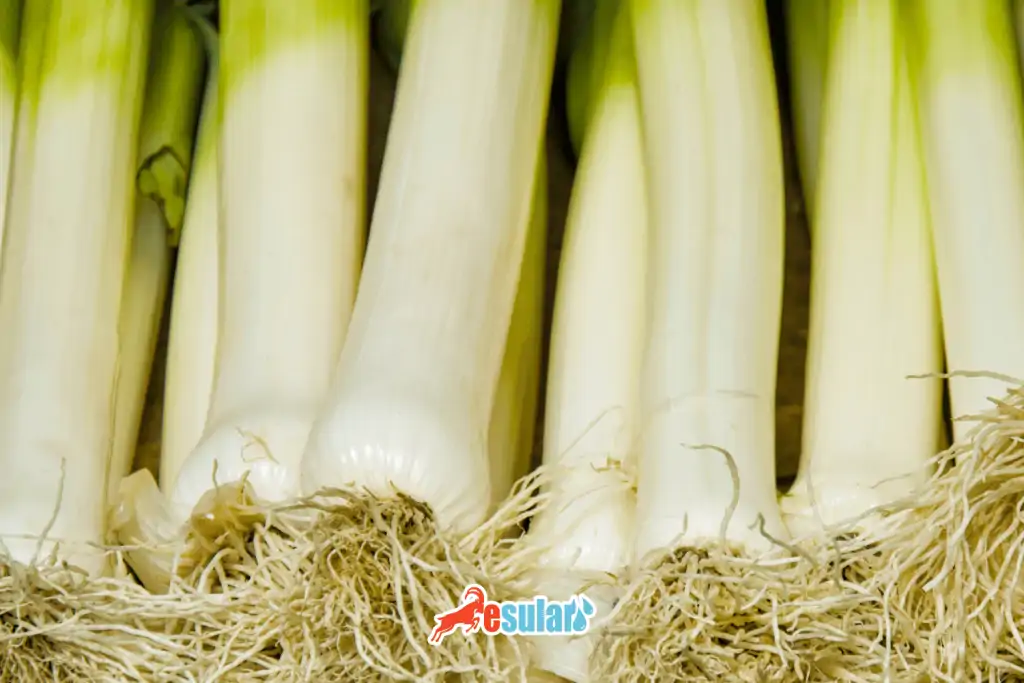
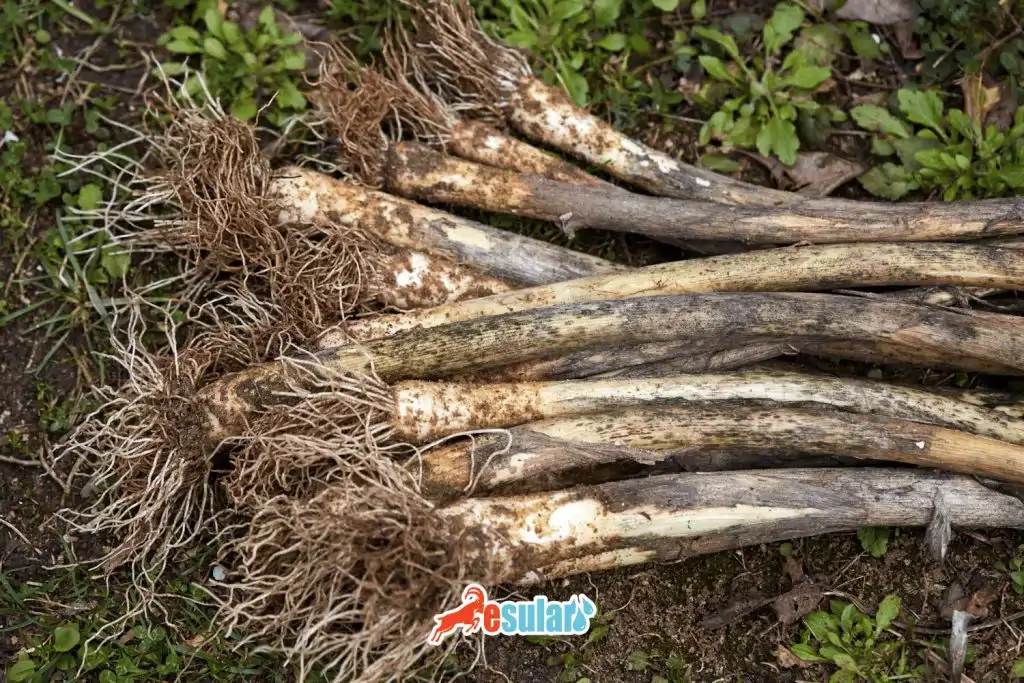
Leek harvest can be carried out at almost every stage of the plant's growth period. Harvest time is determined based on market conditions and the grower's preferences. However, to obtain a normal yield, it is recommended to harvest when the leeks reach a weight of 120-150 grams or more. However, in periods when prices are high in the market, leeks can also be harvested at an earlier time. The harvesting process is generally carried out by hand or using a special harvesting plow. Harvested leeks are immediately cleaned of their soil in the field, and the root parts are cut so as not to exceed 1 cm in length. Additionally, the last leaves at the very top are removed. Approximately one-third of the leaves are trimmed and prepared in bundles to be presented to the market.

pirasa hasadi

Yorumlar

Daha Fazla İçerik İster misiniz?

Akıllı tarım hakkında en güncel içerikleri takip edin.