How is Rosehip Cultivation Done?

24 Ocak 2026 Çağla Altıntaş 4 görüntülenme
Tüm Yazılar

How is Rosehip Cultivation Done?

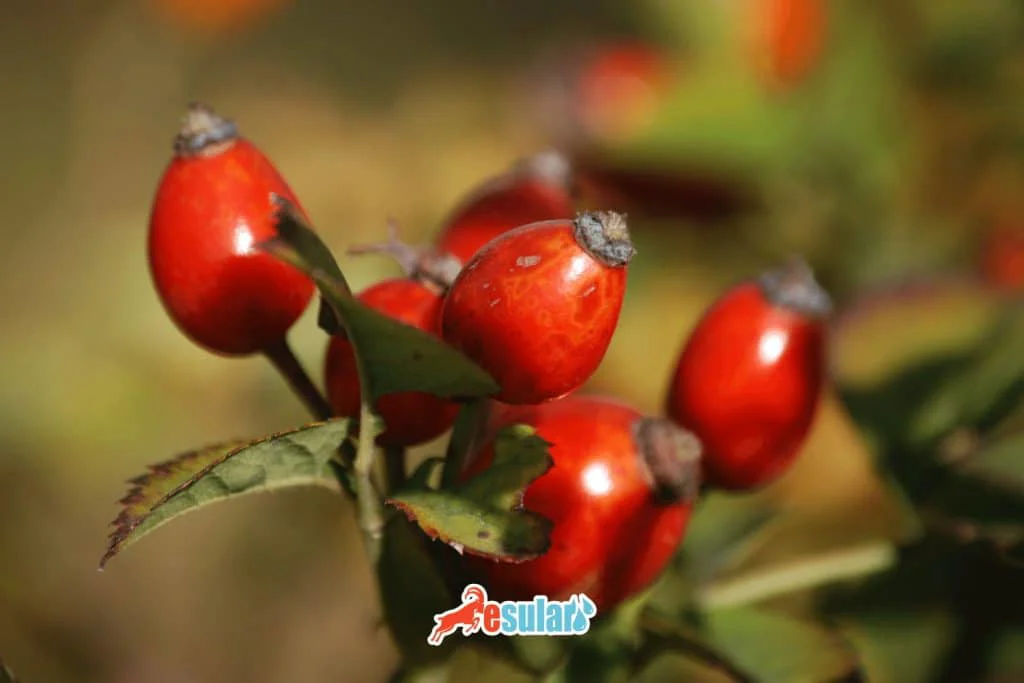
Rosehip cultivation is an agricultural endeavor that is important for health as well as having high economic returns. Rosehip is an important plant known by various names among the public and widely used worldwide. It is frequently used in the production of products such as marmalade, jam, molasses, fruit juice, and herbal tea. Especially known for its high Vitamin C content as one of the richest fruits, rosehip is attracting more and more interest in terms of health. The rosehip plant grows naturally across a wide geography from Central and Western Asia to the Caucasus, from Europe to Northwest Africa, and to the northern and western regions of Iran. Since it is resistant to low temperatures and arid conditions, it has a wide distribution area. It can be found in every region of Turkey and is generally collected by the local people. However, due to the lack of balanced and standard production and high demand, difficulties may be experienced in procuring fruit to be processed. Production generally takes the form of collection from nature and makes significant contributions to the economy.

Climate and Soil Structure in Rosehip Cultivation

Climate and soil structure are very important for the healthy growth of the rosehip plant, efficient fruiting, and obtaining quality products. Rosehip generally prefers cool and temperate climates. For this reason, the Northern Aegean, Marmara, Black Sea, and high-altitude regions of the Mediterranean are ideal for rosehip cultivation. The rosehip plant, which is resistant to cold winters, develops more healthily in regions where winters are cold. However, rosehip, which does not like extreme heat and humidity, should not be grown in hot and humid regions. Soil structure is also a factor to be considered in rosehip cultivation. Rosehip generally prefers calcareous soils, but it can be grown in all types of soil structures. Fertile and well-drained soils ensure the healthy development of the plant's roots.

rosehip-cultivation

What are Rosehip Growing Methods?

  • Production by Seed: It is produced with rosehip seeds. Seeds are sown in gardens or greenhouse environments with suitable soil and climate conditions. Growing from seed generally requires a longer process, and the fruiting period of the plants may vary depending on the quality of the seed.

  • Production by Cutting: In this method, new plants are produced using cuttings taken from the healthy and young branches of the rosehip plant. Cuttings are rooted in a suitable growing medium and then planted as saplings. This method is generally preferred to obtain plants that grow and bear fruit faster.

  • Grafting: It is a method performed by placing the root or stem of another plant onto the rosehip plant. Grafting is usually combined with production by cutting and is used to improve certain characteristics of the plant or to adapt it to suitable conditions.

  • Sapling Planting: Ready-made saplings are planted in areas with suitable garden or field conditions. This method is preferred to obtain plants that start bearing fruit quickly, but the cost of saplings can be high.

Each of these methods has its advantages and disadvantages, and which method to choose usually depends on the farmer's preferences, budget, and conditions.

Does Rosehip Need Water?

The root system of the rosehip plant is quite well-developed, which increases the plant's ability to cope with drought. The roots going deep allows the plant to better reach water resources in the soil. For this reason, rosehip grows successfully even in arid and rural areas. In areas where irrigation possibilities exist, especially in dry seasons, young saplings can be watered regularly. Depending on the condition of the soil, irrigation can be done every 20 to 25 days, for a total of 4 to 5 times. Especially in long-term dry periods, irrigation encourages the healthy growth of the plant and increases productivity.

rosehip-farming

Pruning in Rosehip Cultivation

Pruning carried out in the rootstock plot where grafted rosehip saplings are grown ensures that the fruiting branches of the plant benefit better from the sun and helps facilitate the harvest. It should be remembered that in species such as R. canina, fruit formation generally occurs on 2-year-old branches. During pruning, old branches should be cut appropriately from the outward-facing eyes to encourage new shoots. Additionally, care should be taken to prevent branches from getting tangled, making sunning and harvesting difficult. Rarely, shoots forming on the rootstock below the graft eye may need to be cut and removed.

How Many Years Does the Rosehip Tree Take to Bear Fruit?

The rosehip tree usually starts bearing fruit within two or three years after being planted. However, this period may vary depending on some factors. For example, factors such as growing conditions, climate, soil quality, and the genetics of the plant can affect the fruiting time. Additionally, the fruiting times of grafted or seed-grown plants may differ from each other. Generally, under proper care and conditions, rosehip trees continue to bear fruit regularly after reaching a certain maturity.

rosehip-farming

How Much Rosehip is Produced from 1 Decare?

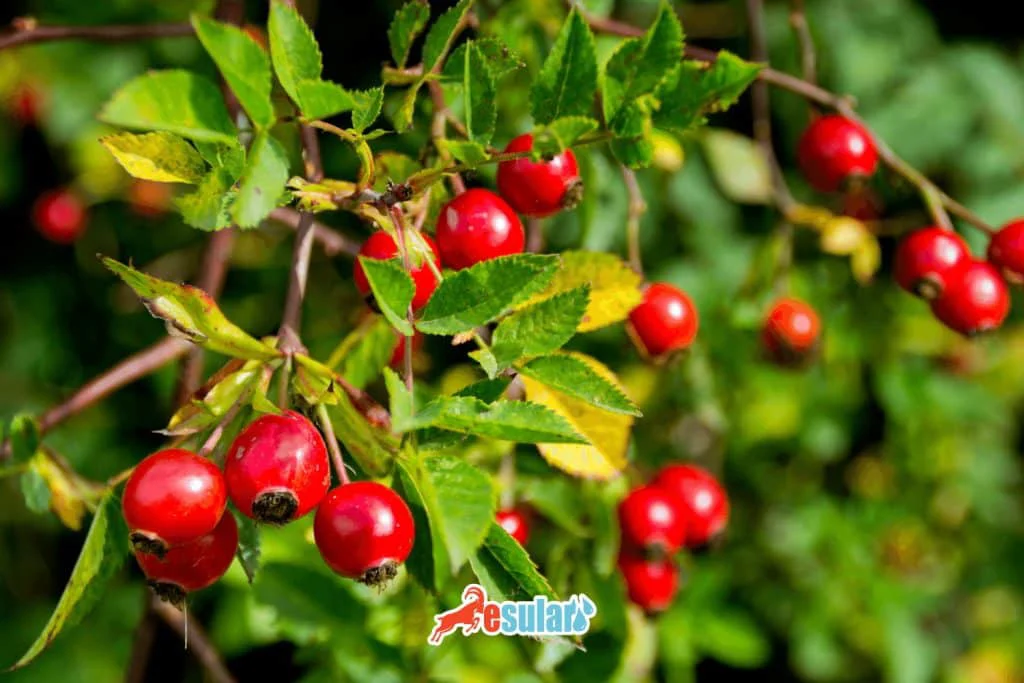
In general, an average yield of between 500 and 1000 kilograms per decare can be obtained in cultivated rosehip orchards. However, it should be noted that this figure can vary greatly depending on geographical regions, growing conditions, and plant care.

Yorumlar

Daha Fazla İçerik İster misiniz?

Akıllı tarım hakkında en güncel içerikleri takip edin.