Tüm Yazılar

How to Cultivate Black Cumin?

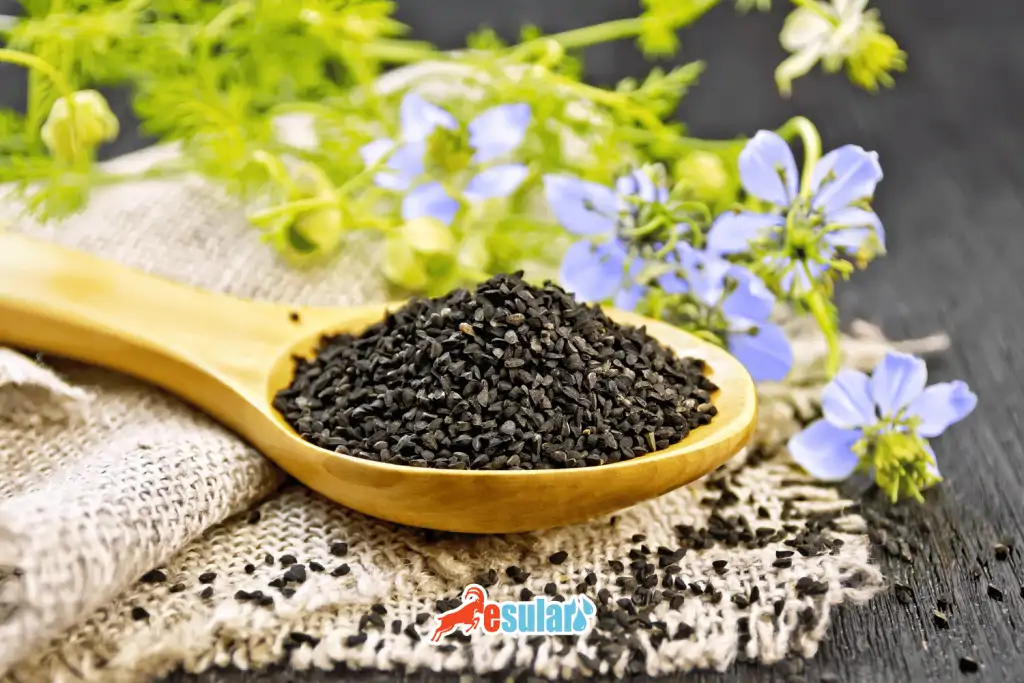
For black cumin cultivation, it is important to provide care suitable for the plant's needs and to correctly implement marketing strategies. With proper care and irrigation, black cumin cultivation can be a highly profitable production. The care of the plant is generally easy and requires struggle with few pests or diseases. Additionally, black cumin is known to have many health benefits. Thanks to these benefits, its area of use is quite extensive. As a result, under the right conditions, black cumin cultivation can be a healthy and profitable agricultural activity.

What are the Benefits of Black Cumin?

Black cumin has many positive effects on health. These include:

  • Black cumin exhibits an antioxidant effect in the body and prevents cellular damage.
  • Thanks to the vitamins and minerals it contains, it strengthens the immune system and protects the body against diseases.
  • Black cumin has an anti-inflammatory effect in the body.
  • Its fiber content regulates the digestive system and improves intestinal health, and can alleviate digestive problems such as constipation.
  • Some research shows that black cumin has a blood sugar balancing effect.
  • Black cumin can reduce bad cholesterol (LDL) in the blood and support cardiovascular health by increasing good cholesterol (HDL).
  • Black cumin oil can be used effectively against problems such as dryness, acne, and eczema on the skin, maintaining the skin's moisture balance.
  • Black cumin oil nourishes the scalp, reducing dandruff, and can help strengthen hair and increase its shine.

With all these benefits, black cumin is seen as an important health supplement.

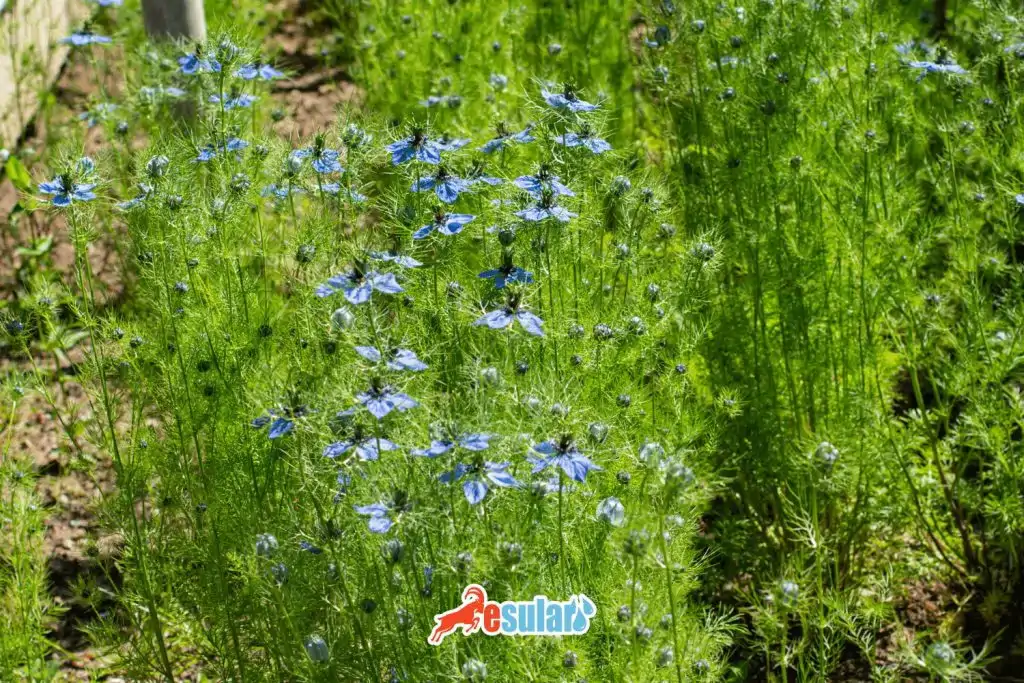
corek-otu

Where Does Black Cumin Grow?

Black cumin is naturally native to Eastern Mediterranean countries, Eastern and Southern Europe, and Western Asia. Growing wild or cultivated, black cumin is frequently found in regions such as the Balkans, Southern Europe, North Africa, the Middle East, and India. Turkey is one of the countries where black cumin is widely grown, and the cultivation of this plant is carried out in various regions. Especially in regions such as Thrace, Northern Anatolia, the Inner West Anatolia Region, the Lakes Region, and the Mediterranean Region, black cumin farming is quite common. Turkey's climate and soil structure provide a suitable environment for black cumin to grow healthily and productively. Agricultural areas in these regions have climate and soil characteristics similar to the natural growing conditions of black cumin, which ensures the successful cultivation of the plant.

What are the Climate and Soil Requirements for Black Cumin?

Black cumin grows best in sunny, temperate, and warm climates. It generally grows in light clayey, sandy-loam soils rich in nutrients. Well-drained, alluvial soils with good drainage properties are ideal for black cumin cultivation. However, it does not show good development in heavy soils where the groundwater is close to the surface. Black cumin does not need excessive moisture in its environment, and excessive irrigation should be avoided. It generally makes do with little water, and over-irrigation can cause root rot. These characteristics are important for the healthy and productive cultivation of black cumin.

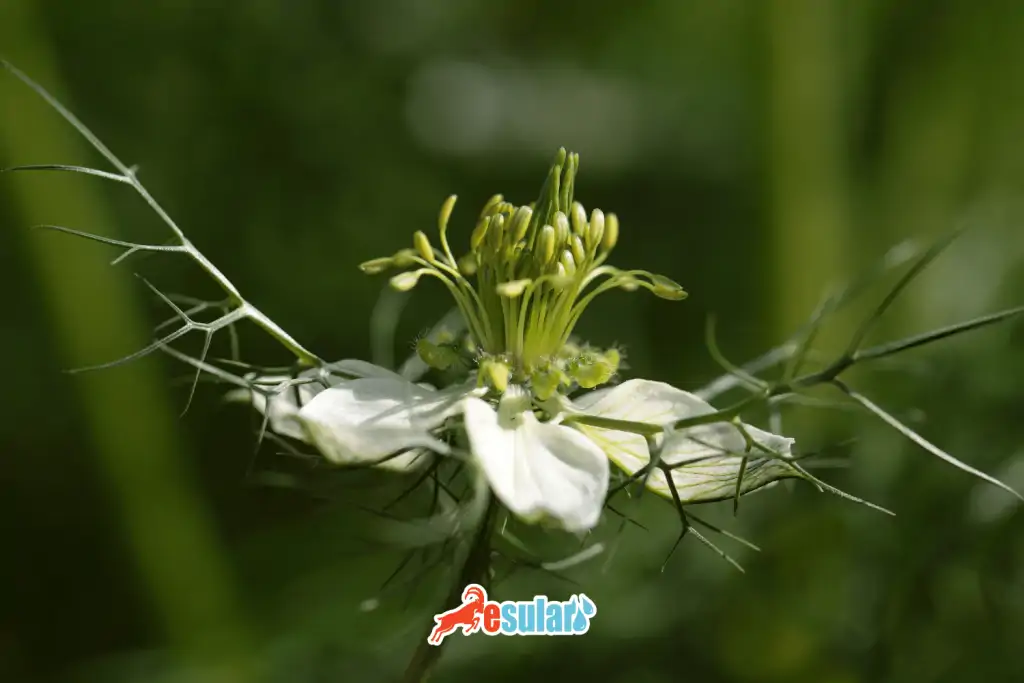
corek-otu-nasil-yetisir

When is Black Cumin Planted?

In regions where winters are not very cold and frost events do not occur, black cumin should ideally be planted in early autumn. In such regions, the planting process is usually carried out in the first half of November. This period, when the soil temperature is still high enough, provides a suitable environment for the germination and rooting processes of black cumin seeds. However, in regions with a harsher and colder climate, black cumin planting should be done in the spring. In these types of regions, the planting process is usually carried out in March or at the latest until mid-April. Thus, it is expected that the soil temperature rises to a sufficient level and the risk of frost decreases. Planting timing is extremely important for black cumin to grow healthily and productively. Therefore, choosing the correct planting time according to suitable seasonal conditions is a fundamental step for successful black cumin cultivation.

How is Black Cumin Planted?

Proper preparation of the soil before planting black cumin is very important. First, the soil is plowed with a plow, and then the clods in the soil are broken up. Hardening the soil before starting planting is one of the most important tasks in black cumin cultivation. This process flattens the soil surface and allows the seeds to hold better. When starting the planting process, the inter-row spacing should generally be 15-20 cm, and the on-row spacing should be 10 cm. The planting depth should be approximately 1-2 cm, and 1.5-2 kg of seed should be used per decare. Seeds start to germinate about one week after planting and usually emerge on the soil surface after two weeks. In this way, black cumin cultivation can be successfully carried out with proper soil preparation and planting process.

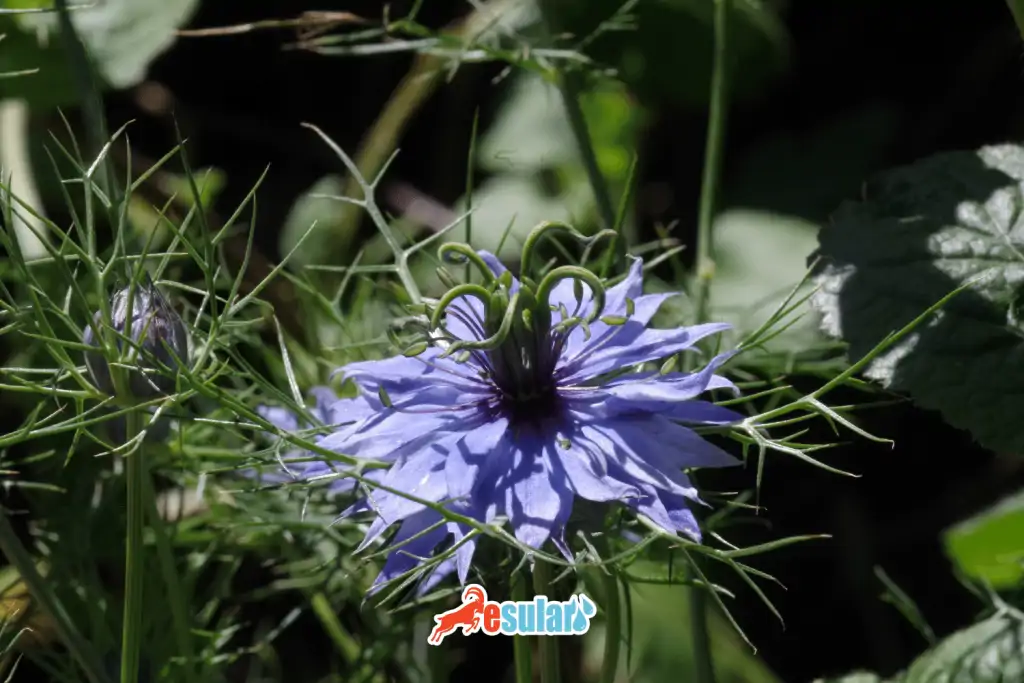
corek-otu

Irrigation of Black Cumin

Since the black cumin plant does not like moisture much, excessive irrigation should be avoided. Until the flowering period, watering the plant once is sufficient. Especially in cases where rainfall is insufficient, irrigation can be done using the sprinkler method.

Fertilization of Black Cumin

Before planting, fertilizers containing organic nitrogen, phosphorus, and potassium (NPK) or well-rotted farm manure can be used as base fertilizer. Fertilization can be done by mixing fertilizer with seeds and filling the fertilizer hopper of the seed drill. All of the phosphorus fertilizer and half of the nitrogen should be given during planting, and the rest of the nitrogen should be given at the beginning of branching. Fertilization in this way helps provide the nutrients the plant needs. To get more detailed information about NPK fertilizer, you can visit our https://esular.com/npk-gubre-nedir article.

When and How is Black Cumin Harvested?

Generally, the harvest time for black cumin is late July and August. The harvesting process should be carried out when the plants start to turn yellow and the seeds in the capsules mature by taking on a black color, especially in the early morning hours. If the harvest is delayed, significant seed loss can occur due to the cracking of the capsules, and the yield may decrease. The harvesting process is usually done with sickles, scythes, or mowing machines. In non-shattering varieties, harvesting and threshing are done with a combine harvester by lowering the drum speed.

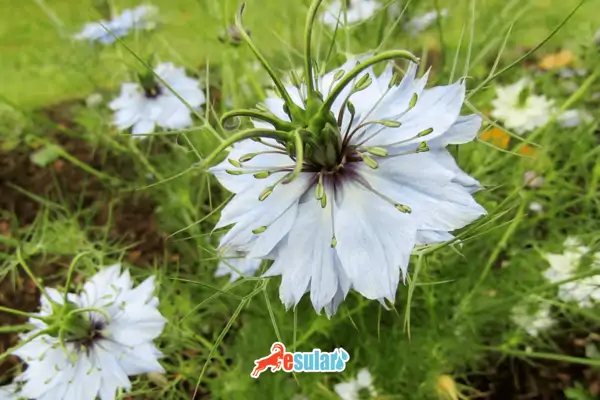
corek-otu

How Much Black Cumin is Produced from 1 Decare?

Seed yield is very important in black cumin cultivation. It generally varies between 70-150 kg/da on average. This yield may vary depending on various factors. However, performing the harvest on time and appropriately is very important to maximize seed yield. The harvest time should be determined during the period when the plants mature and the seeds are fully developed. Additionally, cultural practices such as plant nutrition and irrigation must be carefully managed to increase seed yield. Appropriate fertilization and irrigation programs should be implemented to support the healthy growth and development of the plants. In this way, it may be possible to obtain higher yields in black cumin cultivation.

Is Black Cumin Cultivation Profitable?

Black cumin cultivation draws attention with its low investment cost and ease of maintenance. This plant can adapt to different climate conditions and has a wide growing area. Additionally, black cumin is very valuable as its oil is used in the cosmetic and health sectors, and its seeds are used as a spice. Potential farmers should first conduct market research and evaluate market conditions. It is important to identify the areas where black cumin is in demand and can be utilized. They can make their production plans based on this information. Therefore, with correct planning and implementation, black cumin cultivation can be a profitable agricultural activity.

corek-otu nedir

What are the Diseases and Pests of Black Cumin?

Diseases and pests encountered in black cumin cultivation negatively affect plant health and yield. Important diseases include rust disease, powdery mildew, and root rot. These diseases cause spots on the leaves, weakening the plant and leading to yield loss. Additionally, aphids and various insect species can damage the black cumin plant. These pests inhibit the plant's growth by sucking the leaves. Nematodes found in the soil can also negatively affect plant development by damaging the roots. Farmers should use appropriate agricultural practices and plant protection methods to combat these diseases and pests. In this way, plant health can be protected and yield loss can be minimized.

", "metaTitle": "How to Cultivate Black Cumin?", "metaDescription": "How to Cultivate Black Cumin? For black cumin cultivation, it is important to provide care suitable for the plant's needs and to correctly implement marketing strategies in a right way.", "metaKeywords": "black cumin cultivation, black cumin benefits, black cumin farming, black cumin seeds, black cumin irrigation

Yorumlar

Daha Fazla İçerik İster misiniz?

Akıllı tarım hakkında en güncel içerikleri takip edin.