Tüm Yazılar
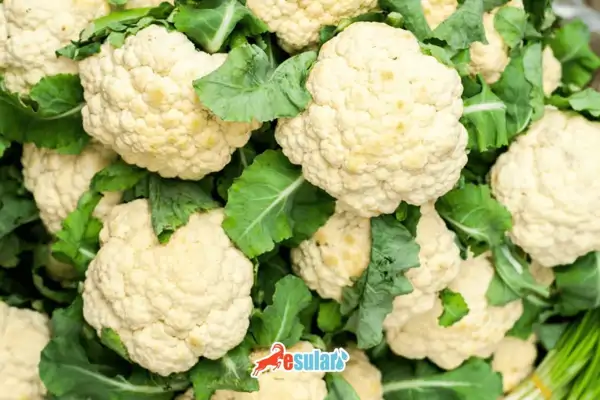
How to Cultivate Cauliflower?
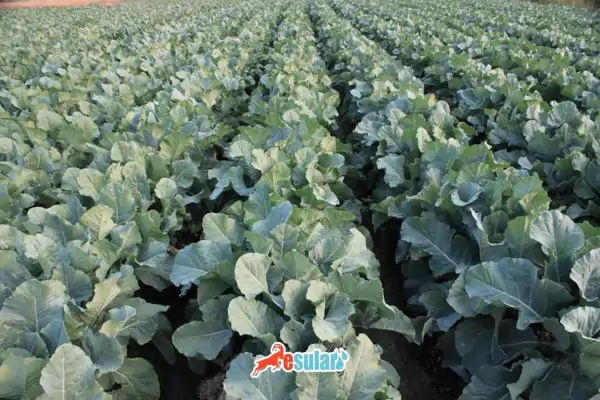
Cauliflower cultivation, when done with the right knowledge and techniques, is a highly productive and profitable agricultural activity. Cauliflower is a nutritious and low-calorie vegetable belonging to the cabbage family, known for its white or purple flower heads. Its homeland is the Mediterranean and Middle East region, and today it is grown in many parts of the world. In Turkey, it is successfully grown with suitable climatic conditions, especially in the Mediterranean Region, Aegean Region, and Southeastern Anatolia Region. Cauliflower is one of the agricultural products that make significant contributions to the economy. It is in high demand both domestically and abroad and is a product with high export potential. In addition to being consumed fresh on the market, it is also utilized by freezing or canning. With these features, it offers important sources of income to farmers. Cauliflower also has many health benefits; it is known for its Vitamin C, antioxidants, and positive effects on the digestive system. It is frequently preferred in diets due to its low carbohydrate and calorie content. Consequently, cauliflower is an important vegetable species in terms of both health and economy.
Climate and Soil Structure in Cauliflower Cultivation
Climate and soil structure are of great importance for the healthy growth of plants and obtaining high yields. Cauliflower loves cool climate conditions and ideally develops best at temperatures of 15-20°C. Extreme heat or frost events can negatively affect plant growth and reduce product quality. The soil structure should be well-drained, rich in humus, and slightly alkaline. The pH value of the soil should be between 6.0-7.5, so that plants can take up nutrients in the best way. Soils rich in organic matter support the root development of cauliflower and increase its water-holding capacity. Additionally, regular processing of the soil and supporting it with organic fertilizers ensure that the plants receive the nutrients they need. Suitable climate conditions and soil structure guarantee the strong and healthy growth of cauliflower plants, and therefore, the acquisition of high-quality and abundant products.
Cauliflower Seedling Planting
Cauliflower cultivation should begin by selecting healthy and strong seedlings. It is important for seedlings to have vibrant green leaves and sturdy roots. Soil preparation should be done with humus-rich, well-drained, and slightly alkaline soils, and the nutritional value should be increased by adding organic fertilizer or compost. Seedlings should be planted in spring or autumn after the danger of frost has passed, with intervals of 45-60 cm and a distance of 70-80 cm between rows. Before planting, the roots of the seedlings should be wetted, and after being placed in the soil, they should be fixed by lightly compressing them. Regular irrigation and weekly organic fertilizer applications support the healthy growth of the seedlings. To combat pests and diseases, plants should be checked regularly and organic insecticides should be used when necessary.
Irrigation in Cauliflower Cultivation
Cauliflower plants need regular and deep irrigation. It is important to keep the soil constantly moist, but water accumulation should not be allowed because excessive irrigation can lead to root rot. Keeping the soil moisture level in balance, especially during the young seedling period, helps plants develop a strong root system. Irrigation should generally be done in the early morning or late afternoon, so that water evaporation is minimized and plants can use the water more efficiently. Optimum irrigation intervals and amounts should be adjusted depending on the growth stage of the plant, weather conditions, and soil structure. The frequency of irrigation should be higher after the first planting of seedlings and less frequent as the plants mature.
Use of Automatic Irrigation Systems in Cauliflower Cultivation
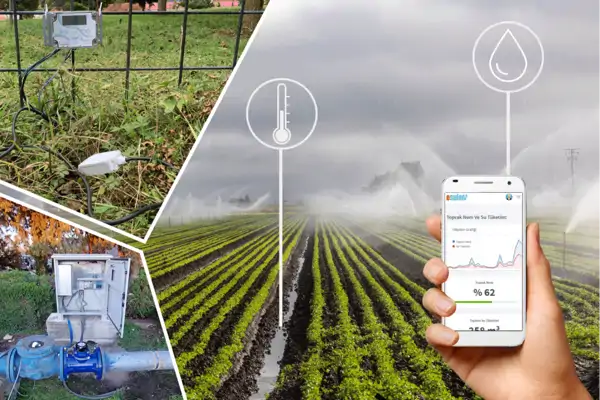
The use of smart irrigation systems in cauliflower cultivation both increases productivity and provides water savings. These systems determine the amount of water needed by the plants precisely by constantly monitoring the moisture level of the soil and provide only the required amount of water. In this way, water waste is minimized compared to traditional irrigation methods and ideal growth conditions are provided for the plants. Furthermore, smart irrigation systems automate irrigation processes thanks to their programmable features and significantly reduce the workload of farmers. It guarantees that plants receive sufficient water regularly, especially during hot and dry periods, while also eliminating the risk of over-watering. The use of these systems allows cauliflower plants to grow faster and healthier, while also supporting environmental sustainability. You can contact us for more detailed information. https://esular.com/akilli-sulama-sistemleri
Fertilization in Cauliflower Cultivation
Cauliflower plants especially need basic nutrients such as nitrogen, phosphorus, and potassium. Good preparation of the soil before planting and adding organic fertilizer or compost helps plants develop a strong root system initially. During the growth period, nitrogenous fertilizers should be applied regularly, ensuring that the leaves of the plants remain healthy and strong. Phosphorus and potassium are other important nutrients needed by the plants during the flowering and head formation period. Additionally, it is important to keep the soil pH level in the 6.0-7.5 range so that cauliflower plants can take up nutrients more effectively. The fertilization program should be adjusted according to the development stages of the plants, and missing nutrients should be identified by performing leaf analysis when necessary. Correct and balanced fertilization practices enable cauliflower plants to develop under optimum growth conditions, making it possible to obtain a high-quality and high-yield harvest.
Cauliflower Harvest
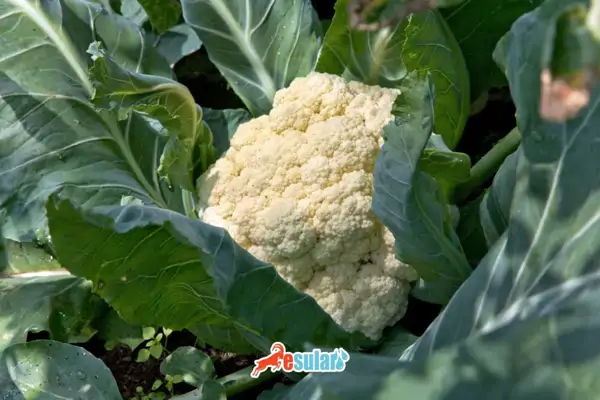
Cauliflower harvest is carried out when the heads of the plants are fully mature, and care must be taken at this stage. Cauliflower heads should be firm, tight, and white in color. The heads are ready to be harvested when they reach approximately 10-15 cm in diameter. It is important not to miss the harvest time because when the heads grow excessively, they can loosen and loss of quality may occur. The harvesting process should generally be done in the early morning or during cool times, so the plants maintain their freshness. The heads are harvested by carefully cutting them from their stems with a sharp knife, and the product is ensured to last longer by protecting the leaves around the heads. Harvested cauliflowers should be stored in a cool and dry place. Correct harvesting methods and timing increase the market value of the cauliflower and ensure a high-quality product is obtained.
How Much Cauliflower is Produced from 1 Decare?
Yield in cauliflower cultivation varies depending on how a one-decare area is used and the growing conditions. Generally, with proper care and correct variety selection, 1800 to 2000 heads of cauliflower can be obtained from a 1-decare area. In early varieties, the heads are smaller and usually weigh around 600-700 grams, but in late varieties, this weight can go up to 5-6 kilograms. This shows that it is related to farmers using the correct agricultural practices and providing optimal conditions to increase their productivity. Factors such as good planning, soil preparation, irrigation management, and disease control can ensure success and high-quality product acquisition in cauliflower cultivation.
What are the Diseases and Pests Seen in Cauliflower Cultivation?
Diseases and pests seen in cauliflower cultivation can negatively affect the health and productivity of the plants. Here is information about the most common diseases and pests and methods of control:
1. Root Rot (Rhizoctonia solani): Root rot is especially seen in young plants and causes roots to turn brown and rot. Diseased plants stop growing and turn yellow. In combating this disease, the use of well-drained soil and the cleaning of diseased plant residues are important. Soil disinfection is also an effective method.
2. White Rot (Sclerotinia sclerotiorum): White rot causes a white, cotton-like mold formation on the root and stem regions of the plants. The disease is common in humid and cool conditions. In control, good ventilation of the plants and immediate destruction of infected plants are necessary. Applying a rotation planting system can also prevent the spread of the disease.
3. Black Spot (Alternaria brassicae): Black spot disease leads to black spots and yellowing on the leaves. This disease is more common in humid weather conditions. In combating the disease, collecting and destroying diseased leaves, regular maintenance of plants, and the use of appropriate fungicides are important.
4. Cauliflower Moth (Plutella xylostella): The cauliflower moth causes damage by opening holes in the leaves of the plants and disrupts the general health of the plant. Biological control methods and organic insecticides can be used in control. Additionally, regular inspection of plants and cleaning of infected leaves are necessary.
5. Aphids (Aphidoidea): Aphids cause plants to weaken by sucking their sap. They also contribute to the transmission of virus diseases. In control, beneficial insects such as ladybugs, which are their natural enemies, can be used. Organic insecticides can also be effective.
6. Root-Knot Nematode (Meloidogyne spp.): Root-knot nematodes create swellings and galls on the roots of plants, which prevents the plants from taking up water and nutrients. In control, selecting resistant varieties, solarizing the soil, and applying a rotation planting system are important.
Kategoriler
Etiketler