How to Grow Cranberry Beans?
Cranberry bean cultivation is an agricultural production that increases soil fertility. Cranberry beans allow other plants to grow and improve soil quality by accumulating nitrogen in the soil. Additionally, it is an economically important agricultural product with its high productivity. Cranberry bean is a highly nutritious vegetable belonging to the legume family. Cranberry beans, which are widely grown in our country and in the world, are a healthy food source with their high protein and fiber content. It is frequently produced and consumed especially in the Aegean Region. This vegetable is consumed both fresh and dry. Dry cranberry beans are a food frequently used in winter months that meets protein needs. While the fiber content regulates the digestive system, proteins and minerals meet the daily needs of the body.
What are the Cranberry Bean Varieties?
Cranberry bean is a legume that has many varieties with different characteristics. Some popular cranberry bean varieties are:
Dragone Cranberry Bean: It is a dwarf-type and early variety. Its pods are red and have white spots on them.
Casa Cranberry Bean: This variety, which has a high-yield and early structure, is of the bush type and has vibrant colors.
Pole Cranberry Bean: This variety, which has long pods, has a reddish appearance on the shell side.
Antunya: It is a pole cranberry bean variety grown in the Mediterranean region and has white grains.
Kınalı Cranberry Bean: It is a bush-type variety with a reddening outer shell. It has full and heavy pods.
Keklik: It is a bush cranberry bean variety with visually attractive and red-shelled pods.
These varieties show suitability for different climate and soil conditions, and the variety to be preferred may vary depending on the growing region and the farmer's preferences.
Climate and Soil Structure in Cranberry Bean Cultivation
Cranberry beans are generally preferred in temperate climates, and the optimum temperature range is usually between 15 and 20 degrees. Temperatures dropping to 2 to 3 degrees below zero can damage cranberry bean plants. Additionally, a temperature range of 18 to 20 degrees is required during the flowering period. However, very high temperatures can also negatively affect the development of the plant. Soil structure is also very important. Soils providing good drainage and rich in humus are ideal for cranberry beans. Loamy-sandy or loamy-soil structures are the most suitable for cranberry bean cultivation. Heavy clay soils and soils that create puddles can lead to rotting of the plant's roots and diseases. The pH level of the soil should generally be between 5.5 and 6. Additionally, the cranberry bean plant does not like excessive moisture, so soils providing good drainage should be preferred.
Where Does the Best Cranberry Bean Grow?
A large part of cranberry bean production in Turkey is met from the Niğde region. Especially districts of Niğde such as Ovacık, Yeşilova, Uluağaç, Çavdarlı, and Çamardı are prominent regions in cranberry bean production. The climate and soil conditions of these regions are very favorable for cranberry bean cultivation. With qualified production and effective marketing strategies, Niğde's cranberry bean production has become a well-known brand nationwide and in the international arena. This situation provides significant contributions to the regional economy.
In Which Month is Cranberry Bean Planted?
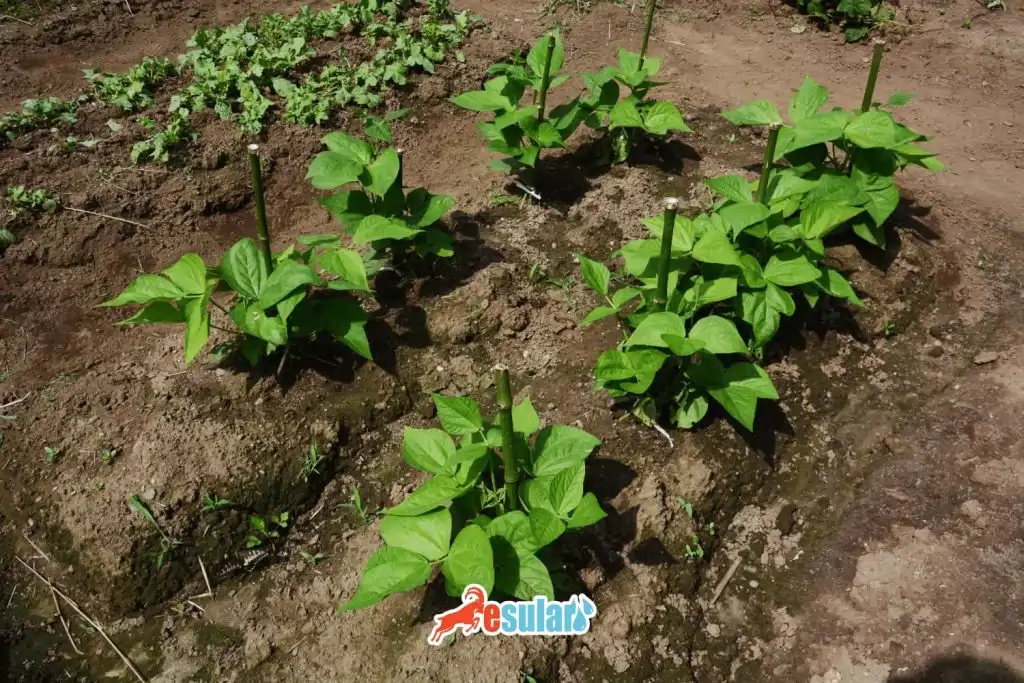
Cranberry beans are generally recommended to be planted in Spring and Summer. Because these periods ensure the best growth of the plant and obtaining a productive harvest. You can easily grow this vegetable on your home balcony or in your garden. Cranberry bean planting should be done meticulously. As a first step, the cranberry bean seed is left in water or a damp cloth for 1 day. This process increases the germination rate of the seed. Then, you should scratch and moisten the soil in the container or pot where the planting will be done. Bury the seed about 2 centimeters deep into the soil, then cover it with soil and close the around of the pot with a nylon bag. Cranberry bean seeds usually germinate within 8 to 10 days. When germination starts, remove the nylon bag, but keep the plant away from sunlight so that germination does not prevent the development of the seedling. Observe the germination and wait until you obtain a seedling of about 5 to 7 centimeters. You can ensure its growth by transferring the seedling to a pot of the size you want or to your garden. With good care and regular irrigation, the cranberry bean plant will grow healthily and offer a productive harvest.
Fertilization in Cranberry Bean Cultivation
First of all, it is important to determine the nutrient values of the soil by performing a soil analysis. Organic fertilizers are the fertilizers preferred by the plant and increase the nutrient level of the soil. Organic materials such as rotted animal manure, compost, or fertilization leaves can be used. The rotational fertilization method is also effective. The nutrient balance of the soil can be maintained by using different types of fertilizers in different periods. Liquid fertilizers applied to the leaves of the plants ensure fast and effective nutrition of the plant. However, it is important to apply foliar fertilizers during the active growth period of the plants and in cool weather. The cranberry bean plant prefers slightly acidic soils with a pH level between 5.5 and 6; therefore, it is important to check the soil pH level. In this way, with a regular and balanced fertilization program, healthy and productive cranberry beans can be obtained.
Irrigation in Cranberry Bean Cultivation
Irrigation should be done regularly, especially after the seed is planted in the soil and in the first growth stage of the seedlings. The soil must remain constantly moist for seed germination and seedling formation. However, excessive irrigation can cause the roots of the plants to rot. Therefore, the amount of irrigation should be carefully adjusted. Generally, the cranberry bean plant should be irrigated once or twice a week, but more frequent irrigation may be required in hot weather or dry soil. The irrigation process should be done in the early morning hours or after sunset. Thus, the evaporation of water is minimized and the plants are ensured to absorb the water better. By preferring methods such as drip irrigation or root irrigation, the water can be ensured to be delivered directly to the root zone of the plant. This also ensures more efficient use of water. Irrigation frequency and amount should be adjusted depending on the climate of the region where it is grown, the moisture level of the soil, and the growth stage of the plant.
How Long Does Cranberry Bean Take to Grow?
The time from seed to harvest maturity for cranberry beans can vary depending on the variety and growing conditions. Generally, it takes between 70 to 90 days from the planting of the cranberry bean seed until it becomes harvestable. Some early-maturing varieties can be harvested in a shorter time, while other varieties may take longer. The growing season, climate conditions, and the fertility of the soil can also affect the growth period of the plant. For example, while cranberry beans can grow faster in hot and humid climates, the growth period may be prolonged in colder or more arid regions. Generally, a period of average 2 to 3 months is required for the cranberry bean plant to become harvestable after planting.
Harvest in Cranberry Bean Cultivation
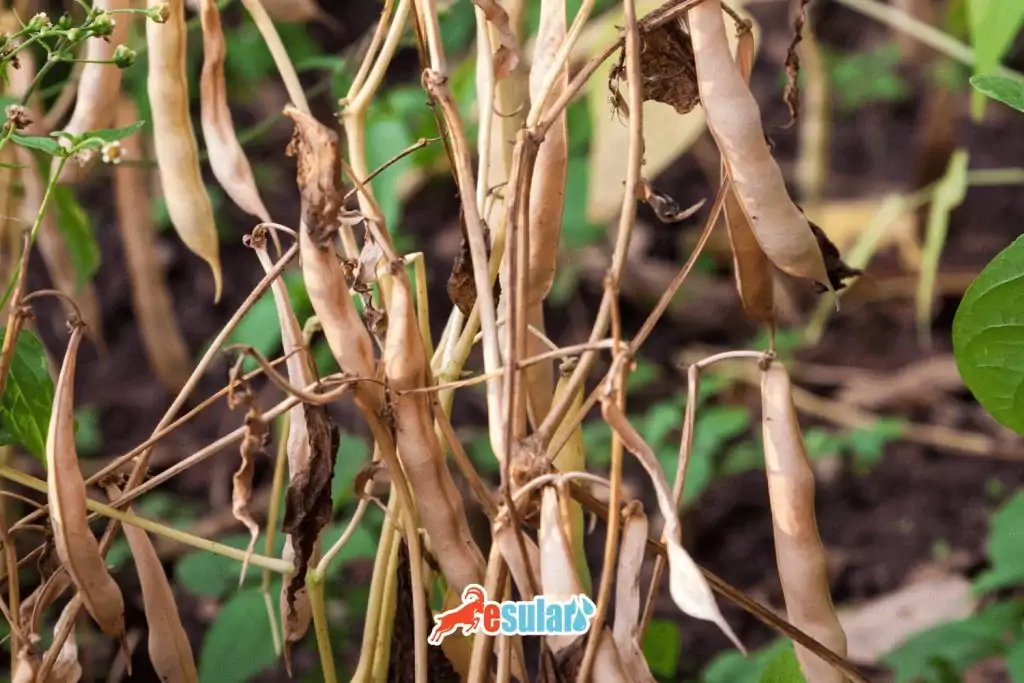
Harvest for cranberry bean cultivation is the stage where the maturation process of the plant is completed and it is time to collect the pods. There are some important points to be considered while harvesting cranberry beans. The color of the pod, the hardness of its shell, and its fullness are important criteria in determining the harvest time. The pods should be in a vibrant and bright color, and their shells should be easily breakable with a slight pressure. Additionally, the grains inside the pod should be fully developed and plump. Harvesting is usually done by hand. Pods are collected by gently plucking them from the plant and placed in a container or basket. Harvested pods should be processed or preserved immediately. Cranberry bean pods can be consumed fresh, as well as stored by drying or canning. Additionally, after harvest, the field or garden should be cleaned and necessary measures should be taken to make the plants ready for replanting.
How Much Cranberry Bean is Produced from 1 Decare?
The amount of cranberry beans obtained from an area of 1 decare can vary depending on many factors. Factors such as climate conditions, soil quality, irrigation methods, fertilization practices, and plant care can be effective on productivity. However, in general, under favorable conditions, between 1,250 and 2,000 kilograms of cranberry beans can be obtained from an area of 1 decare.

Yorumlar