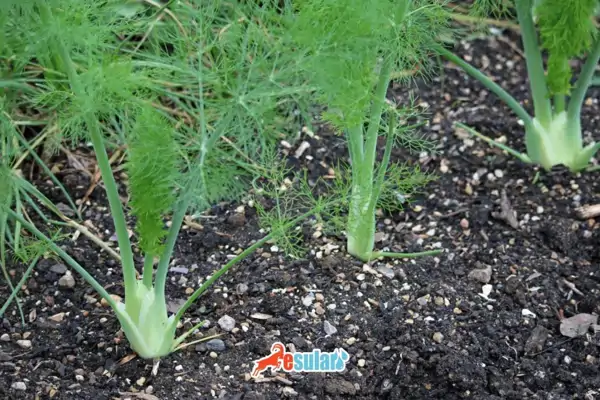
Fennel cultivation can achieve great success when appropriate conditions are provided. Fennel (Foeniculum vulgare) is a plant that stands out with its rich aroma and various areas of use. The Mediterranean region is known as the historical homeland of this plant, but today it is successfully grown in many different climates worldwide. Fennel has been used for various purposes throughout history in food, medicine, cosmetics, and even traditional medicine applications. Its seeds contain a high proportion of essential oils, and these oils are particularly valuable in the pharmaceutical industry. These oils, which give an anise-like taste and smell, are especially used in confectionery, beverages, and pharmaceutical formulations. Its leaves are preferred fresh in salads, soups, or as a garnish next to fish. Fennel appeals to a wide consumer base. Its use in medical and cosmetic products creates a continuous demand, while its use as a spice in the kitchen offers a constant market potential. In recent years, with the rise of health and wellness trends, the demand for natural products has increased, which has increased the value of this and similar herbal products.
Where Does Fennel Grow?
Fennel cultivation in Turkey is especially concentrated in the Mediterranean Region. Significant amounts of fennel farming are carried out in our provinces such as Burdur, Antalya, and Isparta. Additionally, fennel cultivation is seen in some areas of Central Anatolia regions such as Konya and Karaman. Globally, it is not limited to temperate climate regions like the Mediterranean climate but is grown in a wide geographical area. Especially Europe, North America, India, China, and Middle Eastern countries are among the prominent regions in the production of this plant. Depending on the climate conditions and agricultural practices of each region, it grows under different growth conditions and is exposed to various environmental factors.
Climate and Soil Structure in Fennel Cultivation
In terms of climate, fennel generally shows good development in temperate climates and regions dominated by warm summers and mild winters like the Mediterranean climate. Temperature and humidity balance play an important role during the growth periods of the plant. Especially during flowering and seed formation periods, high humidity and mild temperatures are preferred. As for soil structure, sandy or sandy-loam soils are ideal for fennel. These soil types provide good drainage and allow the plant's roots to develop comfortably. Additionally, the pH value of the soil being between 4.8 and 8.3 is considered appropriate. Fennel can also grow in lime-rich soils, but it is recommended to avoid excessively limy or heavy clay soils.
Fennel Planting
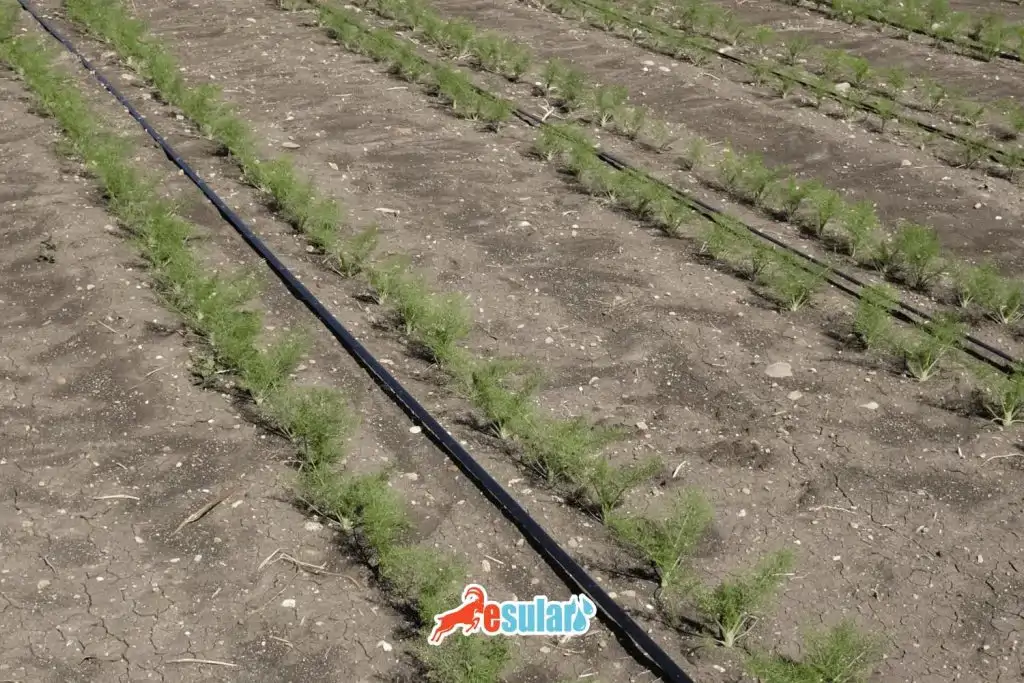
Fennel is practically grown using its seeds, which are the main production materials, and its vegetative shoots called 'claws'. The most common method is production with seeds. One thousand seeds vary between 3.8-8.7 grams, and these seeds are generally sown at 1.5 kg per decare. The sowing process is done with a machine called a seeder, and the row spacing is usually arranged to be 60 cm, with a sowing depth of 2-3 cm. The ideal sowing time for this plant is autumn or early spring months. During these periods, soil temperature and humidity levels generally provide suitable conditions for the germination and early development stages of the plant. Factors such as soil preparation and regular irrigation are also important elements affecting sowing success.
Fertilization in Fennel Cultivation
In fennel cultivation, fertilizer application in amounts such as 4-6 kilograms of nitrogen, 4.5-7 kilograms of P2O5, and 8-10 kilograms of K2O per decare is generally recommended. These nutrients encourage the root development of the plant, support leaf and shoot formation, and increase overall growth. The fertilization process is usually done before seed sowing or for young plants and is arranged according to the growth stages of the plant. Organic fertilizers can also be preferred, but organic sources such as excessive amounts of stable manure should not be used because they can lead to heavy metal accumulation. When fertilization is considered together with regular irrigation and general plant care, it will be possible to ensure healthy and efficient production in fennel cultivation.
Irrigation in Fennel Cultivation
Fennel needs more water compared to other members of the Umbelliferae (Apiaceae) family. Irrigation is especially important at the beginning of flowering and the seed ripening period. During these periods, the plant must be supported with regular irrigation so that it can maintain its healthy development without experiencing water stress. Among irrigation methods, sprinkler or drip irrigation can be preferred. The sprinkler method is effective in large areas and for watering the upper parts of the plant evenly. However, it may have disadvantages such as water evaporation and the soil remaining on the surface. Drip irrigation, on the other hand, ensures that the water reaches the root zone of the plant directly, thus water is used efficiently and water loss is reduced. At the beginning of flowering and during the seed setting period, it is recommended to irrigate 1-3 times for fennel. This amount of irrigation should be adjusted depending on the moisture status of the soil and the climate conditions of the region.
Fennel Harvest
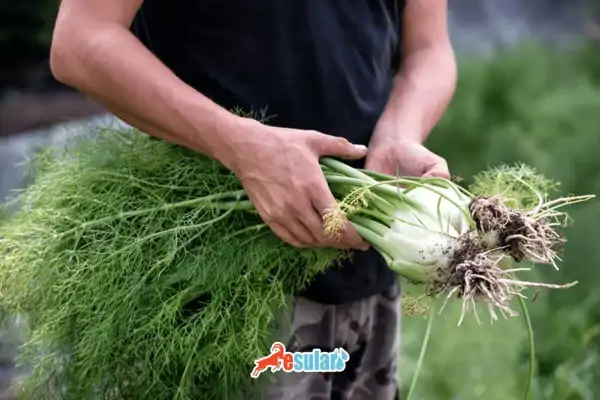
Fennel, like other members of the Apiaceae family, has a heterogeneous ripening process. Harvest is generally carried out during the period when the seeds have just started to turn brown, which usually happens in August. The harvested fennel is dried in a well-ventilated dry environment until it reaches a constant weight. After the drying process is completed, it is usually threshed by beating or with the help of a combine harvester. These processes ensure that the seeds become storable and ready for subsequent operations.
How Much Fennel is Produced from 1 Decare?
The yield of the fennel plant may vary depending on how much is planted per decare, soil conditions, climate conditions, and plant care. In general, under good care and suitable conditions, between 500 and 1000 kilograms of fennel can be obtained from 1 decare of land. This amount may vary depending on factors such as the amount of seed used, irrigation schedule, and fertilization.
Diseases and Pests Seen in Fennel Cultivation
One of the most important fungal diseases encountered in fennel cultivation is Cercosporidium punctum; this disease can create symptoms in the form of blight in plant tissues, especially under high temperature and humidity conditions, and can spread rapidly. Additionally, the blight disease caused by Passalora malkofii is also a significant problem in fennel production, appearing especially during the flowering period and leading to serious product losses. Other common diseases include powdery mildew (Erysiphe polygoni) and blight (Ramularia foeniculi); these diseases are usually effective during the seedling and bolting periods and can be controlled with appropriate fungicides. Fennel is also sensitive to many pests. For example, pests such as Othiorrhynchus ligustici can damage the root zone of the plant and negatively affect the yield. Therefore, organic control programs and regular observations are important in fennel cultivation.