Tüm Yazılar

How to Grow Melons?

Melon cultivation has an important place in the agricultural sector and is one of Turkey's leading products. Melon is an annual plant and is generally grown in hot and temperate climate conditions. Melon cultivation in Turkey is especially concentrated in the Mediterranean, Aegean, and Southeastern Anatolia regions. The climate conditions of these regions offer a suitable environment for the healthy growth of the melon plant and for obtaining high yields. Melon is a popular fruit that is in high demand in the market. It is especially known for being consumed as a refreshing food in the summer months, its use in salads, and its application in various desserts and ice creams. Additionally, melon is frequently used in making fruit juice and fruit salads. Fresh melons are popular among consumers because they are delicious and nutritious. Turkey's melon cultivation is of great importance both for local consumption and for export purposes. Melon exports are made particularly to European and Middle Eastern countries. For this reason, melon cultivation is an important source of income for Turkish agriculture.

What are the Melon Varieties Grown in Turkey?

Melon cultivation in Turkey offers a wide variety. This diversity is examined under two main categories: summer and winter. Some particularly preferred melon varieties are as follows:

  • Hasanbey: Hasanbey melon has a green and wrinkled skin. The fruit flesh is white or orange in color and has a sweet and juicy structure. This variety is generally consumed in the winter months.

  • Kırkağaç (Altınbaş): Kırkağaç melon has a yellow and thick skin. The fruit flesh is white and delicious; it is preferred in the winter months.

  • Yuva: The Yuva melon, which has a dark green skin, has round fruits and a thick fruit flesh. It can be stored in cool environments and consumed for a long time.

  • Van (Cantaloupe): The Van melon, which has netted skins, has round or oval fruits. The fruit flesh is orange-yellow in color and soft.

  • Topatan: The Topatan melon, which has a thin and yellow skin, is long oval in shape and has a white and delicious fruit flesh.

  • Sarı Dilimli (Yellow Sliced): The Yellow Sliced melon, which has a yellow and wrinkled skin, has a greenish-white and juicy fruit flesh.

  • Çitili Melon: The Çitili melon, which has large fruits, has a yellow and "çitili" (mottled) skin.

  • Mollaköy Melon: The Mollaköy melon, which has long oval-shaped fruits, is yellowish in color and fragrant. It has a thin skin.

  • Honeydew: The Honeydew melon, which has an oval structure and a creamy yellow skin, has a juicy and sweet fruit flesh.

These varieties grown in different regions of Turkey contribute to the local taste and culture, thus offering a rich melon experience.

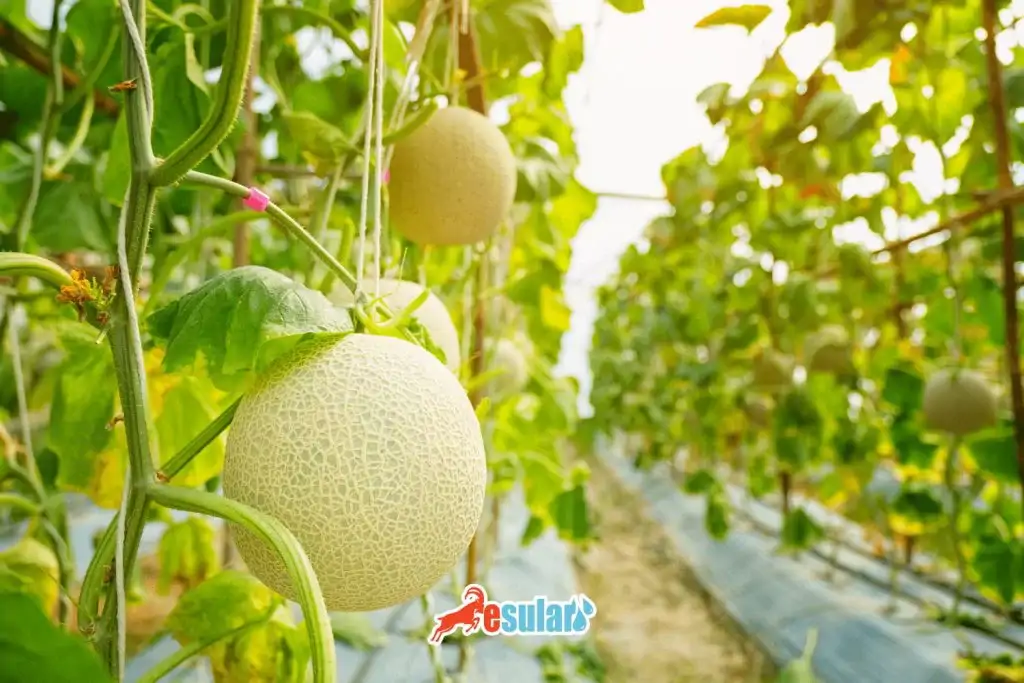
melon farming

How Should the Climate and Soil Structure Be in Melon Cultivation?

Suitable climate and soil conditions for melon cultivation are very important for the healthy growth of the plant and obtaining high yields. In terms of climate conditions, the melon plant prefers hot and temperate climate regions. Requiring a long growing season, the melon develops best in a sunny and hot climate. A suitable melon growing climate should include high sunshine duration, mild winds, and low humidity. Since the melon plant can be damaged by frost events, regions without frost risk should be preferred. In terms of soil structure, deep, loose, light, and well-drained soils are ideal for the melon plant. Sandy-loam or loamy-sandy soils allow roots to develop easily and allow water to drain well. Additionally, it is preferred that the soil pH be between 6.0 and 8.0.

Planting in Melon Cultivation

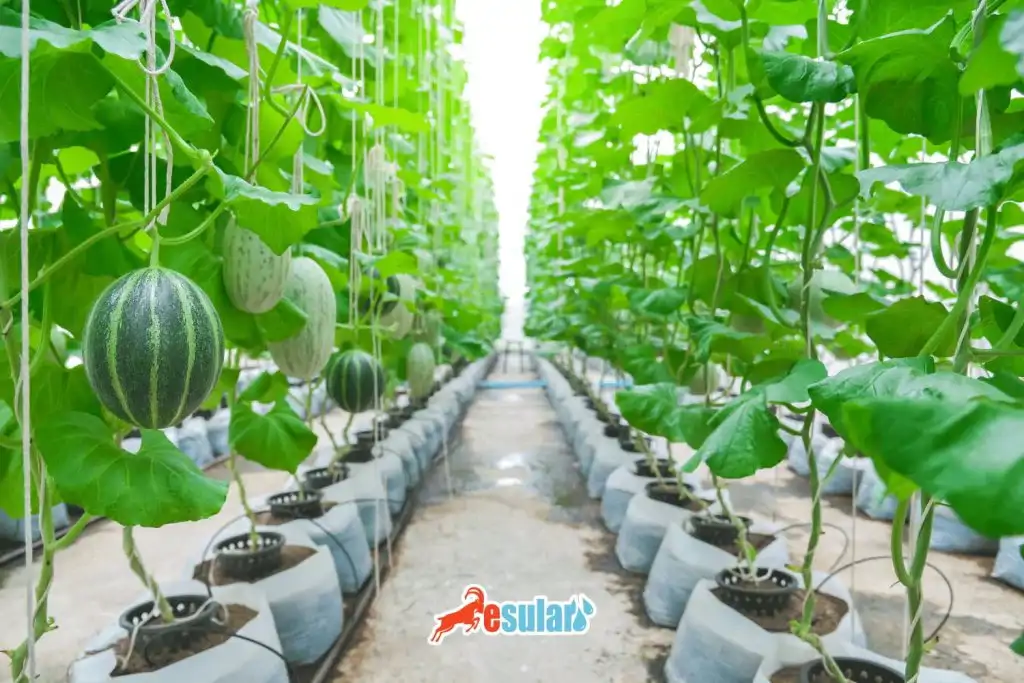
The planting stage in melon cultivation is of great importance for the healthy growth and productivity of the plant. A good planting process is the fundamental step to obtaining high-quality and abundant products during the harvest period. Pre-planting preparation begins with bringing the soil to suitable conditions. The soil is ventilated by deep plowing, and an environment is provided where the roots of the seed can develop easily. Seeds or seedlings can be used for melon planting. When seed sowing is done in open fields, the seeds are placed in rows at certain intervals. Seeds are sown in pits of appropriate depth and fixed by pressing lightly on them. When cultivation with seedlings is preferred, seeds are sown in pre-prepared seedling bags and transferred to the field after reaching the appropriate size. Planting density may vary according to the growing environment, variety, and preference. After planting, plants should be given life water. A good planting process increases the healthy growth of the plant and product yield, while allowing for the production of high-quality and delicious melons during the harvest period.

how to plant melon

Fertilization in Melon Cultivation

The first step of fertilization is the analysis of the soil. This analysis helps in planning the fertilization program correctly. In melon cultivation, generally organic and chemical fertilizers are used. Organic fertilizers increase the organic matter content of the soil, stimulate microbial activity, and increase the water-holding capacity of the soil. Chemical fertilizers, on the other hand, provide nutrients to the plant quickly and intensively. In melon cultivation, NPK fertilizers are generally used. These fertilizers meet the plant's needs for basic nutrients such as nitrogen, phosphorus, and potassium. The melon plant needs different nutrients throughout its growth stages. For this reason, fertilizers should be given at regular intervals according to the plant's growth period and needs. Finally, excessive fertilization is a situation that should be avoided. Excessive fertilization can negatively affect the plant's root development, lead to soil and water pollution, and negatively affect plant health. Therefore, the amount and frequency of fertilization should be carefully controlled.

melon planting

How is Irrigation Done in Melon Cultivation? How Many Days Apart is Melon Irrigated?

Irrigation requirements change in parallel with the development of the plant. Irrigation is generally carried out through furrows opened next to the rows or by watering the planting hills individually. Irrigation frequency and timing depend on the soil structure, water-holding capacity, and growth stages of the plants. After fruit formation, the irrigation frequency should be increased and generally, irrigation should be done every 12-15 days. Irrigation depth varies between 0-90 cm according to the water-holding capacity of the field. During the fruit ripening period, care should be taken in irrigation operations, and fruits should not come into contact with irrigation water as much as possible. While larger and more productive products are generally obtained in areas with regular irrigation, melons grown in dry conditions may have a sweeter flavor profile. Irrigation operations should be adjusted in accordance with the needs of the plants and growing conditions.

Harvest in Melon Cultivation

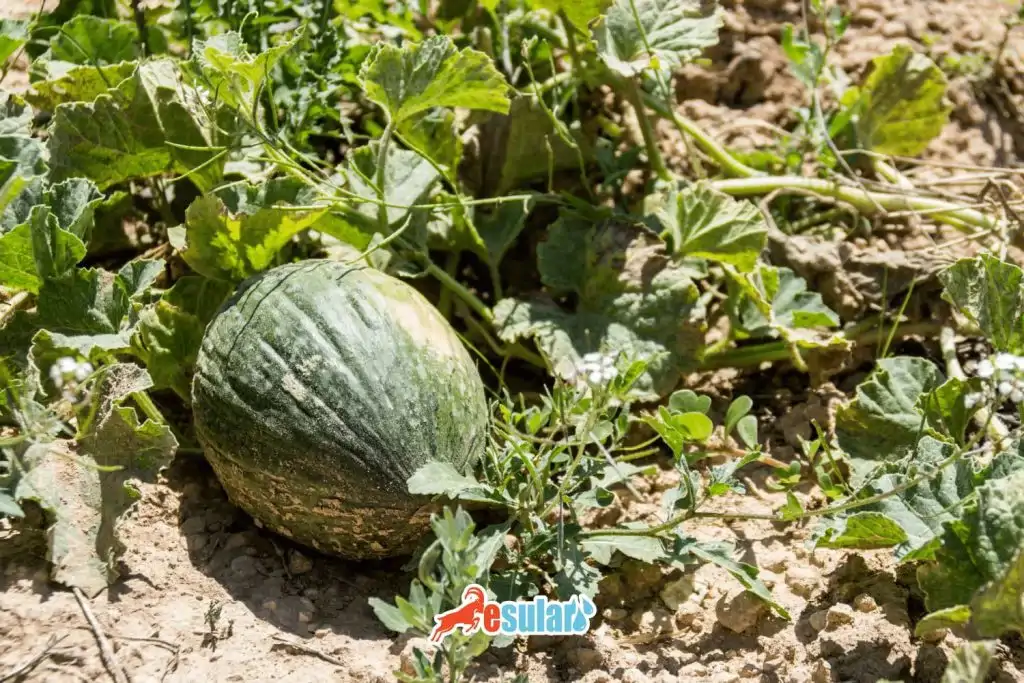
In a process ranging from 80 to 120 days from seed sowing, melons grow and ripen. During the harvest stage, it is important to observe the signs of maturity. Ripe melons become heavy compared to watermelons and the tendrils at the base of the stem dry up. In addition, a slight softening and a distinct odor occur at the bottom part. Their skins take on a brighter appearance. In line with these signs, the harvest of melons is carried out early in the morning by hand or with a knife. This process is just one of the steps in melon cultivation that requires care and attention, but when done at the right time, it is possible to obtain fresh and delicious melons.

melon cultivation

How Much Melon is Produced per 1 Decare?

How many tons of melon will be obtained from 1 decare of land can vary depending on many factors. Factors affecting yield in melon cultivation include elements such as the variety grown, soil conditions, climate conditions, irrigation and fertilization methods, and the fight against diseases and pests. However, although there is no generally accepted average yield, an average of 2 to 6 tons of melon production can be provided per decare. Therefore, the amount of melon to be obtained from one decare of land will vary within this diversity.

What are the Diseases and Pests Seen in Melon Cultivation?

Diseases encountered in melon cultivation include problems such as wilt, powdery mildew, anthracnose, mosaic virus, wireworms, aphids, red spider mite, melon red spider mite, melon ladybird, and melon fly. Some measures must be taken to deal with these pests and diseases. First of all, the use of healthy seeds and seedlings is of great importance. Resistant varieties should be preferred and diseased plants should be quickly uprooted and destroyed. Crop rotation should be applied and weed control should be carried out regularly in the growing area. In addition, the use of excessive nitrogenous fertilizers should be avoided and plant residues should be cleaned from the field after harvest. Finally, when chemical control is necessary, appropriate chemical substances should be used in line with technical instructions from agricultural organizations.

", "metaTitle": "How to Grow Melons? - Melon Cultivation Guide", "metaDescription": "How to Grow Melons? Melon cultivation has an important place in the agricultural sector and is one of Turkey's leading products. Learn about melon varieties, soil, and climate needs.", "metaKeywords": "melon cultivation, growing melons, melon varieties, melon irrigation, melon fertilization, melon harvest, melon diseases, agricultural technology, Esular

Yorumlar

Daha Fazla İçerik İster misiniz?

Akıllı tarım hakkında en güncel içerikleri takip edin.