Tüm Yazılar
How to Grow Sorghum?
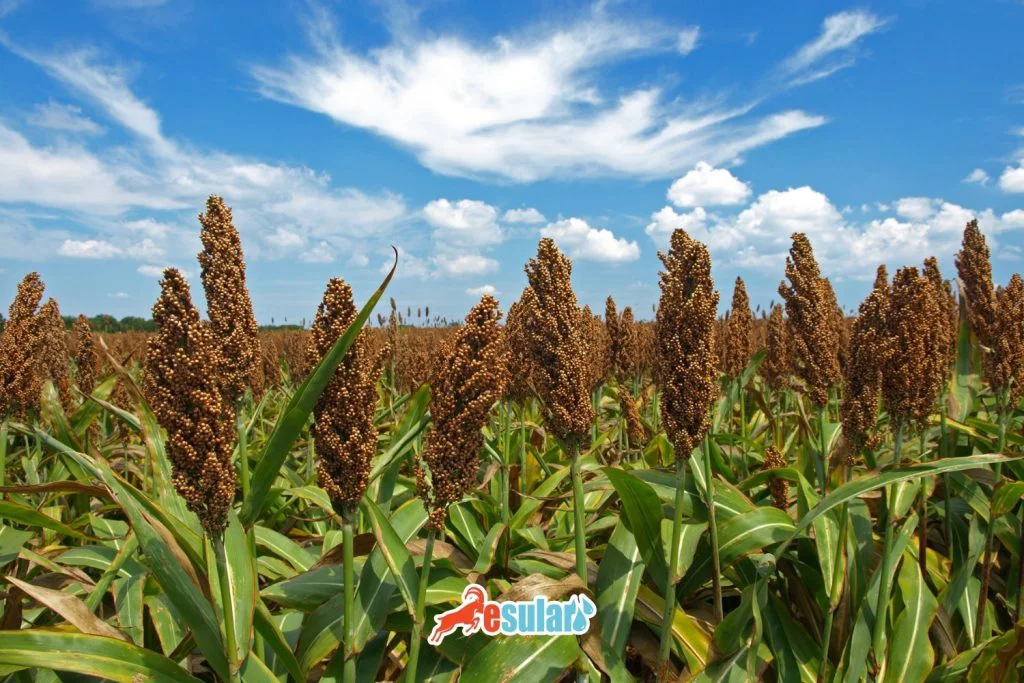
Sorghum cultivation is widely practiced worldwide. Especially used as a forage crop, sorghum stands out with its resistance to both hot and dry climatic conditions and its high yield. Sorghum cultivation has great importance in terms of providing a nutritious forage source in the livestock sector and for farmers to obtain economic gain. Sorghum, which is an annual plant, is one of the best plants that can be grown to obtain green forage during the summer months. Thanks to its resistance to heat and drought, it can be easily grown in many regions of Turkey. Sorghum is a plant with high forage and grain yield and shows development in a short time. While one cutting can be obtained even in arid areas, it is possible to give three to five cuttings in irrigated fields.
The sorghum plant is grown by planting in late spring and early summer. Soil preparation and correct planting techniques are the keys to success in sorghum cultivation. Additionally, it is important to provide sufficient fertilization and irrigation for the development of the plant. Care should be taken as young plants can cause poisoning in animals when grazed fresh. When the plant reaches sufficient height, it can be harvested and used as both green forage and silage. In our article, you can find tips and application methods that need to be considered at every stage from soil preparation to harvest to learn more detailed information about sorghum cultivation and to have a successful production process.
Where Does Sorghum Grow?
Sorghum is a durable and versatile plant that can be grown in a wide geography worldwide. Especially thanks to its adaptation to hot and dry climatic conditions, it is widely grown in tropical and subtropical regions. The homeland of the sorghum plant is Africa, but over time it has spread to other continents such as Asia, America, and Europe.
Sorghum Cultivation in Turkey
Turkey is one of the countries that has suitable climate and soil conditions for sorghum cultivation. The Aegean, Mediterranean, and Southeastern Anatolia regions are ideal areas for sorghum cultivation. The hot and dry climate in these regions allows the sorghum plant to grow efficiently. Especially in the Southeastern Anatolia region, sorghum cultivation as a second crop is increasingly gaining importance.
How and When is Sorghum Planted?
Sorghum planting involves several important steps that must be considered to obtain a successful crop. First, the area to be planted must be prepared. The soil should be rich in organic matter and well-drained. Soil preparation begins by breaking up clods to bring the soil to a smooth structure. Planting is done in late spring or early summer, when the soil temperature reaches 15-18°C. Sorghum seeds are planted at a depth of approximately 3-4 cm, with a row spacing of 45-70 cm and an intra-row spacing of 5-10 cm. The amount of seed used per decare varies according to the purpose of planting; 3 kg per decare is used for green manure or grazing, and 4-5 kg per decare is used for hay or silage. After planting, light irrigation should be done to encourage the seeds to sprout. The sorghum plant requires regular irrigation and nitrogen fertilization during the growth process. The first fertilization should be done during planting, and the second fertilization when the plants reach a height of 35-40 cm.
Fertilization in Sorghum Cultivation
Fertilization in sorghum cultivation requires providing the nutrients the plant needs throughout its life cycle at the right time and in the correct amounts. Soil analysis should be performed before or during planting. These analyses form the basis of the fertilization program by helping to determine the nutrient levels of the soil. Sorghum planting is generally carried out in the spring, and a balanced fertilizer use containing nitrogen, phosphorus, and potassium is usually recommended. Nitrogen is particularly important during the plant's growth period and can be applied several times depending on the plant's growth rate after planting. Phosphorus is important for root development and is usually applied during planting or to increase the amount present in the soil as the plant grows. Potassium is used to ensure the plant's water balance and to promote general growth. The fertilization program should be adjusted according to the needs of the soil and the plant, and local climate conditions and soil characteristics should also be taken into account.
Does Sorghum Grow Without Water?
Sorghum is generally known as a plant grown in dry and hot climates and stands out as a drought-resistant option with these characteristics. The sorghum plant requires less irrigation compared to other grains and can be successfully grown even in regions with low rainfall. The root system extends deep and uses water efficiently, making it an ideal choice in arid and semi-arid conditions. However, irrigation requirements should be considered for productivity; the plant needs water especially during the development and heading stages. Although sorghum's water requirement is generally not as intense as other grains, if irrigation is not provided during dry periods, yield and quality may be adversely affected. Therefore, irrigation planning and water management are important in sorghum cultivation, and should be done by considering soil and climate conditions, especially before planting.
Sorghum Harvest
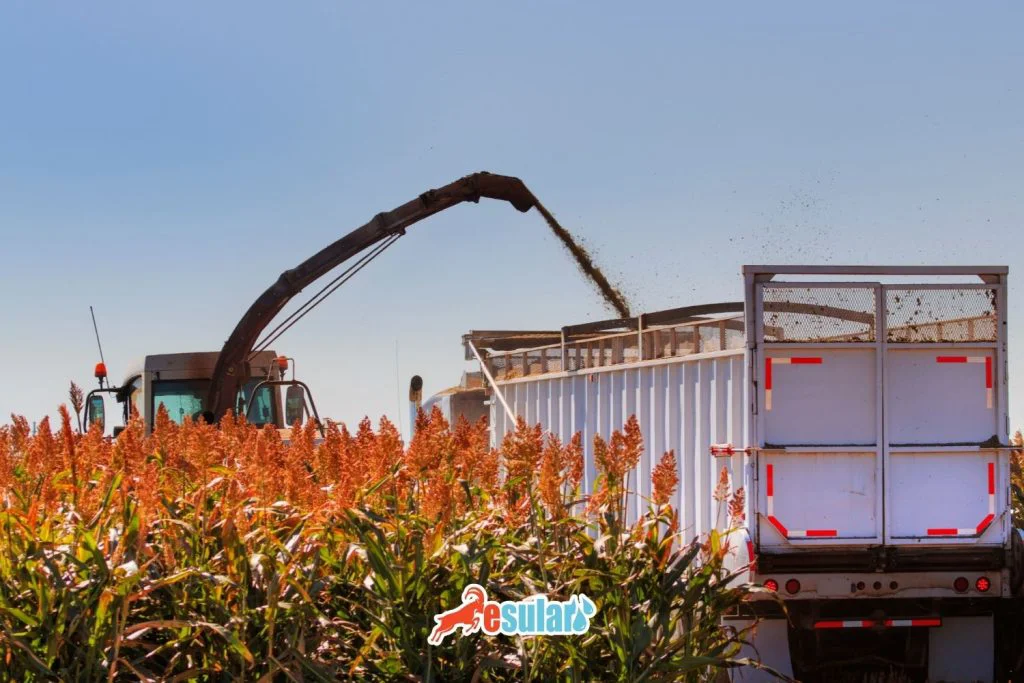
Sorghum harvest is an important process to obtain high yield and quality products. Generally, the plant becomes suitable for harvesting when it reaches approximately 100-120 cm in length for cutting. The cutting process is usually done with mechanical combine harvesters. Combine harvesters cut the stalk of the plant and separate the heads. The heads are usually collected to be processed by being transported to silos or trailers. The stalks and other residues remaining in the field are usually evaluated for reuse or other purposes. After harvest, sorghum heads are generally processed. The heads are ground and converted into different products such as flour or feed. Additionally, the use of sorghum as silage is also quite common. In this case, the plant is usually cut before it is fully mature and made suitable for silage. During the sorghum harvest process, the drying process of the plant is also important. Appropriate conditions must be provided for the sorghum to dry correctly after cutting. Drying is usually carried out in the field or in storage, and it is waited until the moisture content of the plant is reduced to the optimum level.
How is Sorghum Given to Animals?
Sorghum can be given to animals in different ways and forms. Some common methods are as follows:
-
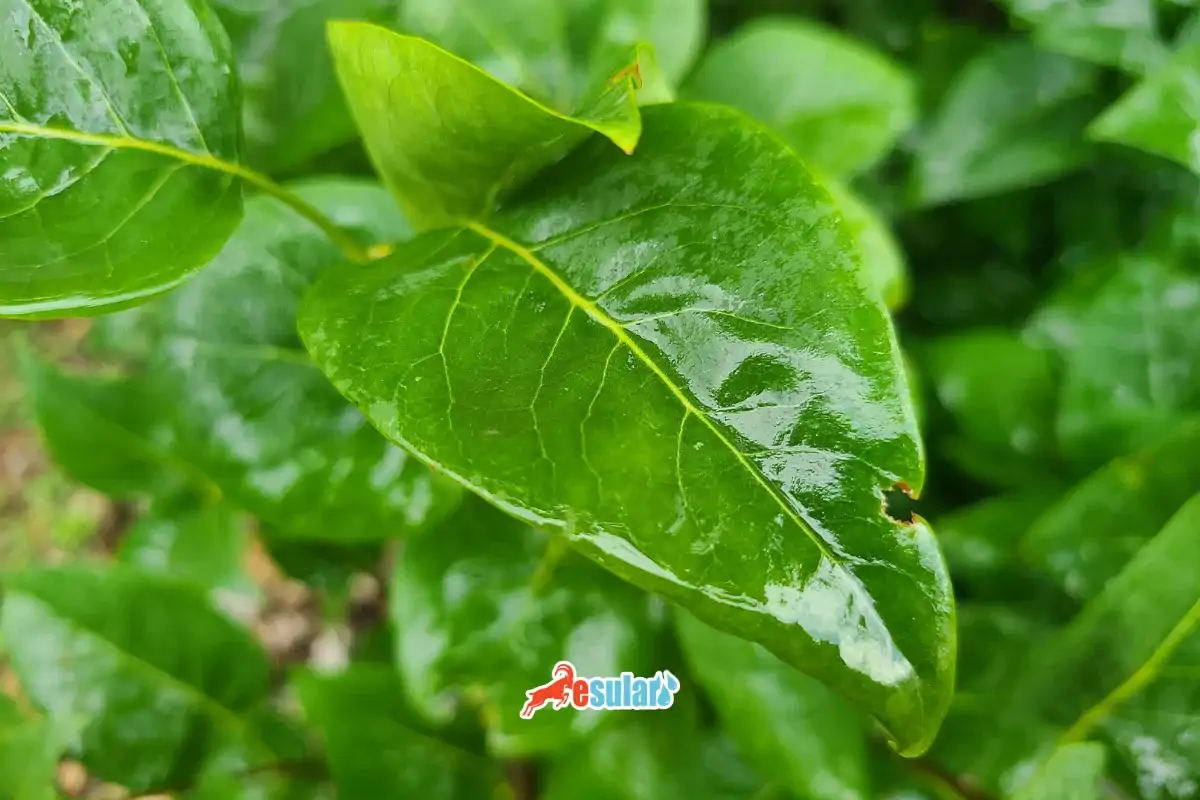
Giving as Green Forage: Young shoots and leaves of sorghum can be used for direct grazing of animals or for cutting and feeding. In this method, especially for dairy cattle, leaves should be given fresh along with the roots. However, when grazing, the plant must have passed a certain height, because the Prussic acid content in young plants can be dangerous for animals.
-
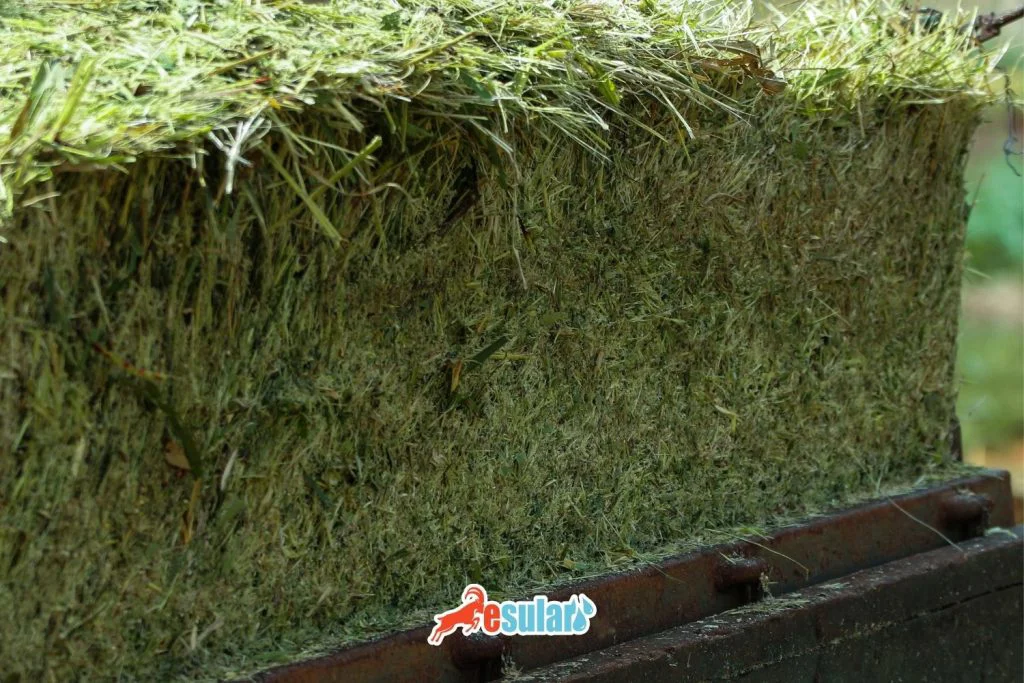
Use as Silage: Sorghum can also be used as silage. In this case, the plant is cut before it is fully mature and stored by being shredded. Sorghum made into silage is used to provide nutrition to animals during the winter months. The production of silage requires a careful drying process to ensure that the moisture content of the sorghum is at an appropriate level.
-
Use as Dry Forage: Sorghum heads and other parts can be stored as dry forage after being dried and given to animals in the winter months. The drying process is usually carried out in the sun or in appropriate storage facilities.
-
Use in Feed Mixtures: Sorghum flour or sorghum flour mixtures can be used in different feed formulations. This method can help balance different nutrients and is used to meet the nutritional needs of animals.
Giving sorghum correctly to animals is important both to ensure the preservation of nutritional value and not to risk animal health. The amount and frequency of feeding should be adjusted according to the animal species and daily nutritional needs.
Points to Consider in Sorghum Cultivation
Sudan grasses such as sorghum can form prussic acid under certain conditions, especially in young plants. Therefore, the plant height for grazing should be at least 70 cm. Sorghum cut in the young stage should be kept for at least 4-5 hours after cutting before being given to animals. Plants that have experienced drought should be waited for to re-develop; plants damaged by frost should be waited for until they dry or for at least 72 hours. Additionally, high amounts of nitrogenous fertilizer, insufficient irrigation or rainfall, acidic soils, phosphorus deficiency, and low temperatures can increase the amount of prussic acid.
Kategoriler
Etiketler