How to Grow Sumac?

24 Ocak 2026 Çağla Altıntaş 1 görüntülenme
Tüm Yazılar

How to Grow Sumac?

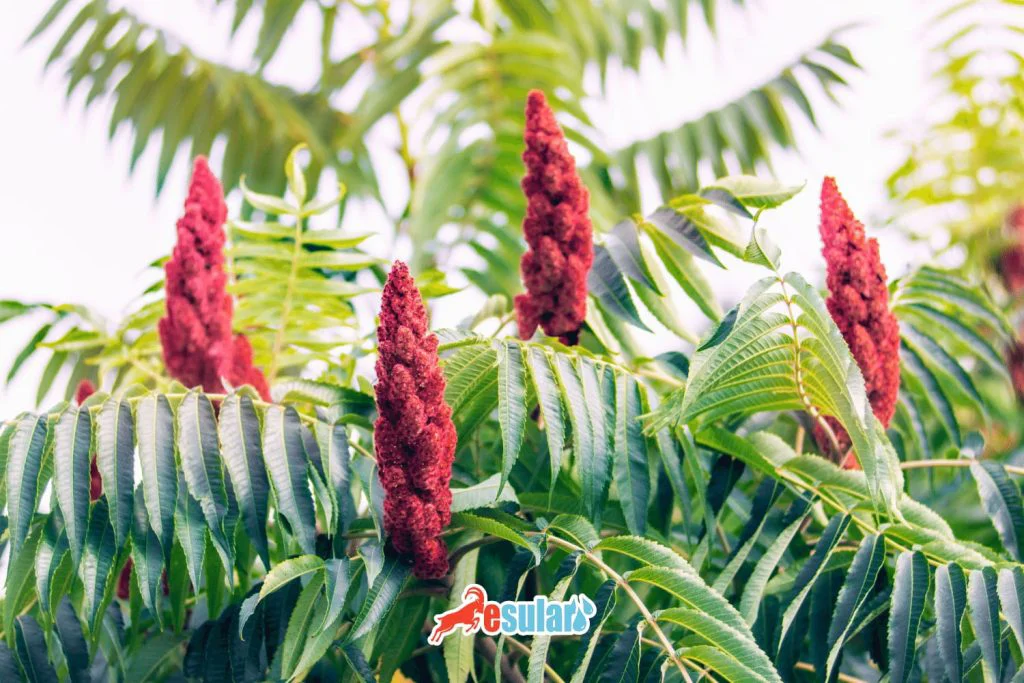
Sumac cultivation is an agricultural activity that has met with increasing interest in recent years and has economic potential. Sumac is a plant species belonging to the Anacardiaceae family and is successfully grown especially in regions with a Mediterranean climate. This plant is evaluated as a traditionally used spice and for medicinal purposes. One of the most distinctive features of the sumac plant is that its fruits turn red. These fruits are used as a spice, especially by drying, and are preferred for flavoring many dishes and salads. Sumac is also an important plant used in traditional medicine. It is known for its antioxidant properties and is believed to have many health benefits.

Where Does Sumac Grow?

It is a plant species that generally grows in the Southeastern Anatolia, Mediterranean, and Aegean regions in Turkey. It is frequently encountered in the mountainous and fertile areas of these regions. Especially provinces such as Adana, Mersin, Antalya, Gaziantep, Şanlıurfa, and İzmir are the regions where sumac cultivation is most intense. However, sumac cultivation is not limited to these provinces; endemic sumac species can also be found in special regions such as the extinct volcanic Karadağ north of Karaman. Turkey's different climate and soil characteristics provide a suitable environment for sumac cultivation, which increases sumac diversity in the country and contributes to the spread of this unique plant.

sumak-nerede-yetisir

Climate and Soil Structure in Sumac Cultivation

Especially rocky areas within forests and sunny calcareous soils are ideal for sumac cultivation. Additionally, this plant is frequently encountered in vacant lands and roadsides in city centers. It also has the ability to cope with drought. However, it does not grow in the shade and generally prefers slightly sandy, medium loamy, heavy clayey, and well-drained soils. It can grow even in soils lacking nutrients and is tolerant of air pollution, so it can be easily grown within cities. Field studies show that the sumac plant can grow in a fairly wide temperature range. Sumac, which can survive in temperatures between -15°C and 40°C, can be grown in a wide area by adapting to different climate conditions. Thanks to these features, sumac becomes an economically valuable plant by providing diversity and resilience in agricultural production.

When is a Sumac Sapling Planted?

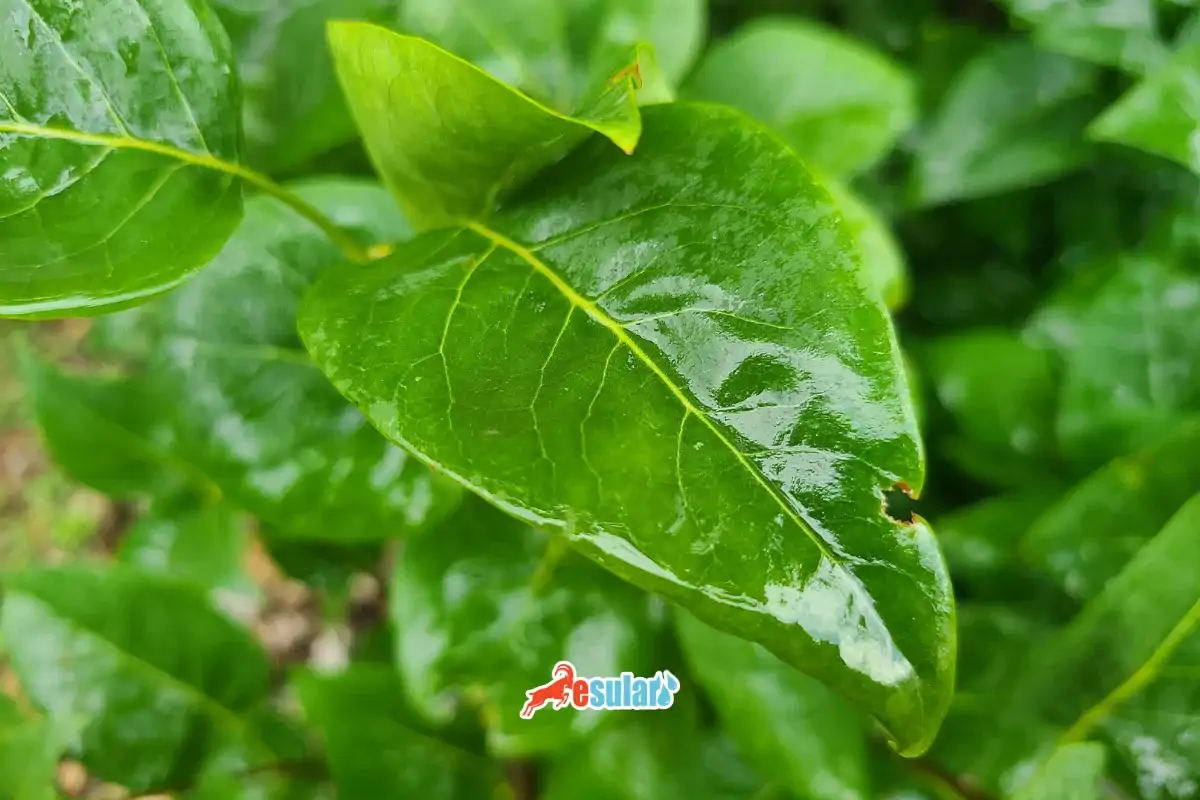
The sumac sapling is a plant species that spreads with its rhizomes in nature. This plant is usually planted in the autumn or spring seasons. It is important to choose a suitable area before planting; sumac generally grows in soils that love the sun and have good drainage. While preparing the planting area, the process is done by digging and loosening the soil. Enriching the soil with organic matter or compost can also be beneficial. Sapling selection is important; healthy and well-rooted saplings should be preferred. Before planting, it is recommended to water the saplings by dipping their roots into a container filled with water. Then they are placed in the planting holes and placed in the soil with their roots spread out. Planting holes are filled with soil and compressed by pressing lightly.

After planting, the saplings are watered abundantly and the soil is kept moist. Regular irrigation and maintenance are important during the first few weeks. Weeds around the saplings are cleaned and pests are kept under control. Sumac saplings usually grow fast and show healthy development with regular maintenance in the first years.

sumak-fidani

Irrigation in Sumac Cultivation

Sumac saplings are plants that do not like too much water and can generally cope with drought. Excessive irrigation causes the roots of sumac saplings to rot and negatively affects the development of the plant. In the summer months, watering once every 10-15 days will generally be sufficient. However, irrigation frequency may vary depending on the type of soil the plant is in, weather conditions, and the age of the plant. 

Sumac Harvest

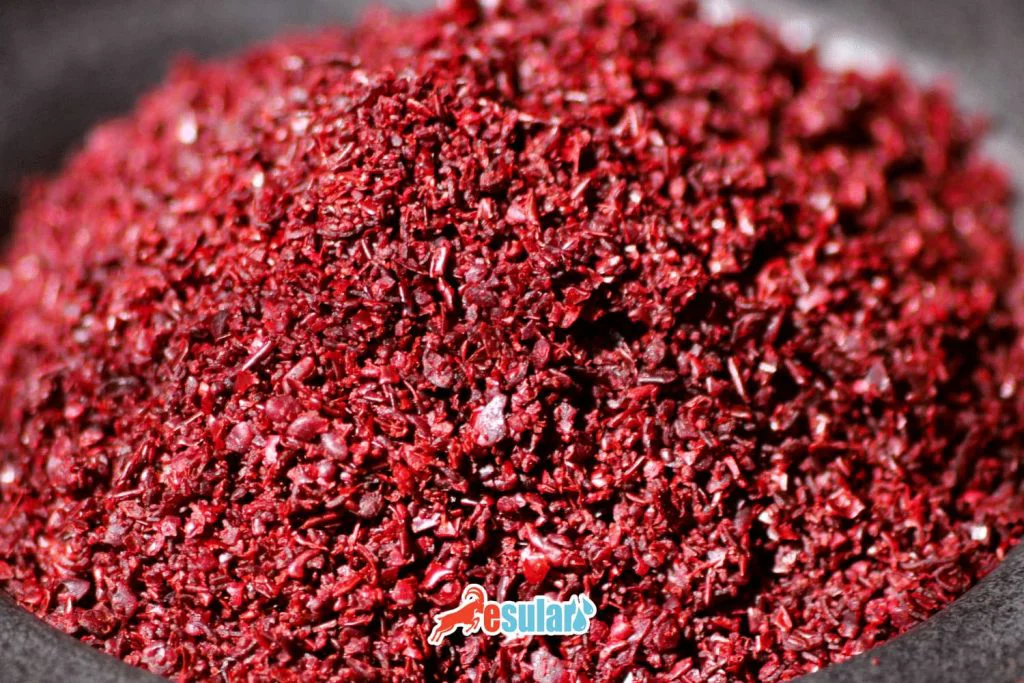
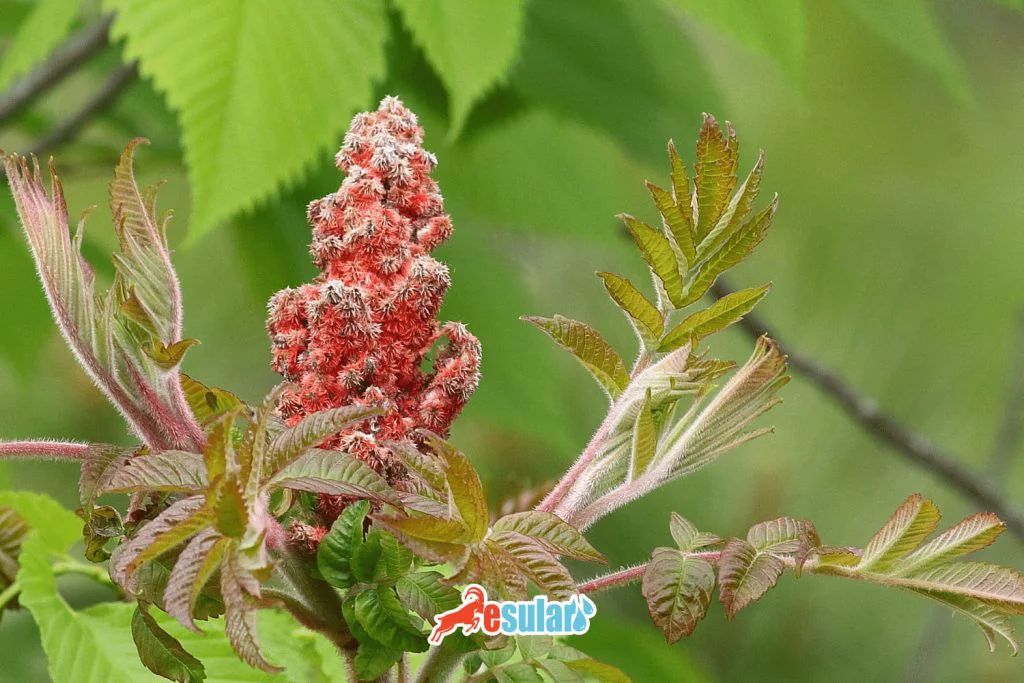
This period, which generally takes place between July and September, should be done with correct timing and carefully. Sumac harvest is a process that must be done meticulously. The ripeness of the fruits to be harvested is understood when they have turned red and have a bright color. Therefore, it is important to determine the correct time for harvest. Ripened fruits are collected one by one or dropped by shaking from their branches. Harvested sumac fruits can be left to dry under the sun or processed through special procedures. In some regions, sumac fruits are first dipped in water to extract their sourness, then dried in the sun or in an oven. The dried fruits are ground into powder and become ready for storage.

sumak-nedir

When Does Sumac Bear Fruit?

The sumac plant generally starts to bear fruit from the second or third year. This process may vary depending on growing conditions, climate conditions, and the species of the plant. The fruit ripening period also generally coincides with the summer months, especially July and September. During this period, sumac fruits turn red, ripen, and become suitable for harvest. The sumac plant continues to bear fruit for years under proper care and conditions.

What are the Benefits of Sumac?

Sumac is a plant that stands out with the antioxidant, anti-inflammatory, and antimicrobial properties it contains. Thanks to these properties, it offers many health benefits. The most frequently mentioned health benefits of sumac are:

  • Being rich in monounsaturated fats that support heart health.
  • Supporting skin health with its protective effect on skin and cell membranes.
  • Having properties that improve digestive health.
  • Protecting the body against cell damage thanks to its antioxidant content.
  • Preventing inflammatory diseases with its inflammation-reducing effect.
  • Helping to balance blood sugar.
  • Providing a relaxing effect with its muscle pain-relieving property.

These health benefits emerge in cases where sumac consumption is done regularly and show that the plant is an important supporter for health.

Yorumlar

Daha Fazla İçerik İster misiniz?

Akıllı tarım hakkında en güncel içerikleri takip edin.