Tüm Yazılar

How to Measure Soil Water Holding Capacity with a Soil Moisture Sensor?
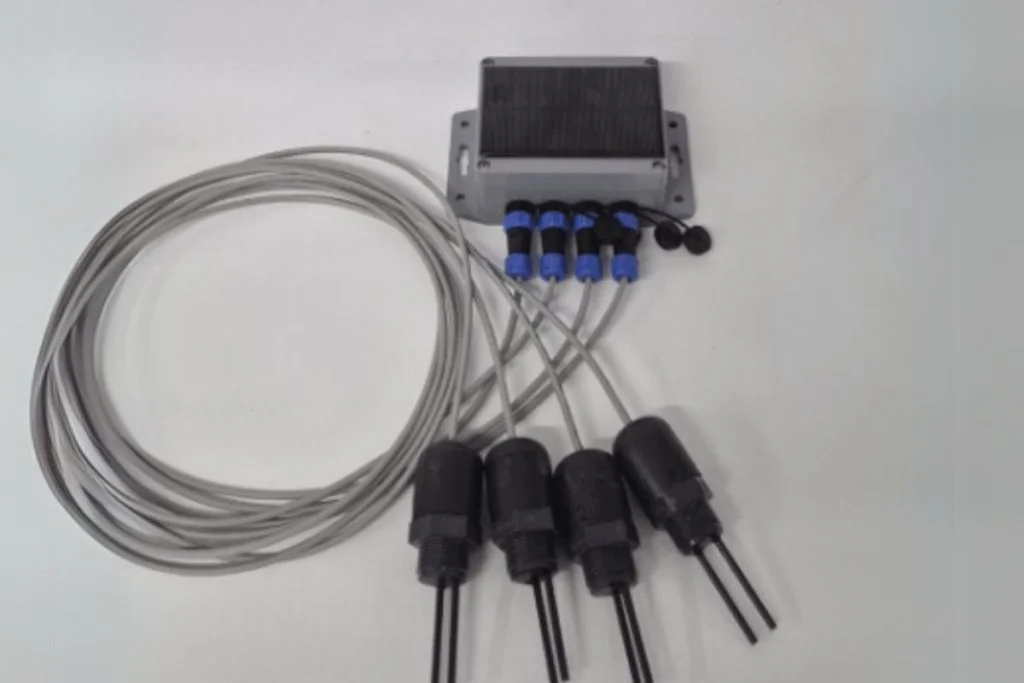
The key to productivity in agriculture is knowing when and how much water the plant needs. At this point, knowing the water holding capacity of the soil and irrigating accordingly is quite important. Thanks to the soil moisture sensors we offer as esular, you can learn how much water your soil holds with a simple test and create irrigation intervals for yourself on the sensor. Thanks to these intervals, you can define automatic irrigation tasks in a simple and reliable way if you wish, or you can follow the manual irrigation processes you perform through our application.
In this article, we will touch upon what soil water holding capacity is, how it is measured, what basic concepts such as saturation point are, and how you can perform these measurements with sensors.
What is Soil Water Holding Capacity?
Soil water holding capacity refers to how much water the soil can hold within its structure. Most of the water the plant needs is included in this capacity. Basic factors affecting soil water holding capacity:
Soil structure (sandy, clayey, loamy, etc.)
Amount of organic matter
Soil depth
Basic Concepts:
To understand the water content of the soil, these three basic concepts are important:
💧Saturation Point: It is the moment when all the pores of the soil are filled with water, meaning the water does not leave the soil through drainage. For plants, this is excess water and can lead to oxygen deficiency in the roots.
🌿Field Capacity: It is the state where excess water moves away with gravity after the saturation point, but the soil still holds as much water as it can hold. It is the ideal water level for plants.
🥀Wilting Point: It is the point where even if there is still some water in the soil, the plant cannot take this water. At this point, the plant begins to wilt.
What are the Necessary Materials?
Soil moisture sensor measuring between 0-100
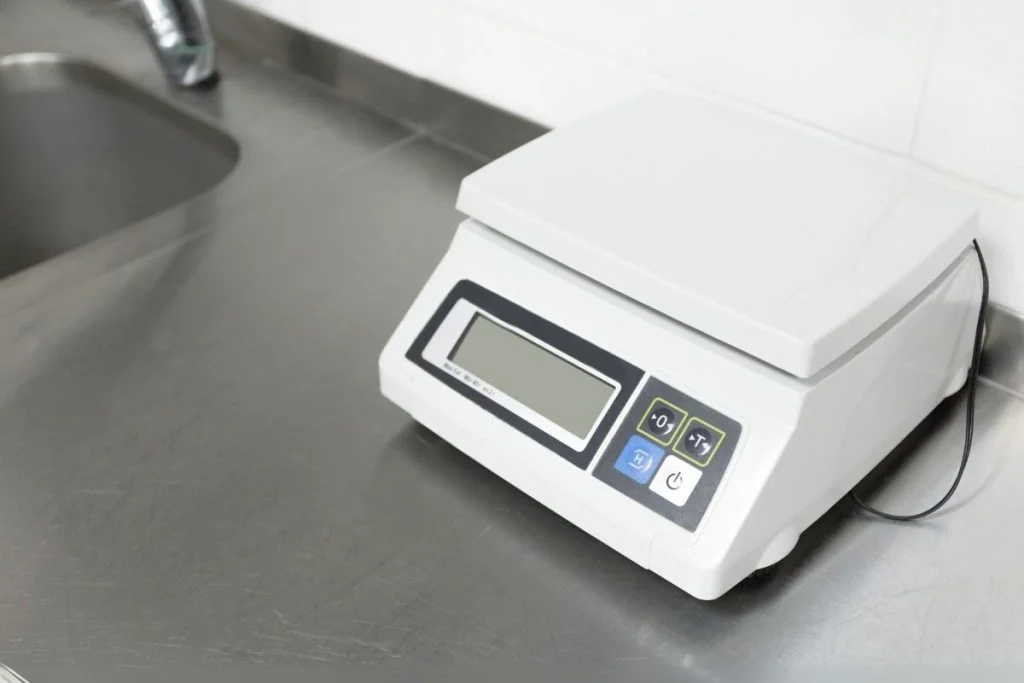
Precision scale
Any sampling container (cup, etc.)
Water
Oven (preferably) or drying opportunity in the sun
How to Measure Soil Water Holding Capacity?
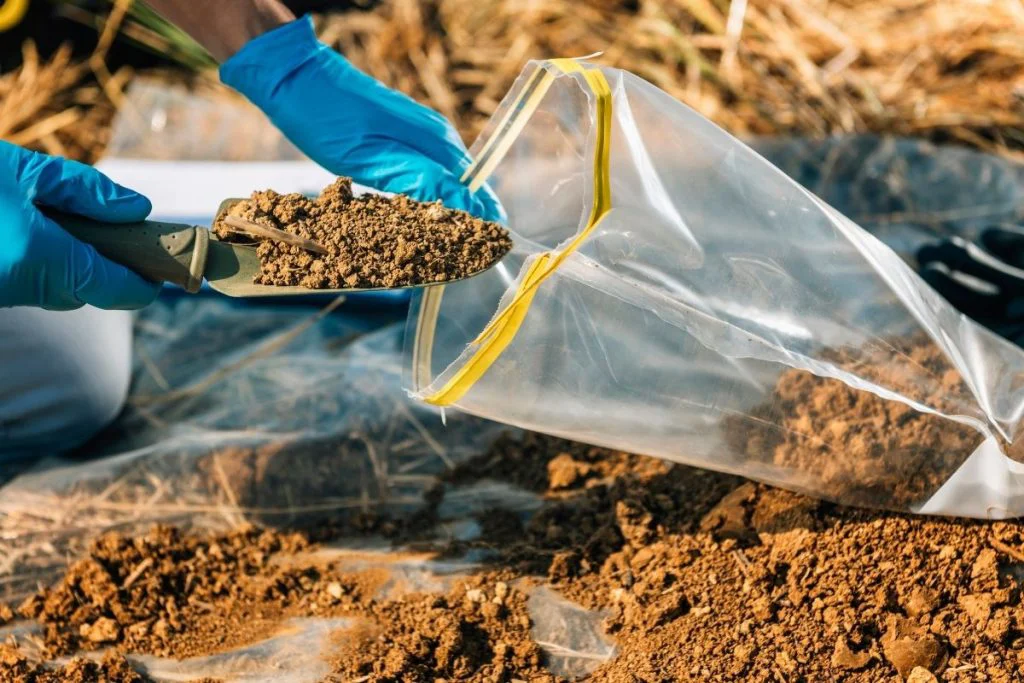
To accurately determine the soil water holding capacity, we start by taking a suitable soil sample.
- The soil sample should be taken from a clean spot that is not in a hollow or shade, and has no fertilizer, plant residue, or weed accumulation on the surface. This sampling should be done in a way that represents the true structure of the soil.
- The soil sample is sieved to remove unwanted materials such as stones, branches, and roots. Thus, a healthier contact with the probe is ensured during the measurement.
- The sieved soil is weighed on a precision scale and its wet (moist) weight is noted.
- The soil is spread in a thin layer in an oven dish and dried. The drying process should be carried out at low temperature and carefully. The oven should not exceed 105 °C to prevent the soil from burning. If there is no oven, the soil can also be dried under the sun for a few days.
- After ensuring that the soil is completely dry, it is weighed again on a precision scale. This value will be used as a reference in calculating the water holding capacity.
- The dried soil is placed in a container of sizes where the probe of the soil moisture sensor can be placed easily. For example, 200 grams of soil is weighed and transferred to the container.
- Make sure that the moisture sensor you use can read values between 0-100. To test the calibration, its accuracy can be observed by immersing the sensor in some completely dry soil (the value should be close to 0) and then in water (the value should be close to 100).
- The sensor probe is immersed in the dried soil and the moisture value is read and noted down. This value will usually be close to 0.
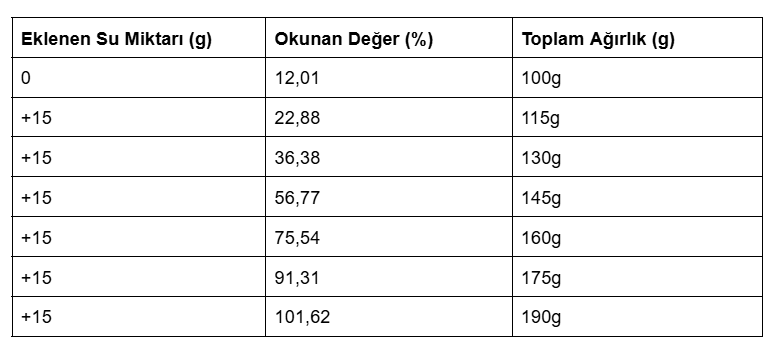
- Water is added to the soil in a controlled manner with the help of a syringe and thoroughly integrated into the soil. By adding water at each step (e.g., 15 ml), the sensor value is read again and recorded. This process continues until the sensor reads the value of 100. When this value is reached, water addition is stopped.
Field capacity, wilting point, and therefore the available water range in the soil can be practically determined with a simple experiment and by using a moisture sensor.
🧪 Our Example in the Table:
100 grams of dried soil is taken.
90 grams of water is added.
The total weight becomes 190 grams.
The moisture sensor shows a value of 100% at this point. This is the saturation point. However, this does not mean that all of the water can be used by the plant.
Water Holding Capacity (%) = (Saturated soil weight – Dry soil weight) / Dry soil weight × 100
Water Holding Capacity = (190 – 100) / 100 × 100 = 90%
So this soil can hold water at most up to 90% of its own dry weight. This means 90% water holding capacity.
How is Field Capacity Determined?
After irrigation, the soil is left to drain (24-48 hours).
The drained water becomes free drainage water, and what remains is the field capacity.
For example: 20 grams of water drained, 70 grams of water remained. That is, in 100 g of dry soil 70% moisture = Field capacity
How is Wilting Point Determined?
Wilting point is generally:
In sandy soils: ~10-15%
In loamy soils: ~15-25%
In clayey soils: ~25-35%
as taken.
🔍 How to Calculate Available Water Range?
Field Capacity – Wilting Point = Available Water Range
Example:
Field Capacity: 70%
Wilting Point: 25%
👉 Available Water Range: 25% – 70%
This range is the area tracked by the sensor and where the plant can access water.
Association with Sensor Values
0% sensor value = Dry soil
70% sensor value = Field capacity
25% sensor value = Wilting point
Thanks to these values;
✅ It is more accurately determined when plants should be given water. Thus, oxygen balance in the soil is protected.
✅ Problems such as over-irrigation or under-irrigation are prevented.
✅ Automatic irrigation tasks can be created with smart irrigation systems.
Also, you can check out our Water Requirement Calculator for Agricultural Areas page via this link.
Kategoriler