How to Plant Potatoes, How to Grow Potatoes
Potato planting offers a simple and enjoyable agricultural experience. The first step is selecting healthy potatoes; potatoes that have started to sprout and have green eyes are preferred. Keeping potatoes in the shade for a while before planting helps you obtain healthier plants by accelerating sprouting.
Soil selection and preparation are also of great importance. Well-drained, humus-rich soils with a slightly acidic pH level are ideal for the development of potatoes. Planting time is usually spring; it is expected for the risk of frost to pass and for the soil temperature to reach an appropriate level.
Potato
Potato (Solanum tuberosum) is a plant species known for its starchy tubers, widely consumed in our daily diet. Being an important basic food source worldwide, potato contains high amounts of carbohydrates. Usually consumed by baking, boiling, frying, or mashing, potato also contains nutrients such as vitamin C, potassium, and fiber. Additionally, although there are various potato varieties, there are different types such as baby potatoes, early potatoes, and main crop potatoes. With its high nutritional value, ease of cultivation, and suitability for various cooking methods, potato is a popular vegetable worldwide.
When to Plant Potatoes?
The planting time for potatoes can vary depending on the climate and region. Generally, it is possible to plant seed potatoes in the winter months (or in the spring during February-April) or in the summer (in most regions during July-August). Potatoes are usually planted in sunny areas on hills or sloped fields.
After planting, the potato plant usually forms tubers underground within 3-4 months, and harvest time arrives. After harvest, a deep plowing process is carried out to clean and destroy the remaining plants from the field. It is important to avoid growing potatoes continuously in the same place, as this depletes the nutrients in the soil and can increase the risk of spreading diseases.
Therefore, attention should be paid to appropriate agricultural practices during potato planting. Additionally, maintenance of the field after harvest and preparation for future plantings are also important. Potato cultivation can be carried out healthily and productively with correct timing, appropriate conditions, and proper care.
How to Plant Potatoes
As the first step, making a reliable start for potato planting is quite important. Therefore, choosing certified and disease-free potato seeds is a fundamental step for a successful growing process. Potato seeds are like the potatoes consumers see on their tables, but they are chosen because they have special characteristics. Additionally, they are checked for various diseases or sterilized. As another option, potatoes obtained from greengrocers can also be planted; however, the selection of these potatoes requires experience, and the quantity and size of potatoes obtained with this method can generally be low.
Seed potatoes are usually planted by dividing them into pieces, which is a common method in most agricultural practices. It is important to leave at least one eye per piece. Large potato tubers are usually cut (diameter larger than 45 mm), while small tubers can be planted directly without cutting. The pieces are left in a dry place for about two days before proceeding to planting. During this time, a skin forms on the surface of the potato pieces, which means they are ready for planting.
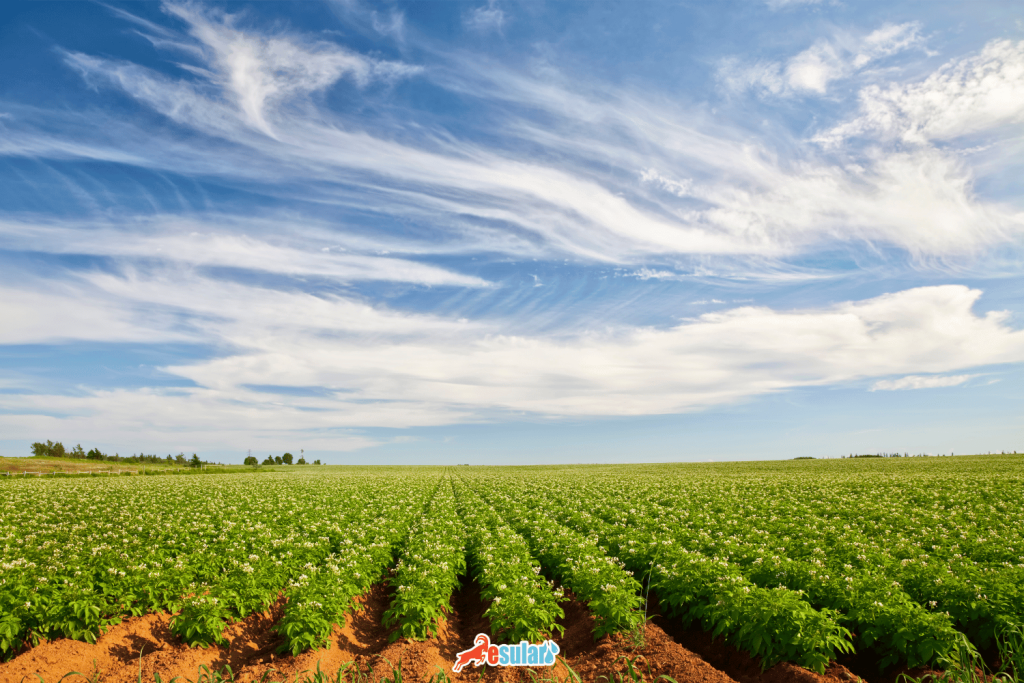
Before planting, it is important to plow the field deeply and clean the stones. Potatoes are usually grown on hills and sloped areas. The furrowing process is done by creating holes 10-15 cm deep in the field. The distance between furrows is determined depending on the amount of potato seeds and should be at least 70 cm. Tubers or pieces are placed inside the furrows at a certain distance and then covered with soil. Then, furrows close to each other are opened so that the tubers remain on the ridge. This method helps the potato plants develop in an orderly manner and contributes to the creation of water channels for irrigation processes. Additionally, this practice makes it easier to dig the soil between the furrows to determine exactly where the plants are.
What Should Be Considered When Planting Potatoes?
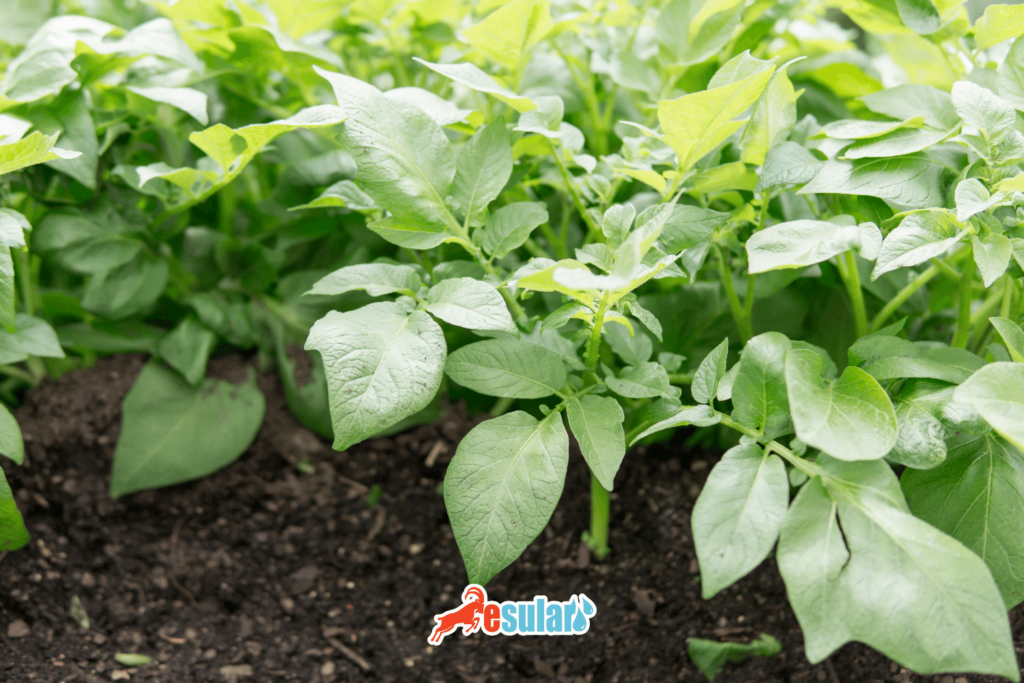
Important points to consider during potato planting are as follows:
Soil Selection and Preparation: Well-drained, slightly acidic, and humus-rich soils should be preferred. Soil preparation is ensured by loosening the soil and adding organic fertilizer.
Seed Selection: Reliable and certified potato seeds should be selected. Using healthy, disease-free, and sprouting seeds is important for success.
Planting Time: Planting is usually done in the spring. It should be expected for the risk of frost to pass and for the soil temperature to be suitable.
Planting Depth and Distance: Potato seeds are planted at a depth of 10-15 cm and at intervals of 30-40 cm. The distance between rows should be at least 70 cm.
Seed Cutting: Large seeds can be planted by dividing them into pieces. Each piece must contain at least one eye.
Irrigation: Regular and sufficient irrigation is important, but over-irrigation should be avoided.
Fertilization: It will be beneficial to add nitrogenous fertilizer as the plants grow.
Disease and Pest Control: Regular control and organic control methods should be used.
Harvest Time: Potatoes are usually harvested within 70-120 days. Flowering and wilting/drying indicate the appropriate time for harvest.
How Many Months Does It Take for Potatoes to Grow?
In potato cultivation, the time for the planted potato to yield product usually involves a 3-4 month process. Generally, at least 14 weeks are expected to pass after potato planting. In this process, the potato plant grows, flowers, and tubers form underground. Approximately at the end of this 14-week process, the potato harvest time arrives and the product is obtained. Paying attention to correct timing, providing suitable conditions, and performing maintenance regularly in potato cultivation is important for obtaining a productive harvest.
When are Potatoes Collected?
The varieties used in potato cultivation can generally be classified into three groups as baby potatoes, early potatoes, and main crop. Each variety requires planning for different harvest times by starting planting at a specific stage.
Baby Potatoes: Baby potatoes are potatoes that are young and small in size. This variety usually starts with planting in early spring and is harvested in a short time due to its fast-growing characteristics. This type of potato is generally marketed to be consumed fresh.
Early Potatoes: Early potato varieties have slightly larger sizes compared to baby potatoes. They start to be planted in the spring and are usually harvested in May and June. Early potatoes are used for table consumption.
Main Crop Potatoes: Main crop potato varieties are potatoes that are larger in size and suitable for storage. After the early potato planting is completed in the spring, planting usually starts in May and June. These types of potatoes can be stored for a longer period and are kept for consumption during the winter months.
Potatoes planted in the spring months are usually harvested between June and September. During harvest, the maturity and suitability of the plant for harvest are evaluated by paying attention to the flower part. Flowering is an important indicator showing how close the potato is to harvest.
Where Do Potatoes Grow
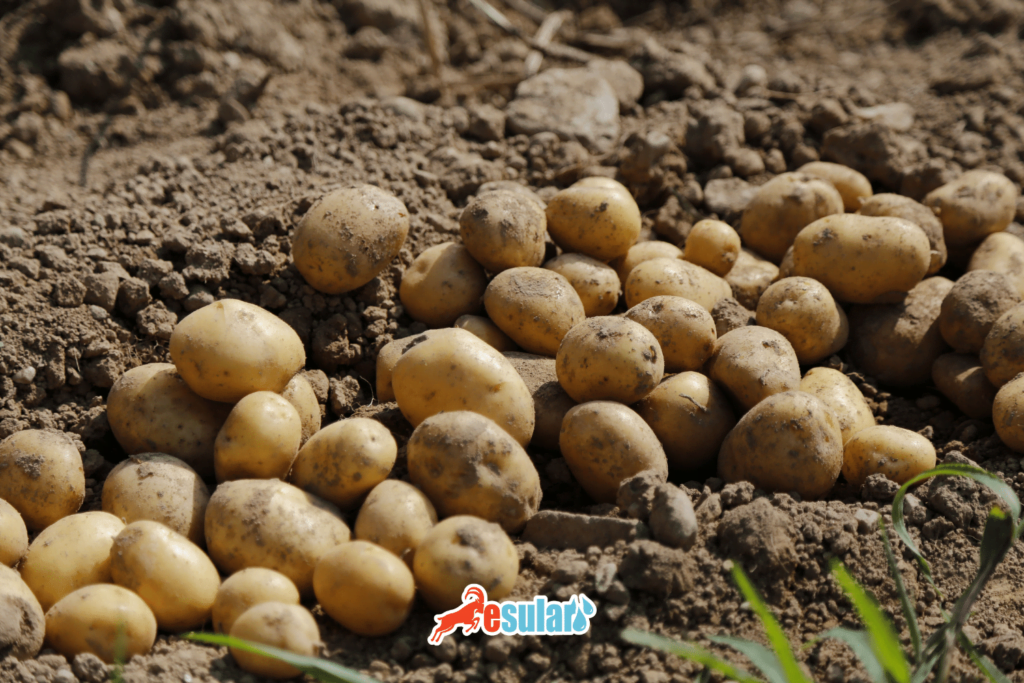
Potato is a plant that generally grows in temperate climate regions and is farmed in many regions worldwide. However, the regions where potatoes grow best are usually places with temperate climates. Ideally, cool and humid climates are preferred for potato cultivation.
Potato farming in Turkey is carried out in a wide geography. There are climate and soil conditions suitable for potato farming in different regions of Turkey. Thrace, Marmara, Aegean, Mediterranean, Central Anatolia, Eastern Anatolia, and Black Sea regions are among the regions suitable for potato cultivation.
It is difficult to determine the most productive region because there are many different varieties of potatoes that can grow, and these varieties can adapt to different climate and soil conditions. However, in general, cooler climates in northern regions can offer suitable conditions for potatoes to grow better.
Potato cultivation is a widespread agricultural activity in Turkey and is successfully carried out in different regions of the country. Productivity can vary depending on climate, soil structure, and various other factors.
Potato Irrigation Process
The potato irrigation process forms an important stage of the potato growing process. This process takes into account the varying water needs of the plant at different growth stages. Water needs may be lower in the early stages, but water demand increases as tuber development begins and the plant flowers.
To determine the irrigation needs of the potato, moisture levels in the soil should be checked regularly. Potatoes generally prefer moist soils, and if sufficient moisture cannot be provided, yield may decrease. The amount of irrigation should be adjusted depending on soil moisture and the growth stage of the plant.
If irrigation is insufficient, the plant may remain under stress and cause yield loss. Conversely, excessive irrigation can lead to potato diseases and nitrogen leaching, which negatively affects yield.
Therefore, regular and balanced irrigation is important in potato cultivation. Irrigation should be adjusted according to the needs of the plant, and soil moisture levels should be checked regularly.
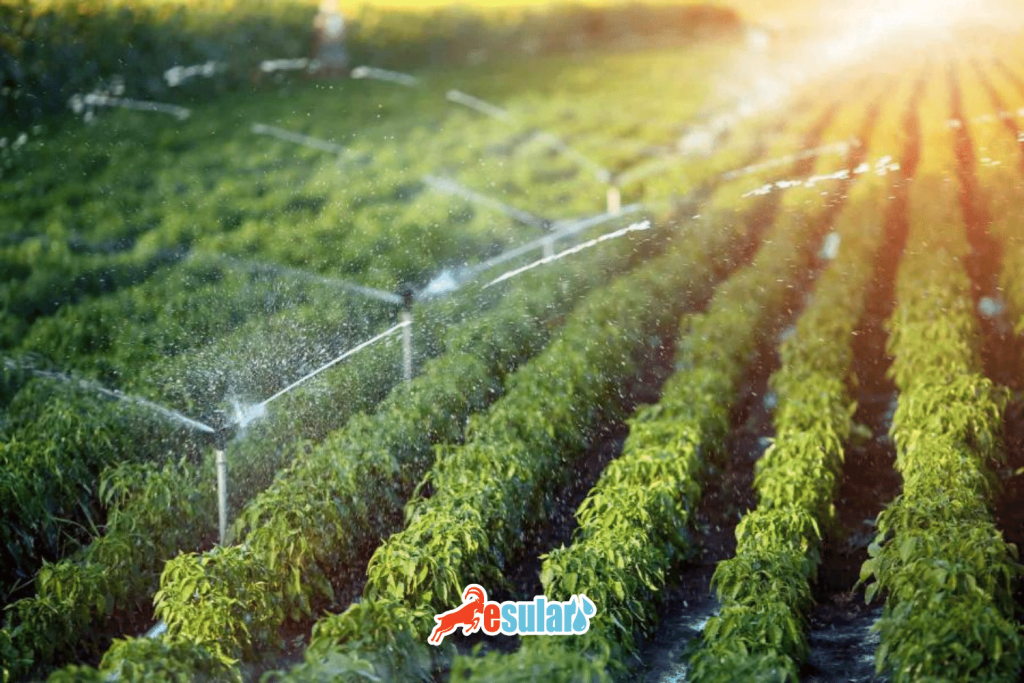
Irrigation Systems in Potatoes
There are three main irrigation systems in potato farming. Examples of these irrigation systems are given below:
Sprinkler Irrigation: Sprinkler irrigation is the most widely used irrigation method today. However, this method is high in cost in terms of water and energy consumption, and water losses are high. At the same time, it is the irrigation method that requires the most labor.
Drip Irrigation: Drip irrigation is another method widely used in modern agriculture. It offers many advantages compared to other irrigation methods. Especially providing energy and water savings is among its primary advantages.
Center Pivot and Linear Irrigation: Although these methods are not very common in potato irrigation, they provide water and energy savings compared to sprinkler irrigation. Although the investment cost is high, it is an irrigation method that reduces labor costs.
How to Perform Drip Irrigation in Potatoes?
The drip irrigation method in potatoes can be applied in all types of terrain conditions and provides a great advantage especially in sloped terrains where water losses are highest. The drip irrigation method is quite important to prevent water loss and ensure equal distribution of water. In potato cultivation, drip irrigation is the most efficient irrigation method in regions where water is limited and irrigation costs are high.
With this method, water losses are minimized by providing as much water as the plant needs. Today, the largest water losses occur through evaporation. By reducing evaporation with drip irrigation, irrigation efficiency can be increased up to 95% levels.