Mediterranean Climate and Its Impact on Agricultural Activities
Mediterranean climate; with its characteristics such as vegetation, temperature, and precipitation patterns, plays an important role in agricultural production. This climate type is generally seen in coastal regions between 30-40 degrees north and south latitudes and takes its name from being commonly seen on the Mediterranean coasts.
In this article, we will examine the basic characteristics of the Mediterranean climate and its effects on agriculture.
What is Mediterranean Climate?
Mediterranean climate is a subtropical climate where summers are hot and dry, and winters are mild and rainy. This climate is seen between 30-40 degrees north and south latitudes in the world. There are three main types:
Hot-Summer Mediterranean Climate: Summers are extremely hot and dry.
Warm-Summer Mediterranean Climate: Summers are hot and dry, but average temperatures are lower.
Cold-Summer Mediterranean Climate: Summers are more temperate.
What are the Characteristics of Mediterranean Climate?
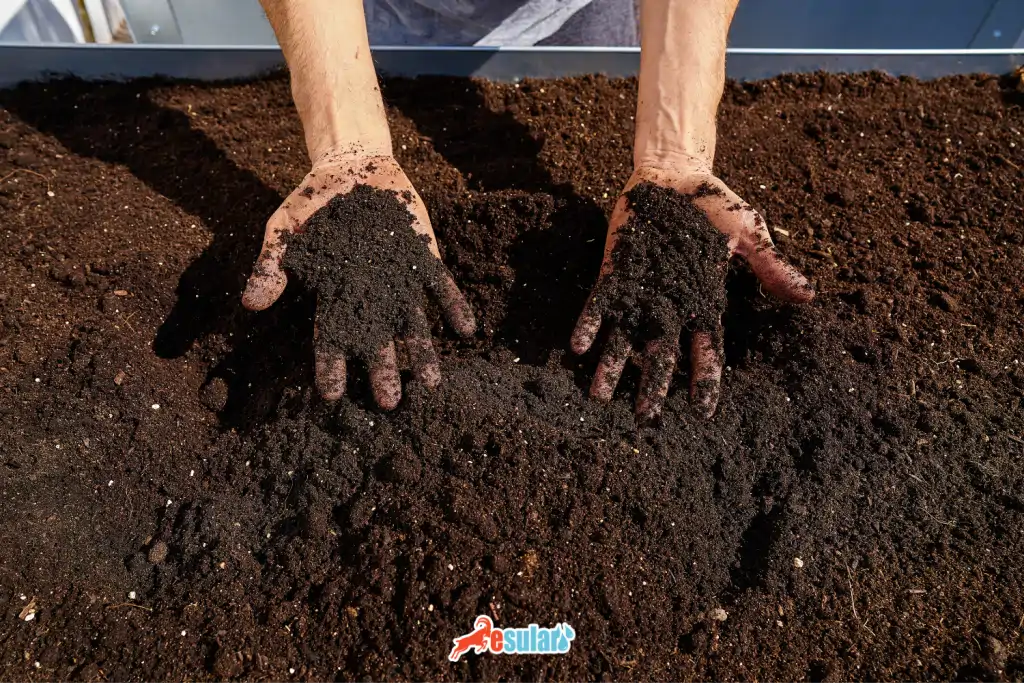
In the Mediterranean climate, summer temperatures increase depending on the angle of arrival of the sun's rays and drought occurs. In winter, frost events and snowfall are rarely seen; the average temperature of the coldest month is between 8-10 °C. The annual average temperature varies between 18-20 °C, and the annual precipitation amount varies between 600-1000 mm. As a soil type, Terra Rossa soils are common. The vegetation consists of maquis and red pine forests resistant to summer drought.
Where is Mediterranean Climate Seen?
Mediterranean climate is common in southwestern Australia, the California region of North America, the Cape region of the Republic of South Africa, central parts of Chile, and countries with a coast on the Mediterranean. In Turkey, it is seen in the Mediterranean, Aegean coasts, Aegean coasts of Thrace, Southern Marmara coasts, and some regions of Southeastern Anatolia.
Fruits and Vegetables Grown in Mediterranean Climate
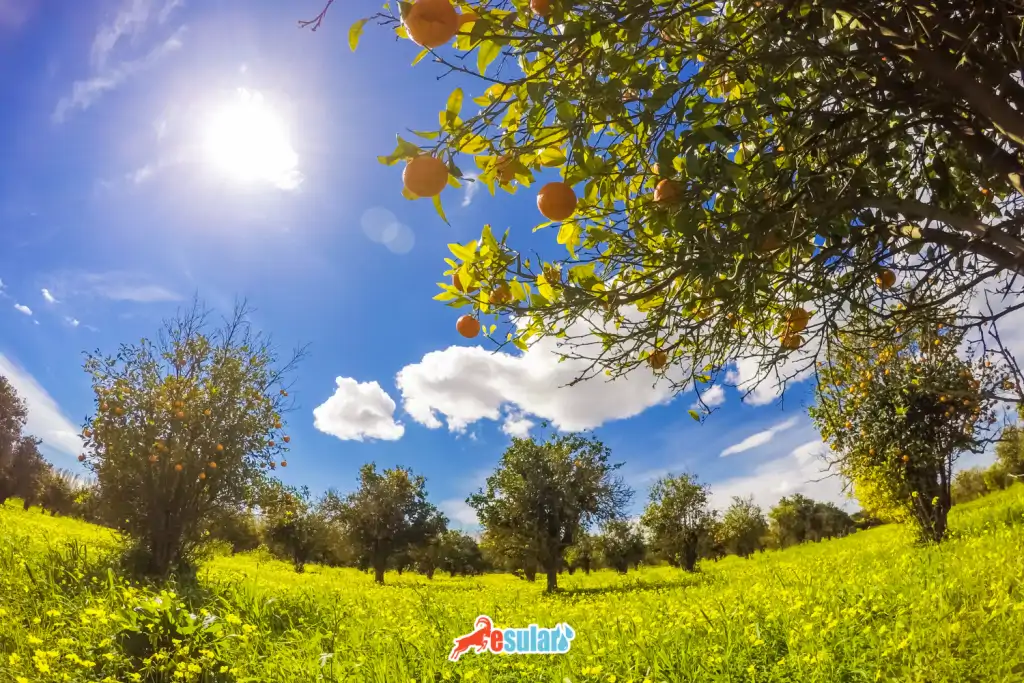
In the Mediterranean climate, mild winters and hot summers create ideal conditions for fruits and vegetables to develop and ripen. Products grown include:
What is the Impact of Mediterranean Climate on Agricultural Activities?
The fact that summers are hot and dry in the Mediterranean climate increases the irrigation needs of plants. However, the limited availability of water resources necessitates sustainable water management and effective irrigation methods. Methods such as drip and sprinkler irrigation ensure efficient use of water.
The Mediterranean climate is favorable for growing plants such as cotton and citrus fruits. However, climate change can negatively affect agricultural activities in these regions. While temperature increases and the decrease in water resources threaten agricultural production, sustainable agricultural practices are important in overcoming these problems.
In summary, the Mediterranean climate allows for the cultivation of various products with its summer drought and mild winters. However, due to limited irrigation resources and climate changes, it is necessary to use conscious and sustainable agricultural methods.