Tüm Yazılar

Pink Bollworm Control in Cotton

In the 1960s and 1970s, the pink bollworm, one of the important pests of cotton, was a serious problem for cotton producers. However, starting from the beginning of the 2000s, with the widespread use of certified seeds, the density of the pink bollworm has gradually decreased. Delinted seed is a name generally given to the seeds of genetically modified cotton species, and these types of cotton are more resistant to pests. Therefore, the use of delinted seeds has reduced the pink bollworm population and caused less damage in cotton production. However, in recent years, it has been observed that the pink bollworm has regained importance in some regions where cotton is grown. This situation may have several reasons. First, the pink bollworm may have developed resistance or gained adaptation ability. Second, there may be changes in the methods used in cotton production or chemical control. Third, climate changes or environmental factors may also have contributed to the re-spreading of the pink bollworm. This situation requires cotton producers to carry out careful observation, correct diagnosis, and apply appropriate control methods.

What is Pink Bollworm?

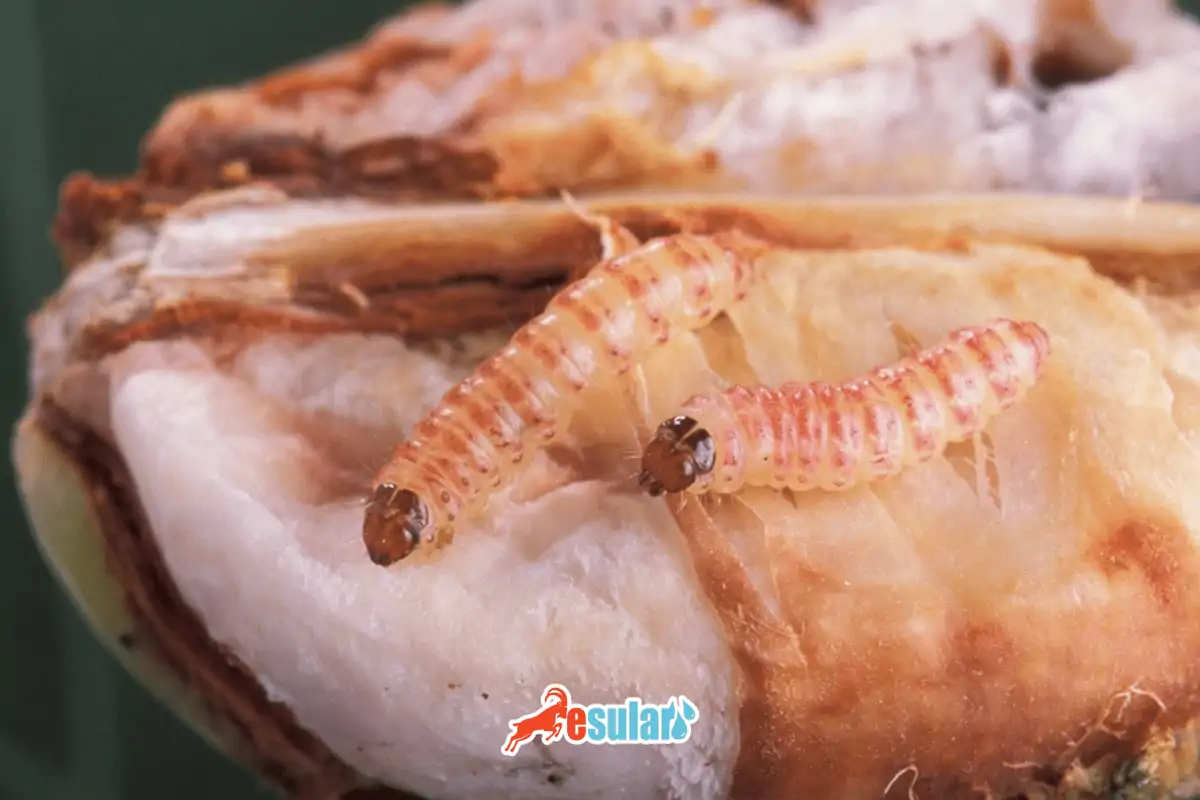
A female moth lays approximately 800 eggs during its life. These eggs are usually laid individually or in small groups on the squares, flowers, and bolls of cotton plants and hatch within 4-12 days. The larvae emerging from the eggs are initially bright white in color and have pink spots. In the first stage, the larva feeds on its own eggshell or plants. Then it quickly enters the square, flower, and boll and hides itself. In the larval stage consisting of five periods, it turns pink in the third period, taking its name from here. In the last period, the color darkens further and turns reddish-pink. The larval period lasts approximately 15 days. The matured larva makes a hole in the boll shell, comes out, and descends to the soil. Here it spends the pupal stage, which usually lasts 8-10 days in summer. In autumn, when the weather gets cold and the days get shorter, the larvae enter diapause. They usually spend the winter in blind bolls or inside the cottonseed. With the arrival of spring, ergin moths begin to emerge in late March or early April.

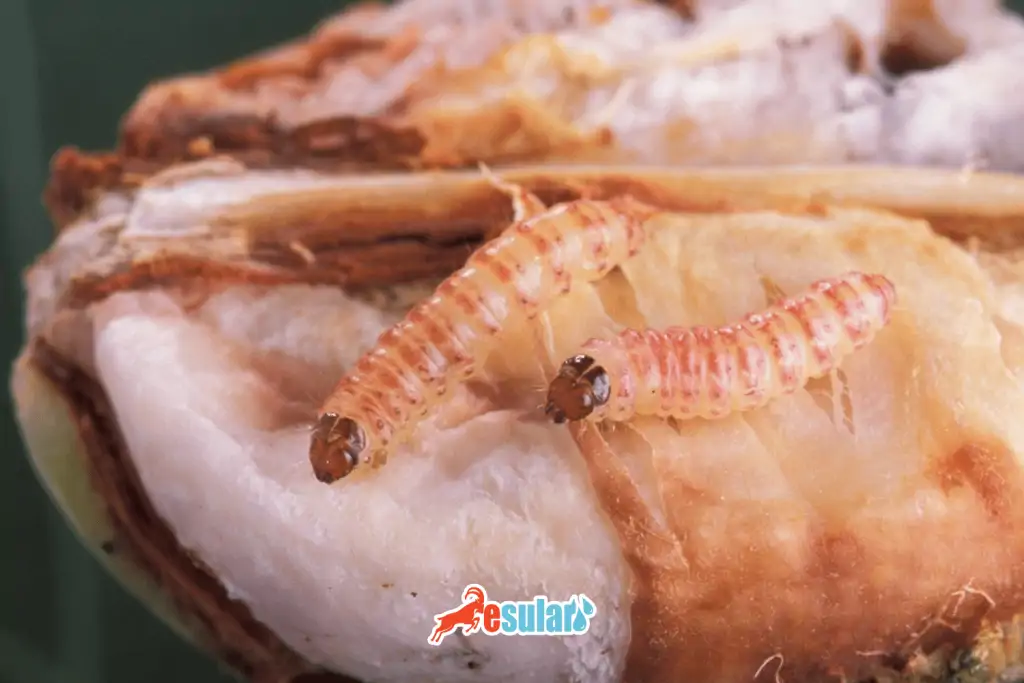
pembe-kurt

On Which Plants Does Pink Bollworm Occur?

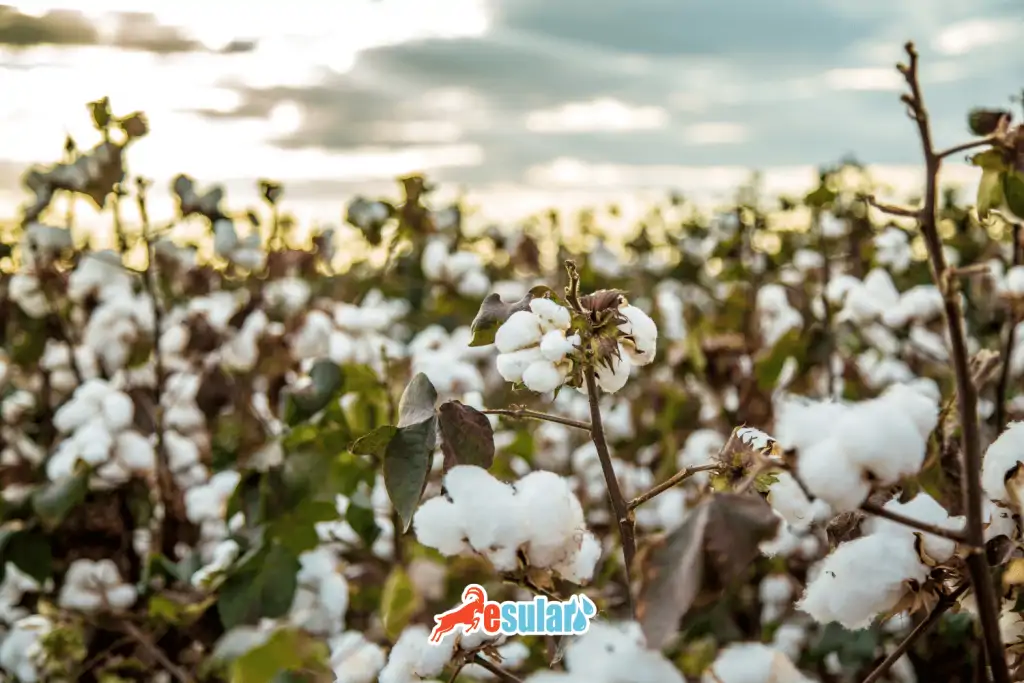
Pink bollworm is a pest seen especially in cotton plants. It feeds inside the squares, flowers, and bolls of cotton plants and can cause serious damage to these plants. However, pink bollworm can also be found in some other plants. It can also be harmful in some vegetables such as peppers, eggplants, beans, and some other agricultural plants. However, cotton plants are among its most common hosts and constitute the most important food source for the pink bollworm.

Why Does Pink Bollworm Occur in Cotton?

Pink bollworms feed inside the squares, flowers, and bolls of cotton plants. Therefore, controlling this organism is quite important. There are several reasons for the emergence of pink bollworms in cotton plants. These are;

  • Hot and humid climates can increase pink bollworm populations. Such climates accelerate the transition of pink bollworms from egg to larva and adult stages and encourage their reproduction.

  • Inadequate field cleaning can increase the pink bollworm population in the field. Failure to clean or sufficiently destroy plant residues in cotton fields provides a suitable environment for the egg-laying and development of pink bollworms.

  • Incorrect or excessively used chemical control methods can lead to pink bollworms developing resistance or the killing of their natural enemies. In this case, the population of pink bollworms may increase and their damage becomes even more severe.

For these reasons, cotton growers should follow careful management to minimize the damage of pink bollworms.

pembe kurt

What are the Damages of Pink Bollworm in Cotton?

Pink bollworms are a species that causes serious damage to cotton plants. These pests primarily cause extensive damage to plants by eating the leaves and flowers. The consumption of leaves and flowers reduces the plants' ability to photosynthesize and thus negatively affects their growth and development. Additionally, they can lower the quality of cotton fibers by feeding on the bolls, which leads to poor quality cotton production. While chemical pesticides used in the fight against pink bollworms lead to additional costs, their incorrect or excessive use can harm the environment and human health. These pests can also lead to imbalances in the ecosystem by disrupting the natural balance of cotton plants. Therefore, cotton growers should use various methods together to minimize the damage caused by pink bollworms.

Pink Bollworm Control Methods in Cotton

Effective methods should be used in the fight against pink bollworms. To deal with these pests, priority should be given to field cleaning. Post-harvest field cleaning should be done regularly and the activities of ginning factories should be terminated by a specific date. After harvest, cotton stalks should be buried in the soil or appropriately destroyed. Chemical control methods can be used, but they should be applied carefully and in a controlled manner. Additionally, encouraging the natural enemies of the pests is an effective strategy. This can keep the pests under control by increasing the population of their natural enemies. Using all these methods together can provide an effective fight against pink bollworms and increase yield in cotton production.

pamukta pembe kurt

Yorumlar

Daha Fazla İçerik İster misiniz?

Akıllı tarım hakkında en güncel içerikleri takip edin.