
 Featured
New
Featured
New
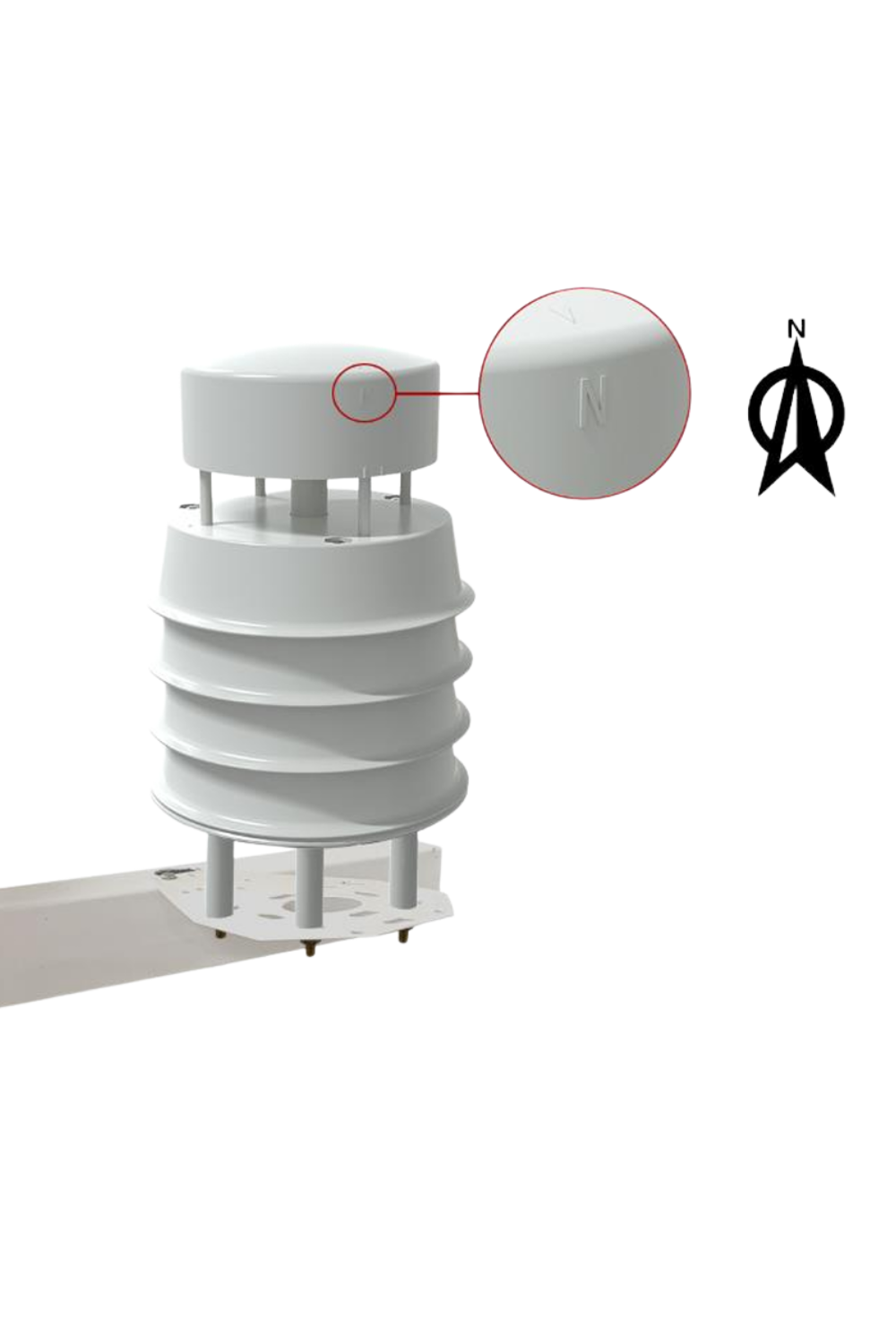
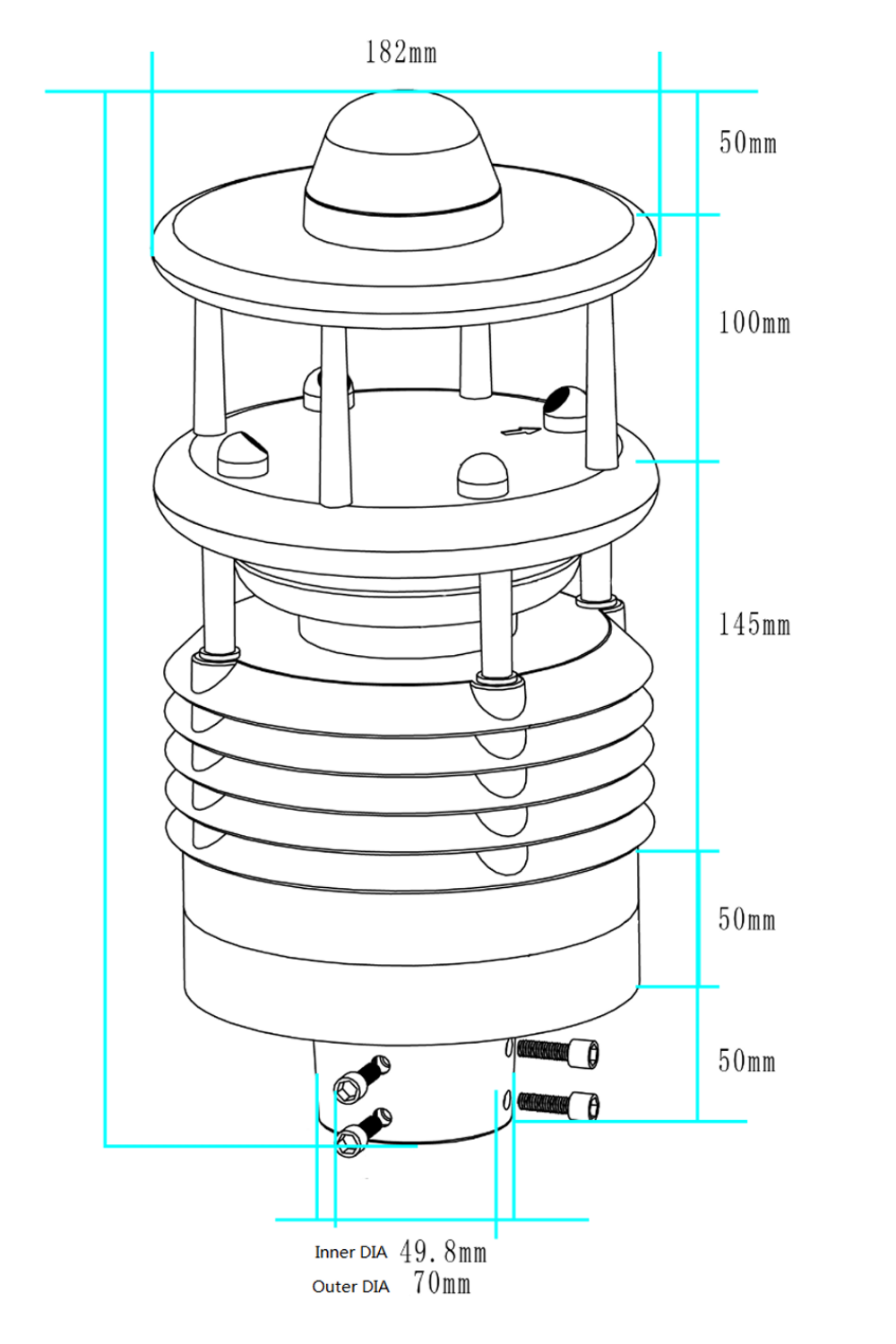
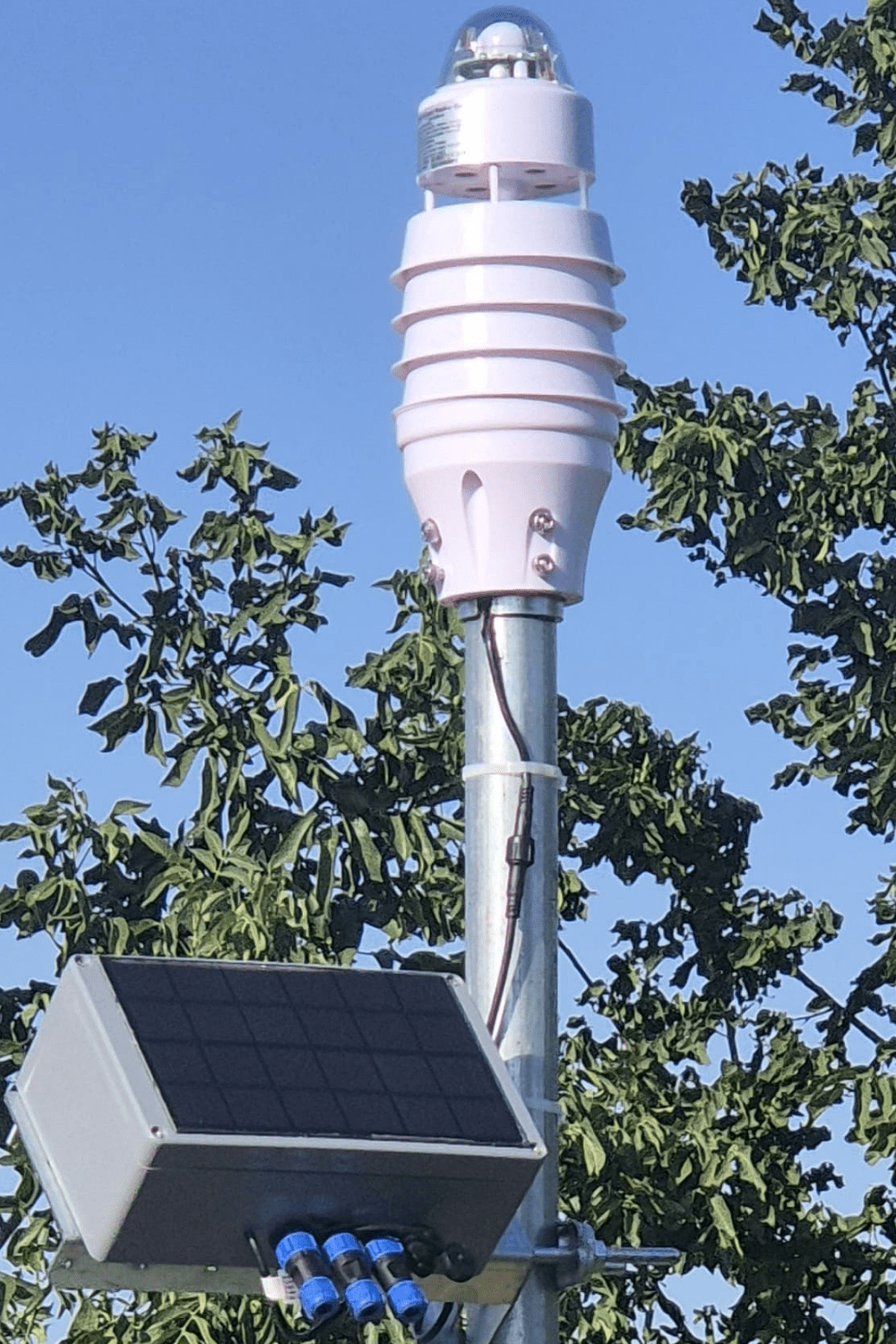
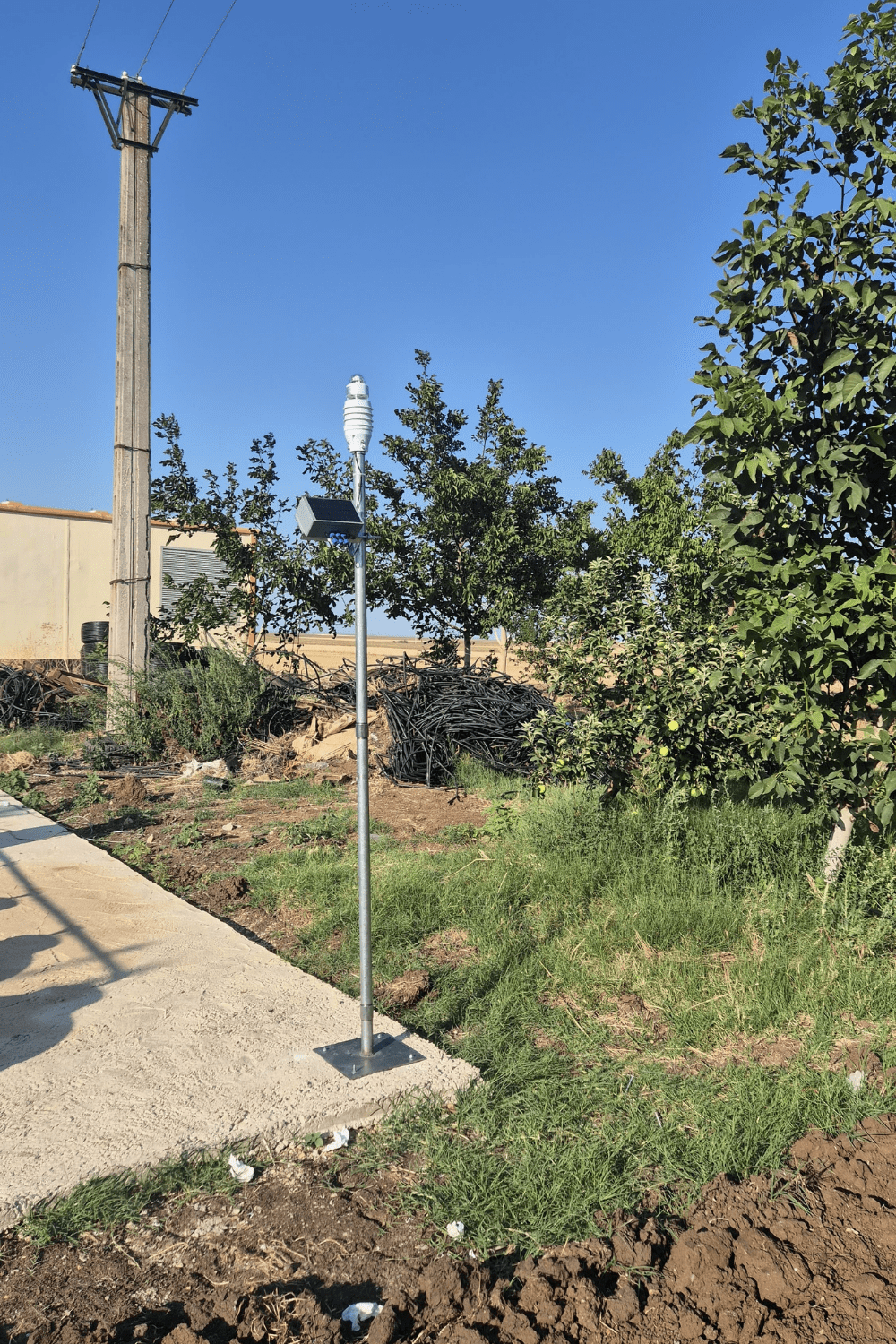
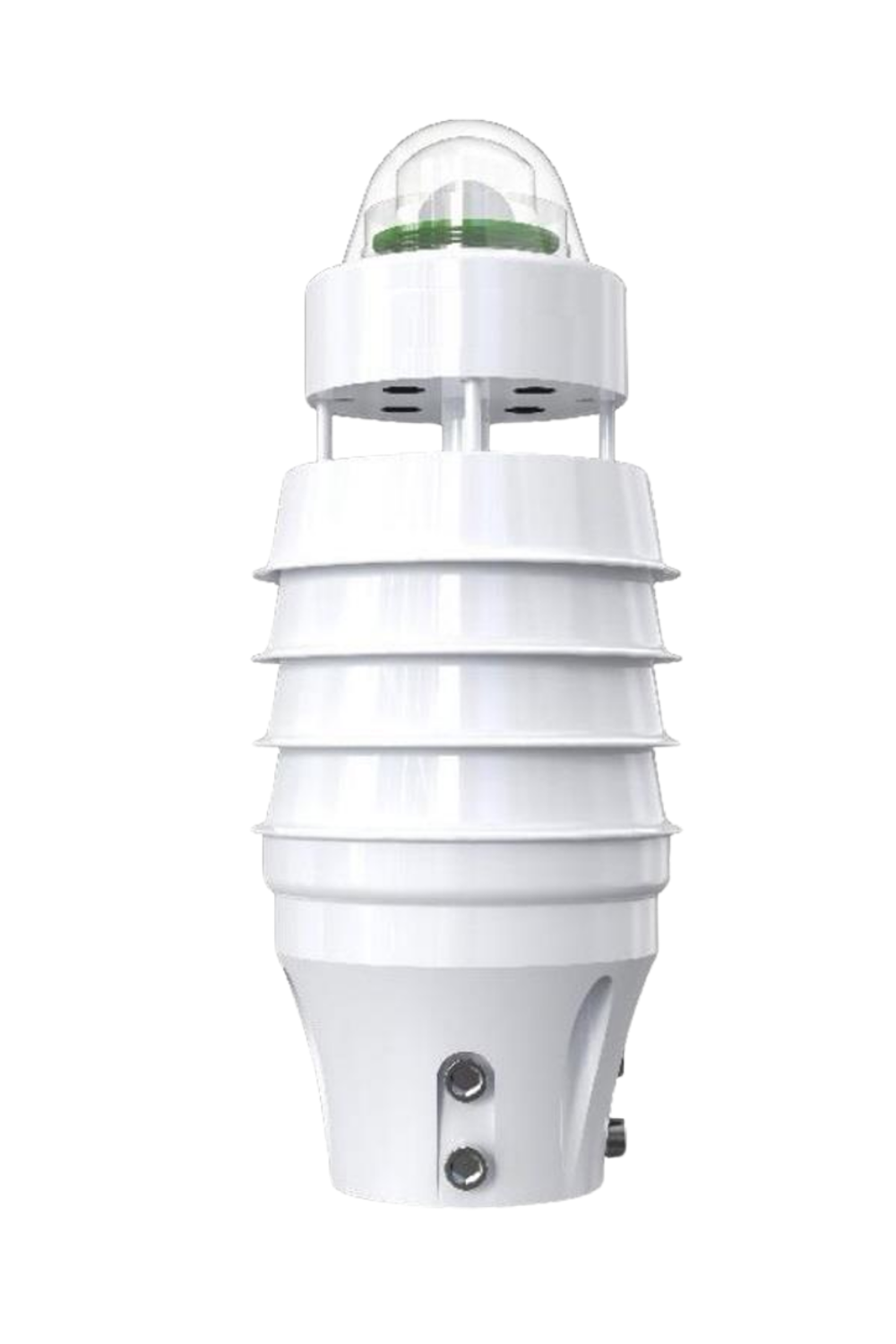
Agricultural Climate Station
The Agricultural Climate Station is a professional measurement system used for yield increase, resource optimization, and risk management in precision farming applications. It provides reliable meteorological data for critical decisions ranging from frost prediction to irrigation scheduling and disease forecasting...
Product description
The Agricultural Climate Station is a professional measurement system used for yield increase, resource optimization, and risk management in precision farming applications. It provides reliable meteorological data for critical decisions in modern agricultural enterprises, ranging from frost prediction to irrigation scheduling and disease forecasting to harvest planning.
Key Features
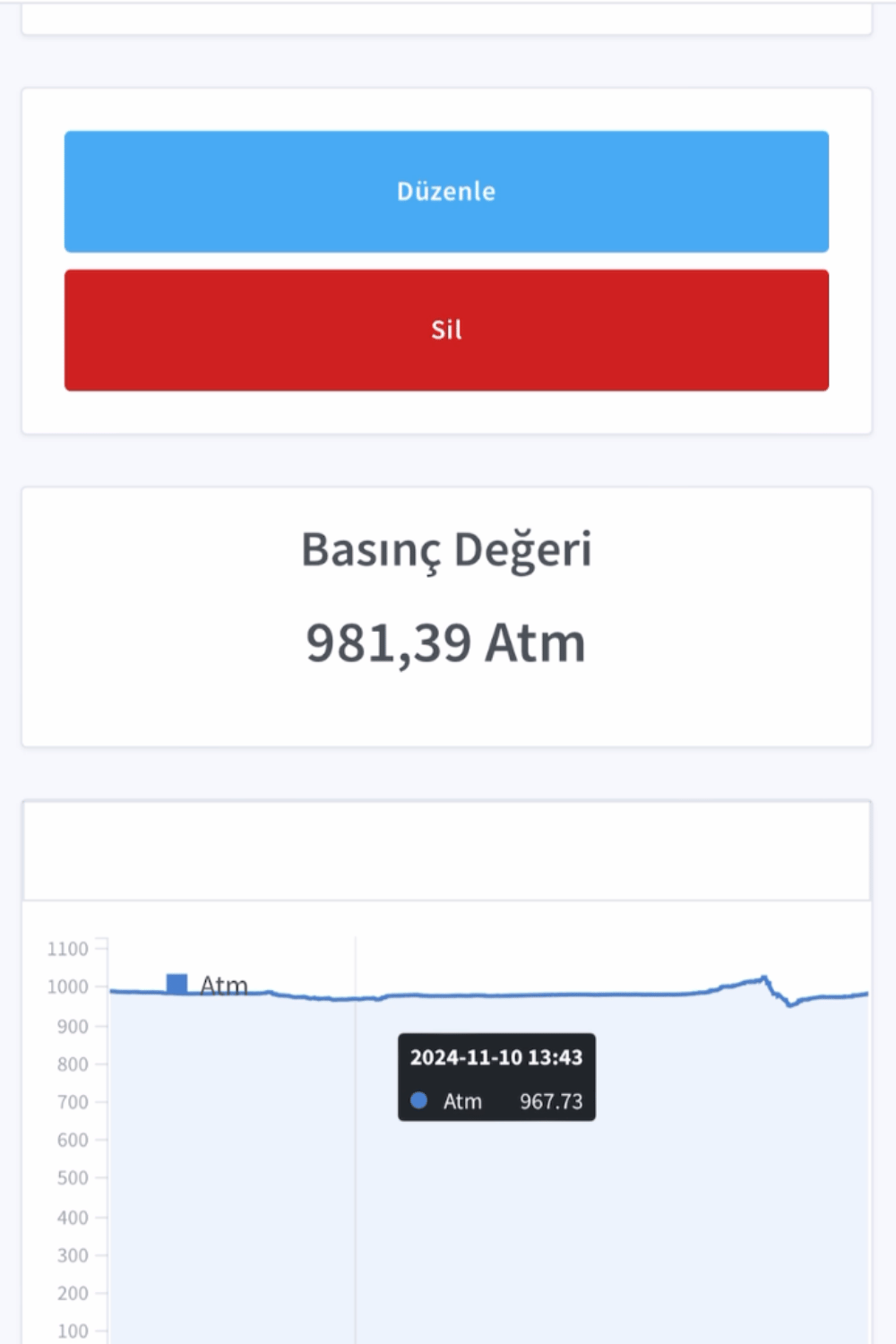
- High-precision measurement and recording of temperature, pressure, wind speed and direction, humidity, precipitation, and solar radiation.
- Wireless LoRaWAN technology and integrated solar panel for quick and practical installation even in remote agricultural lands without power infrastructure.
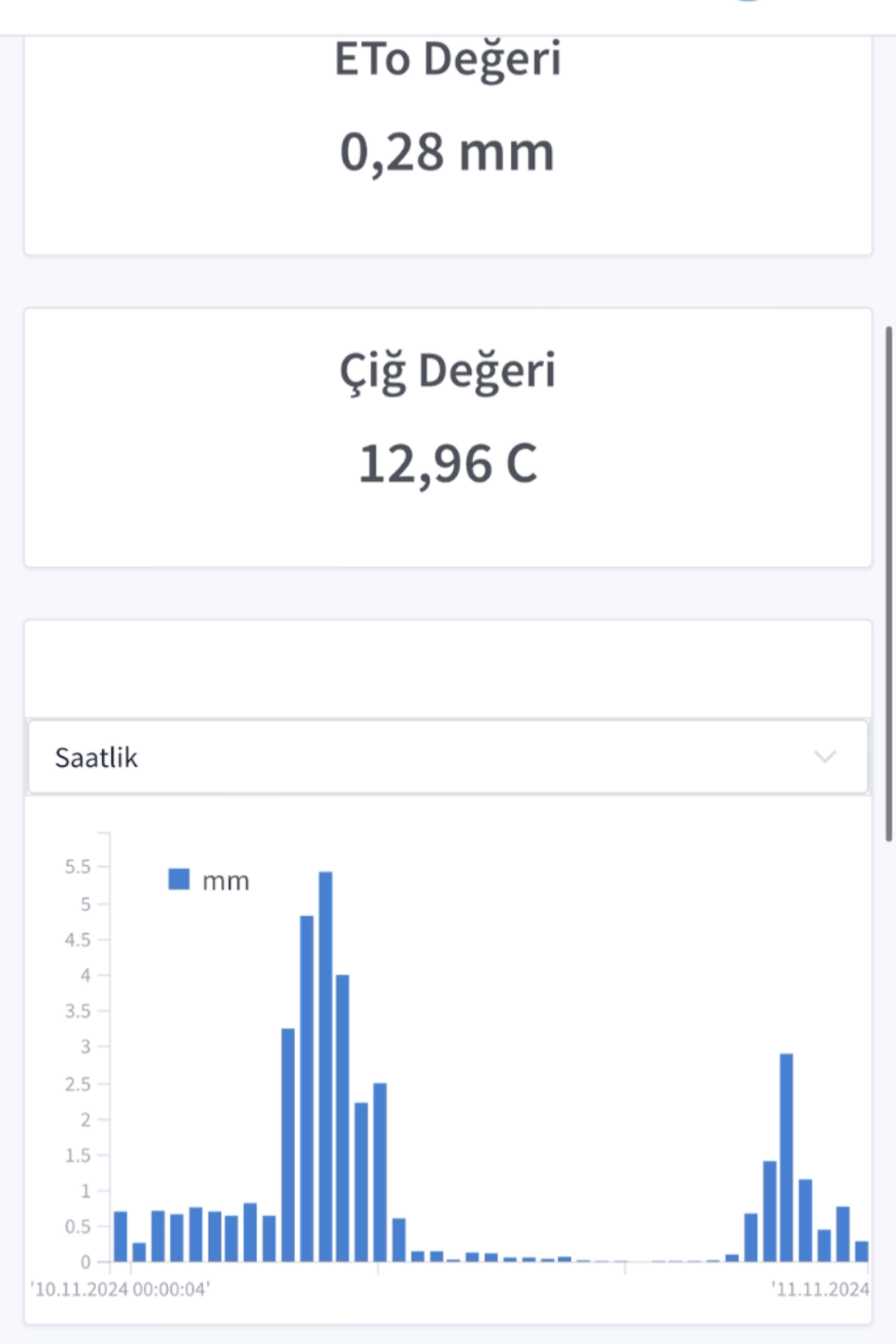
- Enables smart irrigation decisions through ETo (evapotranspiration) calculation and soil moisture sensor integration, ensuring water savings and yield increases.
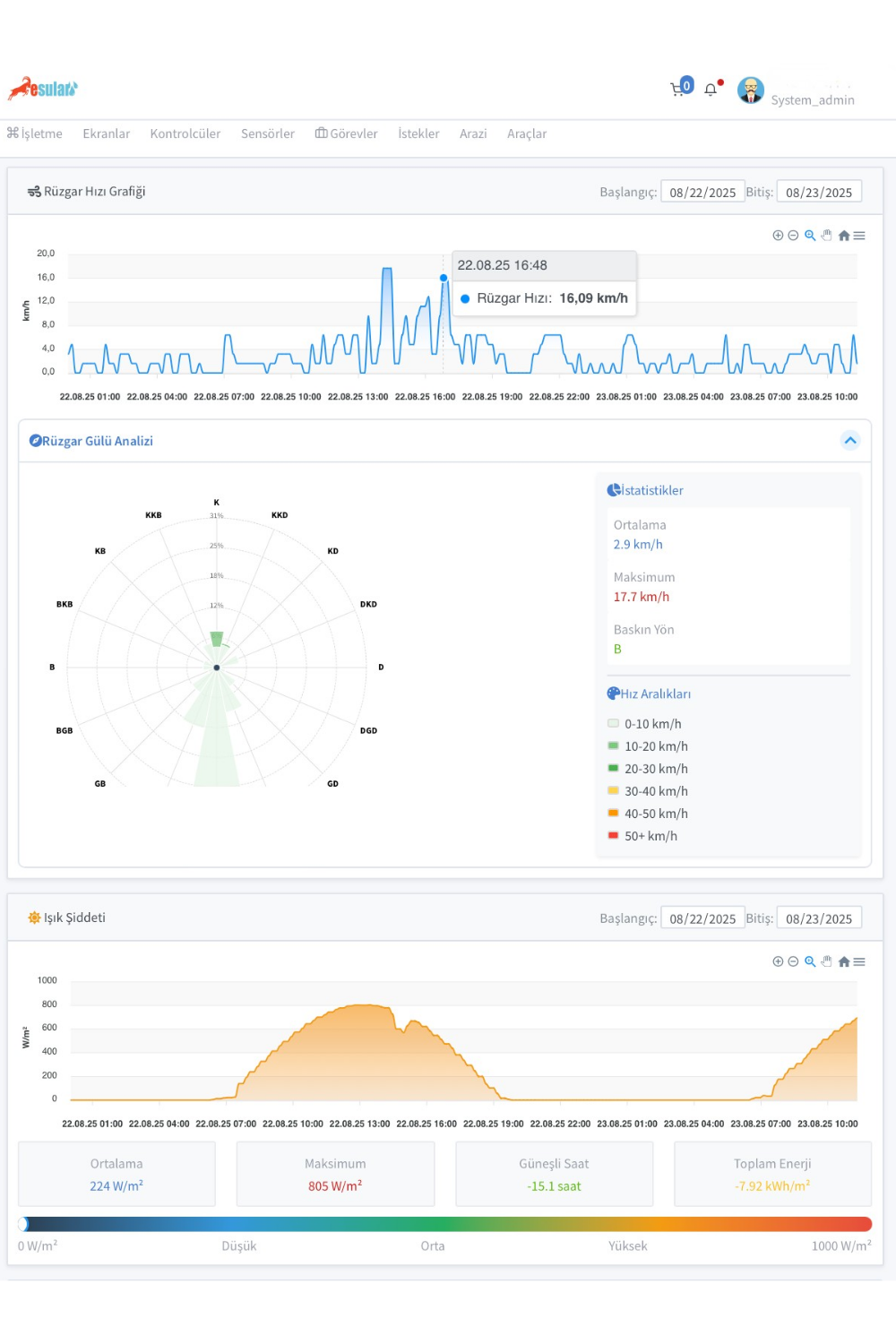
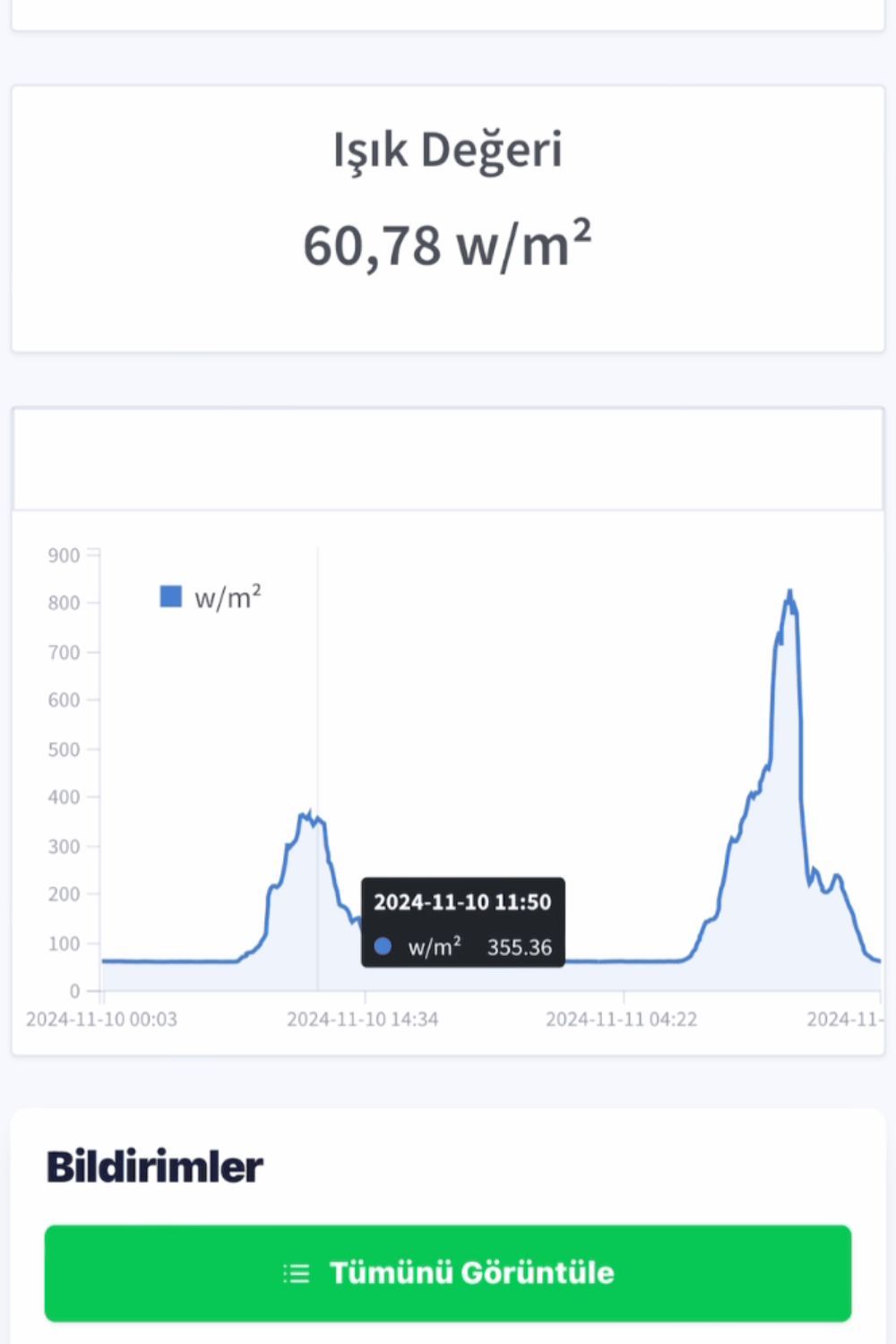
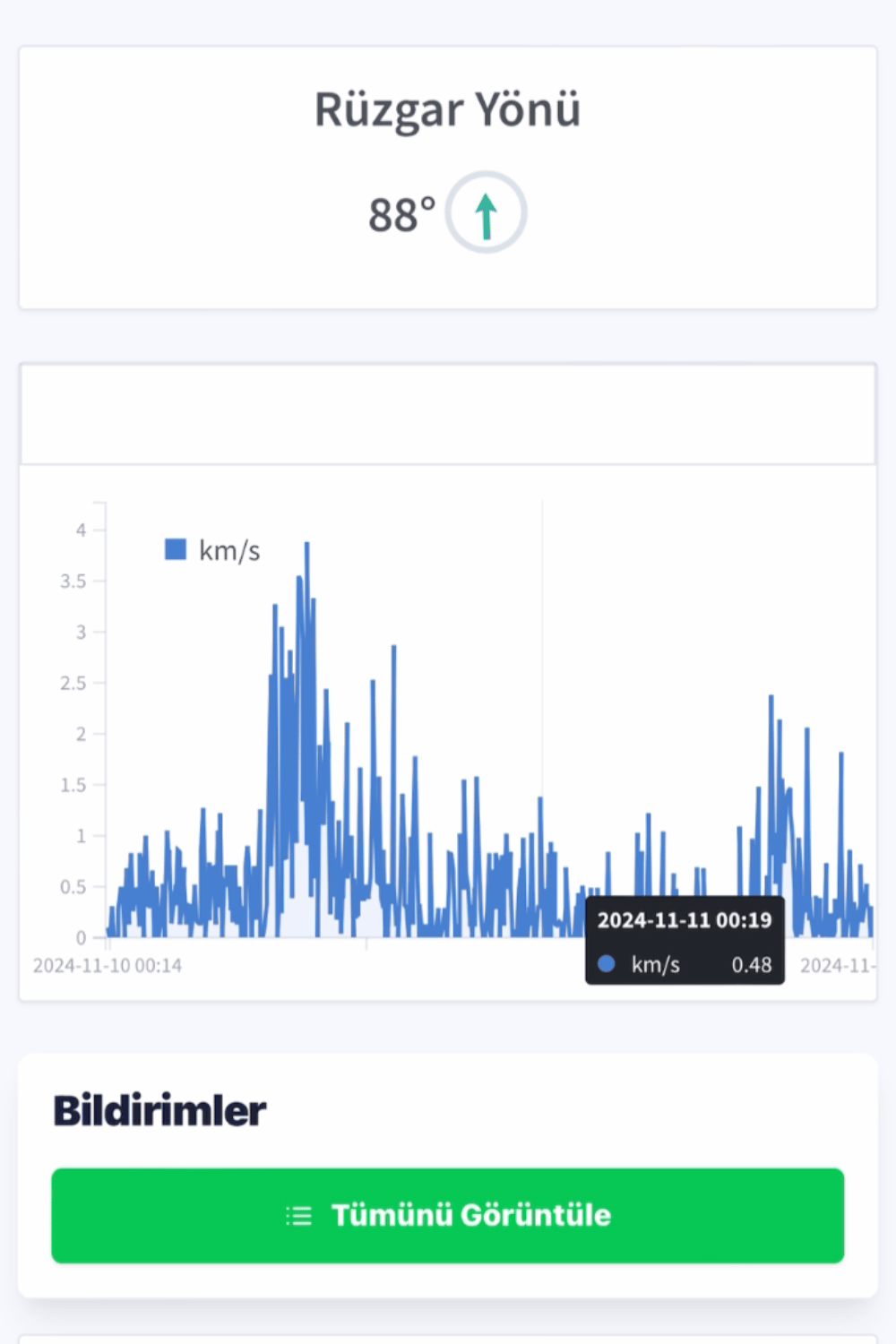
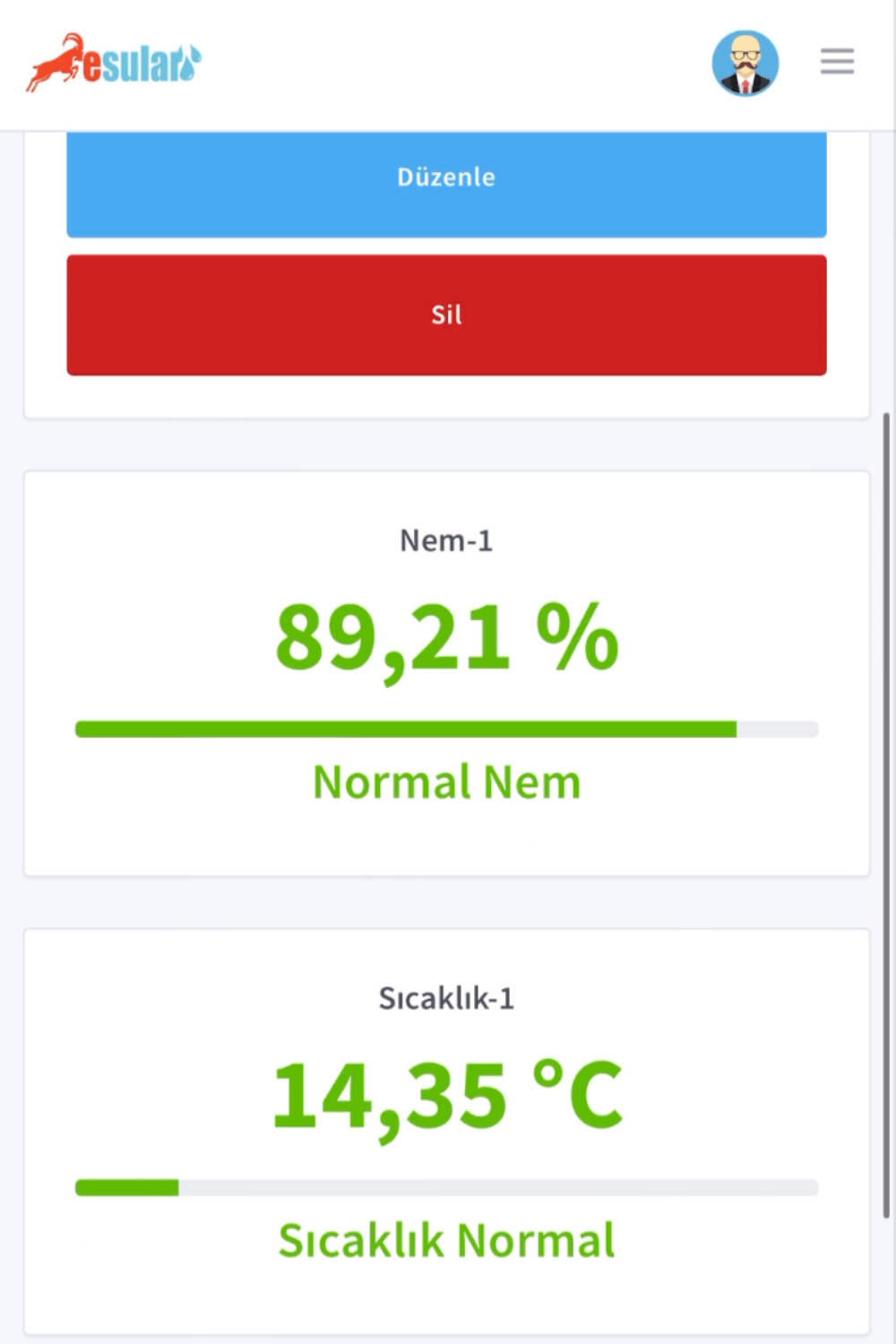
- Integrated with farm management systems to provide real-time, hourly, and daily data tracking, alarm settings, and remote monitoring.
- Provides years of maintenance-free service with its self-solar panel and rechargeable battery structure.
Agricultural Climate Station: The Digital Eye of Modern Farming
Agricultural climate stations are high-tech systems at the heart of today's smart farming approach, providing farmers with data-driven decision-making power. By continuously monitoring the micro-climate conditions of agricultural lands, these stations precisely measure and record all meteorological parameters that directly affect plant growth and yield. Real-time tracking of factors such as temperature, humidity, precipitation, wind speed, and solar radiation increases productivity and reduces risks by enabling strategic decisions at every stage of agricultural production.
Developed by the Esular agricultural technologies team, these climate stations offer farmers the opportunity to monitor the status of their fields without time or space constraints through remote access and cloud-based data analysis features. With the collected meteorological data, farmers can optimally plan planting and harvesting times, precisely adjust water and fertilizer use, and take proactive measures against potential disease or pest risks. This ensures both a reduction in agricultural production costs and an increase in product quality and quantity.
Critical Importance of Climate-Meteorology Stations in Agricultural Production:
- Precision Agriculture and Smart Irrigation Management:
- Water management in agriculture is critical for both cost and efficiency. Our climate stations measure factors such as temperature, humidity, precipitation, solar radiation, air pressure, wind speed, and direction 24/7 to precisely determine water needs. By automatically calculating Daily Evapotranspiration (ETo) values, it determines the water requirement for different plant species and optimizes your irrigation schedules. This achieves up to 30% water savings while maintaining ideal moisture levels according to plant growth stages to increase yield.
- Frost and Extreme Weather Early Warning System:
- Frost and extreme climate events are among the greatest risks in agricultural production, leading to crop loss and economic damage. Our climate stations continuously monitor temperature changes and generate automatic warnings in case of frost risk or extreme heat. This allows farmers to take protective measures in time to secure their crops. The system provides frost prediction models and temperature trend analysis specific to your local micro-climate conditions.
- Disease and Pest Management Optimization:
- Factors such as humidity, temperature, and leaf wetness duration directly affect the development of plant diseases. Our climate station continuously monitors meteorological conditions critical for disease and pest development, feeding disease risk models and optimizing spraying timing. The system evaluates the risk of diseases like downy mildew, powdery mildew, and fire blight, ensuring you spray only when necessary. This saves on pesticide costs and reduces environmental impact.
- Yield and Quality Optimization:
- Solar radiation (PAR), Growing Degree Days (GDD), and humidity values directly affect plant development and product quality. Our climate station continuously measures these values to precisely track plant growth stages and provides valuable data for planting, fertilization, irrigation, and harvest timing. It provides reliable meteorological data for determining the ideal harvest time, especially for crops where quality parameters are critical, such as grapes, apples, and tomatoes.
- Data-Driven Farming and Digital Transformation:
- Reliable and real-time data is critical for decision-making in agricultural production. Climate stations collect real-time meteorological data from fields, transfer it to farm management systems, and support data-driven decision-making processes. You can access data 24/7 from anywhere via the mobile app and web interface, perform analyses, and receive automatic notifications. Data accumulated over the years helps you analyze the effects of climate change in your region and develop long-term agricultural strategies.
With Esular agricultural climate stations, you can make your modern farming practices data-oriented, making your production processes more efficient, sustainable, and profitable!
Contact Esular for more information and solutions specific to your farm.
Climate-Meteorology Station Technical Specifications and Sensors:
- Comprehensive Meteorological Measurements: Measures temperature, humidity rate, wind speed and direction, solar radiation, air pressure, and precipitation parameters with professional precision.
- High-Precision Precipitation Sensor: Measures precipitation in mm, providing accurate data for sensitive irrigation schedules and rainfall analysis.
- Smart Irrigation Optimization: Automatic irrigation schedule creation and irrigation program optimization based on meteorological data.
- Uninterrupted Data Collection: Continuous day-night data recording and real-time monitoring feature.
- Agricultural Water Management: Evapotranspiration (ETo) calculation, dew point detection, and plant water requirement analysis.
- Industrial Connection Protocols: Integration into automation systems with RS485 output and MODBUS communication features.
- Energy-Independent Operation: Operates without an additional energy source thanks to its self-solar panel and rechargeable battery system.
- Long-Life Battery: 1 year of uninterrupted service even during non-sunny periods with a 5000 mAh internal rechargeable battery.
- Smart Notification System: Automatic alarms and notifications for critical meteorological conditions.
- Remote Monitoring and Management: 24/7 data tracking and adjustment capability over the internet.
- Durable Outdoor Design: Reliable operation in harsh weather conditions with an IP65 standard waterproof structure.
- Data Security: No data loss even in case of shutdown; all measurements remain secure.
- Advanced Wireless Communication: Wide coverage area with LoRa modulation and LoRaWAN protocol. EU-868 MHz frequency band and 14dB output power.
Outdoor Humidity-Temperature Sensor Features
- High-precision dew point temperature measurement (the temperature at which air moisture begins to condense).
- Precise air temperature and humidity measurement across a wide temperature spectrum.
- Accurate temperature measurement and long-life sensor protection with a thermal radiation shield.
- Temperature and humidity sensors provide precise measurements for years without requiring regular calibration.
Professional Solar Radiation Sensor (Pyranometer)
- Precise measurement of solar radiation values critical for agricultural yield.
- Reliable data for plant growth, photosynthesis, and evaporation calculations.
- Measurement quality compliant with ISO standards and long-life sensor technology.
- Ideal radiation tracking for agricultural research and precision production.
Precipitation Amount and Analysis Sensor
- Precise rainfall measurement with a calibrated tipping bucket system.
- Erosion and drainage assessment through rainfall intensity and duration analysis.
- Irrigation schedule optimization and water resource management with rainfall data.
- Reliable data transfer even in wide areas with the wireless LoRaWAN communication protocol.
Agricultural Application Areas
- Orchards and Viticulture: Frost prediction, disease risk analysis, and fruit quality optimization.
- Field Crop Production: Water and fertilizer optimization, planting-harvest planning, and yield increase.
- Professional Greenhouse Farming: Ideal climate condition control, disease management, and energy savings.
- Hydroponic Farming Systems: Precise environment control and optimum nutrient solution management.
- Smart Irrigation Applications: Automatic optimization of irrigation schedules according to climate data.
- Precision Agriculture Projects: Data-driven agricultural decision-making and resource efficiency.
- SCADA and Smart Farm Systems: Centralized farm management and automation integration.
- Agricultural IoT (Internet of Things): Wireless sensor networks and data analytics applications.
- Landscaping and Golf Courses: Professional green area management and irrigation optimization.
- LoRa / LoRaWAN Sensor Networks: Wireless data collection in large agricultural lands.
- Germination and Seedling Production: Ensuring ideal growth conditions and yield increase.
- Agricultural Research and Development: Professional climate data collection and meteorological analysis.
Technical Documents
Download the documents for detailed product information
Frequently Asked Questions
Sıkça Sorulan Sorular
İstasyon hangi parametreleri ölçüyor?
Sıcaklık, nem, hava basıncı, rüzgar hızı ve yönü, yağış miktarı ile güneş (solar) radyasyonunu yüksek hassasiyetle ölçer ve kaydeder.
Elektrik altyapısı olmayan arazide çalışır mı?
Evet. Entegre güneş paneli ve 5000 mAh şarjlı pil sayesinde ek enerji kaynağı gerektirmez; güneş olmayan dönemlerde bile 1 yıla kadar kesintisiz çalışır.
Verilere uzaktan erişebilir miyim?
Evet. Veriler anlık, saatlik ve günlük olarak internet üzerinden 7/24 izlenebilir; kritik meteorolojik koşullar için alarm ve bildirim kurabilirsiniz.
Otomasyon sistemlerine entegre olur mu?
RS485 çıkışı ve MODBUS haberleşme desteğiyle otomasyon sistemlerine entegre edilebilir; LoRa/LoRaWAN protokolüyle kablosuz iletişim sağlar.
Zorlu hava koşullarına dayanıklı mı?
IP65 standardında su geçirmez gövdeye sahiptir; cihaz kapanıp açılsa bile veri kaybı yaşanmaz.