
Damla Sulama Sistemi Guide
What is drip irrigation, how does it work? Installation steps, automation integration, cost analysis, and maintenance tips — a comprehensive guide for agriculture, greenhouses, and gardens.
Damla Sulama Sistemi What is it?
Drip irrigation system is a modern irrigation method that delivers water directly to the plant root zone through low-pressure drippers. It provides the same or higher yield using 30-60% less water compared to traditional irrigation methods.
The system consists of a main pipeline, lateral pipelines (laterals), drippers, filter unit, and optional automation components. Applicable at any scale for fields, greenhouses, vineyards, gardens, and landscaping.
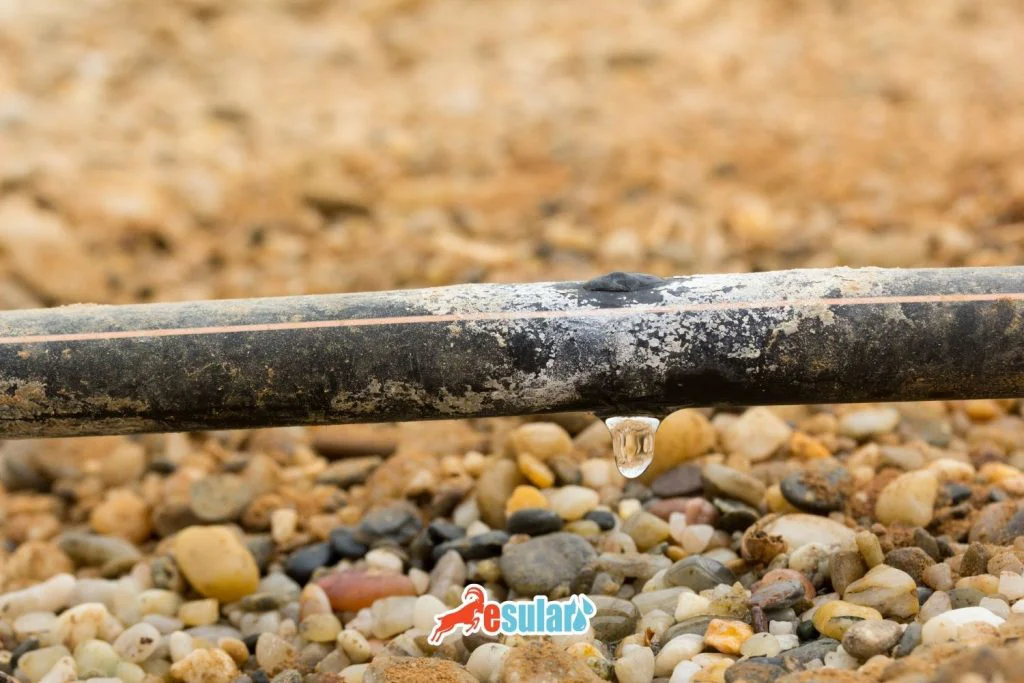
Drip Irrigation System Components
An efficient drip irrigation system consists of 6 basic components. Each component directly affects the overall performance of the system.
Emitters
Inline and online models. Pressure compensating options ensure uniform distribution on sloped terrain. 2-8 L/hour flow rate.
Filter System
Disk, screen, or sand-gravel filters prevent clogging. The automatic backwashing feature simplifies maintenance.
Filter guide →Solenoid Valves
Hydraulic valves that automatically control irrigation zones. 9V DC latch models are compatible with battery-powered systems.
Valve guide →Automation Unit
Wireless control units allow you to manage irrigation schedules from the mobile app. Sensor integration.
Automation solutions →Soil Moisture Sensor
Prevents unnecessary irrigation by measuring the actual water needs of the soil. Wireless and battery-powered models.
Precision irrigation →Fertigation Unit
Liquid fertilizer application with irrigation water. Precise dosing with EC and pH sensors.
Fertilization automation →Damla Sulama Sistemi Installation Steps
Field Analysis and Design
Land topography, soil type, crop variety, and water source capacity are evaluated. Pipe diameters, emitter spacings, and flow rates are calculated.
Water Source and Pump Selection
The flow rate and pressure of well, pond, or network water are measured. A suitable pump and pressure regulator are selected.
About GSM pump control →Filter and Main Line Installation
A filter system suitable for water quality is installed. The main pipeline (PE or PVC) is laid and solenoid valves are connected.
Lateral Lines and Drippers
Lateral pipes are laid parallel to the plant rows. The emitter type and spacing are adjusted according to the plant type (20-50 cm).
Automation and Sensor Integration
Wireless control unit and soil moisture sensors are added to the system. Irrigation schedules are created via the mobile app.
Detailed installation guide →Testing and Commissioning
System pressure testing is performed, and dripper flow rates are checked. The system is commissioned by testing automation scenarios.
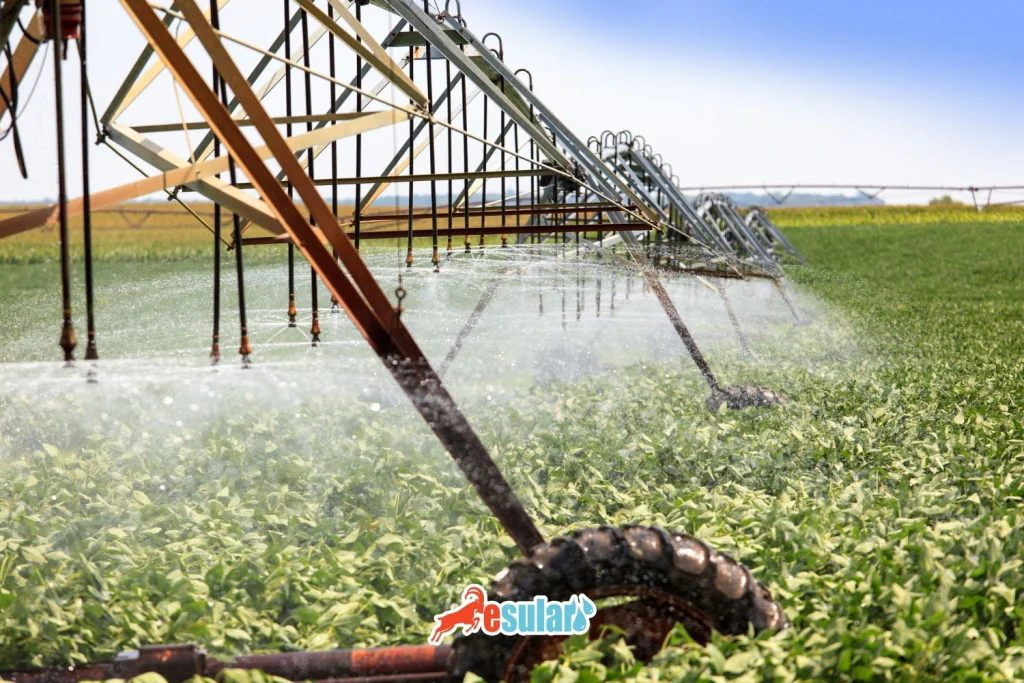
With Drip Irrigation Automation Efficiency
Fully automate your drip irrigation system with Esular smart irrigation technologies. Irrigate based on soil moisture data, optimize water and energy.
Wireless Valve Control
Esular Smart Valve control units, with their battery-powered and wireless design, control solenoid valves in drip irrigation lines from a distance of 5 km. No wiring is required, and installation is completed in minutes.
- • 10+ years of battery life
- • 5 km wireless range
- • 2-outlet valve control
- • Solar panel support
Sensor-Supported Smart Irrigation
Soil moisture sensor data, combined with automation scenarios, irrigates only when needed. Eliminates over- or under-watering.
- • 30-50% water savings
- • Pressure anomaly detection
- • Mobile app notifications
- • Automatic scenario creation
Recommended Products
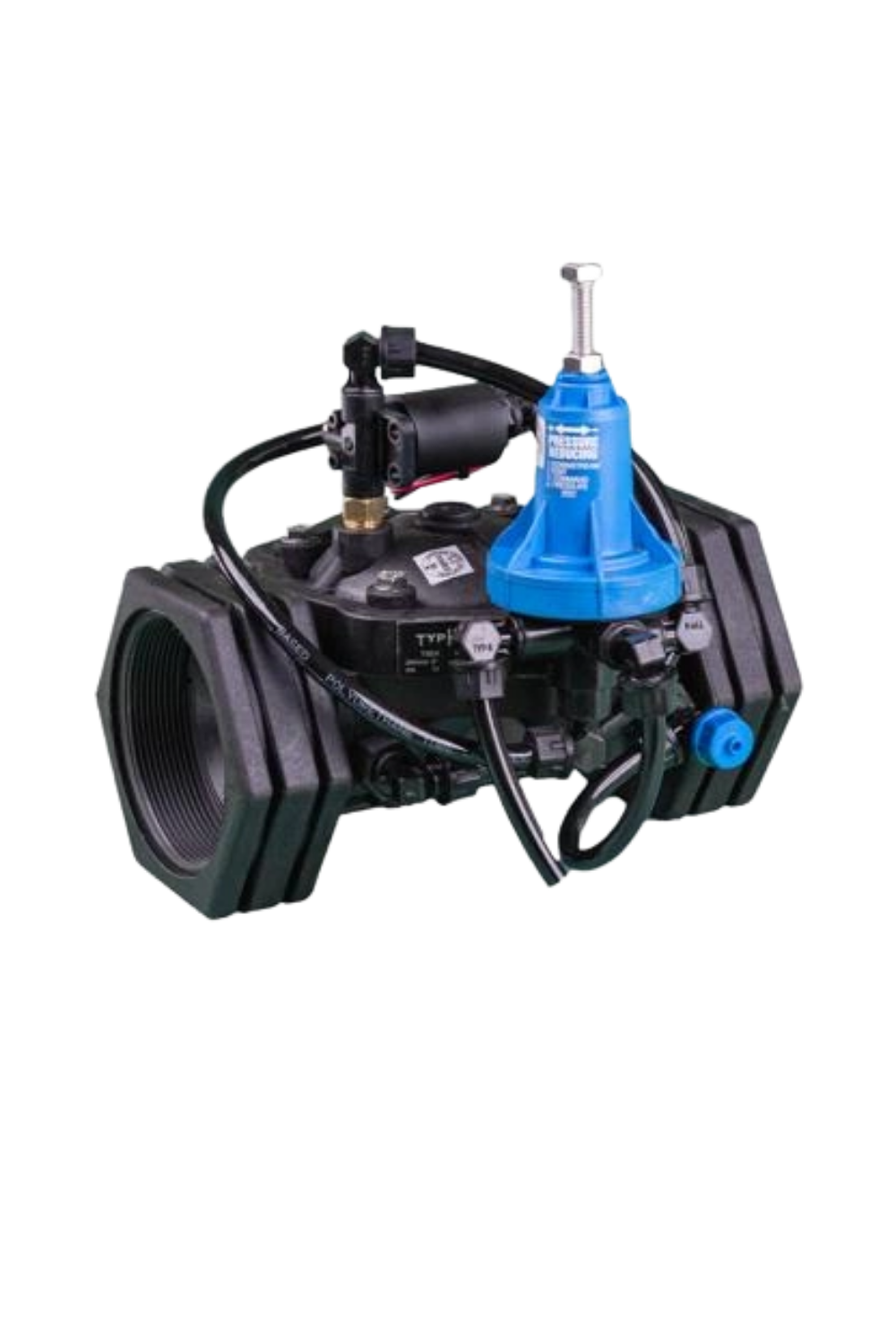
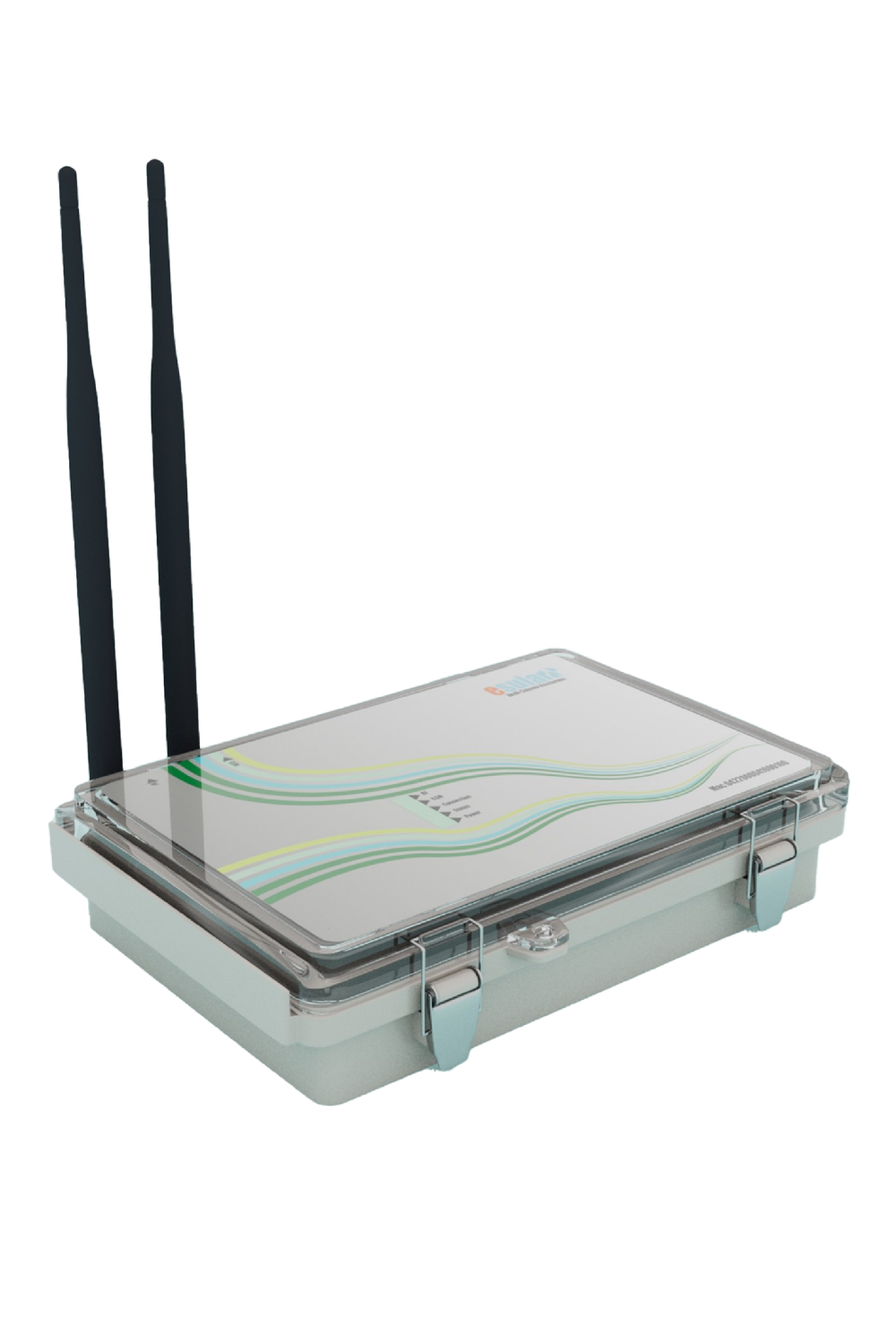
Drip Irrigation vs. Other Methods
| Criterion | Drip Irrigation | Yağmurlama | Furrow/Flood |
|---|---|---|---|
| Water Efficiency | 90-95% | 70-80% | 40-60% |
| Energy consumption | Low | Yüksek | Low-Medium |
| Fertilization Integration | Excellent (fertigation) | Sınırlı | Yok |
| Automation Compatibility | Fully compatible | Partially compatible | Incompatible |
| Labor Requirement | Minimum | Orta | Yüksek |
| Eğimli Arazi | Suitable | Partially | Not suitable |
| Initial Cost | Orta-Yüksek | Yüksek | Low |
* For a detailed irrigation method comparison Agricultural Irrigation Systems Guideyou can review.
Drip Irrigation Maintenance and Tips
Filter Cleaning
Check filters weekly. Clean when pressure difference increases. Automatic backwashing is recommended.
Line Control
Perform line flushing by opening the end cap of the lateral lines. Detect clogged emitters.
Winter Maintenance
Drain the water from the pipes before winter. Leave the valves in a half-open position. Protect the automation unit.
Automation Monitoring
Monitor irrigation reports via the mobile app. Track anomalies in sensor data.
Frequently Asked Questions
Detailed installation guide →
Water saving experiences →
Smart irrigation system prices →
Make Your Drip Irrigation System Smart
Control your drip irrigation system from the mobile app with Esular wireless automation solutions. Contact us now for free technical consultation.
Get Free Consultation Explore ProductsRelated Articles
Hidden Costs in Drip Irrigation
How to control your drip irrigation costs with real-time water meter tracking?
What is an Automatic Irrigation System?
Comprehensive guide on automatic irrigation systems from field to garden.
Efficient Irrigation with Soil Moisture Sensor
Still irrigating manually? Data-driven irrigation guide.