
Solenoid Valve Control Unit
The biggest problem in agricultural areas is that energy and cabling are costly and impractical. Our irrigation management system, developed by Esular, is entirely wireless. Valve controls and sensor data collection for irrigation are performed completely wirel...
Technical Specifications
| Dimensions | 157.5 x 90 x 58.5 mm |
|---|---|
| Documentation | Technical Documentation Available |
Product description
The biggest problem in agricultural areas is that energy and cabling are costly and impractical. Our irrigation management system, developed by Esular, is entirely wireless. Valve controls and sensor data collection for irrigation are performed completely wirelessly.
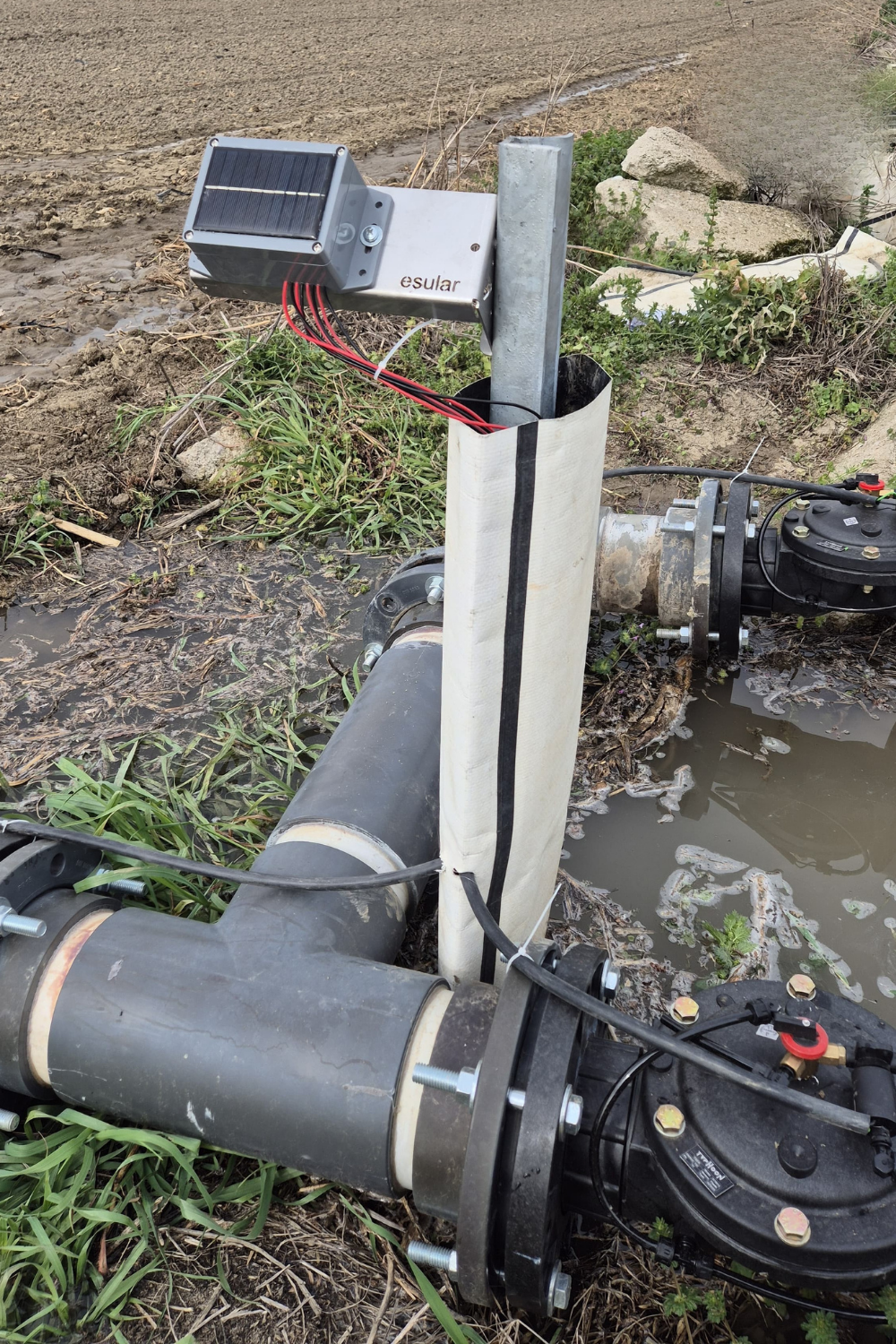
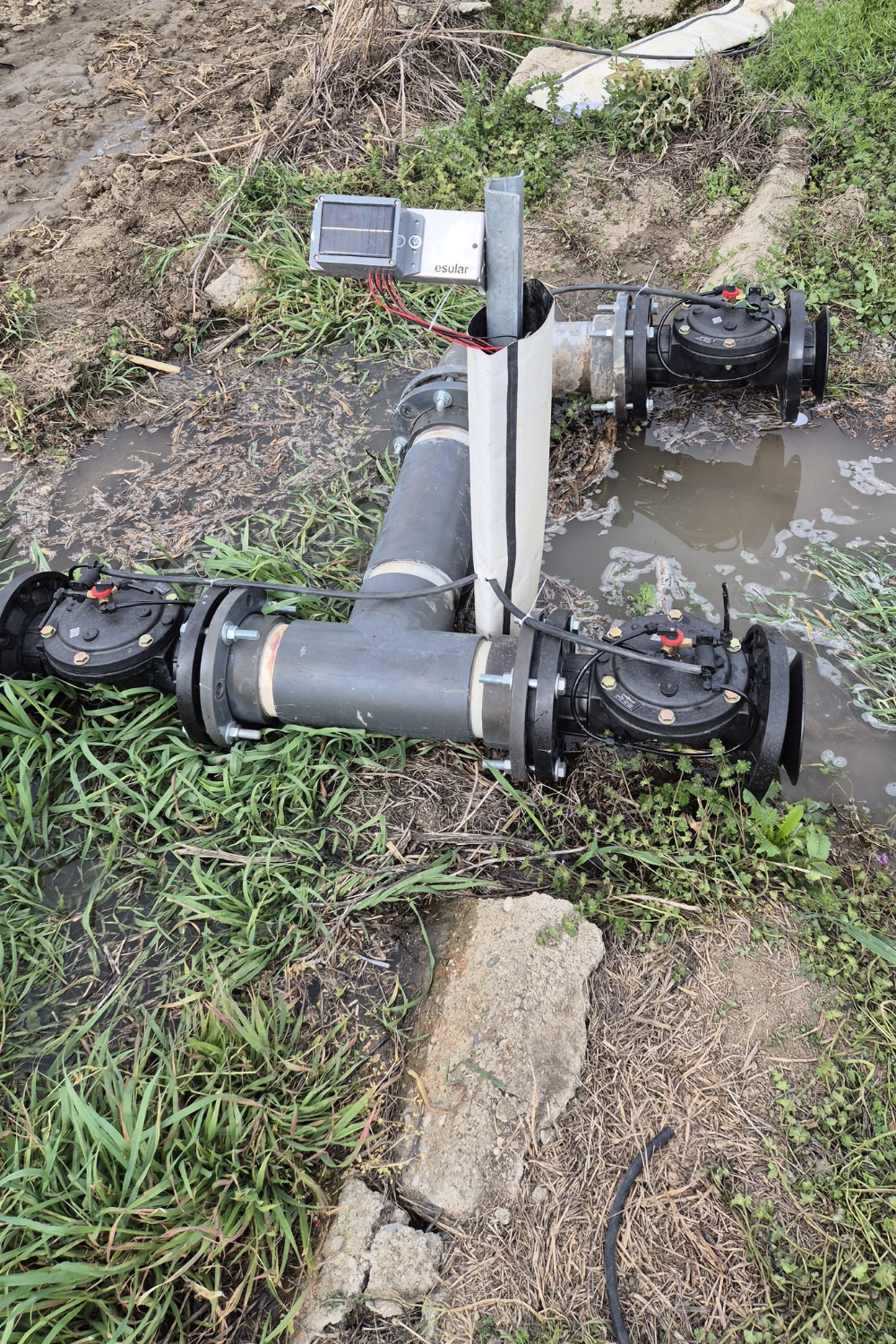
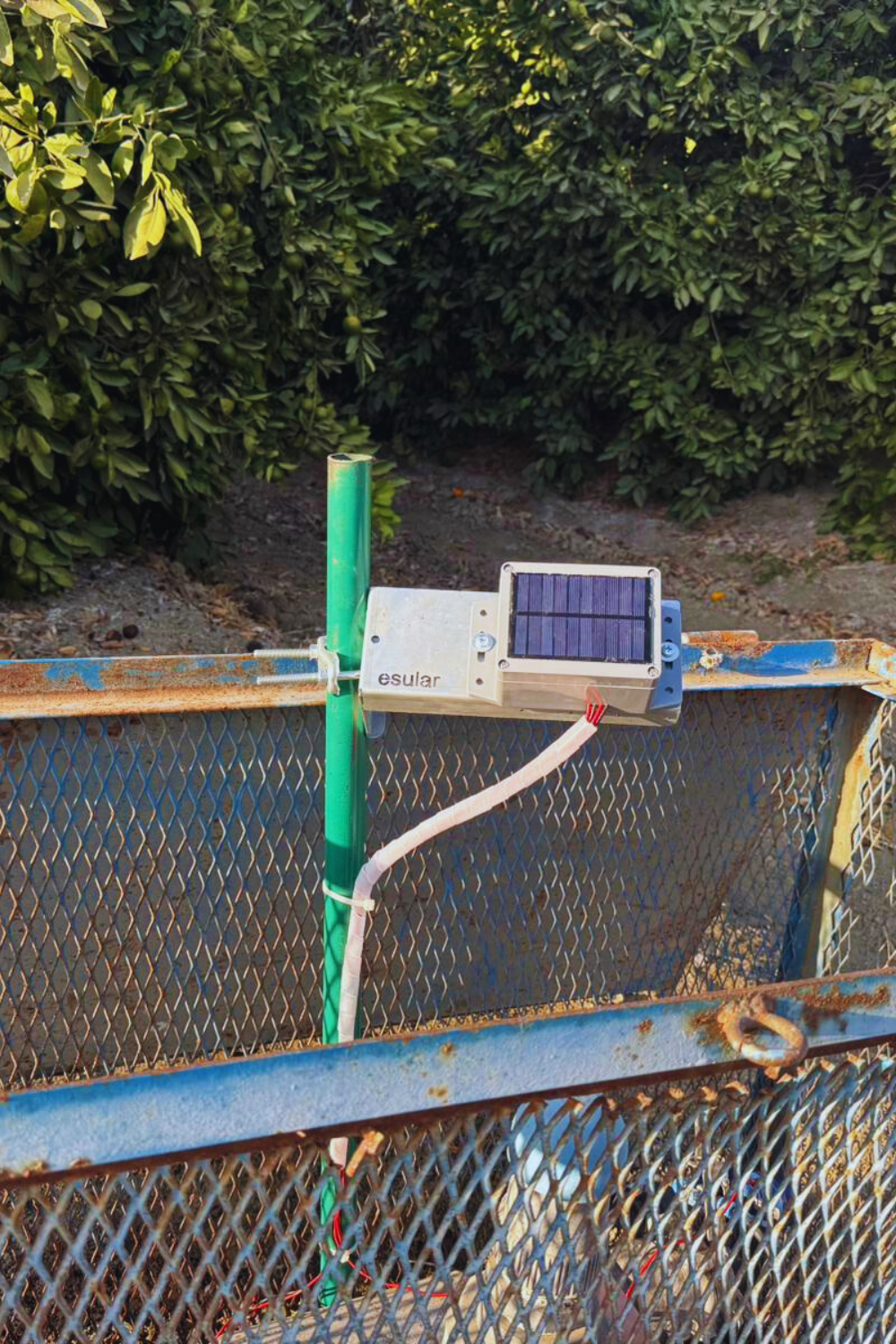
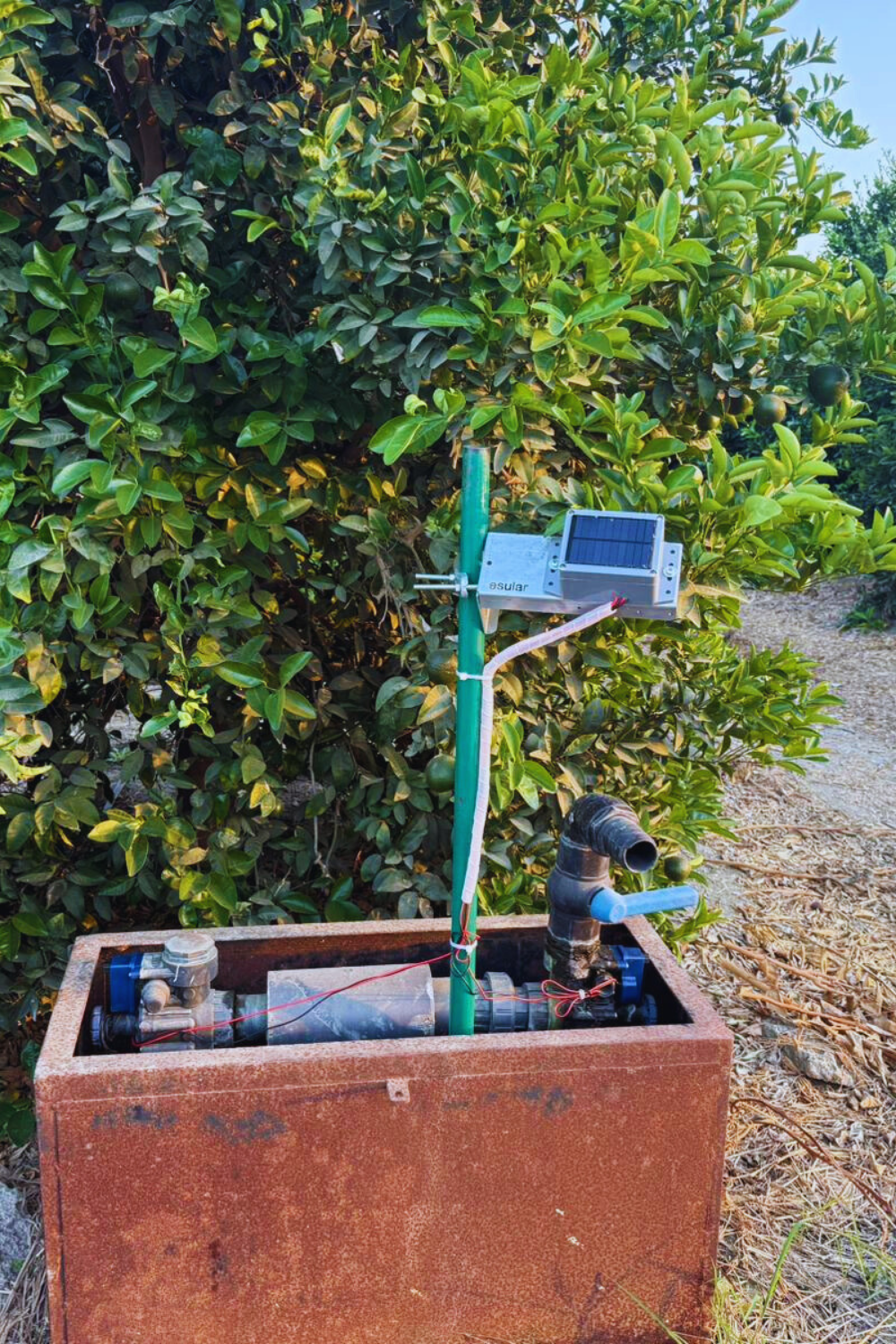
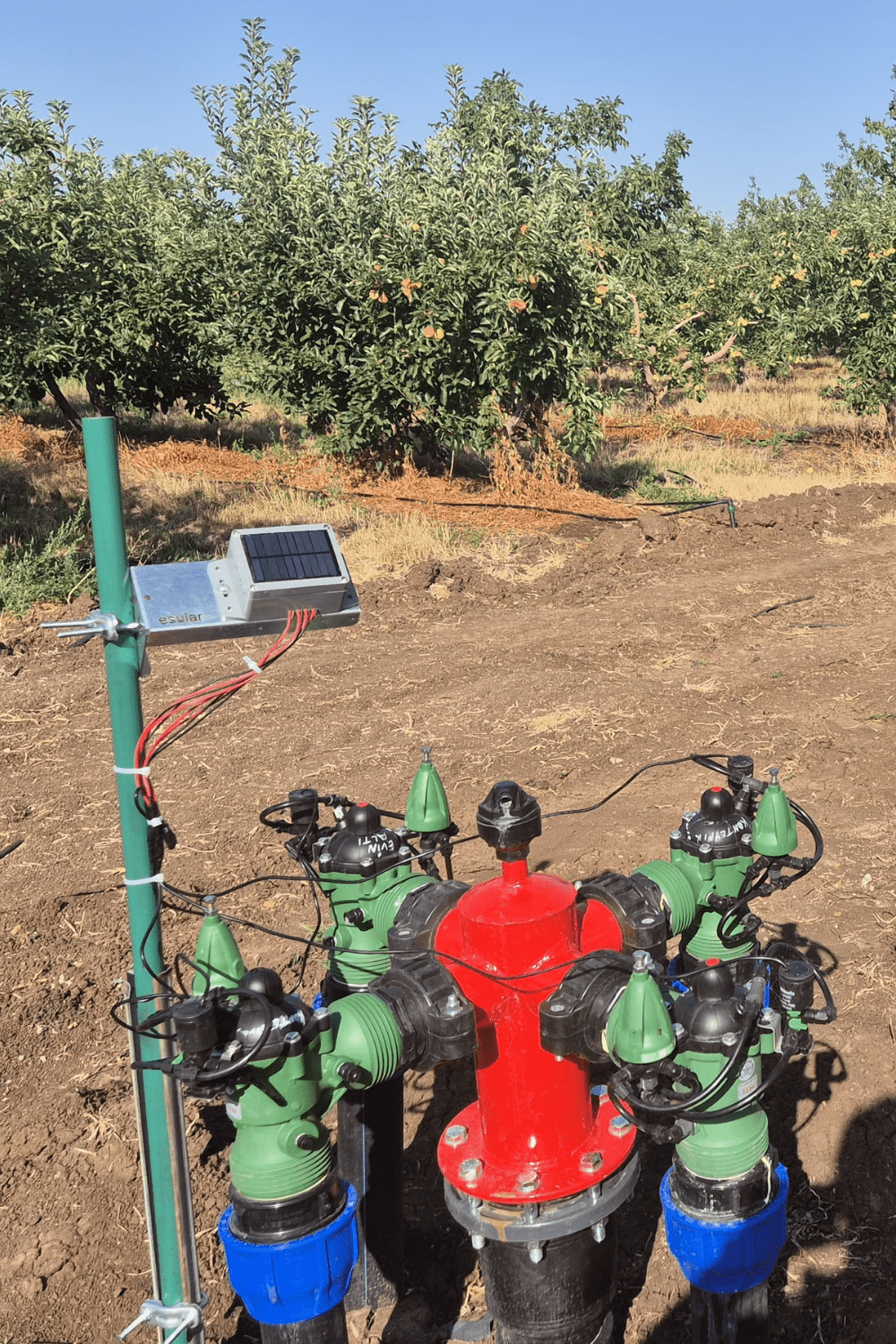
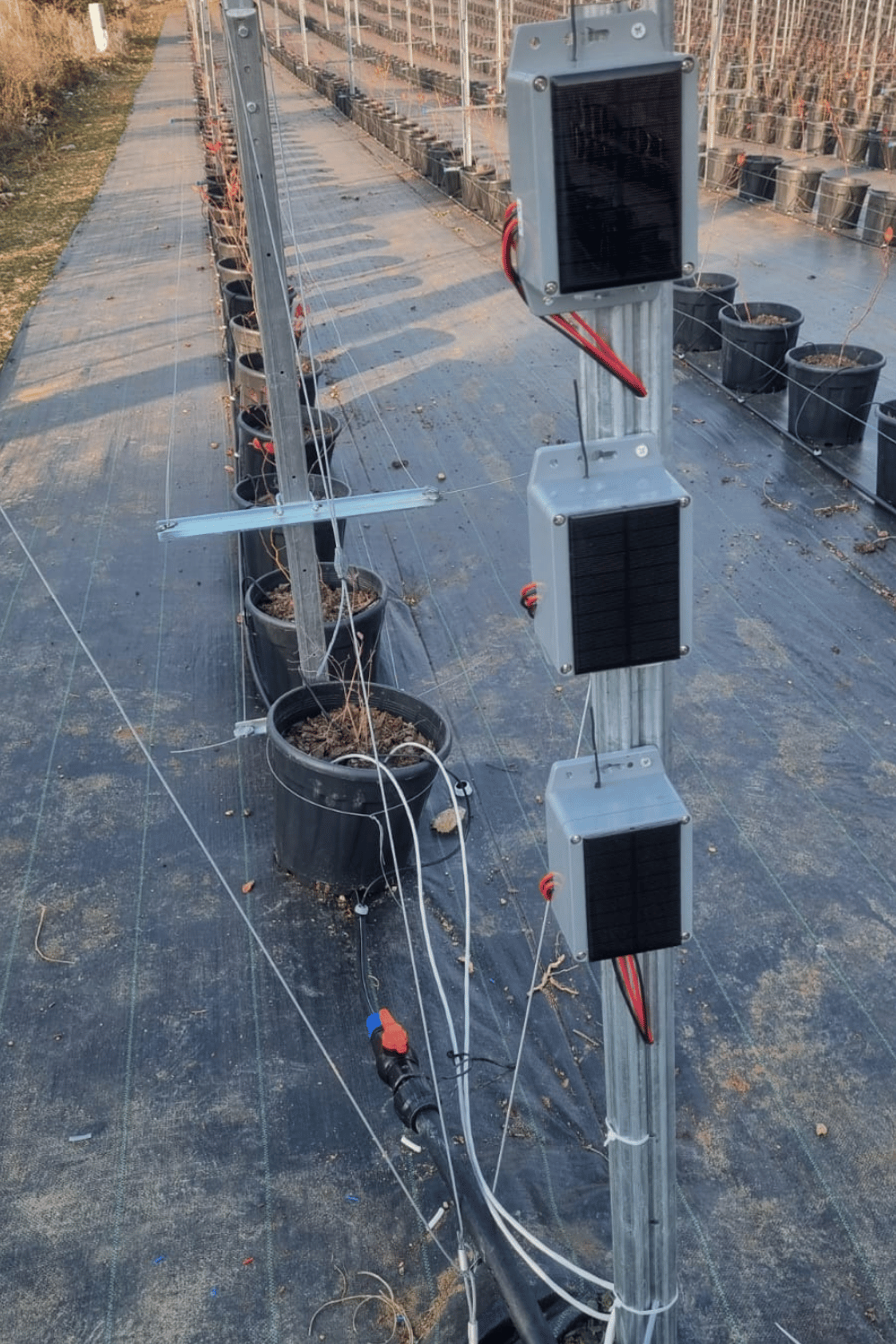
Wireless Smart Valve Control Unit with Integrated Solar Panel
Wireless Installation
During installation, there is no need for cabling, solar panels, external energy, or automation. Simply connect directly to the valve.
Operation with Integrated Solar Panel and Rechargeable Battery
Thanks to its integrated solar panel and rechargeable battery, there is no need for external power.
Control up to 10 KM
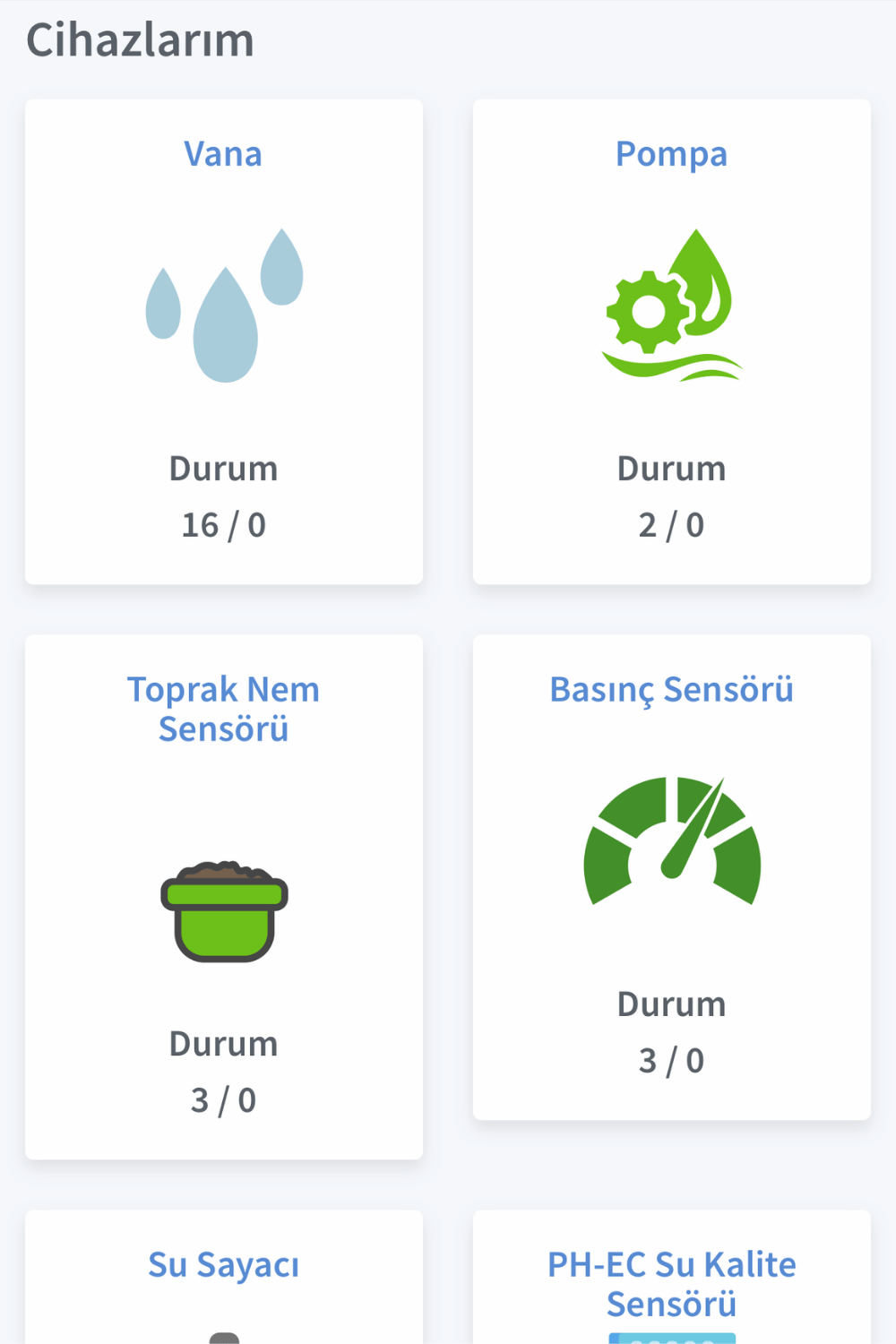
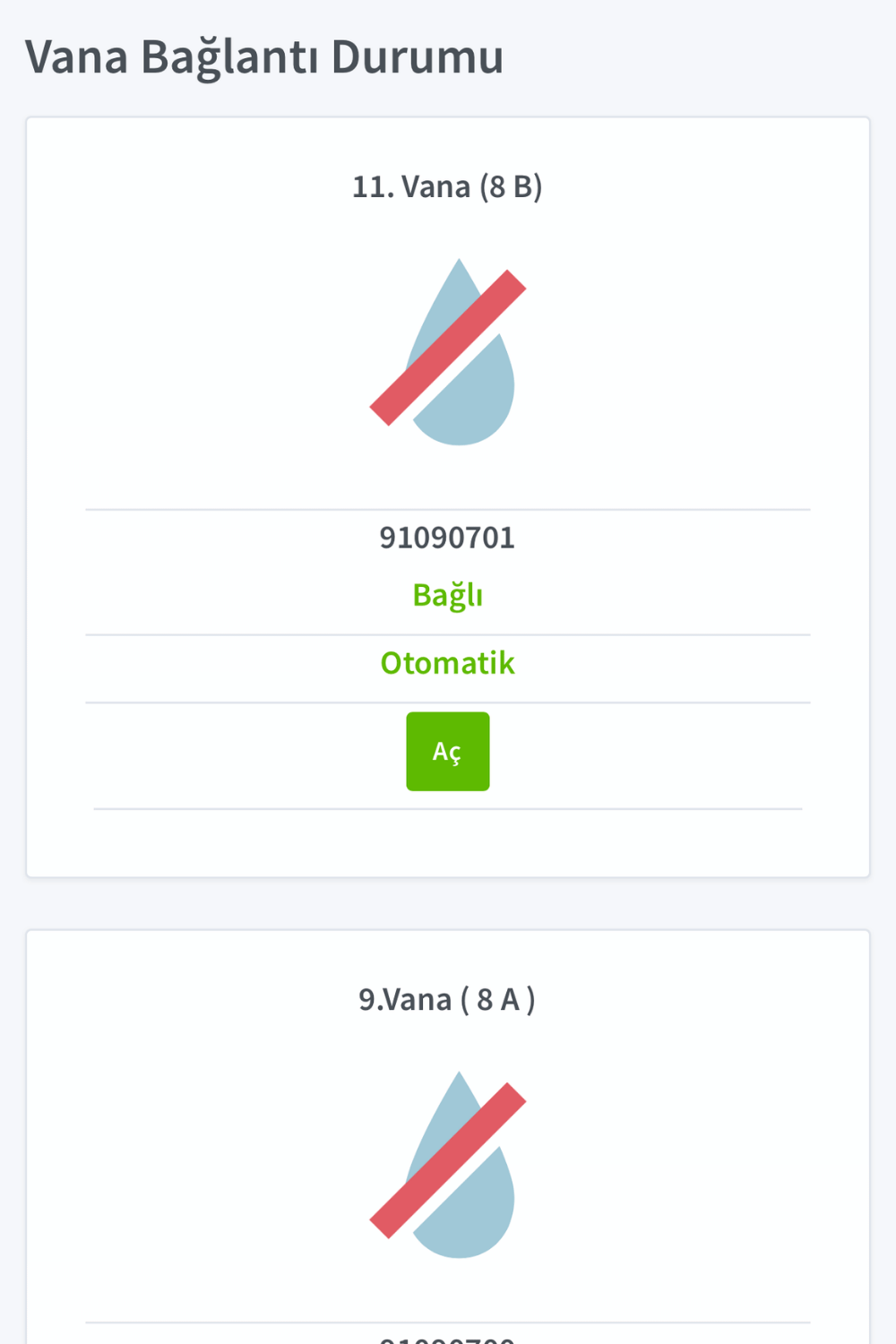
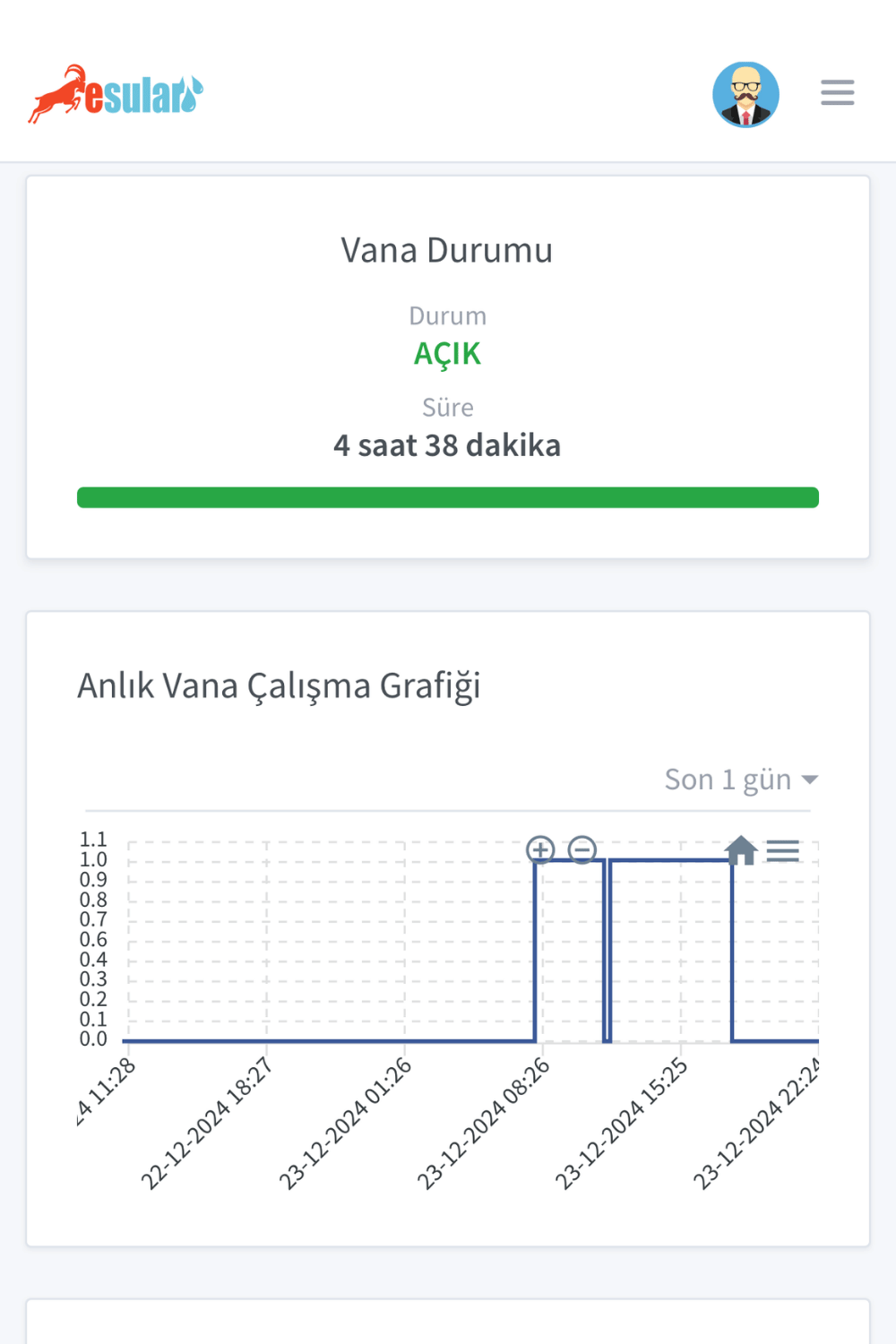
You can wirelessly read status information and control valves from a distance of approximately 10 km.
Easy Scalability
Thanks to its plug&play structure, you can easily add new valves to the system within 5 minutes. It allows for easy addition and removal without the need for reconfiguration.
General Features
- Supports connection of up to 4 hydraulic valves.
- Compatible with 9V hydraulic latch solenoid valves.
- No additional power required thanks to its wireless, integrated solar panel and rechargeable battery design.
- No data loss occurs upon power cycling.
- The device communicates using LoRa modulation and LoRaWAN protocol.
- Features EU-868 Mhz frequency band and 14dB output power.
- 8 Channel standard LoRa/LoRaWAN transceiver.
- Fully compatible with LoRaWAN networks.
- Has external and internal antenna connections.
- Configuration operations can be performed through the system.
- Operates in Ultra Low Power mode, avoiding unnecessary energy consumption.
- Point-to-point wireless communication up to 5 km.
- Operating temperature is -40°C~+85°C.
- Features IP68 waterproof design.
Application Areas
- Smart Agriculture Applications
- Smart Greenhouse Applications
- Smart Landscape Applications
- Vertical Farming Applications
- Smart Irrigation Systems
- Hydroponic Farming Applications
- SCADA Systems
- IoT (Internet of Things)
- Park, Garden Smart Irrigation Solutions
- LoRa / LoRaWAN Sensor Applications
- Germination, Rooting Automation
Models
Challenges of Wired Systems and the Practicality of Wireless Solutions
Challenges of Wired Systems
- High Installation Cost: Especially in agricultural areas, extensive excavation may be required to lay cables over large areas. This is costly in terms of both labor and materials. Laying cables can take a long time.
- Difficult Fault Detection: Detecting damage in cables, especially for underground cables, can be time-consuming.
- Vulnerability to External Factors: Agricultural equipment, animals, or weather conditions can damage cables. Cable breaks or wear can disable the system. Additionally, moisture, chemicals, and soil structure can cause cables to degrade over time.
- Fixed Infrastructure: Wired systems are fixed, so if a change is made in the agricultural or greenhouse area, cables may need to be re-laid.
Wireless agricultural and greenhouse technologies provide lower installation costs and flexibility. Using wireless systems in large areas is more advantageous. Shifting towards wireless technologies in agriculture and greenhouse areas generally offers a more efficient and sustainable solution.
Advantages of Wireless Systems and Practical Use
Advantages of Wireless Systems
Wireless systems offer many advantages compared to wired systems. Here are the main advantages of wireless systems:
Ease of Installation and Low Cost: No cable laying required. Since there is no need for physical cable laying, labor and cost are reduced. Thanks to its plug&play structure, sensors and devices can be installed and put into operation quickly.
Flexibility and Mobility: Devices can be easily moved when the field or greenhouse layout changes. New sensors or devices can be added as needed.
Wide Coverage Area: Provides remote access and control. Wireless sensor networks can be established over large areas. Data can be monitored and controlled remotely via the internet. It works integrated with IoT devices in smart agriculture and greenhouse applications, ensuring efficiency.
Ease of Maintenance: Maintenance costs are reduced as there is no physical damage such as breaks or wear in cables. Wireless systems can be easily updated with software updates.
Reduced Labor Requirement: Unlike wired systems, it does not require excavation, cable laying, and maintenance work across the field. This means less personnel and equipment are needed. Valves, sensors, irrigation, and fertilization systems can be monitored and controlled remotely. This reduces the need for physical presence in agricultural and greenhouse areas.
Wireless systems increase agricultural production efficiency while reducing operational costs, enabling farmers and producers to adopt more sustainable and smart farming methods.
Technical Documents
Download the documents for detailed product information
Frequently Asked Questions
Sıkça Sorulan Sorular
Hangi vana tipleriyle çalışır?
9V hidrolik latch selenoidli vanalar bağlanabilir; üniteyi doğrudan vanaya bağlamak yeterlidir.
Kaç vana kontrol edilebilir?
4 adede kadar hidrolik vana bağlanabilir; Smart Valve 1, 2 ve 4 çıkışlı modeller sunulur.
Harici enerji gerekir mi?
Hayır. Kendinden güneş panelli ve şarjlı pilli yapısı sayesinde kablolama, harici enerji veya otomasyon panosu gerekmez.
Sisteme yeni vana eklemek zor mu?
Değil. Tak-çalıştır yapısı sayesinde yeni vanalar yaklaşık 5 dakika içinde, yeniden yapılandırma gerekmeden sisteme eklenip çıkarılabilir.
Saha koşullarına dayanıklı mı?
Evet. IP68 su geçirmez gövdesiyle -40°C ile +85°C arasında çalışır; kapanıp açılmada veri kaybı yaşanmaz.