Sunn Pest: A Guide to Combating the Arch-Enemy of Cereals
One of the most important problems encountered in Turkey's cereal production, the sunn pest is a pest that our farmers know closely and struggle to combat. This small but effective pest, whose scientific name is Eurygaster spp., can seriously reduce the quality and yield of cereals, especially wheat. This insect, which gives one generation per year and spends most of its life passively, can cause great destruction in cereal fields during the April-July period when it is active.
What is the Sunn Pest and How is it Recognized?
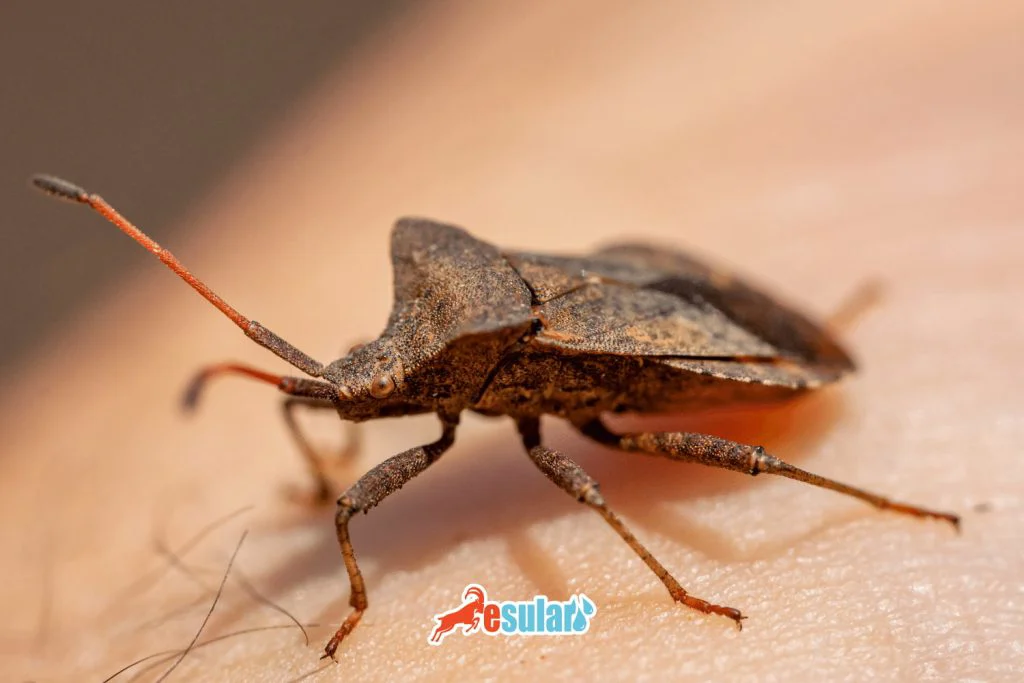
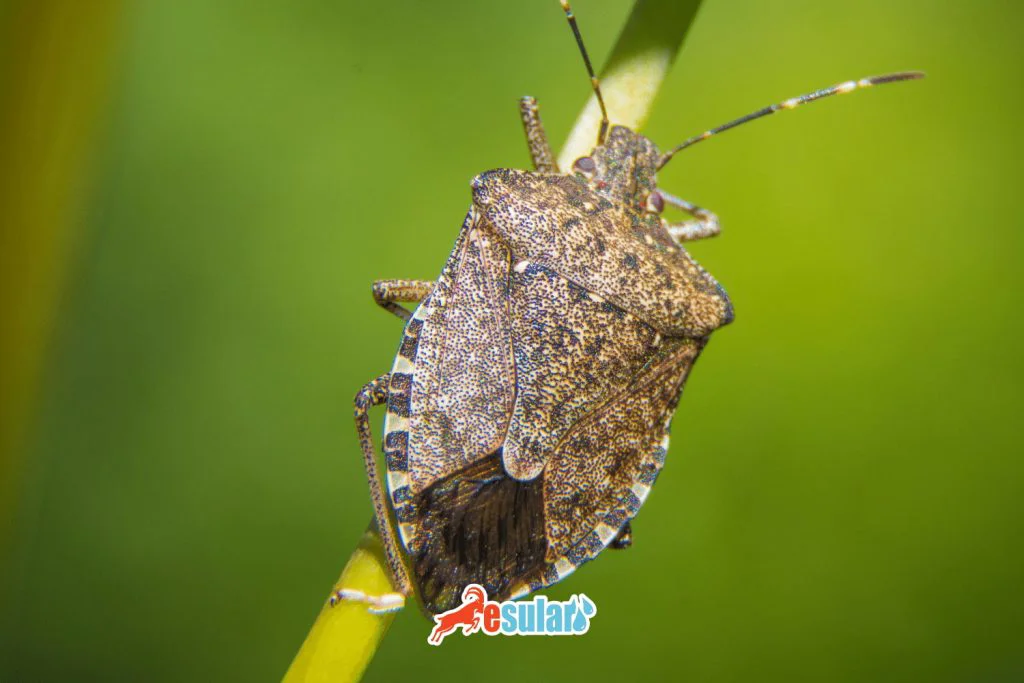
The sunn pest is an insect belonging to the Pentatomidae family, approximately 1 cm long, with a flat body. These pests, which are generally seen in soil color, can sometimes appear in black, reddish, off-white, or variegated colors. Its shell, which looks like a turtle when viewed from above, completely covers the insect's legs and can be easily recognized thanks to this feature. The sunn pest, whose size varies between 9-12 mm, has a piercing-sucking mouth structure and, due to its family, secretes its characteristic foul odor when disturbed. This smell is actually part of the insect's defense mechanism and is used to ward off its natural enemies.
The fact that the sunn pest is soil-colored is not coincidental; thanks to this camouflage color, it can easily hide in the fields and be protected from its natural enemies. It escapes from dangers by perceiving vibrations with the two antennae on its head. These antennae also play a critical role in the insect finding food sources and finding a mate during the breeding season. The flat structure of its body allows it to hold tightly to plants in windy weather, thus allowing it to continue feeding even in adverse weather conditions.
💡 Interesting Fact
The foul odor secreted by the sunn pest is not only for defense purposes. This smell can also trigger a collective escape behavior by giving a danger signal to other sunn pests. Research shows that this scent contains more than 50 different chemical components.
Life Cycle and Breeding Habits
The sunn pest gives one generation per year and its life cycle varies depending on climate conditions. Adult sunn pests, which spend the winter months in mountainous regions, especially under oak trees, among milkvetch plants, under plants such as hedgehog grass and thyme, or at the edges of pine forests, migrate from overwintering sites to cereal fields in April-May as the weather warms up. This migration movement occurs collectively and thousands of insects can move at the same time. The sunn pests that descend to the plain first start feeding and then enter the mating period.
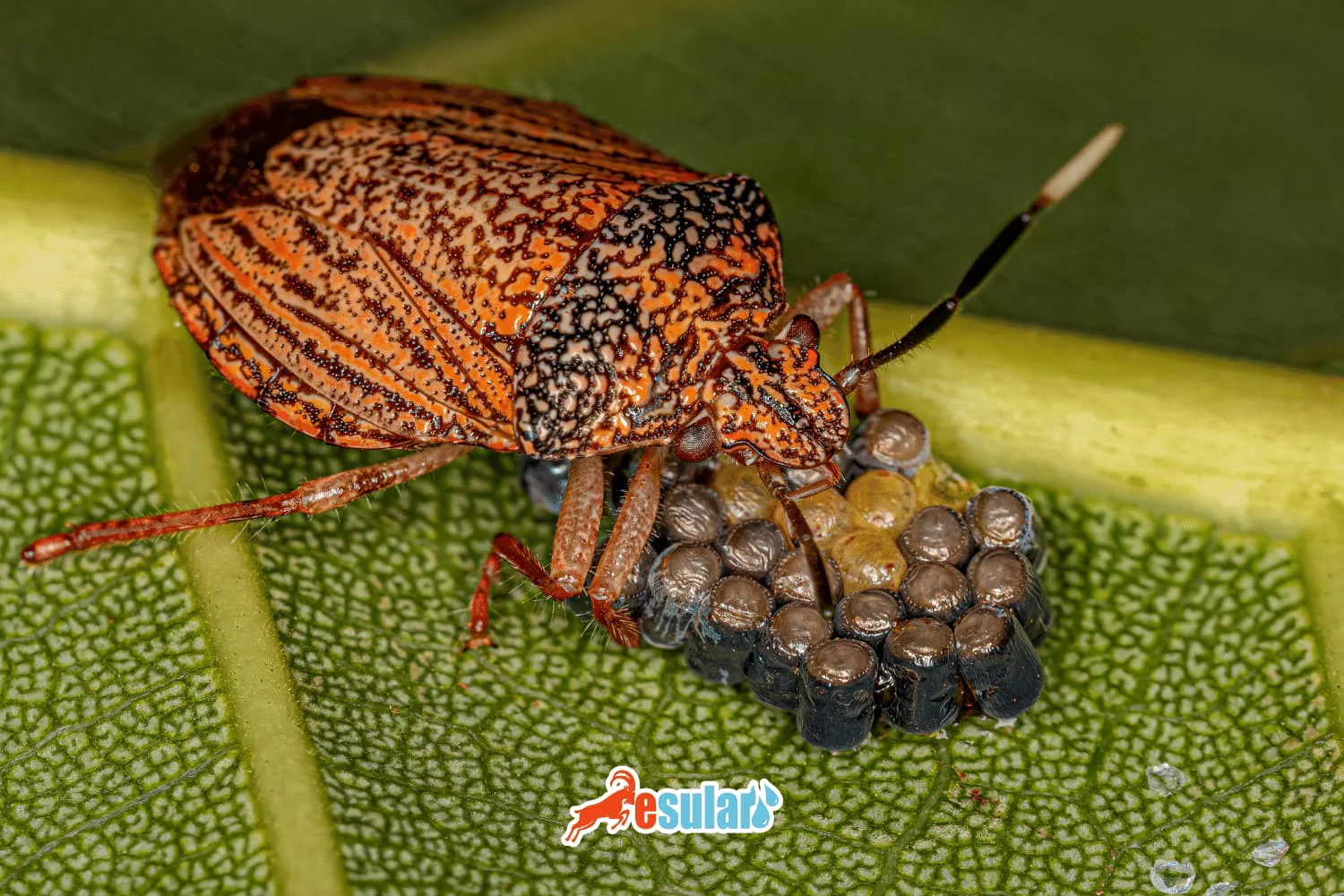
After mating, females lay eggs in groups of 12-14 on the lower surface of cereal leaves or on weeds. The eggs are initially bright green, but start to turn slightly black within 3-4 days. From the fifth day onwards, black spots appear on the eggs, followed by reddish anchor-shaped marks. These color changes indicate the development of the embryo inside the egg. After an incubation period of approximately 2-3 weeks, 1st stage nymphs emerge from the eggs. These nymphs molt a week later to become 2nd stage nymphs and start feeding on cereal spikes in the milk stage.
Nymph stages are the most critical development stages of the sunn pest. The insects, which go through a total of five nymph stages, molt and grow in size at each stage. Especially 4th and 5th stage nymphs are the periods that cause the most damage to the grains. Nymphs in these periods can consume several times their own weight in food per day. New generation sunn pests, which become adults in June-July, retreat back to overwintering sites after feeding on the ripening grains. Thus, the annual cycle is completed.
Damages Caused by Sunn Pest and Economic Impacts
The sunn pest damages cereals in three different periods and in different ways. Each of these damages leads to different economic losses and affects control strategies. The first type of damage, known as central shoot death or "kurtboğazı" damage, occurs in the stem part of cereals during the tillering stage. Overwintered adults feed by sucking the sap from places close to the root crown of the plant. In plants whose water and nutrient conduction is interrupted as a result of this feeding, the stems turn yellow and dry over time. This type of damage, which is common especially in the Southeastern Anatolia Region, can also be seen in Central Anatolia in some years. In severe central shoot death damage, large gaps occur in the field and yield can decrease by 30-40%.
The second type of damage, white head damage, appears during the heading stage. Overwintered adults or early stage nymphs feed from the stem part, just below the spike, cutting off water and nutrient conduction. In this case, the spikes cannot complete their normal development and take on a characteristic white color. White heads standing out among green heads are one of the most obvious indicators of sunn pest presence. White head damage can be seen in all cereal production regions, and in years when the overwintered adult population is high, yield losses can reach 50%.
The most critical type of damage is suction damage in the grain. 2nd-5th stage nymphs and new generation adults, feeding on soft grains in the milk stage, disrupt both the physical and chemical structure of the grains. The enzymes secreted by the sunn pest while feeding, especially protease and amylase enzymes, break down the gluten structure of the wheat. This situation completely destroys the bread-making quality of the flour. Flour obtained from damaged grains is suitable neither for bread nor for pasta making. The severity of suction damage in the grain varies depending on nymph density and climate conditions. Since grains harden rapidly in hot and dry weather, the damage decreases, while in mild and humid weather, the damage increases.
⚠️ Economic Loss Warning
In Turkey, the annual economic loss due to sunn pest damage can reach billions of liras. If control is not carried out, the damaged wheat can only be used as animal feed, and in this case, the market value of the product drops by 70-80%. The drop of one ton of wheat from bread quality to feed quality means a loss of thousands of liras per ton for the farmer.
Control Methods and Integrated Pest Management
Cultural Control Strategies
The most sustainable and environmentally friendly approach in combating sunn pest is cultural control methods. These methods aim to disrupt the pest's life cycle and reduce its reproductive success. The use of early and hard wheat varieties is one of the most effective cultural measures in sunn pest control. Thanks to these varieties, harvest can be completed before the maturation period of the nymphs, thus preventing the feeding of new generation adults. In addition, early sowing and not delaying the harvest are of critical importance in avoiding sunn pest damage. Weed control also plays an important role in keeping the sunn pest population under control; because weeds are used as both egg-laying sites and alternative food sources.
The implementation of polyculture farming systems is an effective strategy in reducing sunn pest density. Planting different crops in rotation instead of monoculture prevents the continuous increase of the sunn pest population. Avoiding stubble burning is critical for both soil health and the protection of natural enemies. Many beneficial insects and spiders living in stubble naturally control the sunn pest population. Keeping barley and wheat fields away from each other is also an important measure; because sunn pests that do not cause economic damage in barley can cause serious losses when they move to wheat fields.
Biological Control and Natural Enemies
The sunn pest has many enemies in nature, and the protection and support of these enemies is of critical importance in sustainable control. Among the egg parasitoids, the most effective ones are Trissolcus species. These small wasps lay their own eggs into sunn pest eggs, and the developing parasite larva prevents the development of the sunn pest by consuming the sunn pest egg from the inside. In some years, the natural parasitism rate can reach 90%, and in this case, chemical control is not necessary. Telenomus and Ooencyrtus species are also important egg parasitoids.
Birds, especially partridges and quails, play an important role in sunn pest control. A partridge can consume hundreds of sunn pests a day. Therefore, the presence of trees and shrubs at the field edges where birds can take shelter supports natural control. Spiders, beetles, and predatory insects also control the population by preying on sunn pest nymphs and adults. In addition, entomopathogenic fungi such as Beauveria bassiana and various Bacillus species can naturally suppress the sunn pest population. The effectiveness of these microorganisms varies depending on humidity and temperature conditions.
Principles of Chemical Control
🔬 Chemical Control Critical Points
Chemical control should be used as a last resort in combating sunn pest. The economic injury level determined by the Ministry of Agriculture and Forestry is 10 nymphs or more per square meter. The timing of spraying is of critical importance and should only be done during the period when 2nd stage nymphs reach 40-60% within the population. Spraying done outside this period is both ineffective and harms the natural balance. Combating overwintered adults is legally prohibited because spraying done during this period destroys natural enemies and leads to bigger problems in the following periods.
The choice of insecticides used in chemical control and the application technique are of great importance. The drugs to be used must be licensed by the Ministry and applied at recommended doses. Spraying hours are also critical; applications made in the early morning hours or in the cool weather of late afternoon are more effective. In addition, days with low wind speed should be preferred. Modern spraying techniques also include spraying with drones, and this method provides savings in time and labor, especially in large areas.
Sunn Pest Status in Turkey and Regional Differences
The sunn pest, which is seen in almost all cereal production regions of Turkey, shows different densities and damage rates according to regions. The Southeastern Anatolia Region is the region where sunn pest damage is most intensely seen. Especially in the provinces of Şanlıurfa, Diyarbakır, and Mardin, sunn pest control is carried out in wide wheat areas every year. In this region, the proximity of overwintering areas to the plain and the suitability of climate conditions for sunn pest development increase the density of the pest. The increase in irrigated areas with the activation of the GAP project has also caused an increase in the sunn pest population.
In the Central Anatolia Region, sunn pest is an important problem in the provinces of Konya, Ankara, Eskişehir, and Aksaray. In this region, where most of Turkey's wheat production is carried out, sunn pest control is carried out on millions of decares of land every year. In the Thrace Region, the sunn pest density is lower than in other regions, but population increase can be seen especially in dry years. In the Aegean and Mediterranean regions, sunn pest causes problems locally and chemical control is generally not needed.
In Turkey, which produces an average of 20-22 million tons of wheat annually, yield losses can reach 10-20%, and in some years 50%, when sunn pest control is not carried out. According to Ministry data, sunn pest control is carried out on approximately 2-3 million decares of land every year. The cost of this combat reaches hundreds of millions of liras annually. However, the loss that would occur if the combat is not carried out can reach tens of times the cost of the combat.
Modern Technologies and Sunn Pest Control
Today, technological developments are intensively utilized in sunn pest control. Drone technology has revolutionized both the monitoring of the sunn pest population and spraying applications. Drones equipped with thermal cameras can detect sunn pest overwintering sites and predict the time of descent to the plain. Multispectral cameras, on the other hand, provide the opportunity for timely intervention by detecting areas damaged by sunn pest early. Satellite imaging systems allow for simultaneous monitoring of large areas and are used in mapping the regional distribution of sunn pest damage.
Prediction-warning systems have been developed using climate data and sunn pest biology information. These systems predict the development stages of the sunn pest with temperature sum models and provide information to farmers about the optimum control time. Smart traps and pheromone traps are used in monitoring the sunn pest population. The data obtained from these traps are transferred to a central system to create real-time population maps. Through mobile applications, farmers can report the sunn pest status in their fields and receive instant support from experts.
🌾 Efficiency with Smart Farming Technologies
In modern agriculture, combating pests becomes more effective with technological solutions. With IoT sensors, automation systems, and AI-supported prediction models, you can monitor your field 24/7 and instantly detect changes in pest populations. Thanks to precision farming applications, you can both save costs and protect the environment by intervening only in necessary areas. You can discover ways to conduct sustainable and profitable farming with the smart farming technologies offered by Esular.
Integrated Pest Management and Future Perspective
In modern agriculture, the Integrated Pest Management (IPM) approach should be adopted in combating sunn pest. This approach aims to use different control methods in a harmonious way and to cause minimum damage to the environment. The first step of the IPM strategy is regular monitoring and prediction. The status of the sunn pest population is continuously monitored using field checks, trap data, and climate information. The second step is preventive measures; cultural measures such as the use of resistant varieties, adjustment of sowing time, and field hygiene are primarily implemented.
Biological control constitutes the third pillar of IPM. Ecological corridors are created at field edges to protect and support natural enemies, and pesticide use is minimized. Chemical control is applied as a last resort, only when the economic injury level is exceeded and other methods are insufficient. The use of selective insecticides is important in protecting natural enemies. In the future, biotechnological methods, RNA interference technology, and genetically modified resistant varieties may open new horizons in sunn pest control.
Practical Recommendations for Farmers and Things to Consider
For a successful struggle against sunn pest, there are many points that our farmers should pay attention to. First of all, field checks should be done regularly, and the field should be visited at least once a week, especially in the April-June period. During checks, not only the edges of the field but also the inner parts must be examined. Ministry warnings should be followed closely, and announcements from Provincial/District Directorates regarding sunn pest should be taken into account. Unnecessary and untimely spraying should absolutely not be done; this causes both economic loss and environmental pollution.
To protect natural enemies, stubble should not be burned, and wild plants at the field edges should not be completely cleared. Cooperation should be made with neighboring farmers, and collective combat should be organized; because a struggle carried out alone may remain ineffective due to sunn pests coming from neighboring fields. Harvest timing is critical, delaying the harvest increases sunn pest damage. Attention should be paid to product storage conditions; since sunn pest damage can increase in humid and hot environments, products should be stored under appropriate conditions. Care should be taken in seed selection for the new planting period, and early and resistant varieties should be preferred.
Conclusion and Evaluation
The sunn pest continues to be one of the most important pests encountered in Turkey's cereal production. However, with the struggle carried out at the right time and with the right methods, its damage can be reduced to a minimum level. With cultural measures, biological control, and controlled chemical applications when necessary, the sunn pest population can be kept below the economic injury level. The integration of modern technologies into agriculture offers new opportunities in sunn pest control. Precision farming applications, drone technology, and AI-supported prediction systems increase the effectiveness of the struggle.
It should not be forgotten that the most important factor in combating sunn pest is timing. Early diagnosis and timely intervention are the keys to minimizing damage. By following the warnings of the Provincial/District Directorates of Agriculture and avoiding unnecessary spraying, you can both protect nature and prevent economic losses. The adoption of sustainable agricultural practices is of critical importance for both today's and the future's agricultural production. With the integrated pest management approach, the sunn pest problem can be kept under control and quality cereal production can be sustained.
Warning: The information in this article is for general information purposes. For sunn pest control, be sure to follow the recommendations of your Provincial/District Directorates of Agriculture and seek support from professional agricultural consultants.