What is a Greenhouse?
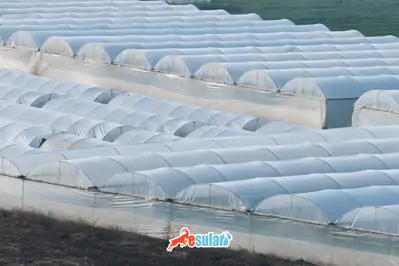
A greenhouse is a closed structure used to optimize the growth and development conditions of plants. This structure is generally formed by covering it with glass or plastic materials. Plants inside the greenhouse warm up by being exposed to sunlight, and the temperature level can be controlled. At the same time, humidity, irrigation, ventilation, and other growth factors are also regulated in a controlled manner.
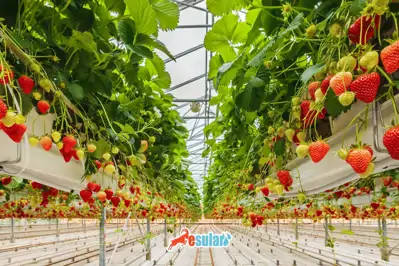
The purpose of using greenhouses is diverse. These structures are used to extend the plant growing season, produce off-season, protect sensitive plants, or achieve a higher yield. In the agricultural sector, greenhouses are widely used particularly in vegetable and fruit production, floriculture, ornamental plant cultivation, and research studies.
Greenhouses allow plant cultivation independent of external environmental conditions and therefore enable the continuation of agricultural activities even in regions where climate conditions are difficult. With these advantages, greenhouses have become an important part of modern agricultural practices.
What is Greenhouse Cultivation?
Greenhouse cultivation refers to the agricultural practice carried out in specially designed greenhouses or similar closed areas for the purpose of growing plants in a more controllable environment. Greenhouse cultivation is performed in an environment where plants are less affected by external factors (weather conditions, pests, diseases) and factors such as temperature, humidity, and light can be controlled.
With this method, the characteristics of the environment where plants are grown can be optimized, and the possibility of off-season production can be provided. Greenhouse cultivation is especially preferred in regions where climate conditions are difficult or in cases where plant species are sensitive. Additionally, thanks to greenhouse cultivation, the plant growing process is kept under tighter control, aiming for an increase in yield and quality.
Greenhouse cultivation is generally used in the cultivation of products such as vegetables, fruits, flowers, and ornamental plants. Modern greenhouse cultivation methods are constantly renewed with technological developments and play an important role in the agricultural industry.
Benefits of Greenhouses
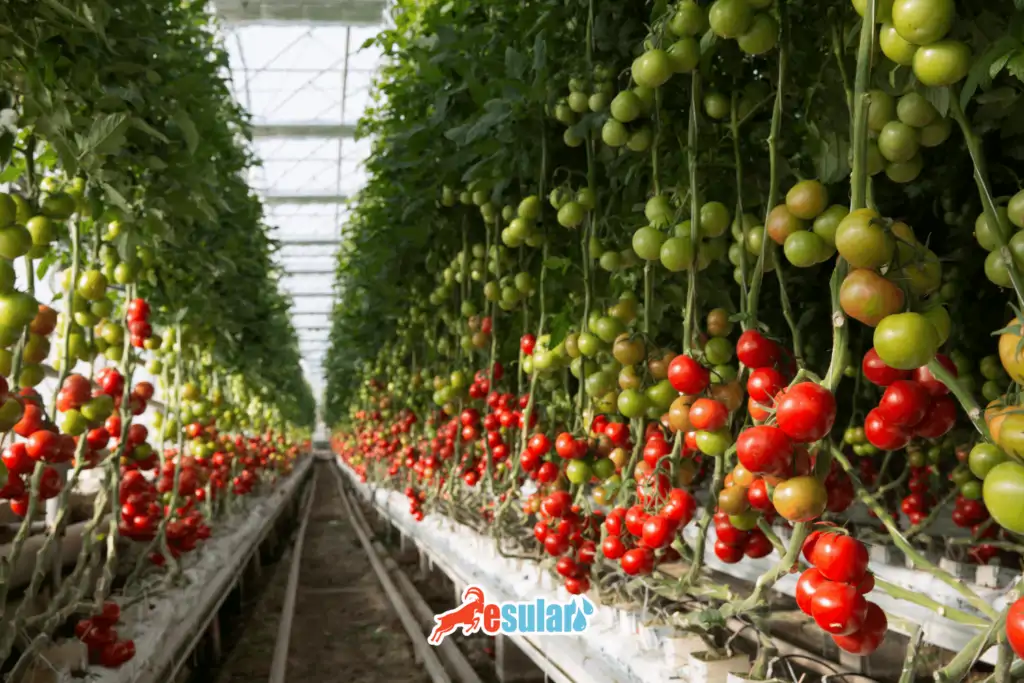
In the region where greenhouses are established, vegetable and fruit plants that normally grow limitedly find the opportunity to obtain early-season products by being grown under glass or plastic covers. Among the advantages provided by greenhouses, a significant progress in greenhouse vegetable and fruit cultivation takes place. Many vegetables and fruits that previously grew only at certain times and under natural conditions have become producible in earlier periods in greenhouses thanks to developing technology. This situation has both increased efficiency and raised product quality in vegetable and fruit production. The controlled environment provided by greenhouses makes it possible to optimize the heat, humidity, and other growth conditions needed by plants, ensuring a more predictable and effective process in agricultural production.
Factors Affecting Greenhouse Type
There are a number of factors that are effective in the planning and installation of greenhouses. Failure to consider these factors can cause various difficulties during the production stage and can cause damages that are difficult to compensate for.
Purpose of Using the Greenhouse: The purpose of using the greenhouse is determined depending on factors such as providing economic benefit, evaluating leisure time, conducting research, displaying plants, or education. While economic-purpose greenhouses are generally preferred by large enterprises, greenhouses established for other purposes may be preferred by smaller enterprises.
Size Needed in the Greenhouse: The size of greenhouse units depends on the number of personnel working in the enterprise and the variety of products grown. The amount of tools and equipment to be used in the enterprise is also a factor affecting the size.
Climate Conditions of the Location: The climate conditions of the region where the greenhouse will be established are an important factor in determining the type of greenhouse. Factors such as temperature, wind, amount of precipitation, and sunshine duration affect the design of the greenhouse.
Topographical and Ecological Characteristics of the Greenhouse Location: Characteristics such as the topographical structure of the location, the slope, and the direction of the land affect the type of greenhouse. Different types of greenhouses may be more suitable in flat areas and different types in sloping lands.
Financial Strength of the Enterprise: Greenhouse construction requires a significant cost. The financial strength of the enterprise is effective in deciding the materials and technology to be used.
Tool and Equipment Possibilities of the Enterprise: Labor costs in greenhouses depend on the tool and equipment possibilities of the enterprise. In enterprises supported by machines, labor costs are generally lower.
Future Changes and Developments: When choosing a greenhouse type, plant species that may be grown in the future and the expansion possibilities of the enterprise should be considered.
Owner's Preference: The knowledge, culture, aesthetic preferences, and experiences of the business owner are effective in determining the greenhouse type. The greenhouse owner's preference is usually based on other greenhouses they have observed.
Planning to be made by considering these factors can enable greenhouse enterprises to be more effective and efficient.
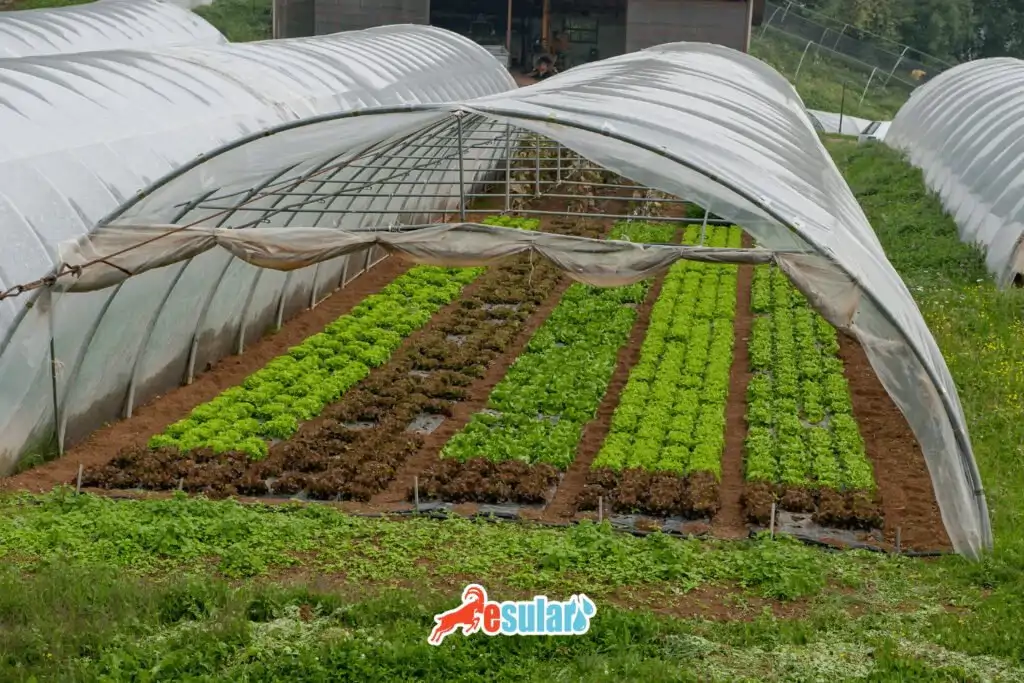
Greenhouse Types
Greenhouse enterprises should consider a series of basic principles during the selection, planning, and establishment stages of greenhouses. Aesthetic integrity should contribute to a look compatible with other structures within the agricultural enterprise. At the same time, it is important to provide appropriate environmental conditions for the healthy growth of plants inside the greenhouse and to achieve maximum yield. The size and suitability of the area where the greenhouses will be located should be selected by considering the future greenhouse activities of the enterprise. Sections and structures within the greenhouse should support the efficient use of labor. Durable materials and aesthetic designs contribute to greenhouses being long-lasting, robust, and attractive. Greenhouses are generally classified according to criteria such as size, establishment characteristics, utilization status, mobility, cover materials, skeleton structure, roof shape, and internal temperatures. These factors help greenhouse enterprises choose the appropriate greenhouse type according to their needs and goals.
Greenhouses are generally classified according to the following criteria:
- Greenhouses according to their size
- Greenhouses according to their establishment characteristics
- Greenhouses according to their utilization status
- Greenhouses according to their mobility status
- Greenhouses according to their cover materials
- Greenhouses according to their skeleton status
- Greenhouses according to their roof shapes
- Greenhouses according to their internal temperatures