A pheromone trap is an effective biotechnical control method used to monitor and keep harmful insect populations under control in agricultural areas. Especially preferred in greenhouse and open agricultural areas, these traps contain special pheromones (chemical substances that regulate social relations between members of the same species) that attract the target pest and provide effective monitoring without harming the environment. Thanks to the pheromone trap, producers can detect pest density at an early stage and intervene in a timely manner, protecting both the environment and reducing production costs by preventing unnecessary pesticide use. In this article, we will discuss in detail the working principle of pheromone traps, their areas of use, and the advantages they provide in agricultural production.
How Does a Pheromone Trap Work?
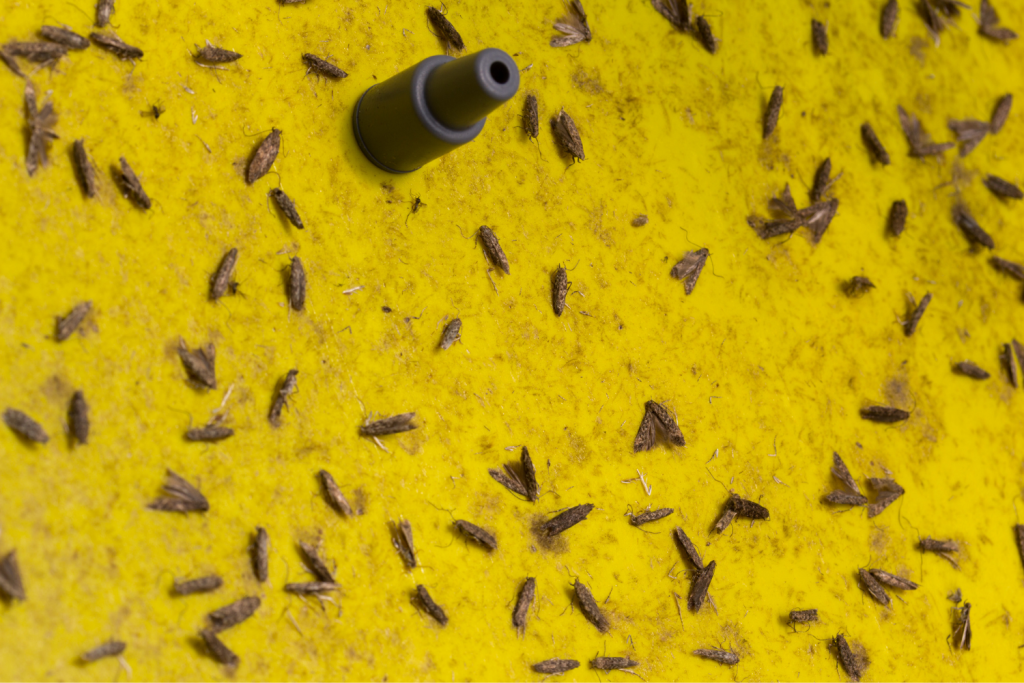
The structure of this trap usually contains special pheromones that attract insects. These pheromones attract insects to the trap by mimicking the natural mating signals of the target pest. Insects entering the trap cannot get out by getting caught on the sticky surface or the mechanical structure. Thus, it serves as an early warning system and offers an environmentally friendly control method by reducing chemical use. It is a reliable tool for obtaining information about the type and density of pests, especially in greenhouse and open field agriculture.
For Which Pests are Pheromones Used?
Pheromone traps are customized specifically using pheromones unique to the type of target pest. In this way, it effectively attracts only certain species. Among the most common areas of use are insect species that cause serious damage in agriculture, such as the Mediterranean fruit fly (Ceratitis capitata), grapevine moth, cotton leafworm, codling moth, and tomato leafminer (Tuta absoluta). These traps are used to combat pests during high population periods and provide a great advantage to the producer for observation and intervention in the early period.
How to Set Up a Pheromone Trap?
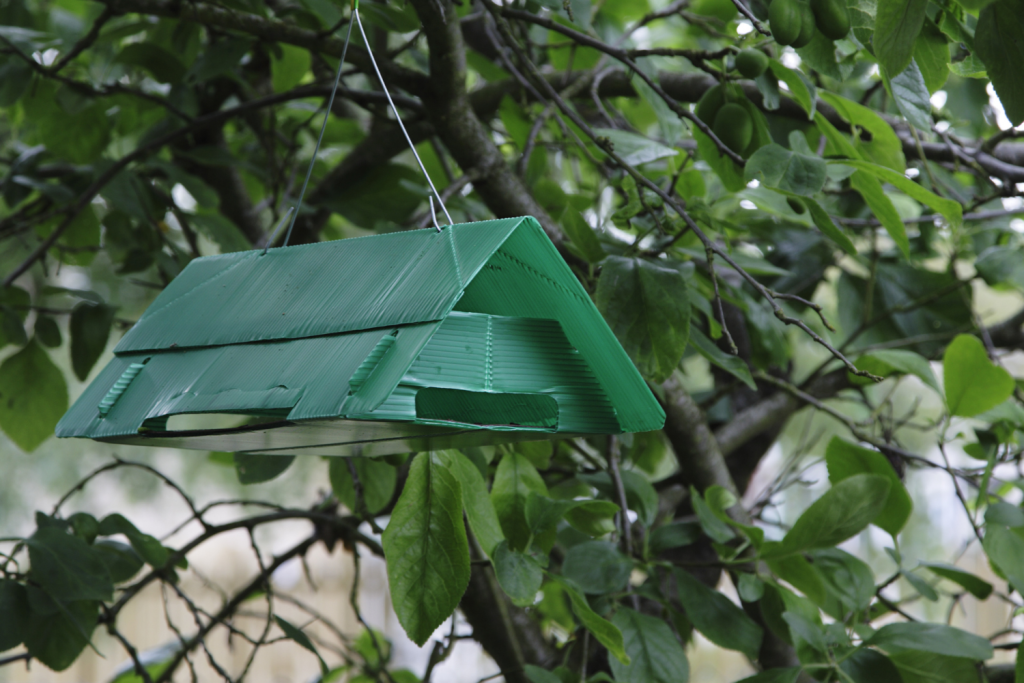
For trap installation; a pheromone capsule, trap body, sticky surface or liquid reservoir, and hanging apparatus are required. The pheromone capsule is placed in the center of the trap without being touched by hand, then the trap is completed by adding a sticky card or liquid compartment. After installation, traps should be placed in areas where the pest is dense, windless, and does not receive direct sunlight. For effective results, weekly checks should be made and pheromones should be renewed at regular intervals. In this way, the pest population is tracked correctly and the opportunity for timely intervention is provided.