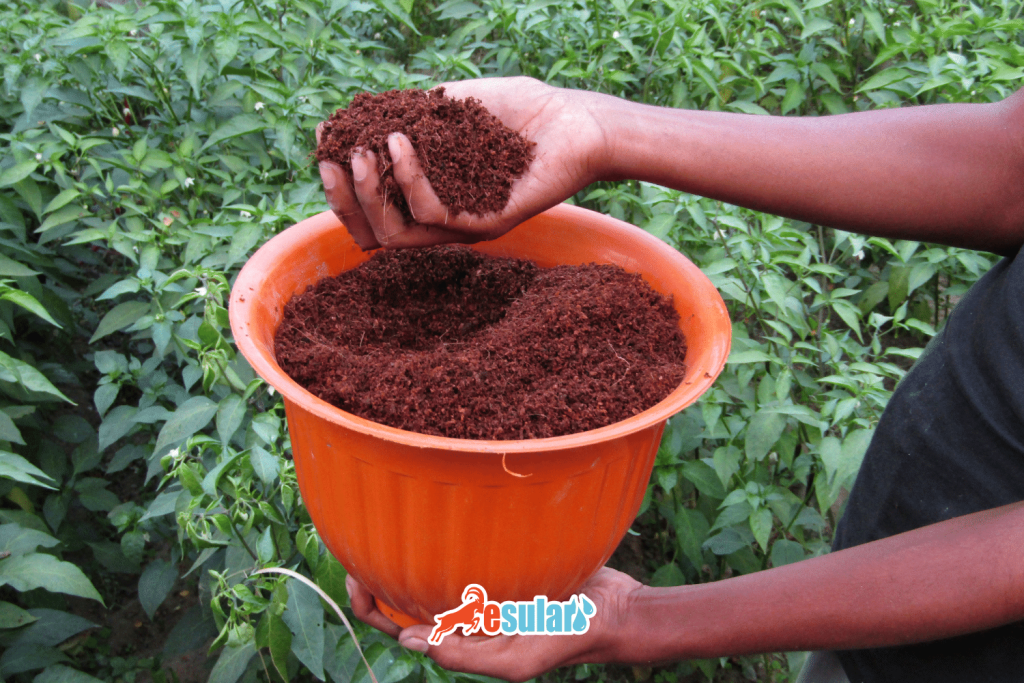
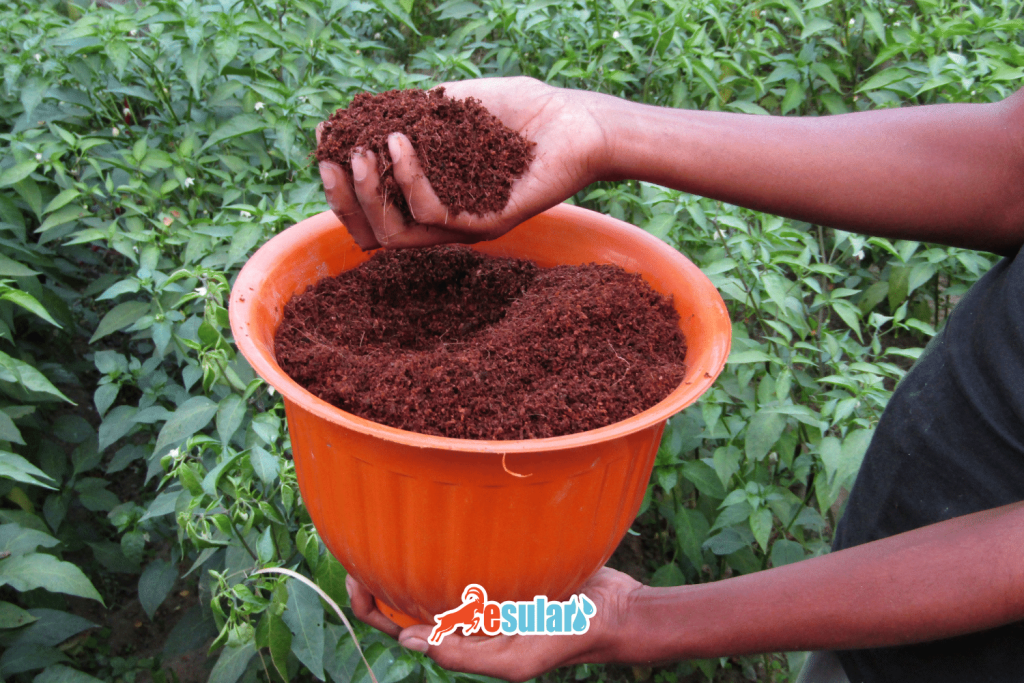
Cocopeat is a soil alternative obtained by processing and compressing coconut husks and presented in blocks. This material, used in agricultural and landscaping applications, has a high water-holding capacity like peat. While helping the root systems of plants to be fed effectively, it also ensures that the roots are well-aerated. The price of this product, which is generally imported to our country, is slightly higher. Cocopeat, produced using coconut fibers, offers an organic growth environment for plants. Produced in countries where coconuts are abundant, such as Sri Lanka, the Philippines, Thailand, and Indonesia, cocopeat is obtained from dried husks, and its long fibers are suitable for industrial use. The swelling of cocopeat by absorbing water provides effective drainage for plants; high-quality cocopeats can expand up to nine times when they come into contact with water. With these advantages, cocopeat is a frequently preferred material in landscaping works as well.
What Does Cocopeat Do?
Cocopeat is used in seed sowing, cutting production, and potting processes. It is known for its ability to absorb water and nutrients up to nine times its own weight. Its special structure is designed to provide optimum rooting and growth conditions. It provides savings in irrigation, fertilization, time, and labor. Cocopeat is a material used in soilless farming and landscaping works. Its functions are as follows:
Water Holding Capacity: Cocopeat has a high water-holding capacity, which provides regular and effective irrigation to plants.
Drainage: It prevents plant roots from being damaged due to overwatering. It provides good drainage.
Root Development: It encourages root development of plants and helps them create a healthy root system.
Nutrient Retention: Cocopeat has the capacity to hold nutrients necessary for plants, thus contributing to plant nutrition.
Lightness: It has a lightweight structure, which provides ease of transport and use.
Organic Farming: Being a natural material, it is preferred in organic farming applications.
Longevity: It is a long-lasting material and can be used in many production seasons.
Fungus and Decay Control: It prevents fungus formation and inhibits decay.
Cocopeat is a widely used material to improve plant growing environments and increase productivity.
Where is Cocopeat Used?
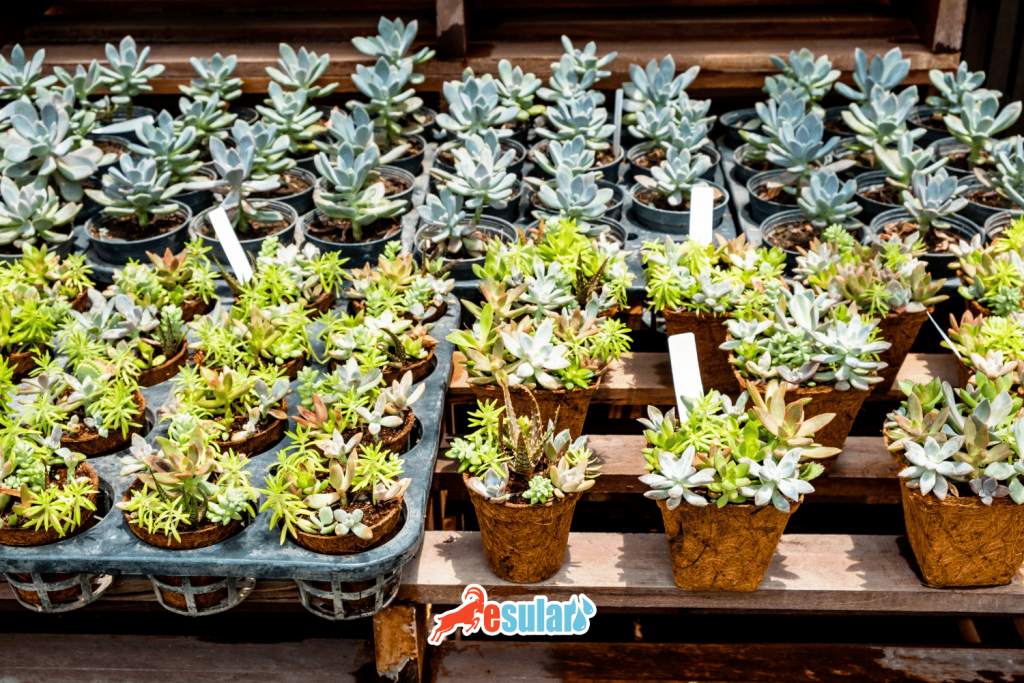
Cocopeats are versatile materials that can be used in many areas from agriculture to landscaping. From growing your plants in pots to producing seedlings from cuttings, and from greenhouses to mushroom cultivation, you can use cocopeats in various areas of agriculture. This type of soil contributes to the healthier growth of your plants by providing them with a clean growing environment. Soilless farming applications frequently prefer cocopeat. This product, which prevents fungus formation and decay, provides many nutrients that your plants need. Cocopeats offer an ideal growing environment by facilitating the rooting of plants with their ability to absorb water up to nine times their dry weight. While producing your plants using this material, you can prevent excessive water use and also save on fertilizer and time. Cocopeat, which is more economical than other types of peat, is a long-lasting solution.
How is Cocopeat Made?
Cocopeat, frequently used in soilless farming, is a natural substrate produced from coconut husks and fibers. While the natural value of this organic material varies between 5.5 and 6.4, the natural electrical conductivity (EC) value is generally between 1.5 and 3 on the market.Cocopeat is a soil alternative obtained by processing and compressing coconut husks. Cocopeat production includes the following steps:
After the coconut is harvested, its husks are separated.
The husks are placed in water and expected to swell; during this process, various minerals such as calcium are added to the water.
After the swollen husks are removed from the water, they are left to dry.
They are then sent to machines and separated into small pieces.
These pieces are passed through a sieve, and those that are not small enough are separated.
The long fibers remaining on the sieve can be shredded and reused.
Coconut husks are then dried in the sun or in an oven.
The dried cocopeats are compressed into blocks.
When cocopeats are to be used, they are wetted with water to allow them to swell and open up.
Cocopeat is a material widely used especially in soilless farming applications, seedling cultivation, and landscaping works.
In Which Plants is Cocopeat Used?
It is a material used in the cultivation of ornamental plants, cut flower production, and the cultivation of many plants such as tomatoes, cucumbers, strawberries, and peppers.
What is the Lifespan of Cocopeat?
Having a long service life ranging from 3 to 5 years depends on your ability to use cocopeat efficiently. However, situations such as overwatering and lack of maintenance can shorten its life and harm the plants.
What are the Advantages of Cocopeat?
Being sold compressed in blocks provides convenience during transportation and takes up little space.
Transportation costs are low, which makes it possible to make an economical choice.
Water holding capacities are high and there is sufficient oxygen within the cocopeat.
Since it is a product that can be easily compressed, its production is also simple.
They do not require chemical processing.
They can maintain air and water balance for long periods.
They have high lignin and cellulose content.
They can be sterilized.
The initial cost may be high, but they are an economical solution because they are used repeatedly.
They can be used for many years and their decay times are long.
Since they are used repeatedly, they do not create a waste problem.
They have high drainage capacity.
They can increase the amount of organic matter when mixed with soil.
They are especially preferred in soilless farming applications and create an effective substrate.
Since the use of cocopeat is an organic alternative to field soil, it provides the highest level of protection from soil-borne diseases and pests, which is one of the most important advantages of soilless farming.
What Should Be Considered When Buying Cocopeat?
What you should consider when choosing cocopeat are these:
Buying cocopeat compressed in blocks provides convenience during transportation and can be more economical financially.
It is important to prefer blocks with a homogeneous appearance. Care should be taken that there are no extra small or large fiber pieces inside the blocks.
Care should be taken that the fibers in the blocks are almost the same size as each other when kept in water.
The inside of the blocks should be filled with fibers, not dust. For this reason, it should be noted that the cocopeat blocks are sieved.
It is important that the blocks you buy are moist.