Digital Agriculture is the use of digital technologies in agricultural production activities and increasing yield in production thanks to these technologies. Many different technologies are used within this process. It is possible to use digital agriculture technologies in all processes such as plant development, irrigation, fertilization, and climate monitoring. Actually, digital agriculture technologies have been in our lives for a very long time. However, with developing technologies, it has become even more important today.
Digital agriculture technologies are frequently used in agricultural fields, greenhouses, vertical farming areas, and soilless farming technologies.
Main Digital agriculture technologies;
Soil Analysis Systems
Climate Stations
Monitoring with Sensors
Smart Irrigation Systems
Smart Fertilization Systems
Vertical Farming and Soilless Farming Systems
Soil Analysis Systems
The important point of digital agriculture passes through knowing the soil and the plant. At the beginning of the most important points for this comes knowing the soil and the plant. To know and understand the soil, it is necessary to have soil analyses done. Soil analysis results both allow choosing the best plant type to be planted in the region and provide very important results for performing fertilization and irrigation processes more healthily after planting.
Soil analysis, which is an important stage of digital agriculture, can be done continuously with various sensors placed in the field and IoT technology, as well as in analysis devices or laboratories. Although laboratory analyses always give better results, it is beneficial to use IoT measurement techniques to better follow continuous monitoring and instantaneous changes.
Climate Stations
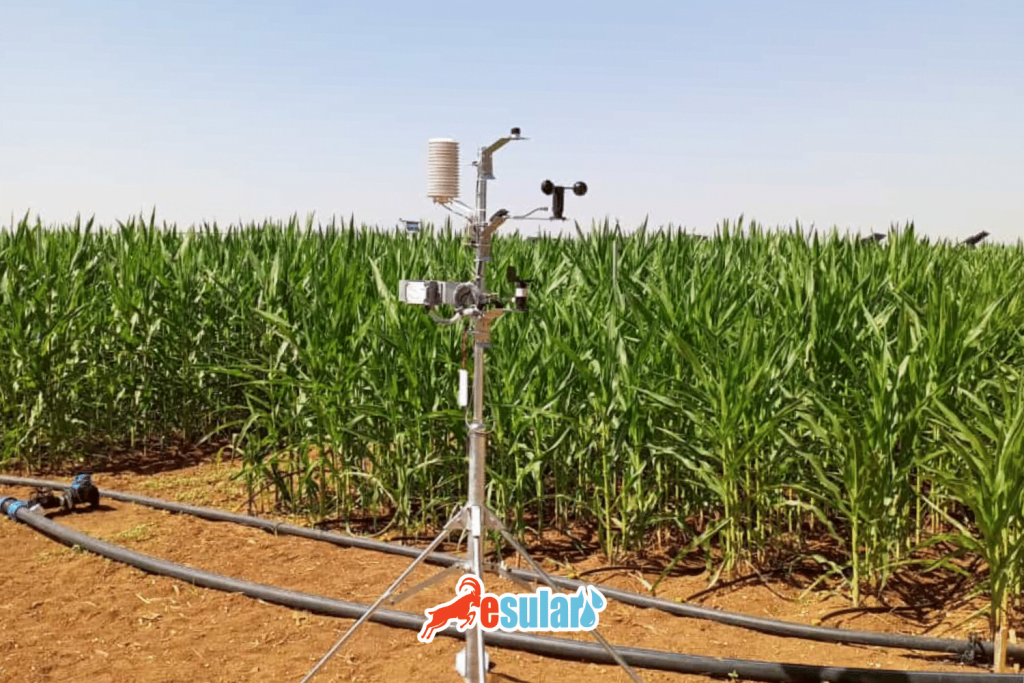
We can say that climate stations are among the sine qua non of agriculture and efficient production. In productions made in open agricultural areas, both predicting climatic changes and following the climate conditions the plant is exposed to are very important in plant production. Thanks to climate stations, many measurements such as predicting the water need of the plant, measuring eto and etc values, calculating dew points, measuring the cold weather conditions the plant is exposed to, and tracking soil moisture values can be done easily.
You can get more information about climate stations from our article below.
Monitoring with Sensors
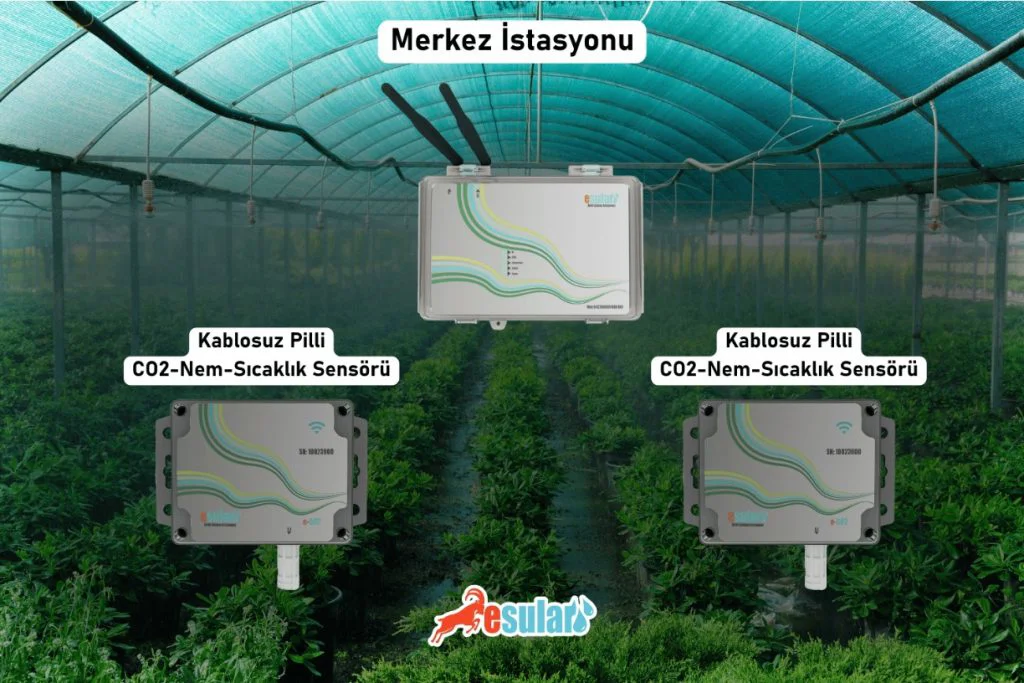
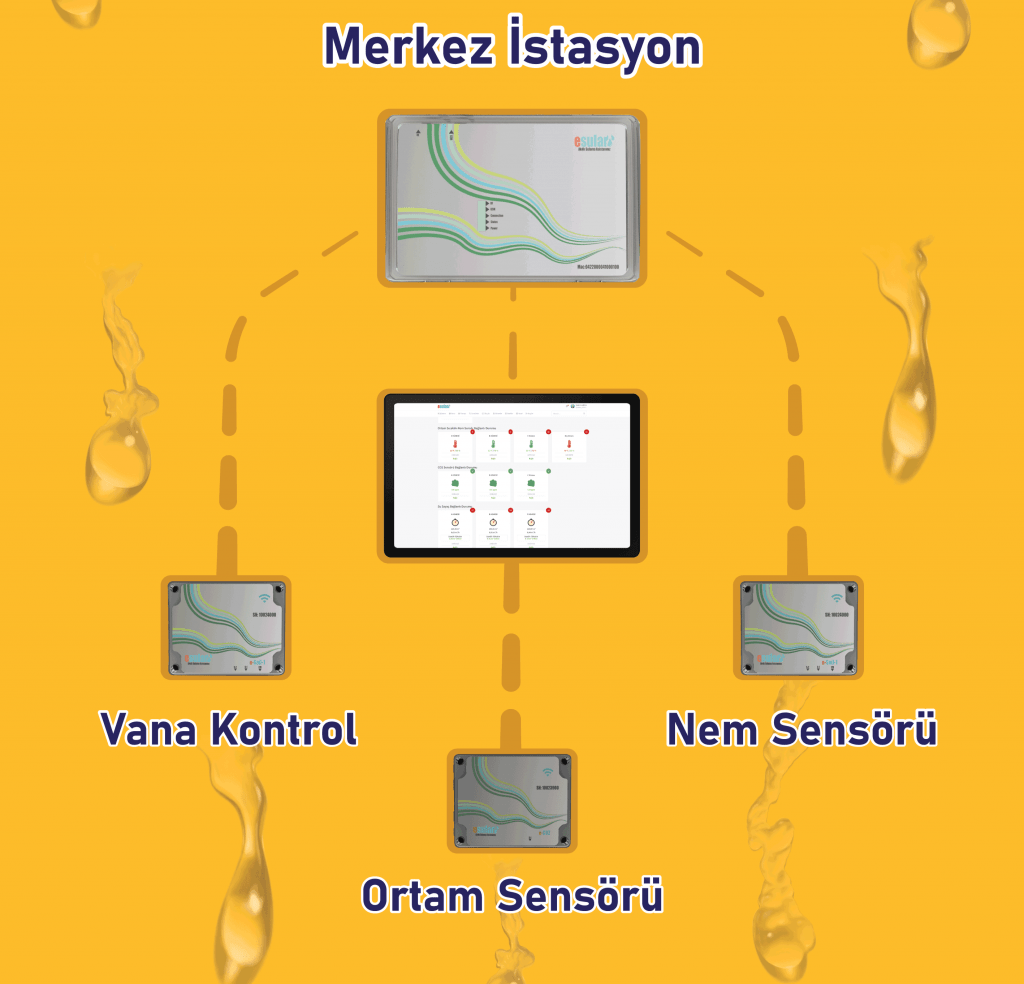
We can say that the most important points in digital agriculture technologies are monitoring the entire process. The use of sensors is very important both for tracking sensor data and for performing autonomous operations with the help of sensor data. The remote monitoring of sensors, recording of data, and processing of this data through computer systems makes it possible to provide yield increase, less water, fertilizer, and pesticide use. Again, thanks to early warning systems to be established with sensors, plant loss and yield loss are prevented.
Smart Irrigation Systems
Smart irrigation systems are also among the important elements of digital agriculture. Irrigation holds an important place in plant production. More precisely, it is not very easy to realize plant production without water. For this reason, the need for digital agriculture technologies in irrigation processes has also increased.
With the widespread use of drip irrigation systems, limited access to and duration of water, and increasing water costs, the need for better water management systems has increased. At this stage, the necessity of better control of valves, pumps, and fertilization systems is increasing. You can examine the technologies we offer as esular from the link below.
Smart Fertilization Systems
Smart Fertilization Systems are revolutionizing the way fertilizers are applied in agricultural applications. By integrating advanced technology and data-driven algorithms, these systems optimize the fertilization process to meet the specific needs of plants and minimize waste and environmental impact. Thanks to precise control of fertilizer application rates, timing, and distribution, smart fertilization systems ensure that plants receive the nutrients required for healthy growth, which increases yield and improves crop quality. With features such as remote monitoring and automatic adjustments, farmers can efficiently manage fertilization activities and make informed decisions to increase overall agricultural productivity.
Smart and Automatic fertilization systems ensure the mixture of fertilizer and water, delivering as much fertilizer as the plant needs to the plant. Especially with the widespread use of liquid fertilizer and the development of soilless farming applications, its need has begun to increase more. Here, the aim is to perform the process of injecting fertilizer into the system automatically.
Smart and Automatic Fertilization Working Principle:
It dosages various fertilizers and acids in the mixing tank as a homogeneous solution and injects them into the irrigation water main line. The suction of fertilizer and acid in the dosing channels is based on the venturi principle. This is based on the principle of differentiating the pressure existing in the main line. It can be designed in 3+1, 4+1, 5+1 forms according to need.
Vertical Farming and Soilless Farming Systems
Vertical farming and soilless farming systems are innovative agricultural techniques that offer effective and sustainable solutions to the challenges faced by modern agriculture. By using vertical areas and thanks to soilless farming, these methods maximize crop yield, provide water savings, and reduce environmental impact. These systems, which have the potential to revolutionize food production, represent promising approaches to meeting the demands of a rapidly changing world. You can reach more detailed information from the link below.