Tüm Yazılar
 One of the most important factors affecting success in agricultural production is understanding the natural cycles of plants and developing management strategies suitable for these cycles. The most critical of these cycles is the dormancy period. So, what exactly is dormancy and how can it be tracked with modern technology?
 Esular is Turkey’s leading smart agricultural technologies brand. In addition to the Climate-Meteorology Station, we offer many solutions that facilitate agricultural production:
Important Note: Climate-Meteorology Station prices mentioned in this article are the list prices as of the publication date, October 2025. For current prices and campaigns, please visit esular.com or contact our sales team.
Related Content:
Esular is Turkey’s leading smart agricultural technologies brand. In addition to the Climate-Meteorology Station, we offer many solutions that facilitate agricultural production:
Important Note: Climate-Meteorology Station prices mentioned in this article are the list prices as of the publication date, October 2025. For current prices and campaigns, please visit esular.com or contact our sales team.
Related Content:
What is Dormancy? Can it be Tracked with a Meteorology Station?
One of the most important factors affecting success in agricultural production is understanding the natural cycles of plants and developing management strategies suitable for these cycles. The most critical of these cycles is the dormancy period. So, what exactly is dormancy and how can it be tracked with modern technology?
What is Dormancy?
Dormancy is a state of rest that plants enter to protect themselves from unfavorable environmental conditions by temporarily stopping their growth and development. This process is one of the survival mechanisms of plants and is triggered by a combination of genetic structure and environmental factors. In simple terms, dormancy is the plant's “hibernation” or “rest mode”. During this period, metabolic activities slow down, growth stops, and the plant tries to survive harsh conditions by conserving its energy.Why is Dormancy Important?
The dormancy period is of vital importance, especially for fruit trees and perennial plants. Thanks to this period: First of all, plants can safely pass through the cold winter months. Additionally, it allows for energy accumulation for strong and productive growth in the spring. Furthermore, tissue damage caused by frost is minimized. As a result, the quality of flowering and fruiting increases significantly.Types of Dormancy
Dormancy in plants is divided into two main categories:1. Innate (Endodormancy)
This type of dormancy occurs as a result of the plant's genetic programming. For example, fruit trees such as apple, peach, and walnut must enter dormancy for a certain period every year. Significant changes occur during this process. First, there is a specific chilling hour requirement (for example, 800-1000 hours). Additionally, hormone balances change and buds are covered with protective scales.2. Environmental (Ecodormancy)
In this type of dormancy, which occurs under the influence of external conditions, the plant stops growth due to unsuitable environmental conditions. For example, water stress is seen during drought periods. Similarly, heat stress can occur at extreme temperatures. Besides this, nutritional stress also emerges in nutrient deficiencies.
Factors Affecting Dormancy
There are many factors that trigger and terminate the dormancy process. We can list these factors as follows: Temperature: First of all, low temperatures trigger the entry into dormancy. In contrast, mild weather conditions initiate awakening. Especially, temperatures between 0-7°C are of critical importance for most fruit trees. Day Length: Similarly, shortening days in autumn accelerate the entry into dormancy. However, lengthening days in spring trigger awakening. Humidity Rate: Additionally, sufficient humidity is necessary for a strong awakening after dormancy. On the other hand, even if plants enter dormancy in drought conditions, they may not awaken without humidity. Hormones: Finally, abscisic acid (ABA) causes dormancy, while gibberellins and cytokinins support awakening.How to Track Dormancy with a Meteorology Station?
Thanks to modern agricultural technologies, it is now much easier to track the dormancy process with scientific data. , offers significant advantages to farmers in this regard.The Role of the Meteorology Station in Dormancy Tracking
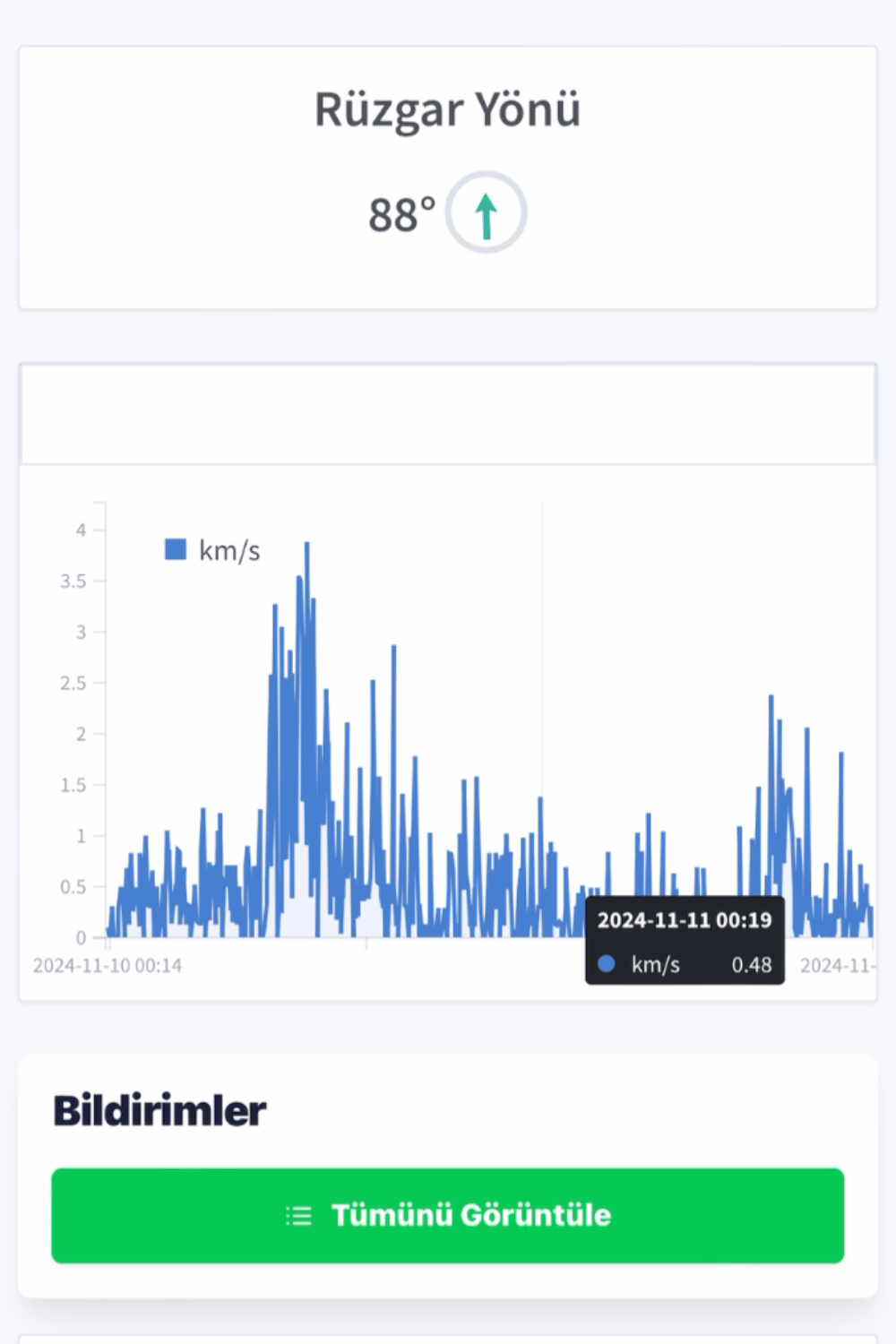
Climate stations provide valuable data by continuously monitoring parameters critical for dormancy. Thanks to this data, dormancy management becomes much more effective: Chilling Hour Tracking: First of all, fruit trees need to stay in cold conditions for a certain period to emerge from dormancy. Therefore, the Esular meteorology station calculates the total of temperatures between 0-7°C and presents it. Thus, you can see how much of the tree's dormancy requirement has been met. Additionally, you can detect the risk of early or late awakening in advance and better predict the flowering time. Temperature Monitoring: Besides this, you can detect frost risk in advance with instant, minimum, and maximum temperature data. Furthermore, you can predict the opening time of buds and take precautions against late frost damage. Humidity Tracking: Similarly, you control the humidity conditions necessary for awakening after dormancy by measuring the relative humidity rate. At the same time, you can evaluate the risk of disease and optimize your irrigation strategy. Precipitation Measurement: Finally, you can understand soil moisture reserves by tracking winter precipitation and make spring irrigation planning.Esular Climate-Meteorology Station
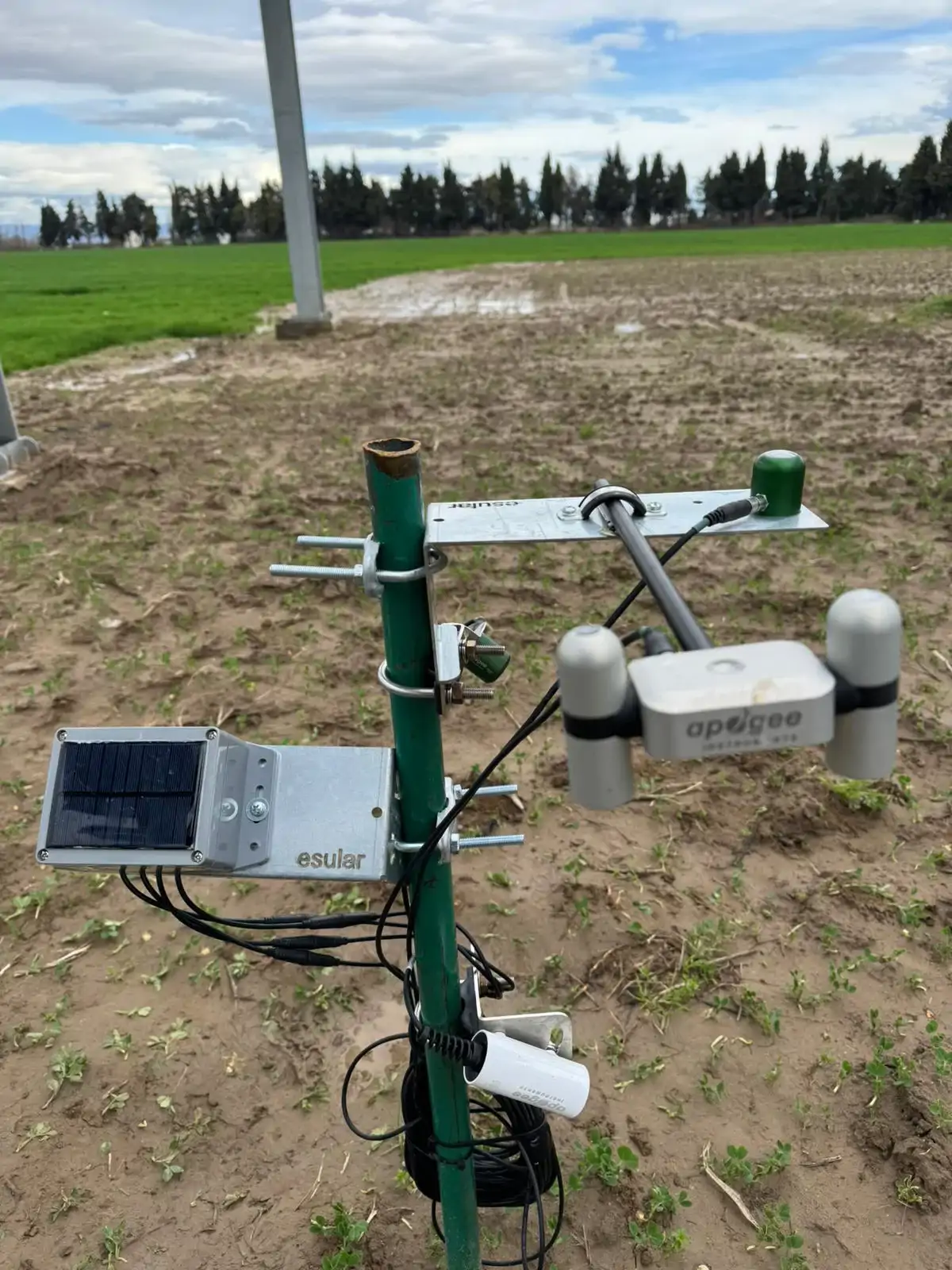
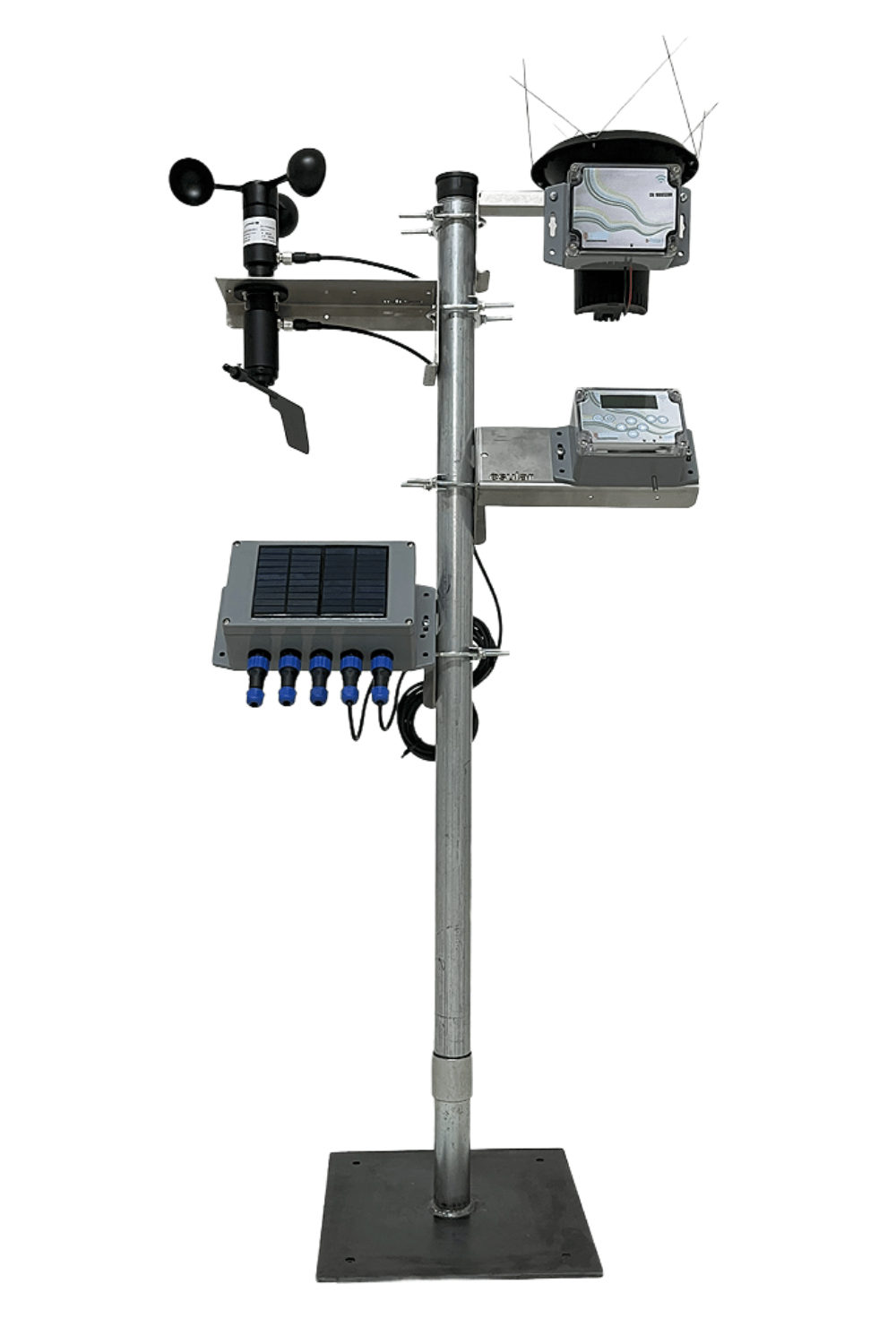
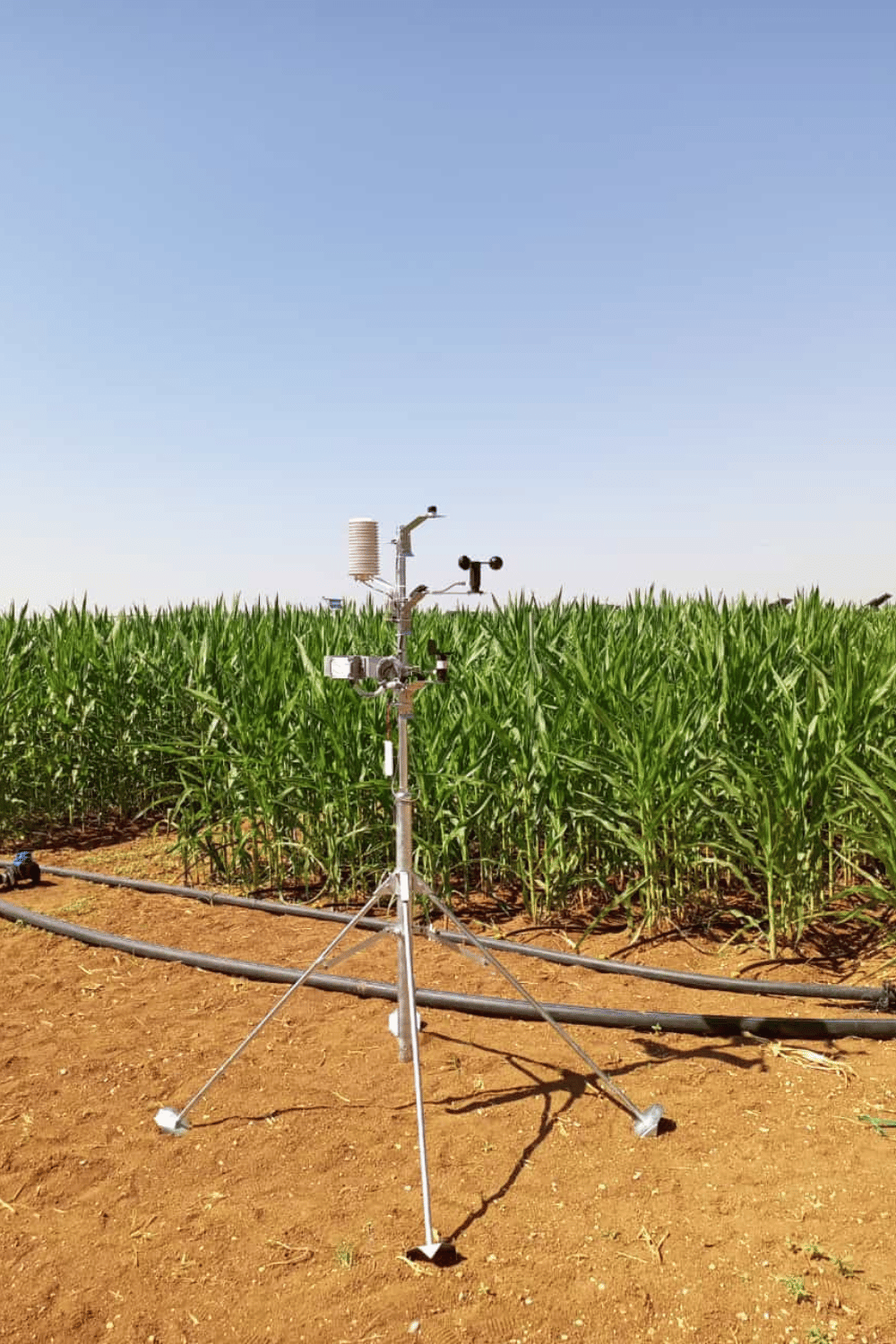
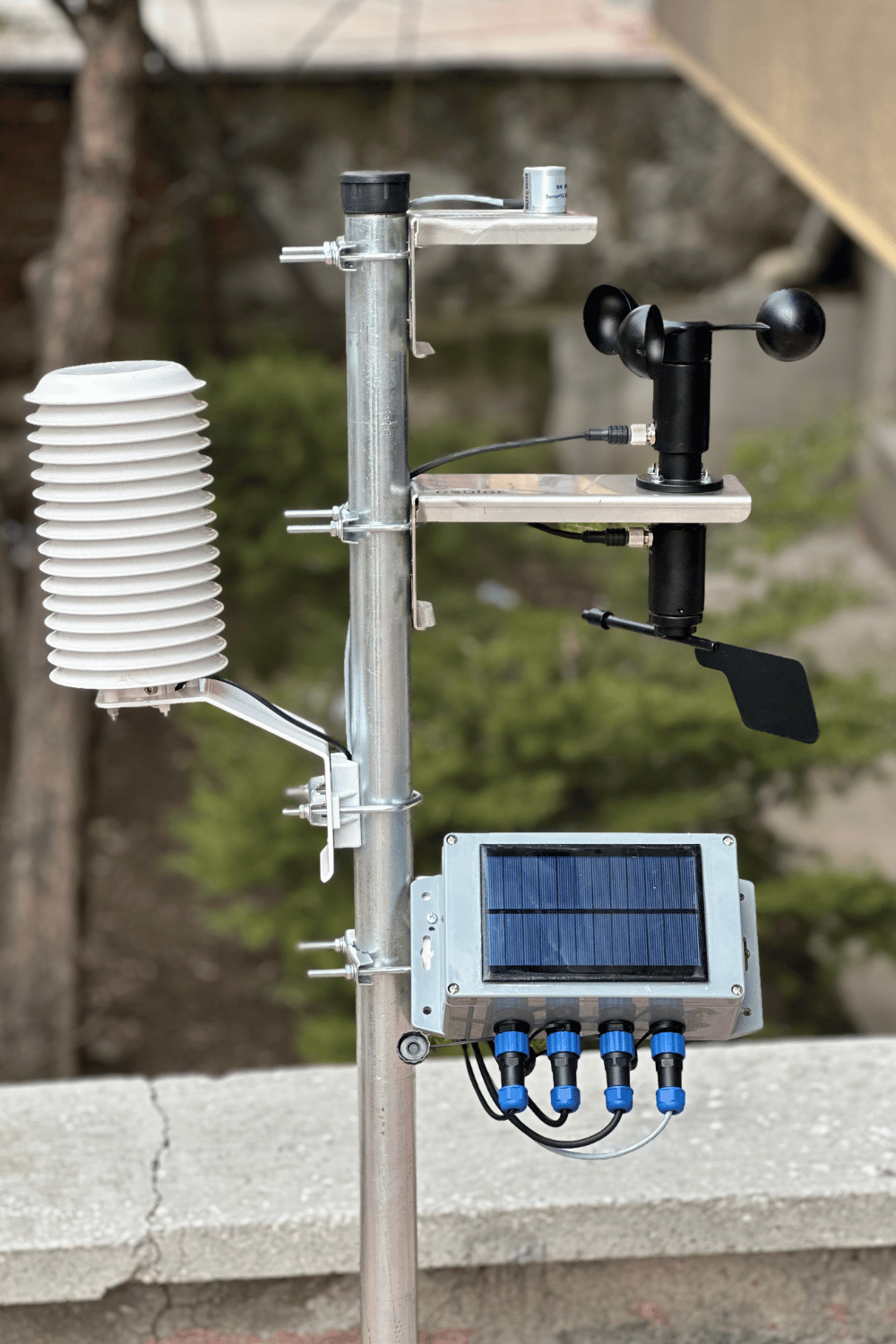
, is a professional system that measures all the meteorological data you need for dormancy tracking instantly. By monitoring temperature, humidity, wind, precipitation, and solar radiation parameters 24/7, you can calculate chilling hours and detect frost risk. Thanks to its wireless structure and solar panel support, its installation is extremely easy.Features of Esular Climate-Meteorology Station
Esular Climate-Meteorology Station collects all the data you need for dormancy tracking in a single system. Measured Parameters: Temperature (instant, min, max), relative humidity rate, wind speed and direction, solar radiation, air pressure, and precipitation amount are measured. Technical Specifications: Wireless data transmission (no cabling required), solar panel + rechargeable battery system (1 year continuous operation), IP65 waterproof structure, 24/7 instant data monitoring, mobile application and web interface access, memory system without data loss. Advantages: Fast and easy installation, low operating cost, remote data access, and the possibility of storing and analyzing historical data.
Practical Applications: Use of Meteorology Station in Dormancy Tracking
Dormancy Tracking in an Apple Orchard
Imagine you own an apple orchard. Apple trees need approximately 800-1200 chilling hours to bloom healthily. With the Esular meteorology station, you automatically track temperatures below 7°C starting from November. The system calculates the cumulative chilling hours. When the dormancy requirement is met, you will be prepared for early intervention in the spring. If there is a risk of late frost, you receive an alarm and take protection measures.Application in a Pistachio Orchard
Dormancy tracking is critical in pistachio cultivation. Thanks to the meteorology station, you check the winter chilling requirement, manage risks in case of early warming, and perform fertilization and spraying timing with flowering prediction.Dormancy Monitoring in a Vineyard
In viticulture, the dormancy period determines the quality of the next season. With the climate station, you continuously monitor the freezing risk, predict the time to emerge from dormancy along with the soil moisture level, and capture optimal conditions for shoot development.Esular Agricultural Meteorology Station – Professional Dormancy Management
For professional agricultural enterprises, offers more detailed data in dormancy tracking. This system, in addition to the standard climate station, has advanced features such as ETo (evapotranspiration) calculation, disease prediction models, and soil sensor integration. Frost risk prediction, chilling hour calculation, flowering time forecasting, and disease warning systems work together to take your dormancy management to a professional level.Things to Do During the Dormancy Period
Dormancy is not just a waiting period. The right interventions made during this process determine the success of the next season: Pruning Operations: Pruning done during the dormancy period gives the least stress to the plant and the healing time is shorter. Soil Analysis and Fertilization: Organic fertilizer applications made during the winter months provide a ready nutrient source for the plant in the spring. Hormone and Pest Control: Winter spraying during the dormancy period takes the pest population under control. Irrigation Infrastructure Maintenance: It is the ideal time for system control and maintenance. The timing of all these operations can be optimized with the data you receive from the meteorology station.Increase Your Yield with Esular
Esular is Turkey’s leading smart agricultural technologies brand. In addition to the Climate-Meteorology Station, we offer many solutions that facilitate agricultural production:
Esular Soil Moisture Sensor – Irrigation Optimization After Dormancy
One of the most critical factors for your plants emerging from the dormancy period is the correct management of soil moisture. Esular Wireless Soil Moisture Sensor allows you to optimize your irrigation strategy after awakening from dormancy. By tracking the moisture reserve left in the soil by winter precipitation, you determine when to start spring irrigation with scientific data. The sensor helps you fully understand the water requirement of the root zone by measuring moisture levels at different depths.Why Esular?
✓ Wireless Technology: Does not require complex cabling and infrastructure ✓ Easy Installation: Your system is ready within a few hours ✓ 24/7 Remote Monitoring: Access your data from anywhere in the world ✓ Long Lasting: Years of trouble-free operation with solar panel support ✓ Reliable Data: Precise measurements with professional sensors ✓ Technical Support: Our expert team is always by your sideFrequently Asked Questions
How long does the dormancy period last? The dormancy period varies according to the plant species and the climate conditions of the region. It can usually last between 2-5 months. Is meteorology station installation difficult? Esular meteorology station can be installed within a few hours thanks to its wireless structure. It does not require technical knowledge. Which plants enter dormancy? Most fruit trees (apple, pear, peach, cherry, walnut), vines, some vegetables, and ornamental plants show dormancy. Can plant production be done without dormancy? Some tropical plants do not show dormancy. However, in temperate climate plants, dormancy is mandatory for healthy production.Conclusion
Dormancy is a critical stage in the life cycle of plants and its correct management is one of the building blocks of agricultural success. Modern meteorology stations provide significant advantages to farmers by making it possible to track this process with scientific data. Esular Climate-Meteorology Station allows you to monitor the dormancy period professionally, meet the needs of your plants exactly on time, and create the best conditions for the next season. Using technology in agriculture is no longer a choice, but a necessity. Taking data-driven decisions in critical processes such as dormancy tracking both increases yield and optimizes resource use.Carry Your Field to the Future!
Start dormancy tracking with the Esular Climate-Meteorology Station. Contact our expert team!
📞 Phone: 0850 303 49 91 | 📧 E-mail: [email protected]
Kategoriler