EC (Electrical Conductivity) is a measure of the soil's ability to conduct electrical current expressed in milliSiemens or deciSiemens per meter. Since the conductivity of water depends on the dissolved ions within it, it also expresses the ratio of dissolved salt in the water. In other words, in a sense, it is the salinity value of the water.
What Use is Knowing the EC Value?
No matter which plant you grow, one of the most important values you need to know is the EC level of the soil, namely its nutrient content. Various fertilizers are used for this. The benefit of fertilizer to plants is that it contains nitrogen, phosphorus, potassium, and many more elements. However, these elements are not in pure form, but generally in the form of compounds, and many of them are chemically types of salts. The nutrient content of a soil is realized through these salts.
When you test your nutrient solution, if the solution has the reference EC value of the plant you are growing, it shows that you are feeding your plant in the correct proportions. If the EC value is high, there is a risk of over-fertilization; if the EC value is low, your plant is not being nourished enough. When you test the water draining from your soil, if the EC value is high, you are probably not irrigating enough; if the EC value is low, you are probably irrigating more than necessary. In short, these values are of vital importance for the plant being grown.
What is the Effect of EC Value on Plants?
Sometimes, symptoms of thirst may be seen in the plant even though there is enough moisture in our soil. This situation is known as physiological drought and is caused by the negative effect of soil salinity. As a result of the increase in salinity in the soil, osmotic pressure also increases. The transition from a less dense environment to a more dense environment is called osmosis. In plants, if the plant's sap is denser than the water around its roots, the water around its roots is absorbed by the plant, but if the water around its roots is saltier than the plant sap, the plant cannot absorb this water. If the salinity value is much higher, the plant's sap is absorbed by this salty water around the roots, leaving the plant without water and causing it to dry out.
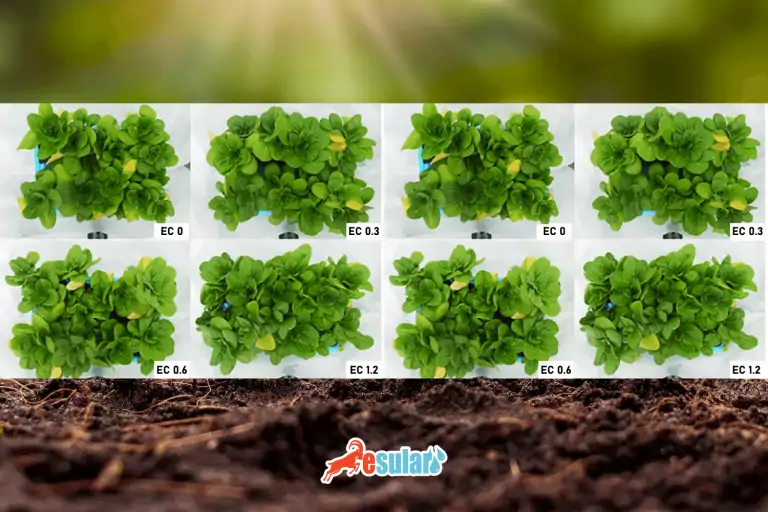
Every plant's salinity requirement is different, but in general, the EC value is classified as low between 0-2 mS/cm, medium between 2-4 mS/cm, and high between 4-8 mS/cm. A high value can lead to negatives such as preventing the plant's water intake, negative effects on microorganisms, and slowing down or stopping plant growth.
Plant
EC (mS/cm)
Barley
8.0
Corn
1.7
Cotton
7.7
Sugar Beet
7.0
Wheat
6.0
Alfalfa
2.0
Tomato
2.5
Potato
1.7
Bean
1.0
Apple
1.7
Since the EC requirements of plants are different, for example, if we were to give a nutrient solution prepared for tomatoes to eggplant, we would need to add 0.25 liters of water to 1 liter of nutrient solution to reduce its EC from 2.5 to 2.0. We can think of the EC value as the amount of salt in 1 liter of nutrient solution.
If you are going to grow several different plant species together, the EC value of the one with the lowest should be taken as the basis. For your EC value to be the most productive for all plants, being between 1.6 – 1.8 is usually sufficient for plants.
How is EC Measured in Soil?
There are several common methods for measuring the EC value of soil;
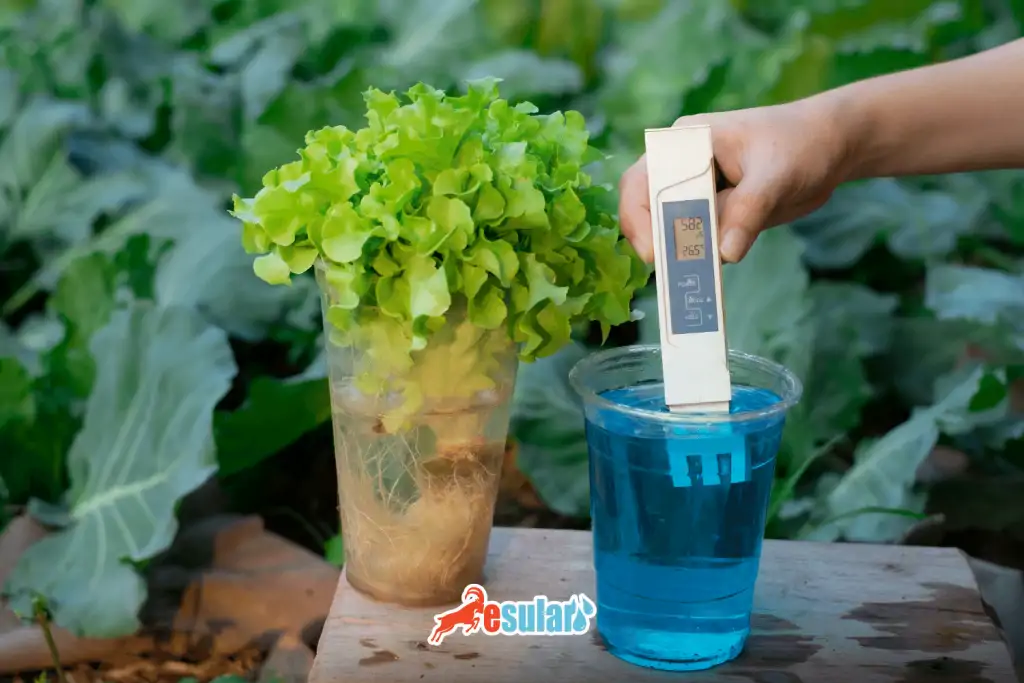
Handheld EC meter: A handheld EC meter is a simple and easy-to-use tool that measures the EC values of soil extracts. The meter is equipped with a probe placed in the soil extract and readings can be displayed on a digital screen.
Laboratory analysis: soil samples are sent to a laboratory for analysis. Here, the EC value is measured using a conductivity meter. This method gives accurate results but can be time-consuming and expensive.
Soluble salt test strips: soluble salt test strips are paper strips dipped into the soil extract. The color of the strip changes depending on the EC value of the soil extract and the result can be compared with a color chart to determine the EC value.
Electrical Resistance Imaging (ERI): ERI is a geophysical method that uses electrodes to measure the electrical resistance of the soil. By measuring resistance, the EC value of the soil can be estimated.
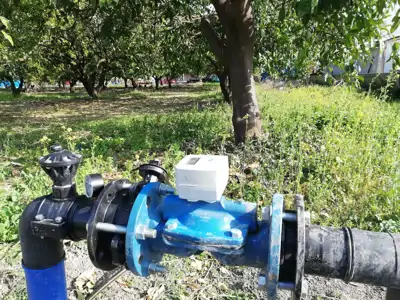
Soil moisture sensor: soil moisture sensors are widely used in smart farming to help farmers in real-time, remotely monitor the electrical conductivity value of the soil, and ensure optimum plant growth.