
Tüm Yazılar


What is Ecotourism?
Ecotourism refers to a responsible travel approach that protects the environment, increases the welfare of local communities, and educates society about nature and the environment. This form of tourism encourages people to appreciate and protect the value of nature by bringing them to natural areas. Ecotourism not only involves traveling but also contributes to the protection of natural habitats and biodiversity. This type of tourism involves local communities and supports their development by offering them economic opportunities. At the same time, it allows visitors to experience local cultures and traditions. Thus, it also helps in the preservation of cultural heritage. Ecotourism, based on sustainable tourism principles, contributes to the transfer of natural and cultural values to future generations. In this way, it provides long-term benefits for both the natural environment and human communities.
What is the Purpose of Ecotourism?
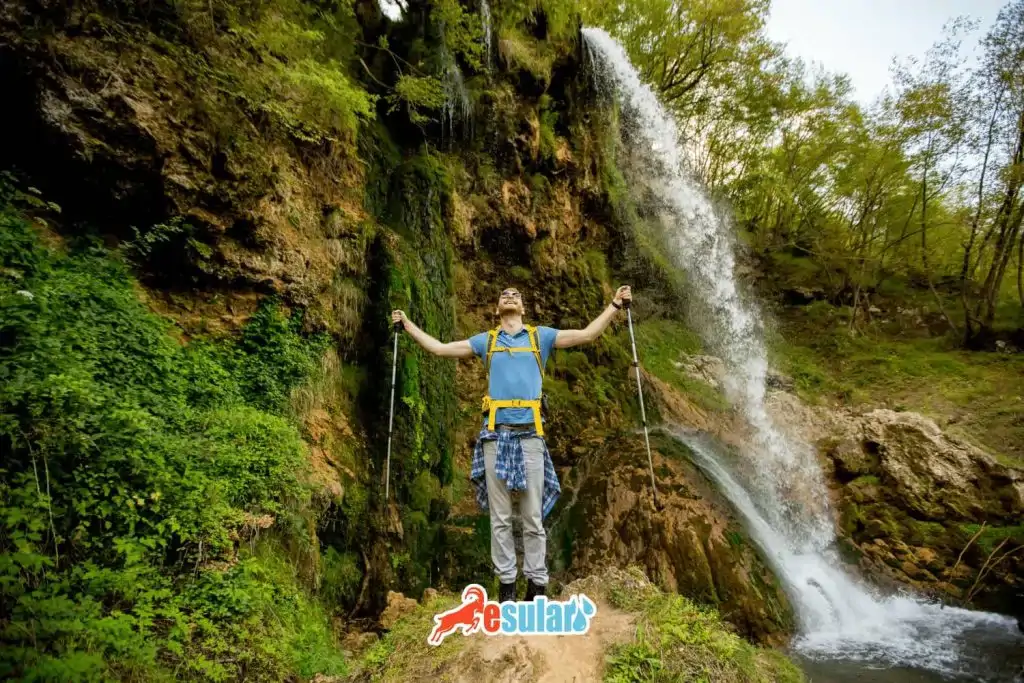
The purpose of ecotourism is to ensure the protection and sustainable use of the natural environment. Therefore, it is carried out in natural areas and without harming the environment. At the same time, ecotourism aims to support the economic and social development of local communities. Thus, by distributing tourism revenues to the local people, it is aimed to raise their living standards. Additionally, by increasing tourists' interest in natural areas, it is considered an important tool for protecting ecosystems in these regions and supporting biodiversity. In this context, local communities take part in ecotourism activities and play an active role in the planning and management of these activities. Ecotourism also includes the promotion of nature-friendly activities such as nature walks, bird watching, and botanical tours in natural areas. In addition to such activities, events that introduce and protect local cultures are also an important part of ecotourism. In this way, it both ensures the sustainable use of natural resources and protects and supports the cultural heritage of local communities.
What are the Principles of Ecotourism?
Ecotourism principles are the fundamental principles that guide the protection and sustainable use of the natural environment. Here are the basic principles of ecotourism:
Protection of the Natural Environment: It is based on the protection and non-deterioration of natural areas.
Sustainable Development: It aims to ensure the sustainable use of natural resources while supporting the economic, social, and cultural development of local communities. This includes the fair and balanced distribution of tourism revenues to the local economy.
Local Participation and Support: The active participation and support of local communities in the planning, implementation, and management of activities are important. This ensures that local people benefit fairly from ecotourism activities and that local cultures are protected.
Education and Awareness: It encourages visitors to be aware of their impacts on natural areas and to act sensitively towards the natural environment. Through education and awareness programs, tourists are enabled to develop environmentally sensitive behaviors.
Protection of Cultural and Natural Heritage: It includes activities such as keeping local traditions alive, supporting local handicrafts, and emphasizing local gastronomy.
Supporting Biodiversity: It aims to protect and support biodiversity. This includes efforts to protect endemic species, restore natural habitats, and ensure ecological balance.
Cultural Sensitivity and Respect: Ecotourism ensures that visitors respect local cultural norms and values. This includes acting in accordance with local clothing, behavior, and traditions.
These principles form a guide to ensure that ecotourism is carried out sustainably and maintain the balance in the interaction between the natural environment and humans.
What are the Benefits of Ecotourism?
First of all, ecotourism encourages the protection of the natural environment and ensures its sustainable use. This has important effects such as supporting biodiversity, protecting natural habitats, and ensuring ecological balance. Additionally, ecotourism makes great contributions to local economies. It creates employment opportunities for local people, allows for the development of small businesses and the sale of local products. Besides this, ecotourism also contributes to the protection and promotion of local cultures. Visitors experiencing local traditions, handicrafts, and local cuisine ensures the survival of local cultures. Education and awareness are also an important part of ecotourism. While visitors are informed about the protection and sustainable use of the natural environment, it is also emphasized that contact with nature reduces stress, positively affects mental health, and encourages physical activity.
What are the Disadvantages of Ecotourism?
A high number of visitors can harm ecosystems and sensitive habitats. Additionally, lack of infrastructure and uncontrolled tourism activities are among the disadvantages of ecotourism. Along with environmental impacts such as construction in natural areas, pollution, and waste problems, it can also negatively affect the cultural and social fabric of local people. An excessive influx of tourists can lead to the overconsumption of local resources and create pressure on local economies. In addition, in some cases, ecotourism can disrupt the living spaces and traditional lifestyles of local people. Uncontrolled growth of tourism activities can exceed the carrying capacity of natural areas and disrupt the balance of ecosystems. Finally, in some places, ecotourism can encourage mass tourism flows, leading to the overconsumption and destruction of natural areas. These disadvantages should be taken into consideration when evaluating the sustainability and impacts of ecotourism.
What are the Differences Between Ecotourism and Sustainable Tourism?
Although ecotourism and sustainable tourism are types of tourism that aim to protect natural and cultural resources, they have some fundamental differences:
Focus Area:
While ecotourism focuses on the protection of the natural environment and the support of local cultures, sustainable tourism generally aims to address environmental, economic, and social factors in a balanced way.Participants and Education:
Ecotourism adopts an education-oriented approach to ensure that participants better understand the natural environment and local cultures. Sustainable tourism, on the other hand, encourages tourists and local people to become aware of and participate in sustainability.Non-profit:
While ecotourism is generally carried out by non-profit organizations or local communities, sustainable tourism can also be adopted by commercial tourism enterprises.Impact and Scale:
Ecotourism is generally implemented on a small scale and local basis, while sustainable tourism generally adopts a broader approach and is usually implemented destination-wide.Legal Regulations and Standards:
Ecotourism may be subject to specific legal regulations and standards to protect specific natural areas. Sustainable tourism, on the other hand, is generally implemented under broader tourism policies and regulations.
In addition to these differences, both types of tourism aim to contribute to the protection of natural and cultural resources, local economic development, and the welfare of society. However, each makes different emphases and is implemented with different methods.
What are the Main Ecotourism Routes in Turkey?
Ecotourism routes in Turkey are located in various regions. Here are some important ecotourism routes in Turkey:
Kaçkar Mountains and Fırtına Valley (Rize): Kaçkar Mountains National Park and Fırtına Valley are famous for their rich biodiversity, natural beauties, and cultural fabric. This region is popular for activities such as trekking, nature walks, mountain biking, and bird watching.
Küre Mountains National Park (Kastamonu, Çankırı, Karabük, Bartın): Located on the UNESCO World Heritage List, the Küre Mountains are known for their magnificent forests and endemic plant and animal species. It is ideal for activities such as hiking, camping, bird watching, and photography.
Göreme and Cappadocia (Nevşehir): Cappadocia's unique geography is known for its fairy chimneys, cave churches, and underground cities. The region is an excellent choice for ecotourism activities such as walking tours, horse safaris, and hot air balloon tours.
Mount Nemrut (Adıyaman): Mount Nemrut National Park is famous for its historical remains and giant statues from the Commagene Kingdom period. The region is a popular destination for nature walks and historical discoveries with its natural beauties and cultural heritage.
Yedigöller National Park (Bolu): Yedigöller is famous for its lakes, forests, and natural life. Nature activities such as hiking, camping, picnicking, and bird watching can be done in the region.
Kaz Mountains (Çanakkale): Kaz Mountains are known for their rich vegetation and natural life. It is a preferred region for activities such as trekking, nature walks, and trips to olive groves.
Dalyan (Muğla): Dalyan is famous for Iztuzu Beach, which is the breeding beach for Caretta Caretta sea turtles, and the curves of the Dalyan Stream. Activities such as boat tours, bird watching, and nature walks can be done in the region.
This routes are ecotourism routes that stand out with their natural beauties, biodiversity, and cultural heritage in various regions of Turkey.
Kategoriler
Etiketler