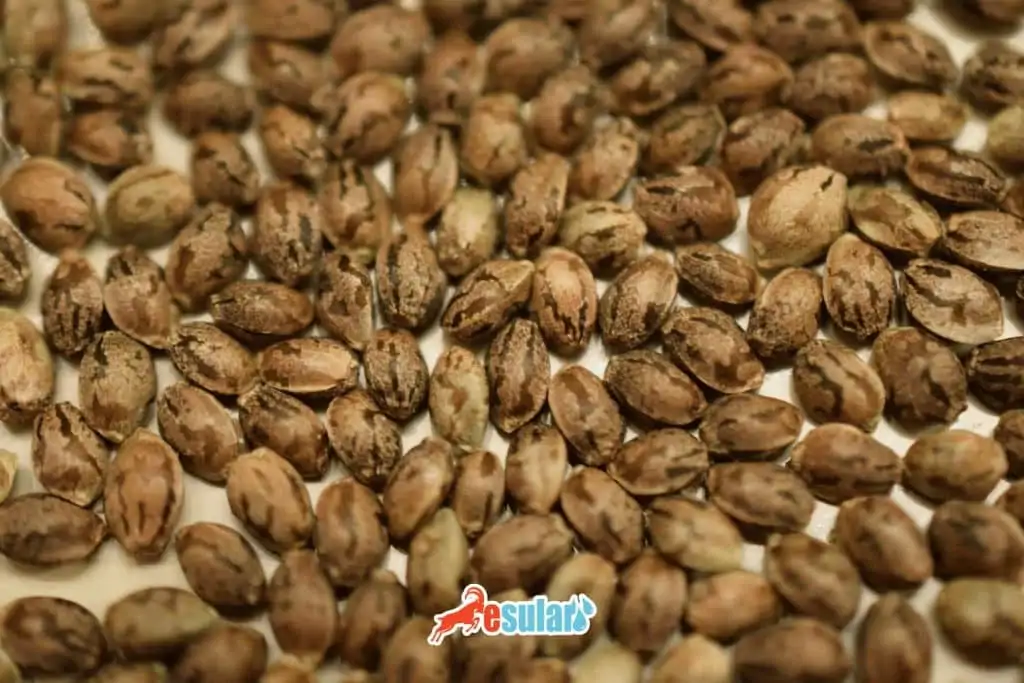
What is Hybrid (Crossbred) Seed?
Hybrid seed refers to the offspring obtained as a result of crossing two different plant species or different varieties of the same species in plant breeding. With this method, by bringing together certain advantages of plants, attempts are made to produce plants carrying the desired characteristics. These seeds, also called “hybrid,” are a method that farmers have used for centuries. While native seeds can generally be grown in a specific geography and weather conditions, hybrid seeds are not subject to such limitations. However, hybrid seeds are safer compared to GMO seeds. Because these seeds are obtained through natural means, by the combination of the characteristics of the mother and father plants. However, when not grown at the right time and in appropriate conditions like native seeds, the nutritional values (protein, mineral, fiber content) of hybrid plants may decrease. Additionally, hybrid seeds have a significant disadvantage for producers. Copy seed production cannot be done. The seeds of plants obtained from hybrid seeds do not provide a standard production. This situation requires producers to purchase new seeds every year. This also increases costs and leads to monopolization in the agricultural sector in the long run.
What are the Differences Between Hybrid Seed and Normal Seed?
There are significant differences between normal seeds and hybrid seeds. First, normal seeds are genotypes that are naturally formed or selected through traditional methods. While these seeds carry the genetic characteristics of a specific variety, hybrid seeds contain genotypes obtained from two different parents and specially selected. Hybrid seeds are produced to enhance specific traits. These traits include advantages such as disease resistance, high yield, and durability. Hybrid seeds generally offer a higher and more stable productivity. However, this productivity may only be valid for the first generation (F1) and usually loses its stability in the second generation (F2). The productivity of normal seeds is generally lower and variable. In terms of production and production costs, normal seeds are generally more economical. Because the production of hybrid seeds is more complex and costly. Additionally, while normal seeds can self-pollinate and their seeds can be replanted, hybrid seeds are generally not suitable for seed replication due to F1 hybridization. This also requires producers to purchase new seeds every year.
Is Hybrid Seed Harmful to Health?
Hybrid seeds are not directly harmful to health. The production of hybrid seeds is not related to genetic engineering or genetic modification (GMO). Hybrid seeds are generally crossbred seeds produced through natural means to enhance specific traits (for example, high yield, early maturation, adaptation ability, disease resistance). Health concerns regarding hybrid seeds usually stem from a lack of information. Consuming or using hybrid seeds is generally safe and can be found in commercially sold vegetables, fruits, and other plant products. However, to determine if any plant product is safe, comprehensive risk assessments and scientific research conducted by authorized health and food safety organizations should be considered.
How is Hybrid Seed Produced?
These seeds are crossbred seeds containing genotypes obtained from two different plant parents and specially selected. The production of hybrid seeds is generally as follows:
Parent Selection: The first step in seed production is the selection of healthy and productive parent plants with specific characteristics. These parents should generally have high productivity, disease resistance, or other desirable traits.
Pollination and Hybridization: One of the parent plants is fertilized with pollen (dust) from the other. This process is usually done by hand and carried out under control. Pollination ensures the combination of desired traits and leads to the formation of hybrid seeds.
Seed Collection and Breeding: Seeds formed after hybridization are collected when they mature. These collected seeds are used for growing plants with desired characteristics. At this stage, breeding studies are conducted to weed out those with undesirable characteristics from among the resulting hybrid plants.
Stabilization (Optional): They are considered first-generation (F1) hybrids, and this generation is usually not stable. In some cases, crossing and selection processes may be repeated to maintain the desired characteristics and increase the stability of hybrid seeds. This process can help hybrid seeds present the desired characteristics more consistently.
Commission Tests and Approvals: Before being sold commercially, they are generally put through various tests for compliance with comprehensive agricultural and food safety standards. These tests evaluate the quality, productivity, and safety of the seeds.
These steps generally explain the production process of hybrid seeds, but this process may vary for different plant species and varieties. Hybrid seed production is generally carried out by experts and agricultural scientists and ensures the production of seeds with high quality standards.
Is Hybrid Seed Sterile?
Since they are created by the combination of the genetic material of two different parents, the second generation (F2) of these seeds is usually not as stable as the first generation (F1). Plants obtained from hybrid seeds can pollinate and produce seeds, but these seeds generally do not carry the characteristics of the first generation. Hybrid seeds are not sterile; however, it should not be forgotten that if the seed is replanted, the desired characteristics may not be preserved. For this reason, it is generally recommended to repurchase hybrid seeds every year.
What is GMO Seed?
GMO seeds are the seeds of Genetically Modified Organisms used in the field of agriculture. GMO seeds are produced by making conscious and controlled changes to an organism's DNA using genetic engineering techniques. These changes are made to enhance specific traits (for example, disease resistance, insect or herbicide resistance, nutritional value) or to reduce undesirable traits (for example, the effects of harmful insects or diseases). The production of GMO seeds requires scientific research, laboratory studies, and strict regulations. These seeds offer various advantages and disadvantages in the agricultural sector. They have advantages such as resistance to diseases and harmful organisms, high yield, and reduction of crop loss. Disadvantages include issues such as environmental impacts, loss of biodiversity, property rights of seeds, and traditional agricultural practices being under threat. The use of GMO seeds is a controversial issue worldwide.

Yorumlar